Lawn, pool & pest control: who pays in Palm Coast SFHs vs. Boca/Deerfield condos/townhomes
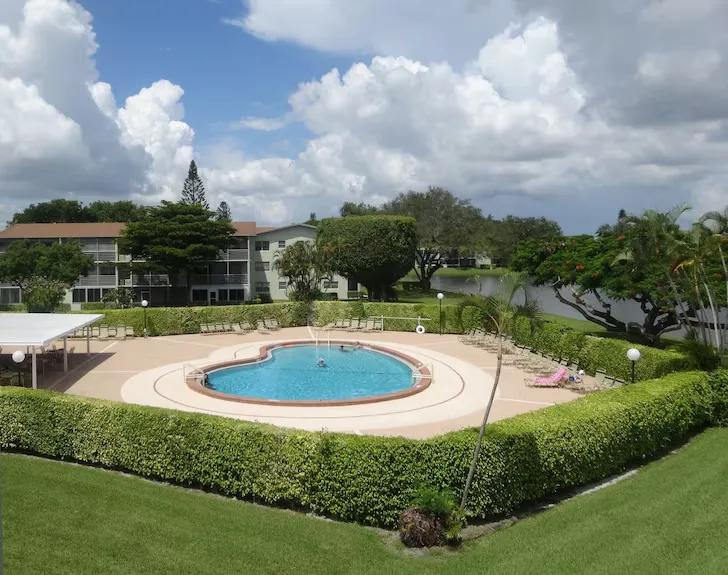
As more Florida homeowners, landlords and renters compare living in single-family neighborhoods (for example, Palm Coast) with condo or townhome communities around Boca Raton and Deerfield Beach, a common question comes up: who is responsible—and who pays—for lawn care, pool maintenance, and pest control? The short answer: it depends on ownership type, governing documents, and (for rentals) the lease. Below I’ll explain the usual rules, the exceptions you must watch for, and practical steps to protect yourself.
Quick summary (the headline rules)
Who Pays for Landscaping, Pools, and Pest Control in Florida Condos and Townhomes?
In Florida’s community-association housing—primarily condominiums (Chapter 718, Florida Statutes) and most townhome or homeowner associations (Chapter 720)—responsibility for maintenance depends on whether the area is common property or part of an individual unit. Understanding these distinctions helps owners, landlords, and tenants avoid disputes and plan for routine housing costs.
Common Areas: Associations Usually Pay and Manage
Both condominiums (Ch. 718) and homeowners/townhome associations (Ch. 720) define common areas or common elements as shared property used by all residents. These typically include:
Community landscaping
Shared pools
Clubhouses and recreation spaces
Entry features, roadways, and irrigation
Exterior building components (mostly in condos; varies in HOAs)
Under both statutes, the association is generally responsible for maintaining, repairing, and replacing these common areas. The association hires vendors, manages contracts, and oversees routine care.
Owners fund this collective maintenance through regular assessments (monthly, quarterly, or annual dues). Special assessments may be levied when major repairs or upgrades exceed the annual budget.
Inside a Unit: The Owner or Tenant Usually Pays
Interior issues—particularly pest control inside a unit—are normally considered the unit owner’s responsibility. For rentals, owners may pass this duty to tenants through the lease.
Typical examples of interior responsibilities include:
Roaches, ants, and other pests inside the unit
Leaks or plumbing issues limited to components serving only that unit
Appliance repairs
Interior walls, fixtures, and personal property
However, association bylaws can shift certain responsibilities. Some associations offer building-wide pest control (e.g., quarterly spraying) as part of common services. Others may cover termite treatment or structural pest protection. These exceptions must be stated in the governing documents, rules, or declarations.
When the Association May Be Responsible for Pests
Although interior pest problems are usually on the owner/tenant, the association may be responsible if:
The infestation originates in a common area (for example, termites entering from exterior framing).
The governing documents include pest control as a common service.
A structural defect under the association’s control causes or worsens the pest issue.
Key Tips for Owners and Tenants
Check your governing documents (Declaration, Bylaws, Rules & Regulations).
Ask the landlord (if renting) whether pest control is included.
Document pest issues early, especially if you suspect a building-wide problem.
Attend association meetings if you're an owner—budgets and assessments cover these services.
Who Pays for Yard, Pool, and Pest Control in Palm Coast Single-Family Homes?
In Palm Coast, Florida, maintenance obligations for single-family homes (SFHs) are typically the responsibility of the homeowner—unless a homeowner association (HOA) or a lease agreement assigns those duties differently. Local land-use and property-maintenance rules further require owners to follow minimum standards for landscaping and pool safety.
Homeowners Usually Pay for Their Own Yard and Lawn Care
For most Palm Coast SFHs, the homeowner is responsible for all yard and landscaping maintenance, including:
Mowing and edging
Shrub and tree maintenance
Irrigation system upkeep
Weed control and general lawn health
Unless the home is located in an HOA community that contractually includes lawn care, these costs rest solely with the owner. Many Palm Coast communities are non-HOA, meaning the owner must meet city landscaping standards on their own.
Private Pool Maintenance Is Typically the Owner’s Duty
Single-family homes with private pools must be maintained by the homeowner. This includes:
Weekly or biweekly chemical balancing
Pump, filter, and equipment upkeep
Regular cleaning and debris removal
Seasonal adjustments and safety compliance
Some HOAs—especially in master-planned communities—may offer community-level pool service for private pools, but this is uncommon and must be stated explicitly in HOA documents.
For rental homes, landlords may shift pool-care duties to tenants only if the lease clearly states it. Otherwise, the owner retains responsibility.
Interior Pest Control Belongs to the Owner (or Tenant If the Lease Says So)
Pest control inside the home—such as ants, roaches, or rodents—is normally the owner’s responsibility. In rental properties, a lease may:
Require the tenant to handle routine pest control
Require the landlord to provide professional treatments
Split responsibility based on the source of the problem
But unless the lease states otherwise, interior pest issues remain an owner obligation.
Palm Coast Code Requirements Set Minimum Standards
Regardless of HOA or lease arrangements, Palm Coast city codes (land-use and property maintenance rules) require all owners to maintain minimum standards, including:
Landscaping standards: lawns must be maintained, vegetation cannot become overgrown, and irrigation or drainage cannot create nuisances.
Pool safety and sanitation: pools must be properly secured with barriers, gates, or screens, and the water must be maintained to avoid algae, unsafe conditions, or mosquito breeding.
General property upkeep: homes and yards must not create hazards or violate community appearance guidelines established by city code.
Failure to comply can trigger code enforcement actions, fines, and mandatory corrections.
Key Takeaways
Owner pays for yard, private pool, and interior pest control in most Palm Coast SFHs.
HOAs may assume some duties—but only if explicitly included in the governing documents.
Leases can shift responsibilities, especially for rentals with pools or large yards.
Palm Coast city codes enforce minimum landscaping and pool safety standards for all owners.
Pest Control Responsibility in Florida Rentals: What s. 83.51 Requires—and When It Shifts to Tenants
Florida’s landlord-tenant law, particularly Section 83.51, Florida Statutes, lays out clear obligations for landlords to maintain rental properties in safe, sanitary, and habitable condition. Among these obligations is the duty to address pest infestations—but that duty changes depending on the type of property and the terms of the lease.
Understanding these rules is essential for both landlords and tenants, especially when dealing with interior pests, rodents, or building-wide infestations.
Landlords Must Maintain Habitable Premises
Under s. 83.51(1), landlords must ensure that rental units comply with applicable housing, building, and health codes. Even when no codes apply, they must keep:
Plumbing, structural components, and facilities in good repair
The premises clean and sanitary
Basic systems functioning properly
Because a pest infestation can make a property uninhabitable or unsafe, landlords are typically required to address it—especially when the problem:
Affects multiple units
Is caused by building defects
Originates from common areas
Impacts health or safety
The Key Carve-Out: Single-Family Homes and Duplexes
Florida law makes an important distinction:
In single-family homes and duplexes, the landlord can contractually shift pest control responsibility to the tenant—but ONLY through a written agreement.
This means:
If the lease is silent → the landlord is responsible.
If the lease clearly states the tenant handles pest control → the tenant is responsible.
The shift must be explicit, not implied.
This carve-out gives landlords of standalone rentals more flexibility, allowing them to assign routine interior pest control—like for ants, roaches, or spiders—to tenants.
Multi-Unit Rentals: Landlords Usually Stay Responsible
For apartments, multi-unit buildings, or triplexes and larger, s. 83.51 treats pest control as a non-delegable duty in most cases.
Landlords in multi-unit buildings are typically required to provide:
Extermination for pests such as roaches, ants, rats, and mice
Fumigation or treatment for bedbugs or other infestations that affect habitability
Structural repairs contributing to infestations
Regular maintenance to prevent building-wide pest issues
Even if a lease attempts to shift this responsibility, it may not be enforceable in multi-unit contexts.
Always Check the Lease—and Put Notices in Writing
Tenants and landlords should carefully review:
The pest-control clause
Maintenance obligations
Any HOA or building-wide services provided
If a pest problem arises:
Send written notice (email or certified mail) to the landlord or property manager.
Document the issue with photos, dates, and descriptions.
Follow up if the landlord does not act within a reasonable time.
Written notice preserves tenant rights if the issue impacts habitability or becomes severe.
Key Takeaways
Florida law generally requires landlords to address infestations.
Single-family homes and duplexes: pest duty can be shifted to the tenant by written agreement.
Multi-unit rentals: landlords usually remain responsible for pest control.
Always read the lease carefully and communicate maintenance requests in writing.

Why Condos and Many Townhomes in Boca & Deerfield Pay for Lawn Care and Pools
In South Florida markets like Boca Raton and Deerfield Beach, most condominium buildings and many townhome communities operate under a shared-ownership model. This structure directly determines who pays for landscaping, pool upkeep, and other common-area services—and in most cases, the association, not the individual owner, is responsible.
Understanding how Florida law treats “common elements” helps explain why these costs are bundled into monthly association dues.
Shared Ownership Means Shared Maintenance
Condos: Common Elements Are Association Property
Under Florida’s Condominium Act (Chapter 718, Florida Statutes), condominium communities are built around shared ownership of common elements, which often include:
Landscaped entry areas
Common greenbelts or courtyards
Community pools and spas
Recreation decks and clubhouse amenities
Irrigation systems, walkways, and lighting
Because these areas are jointly owned by all unit owners, the condominium association is responsible for maintaining, repairing, and replacing them. This includes hiring:
Landscaping contractors
Pool maintenance vendors
Irrigation and grounds technicians
The cost of these services is built into the monthly assessments paid by all owners.
Townhomes: Many Follow the Same Model
In many Boca/Deerfield townhome developments—especially those legally structured as HOAs under Chapter 720, Florida Statutes—common areas are also owned and managed collectively. These may include:
Community pools or small neighborhood splash areas
Shared lawns or perimeter landscaping
Entrance features, medians, and greenbelts
Where the common-area model applies, the association typically arranges all yard and pool services, and owners pay for them through monthly or quarterly dues.
Special and Monthly Assessments Fund the Work
Because the association manages community amenities, owners indirectly fund these services via:
Monthly or quarterly assessments (routine landscaping and pool contracts)
Special assessments (major repairs, resurfacing pools, irrigation overhauls, etc.)
Renters in these communities contribute indirectly—landlords use rental income to cover required assessments.
Practical Note: Not All Townhome Setups Are the Same
Townhomes in South Florida vary more than condos. Two common types exist:
1. Fee-Simple Townhomes (Owner-Owned Lots)
The owner controls and maintains the yard on their parcel.
Owner pays for their own lawn care.
Association may only maintain shared entryways or roads.
2. Attached Townhome Communities With Shared Grounds
The association treats exterior grounds like condo common elements.
Association pays for landscaping and irrigation.
Yard service is included as an amenity in assessments.
Because models differ dramatically—even within the same ZIP code—always read the association’s declaration, bylaws, and rules to know who pays for exterior care.
Key Takeaways
Condos and many townhomes include landscaped areas and pools as common elements.
Florida’s Condo Act (Ch. 718) and HOA statute (Ch. 720) make the association responsible for maintaining those shared features.
Owners fund these services through monthly assessments or special assessments.
Some townhome communities shift yard responsibility to owners—documents always control.
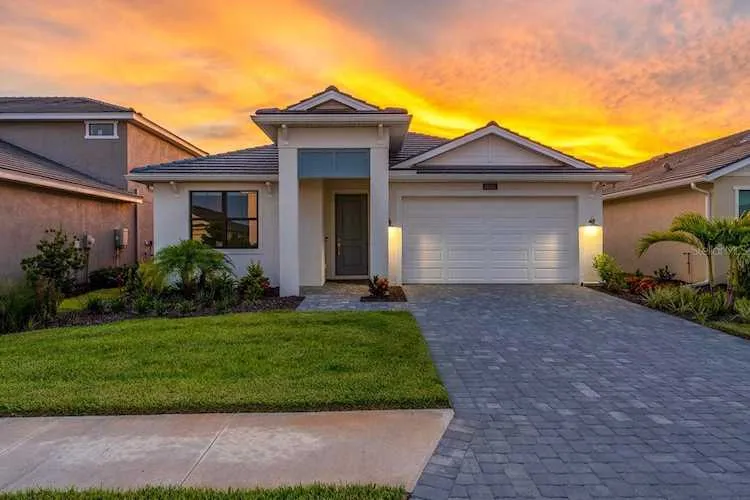
Single-Family Homes in Palm Coast: Owner or HOA—Who Pays for Lawn, Pool, and Pest Care?
Palm Coast is known for its mix of traditional single-family neighborhoods and master-planned communities with homeowners associations (HOAs). Understanding who pays for lawn care, irrigation, pool upkeep, and pest control depends on whether your property is simply a private lot or part of an HOA-governed subdivision. Local city codes also play a major role in determining what owners must maintain regardless of HOA rules.
Most Palm Coast Single-Family Homes Are Private Lots (No HOA)
In many Palm Coast neighborhoods—especially older sections like the “P-Section,” “R-Section,” “C-Section,” and most platted residential districts—homes sit on standard private lots without an HOA.In these areas:
The homeowner pays for all lawn and landscape maintenance
The homeowner maintains irrigation systems
The homeowner arranges private pool service (if applicable)
The homeowner handles interior pest control unless a lease says otherwise
If the property is a rental, the lease agreement may shift responsibilities (such as mowing, pool care, or pest control) to the tenant. But legally, the homeowner remains responsible for ensuring the property meets local maintenance standards.
Palm Coast Land Development Code Sets Minimum Standards
Even when there is no HOA, the City of Palm Coast enforces landscaping and property-maintenance requirements through its Land Development Code and accompanying landscape manuals. Owners must comply with standards for:
Tree protection and replacement
Buffer plantings
Minimum landscape coverage
Irrigation system functionality
Drainage and runoff control
Sightline safety (corner lots and driveway visibility)
This becomes especially important for owners planning renovations, adding driveways, cutting trees, altering swales, or installing new irrigation.
Violations can result in warnings, fines, or orders to correct deficiencies—so even without an HOA, Palm Coast owners have significant responsibilities.
If Your SFH Is Inside an HOA: Duties Depend on the Covenants
Some newer Palm Coast communities (like certain master-planned or gated neighborhoods) have HOAs that provide “lawn care,” “common lawn,” or “grounds maintenance” services.Whether the HOA covers your yard or only shared areas depends entirely on the Declaration of Covenants and Restrictions.
Common arrangements include:
1. Full Lawn Service by HOA
HOA mows, edges, fertilizes, and manages irrigation for each lot
Owners only maintain flowerbeds or backyard areas (if specified)
2. Limited HOA Landscaping
HOA maintains common areas only (entrances, medians, ponds)
Owners maintain their private yards
3. Mixed Models
HOA maintains front-yard turf
Owners maintain backyards, trees, or private planters
Always check:
The Declaration
HOA Rules & Regulations
Architectural guidelines (important for tree removal, new sod, irrigation changes)
These documents spell out exactly who pays for what—and what approvals are needed before altering landscaping.
Private Pools in Single-Family Homes: Owner Responsibility
For single-family homes with private pools:
The owner is responsible for weekly pool maintenance
The owner must ensure fences, barriers, alarms, or enclosures meet Florida Building Code and safety laws
Water must be kept clean to prevent mosquito breeding and health hazards
Drainage and discharge must comply with city rules
Even in HOA communities, private pools are almost always the homeowner’s responsibility, though:
HOAs may regulate placement, visibility, and enclosure styles
Some HOAs require approval before installation
Pools may impact community-wide insurance requirements
Renters may be required to maintain the pool only if the lease clearly assigns that duty.
Key Takeaways
Most Palm Coast SFHs are non-HOA, meaning the owner is responsible for yard care, irrigation, pool upkeep, and pest control.
Palm Coast’s Land Development Code requires owners to meet minimum standards regardless of HOA status.
HOA communities vary: some include yard care, others only maintain common areas. Documents always determine responsibility.
Private pools on SFHs are generally owner-maintained and must comply with city and state safety rules.
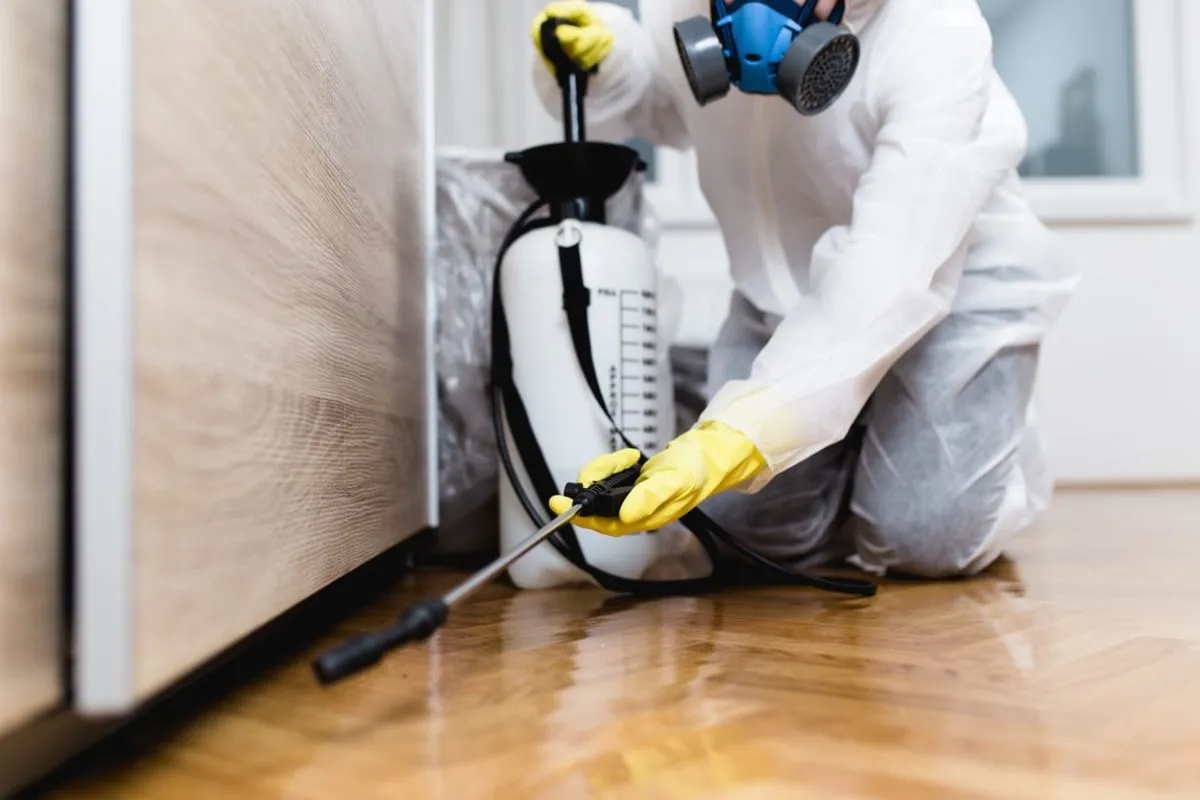
Pest Control in Florida Rentals: Who Pays, and When a Landlord Must Act
Pest issues are among the most common—and most confusing—maintenance disputes in Florida rentals. Whether the landlord or tenant pays for extermination depends on the type of property, the lease terms, and the severity of the infestation. Florida law, particularly §83.51, Florida Statutes, sets the baseline: landlords must maintain safe, habitable housing that complies with building, health, and housing codes.
Here’s how the responsibility breaks down for apartments, duplexes, and single-family homes across the state.
Landlord Obligations Under Florida Law (§83.51)
Florida’s Residential Landlord and Tenant Act requires landlords to:
Maintain the premises in compliance with all applicable building, housing, and health codes.
Keep structural components in good repair.
Ensure systems (such as plumbing) are functional and sanitary.
A pest infestation—particularly involving roaches, rodents, bed bugs, or other health-impacting pests—can render a unit uninhabitable or in violation of health codes, which triggers landlord obligations.
Multi-Unit Rentals: Landlords Usually Pay for Pest Control
In apartments and other multi-unit properties, the landlord is generally required to:
Arrange for extermination of pests affecting habitability
Address building-wide or recurring infestations
Treat pests originating from shared walls, attics, or common areas
Coordinate treatment where needed (especially important for bed bugs)
Educational guidance from UF/IFAS and the Florida Department of Agriculture & Consumer Services (FDACS) emphasizes:
Early detection
Proper diagnosis
Use of licensed pest management professionals
Coordinated treatment of neighboring units, especially in cases such as bed bugs, which often travel through shared walls
Because multi-unit buildings share structures, landlords are typically responsible even if a lease tries to shift the burden.
Single-Family Homes and Duplexes: Responsibilities Can Be Shifted by Lease
Florida law creates a key carve-out for:
Single-family homes
Duplexes
Under §83.51(2)(a), the landlord and tenant can modify pest-control responsibilities by written agreement. Many SFH leases therefore assign routine interior pest control—such as ants, roaches, spiders, or pantry pests—to the tenant.
However, this lease-based shift does not eliminate all landlord responsibilities.
When the Landlord Must Act—Even if the Lease Shifts Pest Control
Even with a tenant-responsibility clause, the landlord may still be required to fix a pest issue when:
The infestation makes the home uninhabitable
Structural defects (e.g., gaps, roof leaks, foundation openings) cause or worsen the problem
A serious infestation threatens health or safety
Pests originate from areas the tenant does not control (e.g., crawlspaces, attic voids, exterior structural elements)
A landlord cannot use a lease clause to waive obligations tied to habitability, building-code compliance, or structural integrity.
Practical Rules for Renters
1. Put Pest Complaints in Writing
Florida Bar consumer guidance recommends that tenants use written notices when requesting repairs or pest treatments. Written notice:
Creates a record of the issue
Starts the statutory “cure period” for the landlord
Protects the tenant if escalation becomes necessary
Can be delivered via email, certified mail, or other verifiable methods
2. Document Everything
Tenants should keep:
Photos and videos of pests
Dates and times of sightings
Copies of emails or messages sent to the landlord
Any medical or health impacts if relevant
3. Understand Available Remedies
If the landlord fails to act within the statutory cure period after written notice:
Tenants may have remedies under the law, including withholding rent, terminating the lease, or seeking repairs through proper legal channels.
Tenants must follow proper steps to avoid breaching the lease themselves.
Consulting Florida Bar resources or a tenant-landlord attorney can help tenants navigate deadlines and notices correctly.
Key Takeaways
Multi-unit rentals: landlords almost always must provide pest control.
Single-family homes and duplexes: pest duties can be shifted to tenants—but only through a written lease.
Even with a lease clause, landlords remain responsible when pests render the home uninhabitable or stem from structural defects.
Bed bugs and similar pests often require professional, coordinated treatment across adjacent units.
Tenants should give written notice, document conditions, and understand their statutory remedies.
Common edge cases & who to call
Leased Condo Units in Florida: Who Pays for What—Common Areas, Yard Care, and In-Unit Pest Control
When a condominium unit in Florida is rented out, financial and maintenance responsibilities are split between the unit owner, the tenant, and the condominium association. Florida’s Condominium Act (Chapter 718) sets the baseline rules for common-area obligations, while the lease agreement determines who handles in-unit services such as pest control or private patio/yard maintenance.
For renters and landlords alike, understanding these layers prevents confusion—and avoids violations of association policies.
Common Areas: The Owner Pays the Association
Under Chapter 718, Florida Statutes, Florida condominium associations are responsible for the maintenance, repair, and replacement of common elements, including:
Community landscaping
Shared grounds and greenbelts
Common-area pools and decks
Entry features, lighting, irrigation, and walkways
These services are funded through association assessments, which are billed to the unit owner, not the tenant.
Even when the unit is leased:
The owner remains responsible for paying all association dues.
The tenant indirectly contributes only through their monthly rent payment.
Associations do not bill tenants directly for assessments.
Inside the Unit: The Lease Controls Pest Control Responsibility
In-unit pest control—such as treatments for ants, roaches, spiders, or rodents—is not covered by the association unless the condo declaration specifically says otherwise.
Therefore:
If the lease assigns pest control to the tenant, the tenant must arrange and pay for routine treatments.
If the lease is silent, the responsibility usually remains with the unit owner/landlord.
If an infestation originates from a common area, the association may be required to address the source.
Some leases split duties (e.g., tenant handles minor pest treatment, landlord handles structural or recurring infestations). The written lease governs these arrangements.
Patios, Courtyards, or Limited Common Elements: Who Maintains Them?
Many Florida condos—especially in Boca Raton and Deerfield Beach—include:
Private patios
Small fenced courtyards
Limited-common-element green areas
Responsibility for these varies:
If the patio or yard is part of a limited common element, the owner often must maintain it unless the association provides service.
If the lease shifts yard care to the tenant, the tenant may be responsible for:
Weeding, trimming, or sweeping
Light landscaping upkeep
Keeping the area sanitary and pest-free
However, these duties must not violate association rules, and many condos require:
Licensed vendors
Pre-approved work times
Advance notice for landscape or pest service entry
Use of approved materials or treatments
Violating these rules can result in fines—to the owner, not the tenant—so owners should specify requirements in the lease.
Check Both Documents: Lease + Condo Rules
Because condo living involves two layers of contracts, tenants and landlords should review:
1. The Lease Agreement
Determines:
Pest control duty
Patio/yard upkeep
Cost-sharing for repairs
Service scheduling permissions
2. Condo Declaration, Bylaws, and Rules
Determine:
What counts as common vs. limited common elements
Vendor requirements
Whether owners may delegate maintenance to tenants
Access times for association personnel
Following both sets of rules ensures compliance and avoids unnecessary penalties.
Key Takeaways
Unit owners always pay association assessments, even when the condo is rented.
Pest control and small yard/patio maintenance depend on the lease, unless the association expressly provides these services.
Condo rules may require licensed vendors and pre-approved scheduling, which tenants must follow.
Always read both the lease and the condo association rules to know who pays for what and how services must be performed.
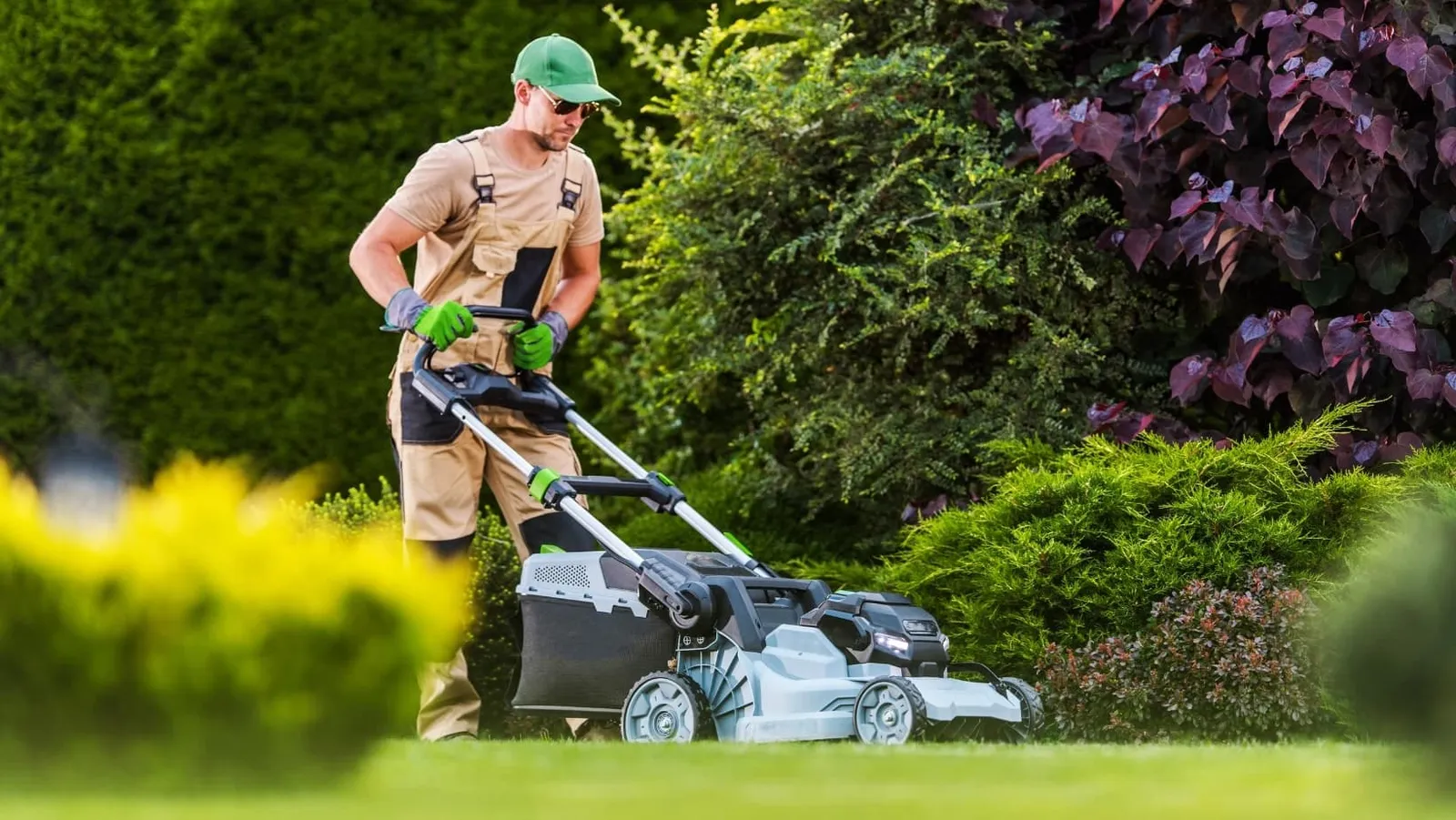
HOAs That Provide Lawn Care but Not Irrigation Repairs: What Owners Need to Know
In many Florida homeowners associations—especially in planned communities across Palm Coast, Boca Raton, and Deerfield Beach—lawn care is one of the most commonly included services. But “lawn care” rarely means everything related to outdoor maintenance. Homeowners are often surprised to learn that while the HOA covers routine mowing, edging, and sometimes fertilization, irrigation system repairs, tree removals, and certain landscape responsibilities remain the owner’s obligation.
Because HOAs operate under the authority of their governing documents and Florida’s HOA statute (Chapter 720), it’s essential for owners to understand where the association’s responsibility ends and where theirs begins.
What “Lawn Care” Usually Means in HOA Communities
When an HOA advertises lawn service, it typically covers routine, surface-level maintenance, such as:
Mowing
Edging
Blowing debris
Fertilization and weed control (in some communities)
Basic shrub trimming (in some contracts)
These services are included in the HOA’s annual operating budget and funded by owner assessments. They keep the community visually consistent but do not address deeper infrastructure or plant-specific issues.
What HOAs Usually Do Not Cover
Many HOAs clearly separate “lawn care” from irrigation infrastructure and major landscape work. Common items that fall on the homeowner include:
1. Irrigation System Repairs
Broken sprinkler heads
Leaking valves
Timer/controller replacement
Underground line repairs
Pressure issues or zone failures
The HOA may run the irrigation system schedule, but the homeowner typically pays for repairs to the equipment on their lot.
2. Tree Removal or Replacement
Even when trees are planted by the developer or HOA, the owner may be responsible for:
Removing diseased or hazardous trees
Replacing dead trees or palms
Grinding stumps
Obtaining permits when required
Palm Coast, Boca, and many coastal cities require permits for certain removals, making the owner’s responsibility even more significant.
3. Landscape Enhancements
Owners usually pay for:
New plantings
Landscape redesign
Mulch beyond what the HOA provides
Hardscape or drainage modifications
These often require architectural approval from the HOA.
Check the HOA Budget and Maintenance Matrix
Every HOA must maintain:
A budget
A reserve schedule
A list of responsibilities that specifies what the association covers and what owners must maintain
These documents may be called:
“Maintenance Responsibility Chart”
“Owner vs. HOA Responsibility Matrix”
“Landscape Maintenance Summary”
Because each community is different, owners should review:
The Declaration of Covenants
The Rules & Regulations
The latest budget and landscape contract
Any amendments regarding irrigation or landscaping
Some HOAs cover only front-yard turf. Others include full-yard care but still exclude irrigation equipment. A minority cover irrigation repairs as part of a bundled maintenance plan—but only if the governing documents say so.
Why This Matters for Owners
Understanding your responsibilities avoids:
Surprise bills
Violation letters
Fines for dead turf or nonfunctioning irrigation
Unapproved tree removal penalties
It also helps owners budget realistically, especially for irrigation repairs, which can range from small fixes to costly line replacements.
Renters should also be informed, because leases often shift outdoor maintenance duties to tenants even when the HOA only covers basic lawn services.
Key Takeaways
HOA-provided lawn care typically covers routine mowing and edging—not irrigation repair.
Irrigation equipment, tree removal, and major landscaping work usually fall on the homeowner.
Always review the HOA budget, governing documents, and maintenance responsibility charts for specifics.
Proper irrigation is essential for compliance—dead turf can result in owner violations even when the HOA mows the lawn.
Bed Bugs or Multi-Unit Infestations: Why Buildings Must Act Quickly and Coordinate Response
Bed bugs, roaches, and other pests that can spread between walls, floors, and shared building systems create unique challenges for condominiums, townhome clusters, and multi-unit rental buildings. Unlike pests confined to a standalone property, these infestations can move rapidly from unit to unit—making coordinated action essential for effective control.
Why Multi-Unit Infestations Require a Building-Wide Strategy
In attached housing, pests can travel through:
Shared walls and floor/ceiling cavities
Plumbing and electrical penetrations
Hallways and common areas
Laundry rooms, trash rooms, and elevators
Because of this, treating only one affected unit rarely resolves the issue. If neighboring units remain untreated, pests can quickly re-enter the treated space.
University of Florida IFAS Extension and the Florida Department of Agriculture and Consumer Services (FDACS) emphasize that bed bugs, in particular, require professional, systematic treatment. DIY sprays or partial efforts typically fail and may worsen the problem by pushing pests deeper into walls.
Condo and HOA Responsibilities
In most Florida condominium buildings (Ch. 718), the association is responsible for maintaining and protecting the common elements. When a pest infestation involves several units or originates from common areas, the association typically must:
Coordinate inspection of affected and adjacent units
Hire licensed pest-control professionals
Ensure common areas are treated
Enforce access rules so units can be inspected and treated
Many associations also have rules requiring owners or tenants to cooperate with prep steps, such as laundering, decluttering, or providing temporary access.
Landlords in Multi-Unit Rentals
Under Florida landlord-tenant law, multi-unit landlords are generally responsible for extermination. When bed bugs or other pests spread between apartments:
The landlord must arrange treatment by licensed pest professionals
Tenants usually must provide reasonable access for inspections and extermination
The landlord may need to inspect and treat adjacent units to fully eliminate the problem
Delay is risky—infestations can multiply quickly and create habitability issues.
Best Practices for Tenants and Owners
To ensure a successful building-wide response:
Report signs of pests immediately (bites, spotting on bedding, visible insects).
Provide written notice to the landlord or association.
Cooperate with pest-control prep steps (laundering, vacuuming, moving furniture, etc.).
Document everything, including photos and communication.
When everyone participates, infestations are resolved faster, with fewer repeat outbreaks.
Why Professional Treatment Matters
UF/IFAS extension specialists stress that bed bugs are resilient and require:
Thorough inspection
Heat or chemical treatments performed by licensed pros
Follow-up visits and monitoring
Treatment of surrounding units when needed
This “whole-building” approach is the only reliable way to fully eliminate infestations in multi-unit settings.
Practical checklist (for owners, landlords and renters)
Why Reading Governing Documents and Your Lease Is Essential for Maintenance and Pest Control
For homeowners, renters, and landlords in Florida, understanding who is responsible for maintenance, landscaping, and pest control starts with the documents that legally define your property and rental arrangement. These include condo declarations, HOA covenants, bylaws, and lease agreements. Failing to review them carefully can lead to misunderstandings, disputes, or even fines.
Governing Documents in Condos and HOAs
Florida law distinguishes between unit owners’ responsibilities and the association’s duties through formal documents:
Declarations and Covenants: Outline what the association maintains versus what the owner must care for. For example, front-yard landscaping, common pools, and irrigation systems may be covered by the HOA, while backyards or private patios remain the owner’s responsibility.
Bylaws: Define how the association operates, how maintenance decisions are made, and who approves service providers.
Rules & Regulations: Often specify approved vendors, maintenance schedules, and pest control requirements.
Reading these documents allows owners and renters to understand what is considered common property, what falls on individual units, and how to comply with association rules.
Lease Agreements for Rental Units
In addition to governing documents, rental agreements define maintenance responsibilities inside a unit:
Pest control duties: Some leases assign routine pest treatments to tenants, while landlords remain responsible for structural or building-wide infestations.
Yard or patio care: Leases may specify whether tenants must mow, weed, or maintain limited outdoor spaces.
Reporting obligations: Tenants are usually required to notify landlords promptly of maintenance or pest issues.
Florida law (§83.51) requires landlords to maintain habitable premises, but leases can clarify or shift routine responsibilities, especially for single-family homes and duplexes.
Why This Matters
Avoid disputes: Knowing responsibilities prevents conflicts between owners, tenants, and associations.
Prevent fines or violations: Associations can issue fines for non-compliance with maintenance rules; landlords risk legal exposure if habitability standards aren’t met.
Plan for costs: Understanding obligations helps homeowners and renters budget for lawn care, pool service, pest control, and other ongoing maintenance.
Ensure legal compliance: Written agreements provide clarity in case of disputes or code enforcement actions.
Practical Tip
Always review both the governing documents and the lease agreement before purchasing, renting, or signing a lease. Pay attention to:
Maintenance responsibilities
Pest control obligations
Restrictions on vendors or scheduling
Shared vs. private areas
Reporting procedures and timelines
These documents collectively define your legal and financial duties regarding property upkeep.

Requesting a Written List of HOA or Condo Services: What Owners Should Know
For homeowners in Florida’s condominiums or homeowner association (HOA) communities, understanding exactly what services are covered—and how they must be performed—is essential. Associations often manage landscaping, pools, and common-area pest control, but the scope of these services and the rules governing vendors can vary widely. Asking for a written list clarifies responsibilities and avoids misunderstandings.
Why Request a Written List
Even if the HOA regularly mows lawns or maintains a pool, homeowners may be uncertain about:
What specific areas are covered (front yard, back yard, private patios, common grounds)
How frequently services are performed
Which vendors are authorized
Any restrictions or approvals required for vendor scheduling
Responsibility for repairs, enhancements, or exceptions
A written list ensures everyone understands both what the association provides and what the homeowner must handle.
Key Services Often Included in HOA or Condo Coverage
Landscape Maintenance
Mowing, edging, trimming, fertilization, and irrigation checks (routine)
Tree care or removal may or may not be included
Pool and Amenity Maintenance
Cleaning and chemical balancing for community pools
Filter and pump inspections
Safety compliance with fencing, gates, and signage
Common-Area Pest Control
Extermination in shared spaces such as hallways, courtyards, or clubhouses
Regular inspections and preventive treatments
Vendor Rules Homeowners Should Confirm
Associations may have specific requirements for vendors:
Must be licensed and insured
Pre-approved or on an association vendor list
Scheduled at specific times to minimize disruptions
Compliance with HOA rules regarding chemicals, noise, and access
Having these rules in writing helps homeowners ensure contractors or personal vendors do not inadvertently violate association policies.
Practical Steps
Contact the association in writing and request the current list of covered services and vendor rules.
Keep a copy of the response for your records.
Compare your lease or ownership documents to see if there are additional responsibilities for your unit or lot.
Plan maintenance and budgeting according to what the HOA covers versus what falls to you.
Key Takeaways
Associations may provide landscaping, pool, and pest services—but coverage varies.
A written list clarifies responsibilities, frequency, and vendor rules.
Written documentation protects homeowners from disputes or fines.
Always follow association vendor rules to remain compliant and avoid penalties.
Renters in Florida: Why Written Notices for Repairs and Pest Issues Matter
If you rent a home or condo in Florida, understanding your rights and responsibilities under Florida landlord-tenant law is crucial. One of the most important steps tenants can take when facing maintenance issues, pest infestations, or other repair needs is to send written notices to the landlord and keep copies for their records. Doing so helps protect your legal rights and ensures the landlord has the opportunity to address the problem.
Why Written Notices Are Important
Written notices:
Create a clear record of the issue, including dates, times, and descriptions
Trigger statutory obligations for the landlord under Florida law (such as Section 83.51)
Protect tenants if legal remedies are needed later, such as rent withholding, repair-and-deduct, or lease termination
Help prevent disputes by documenting requests and the landlord’s responses
Even for minor repairs or pest control requests, having a formal written record can prevent misunderstandings.
Using the Florida Bar’s Form Guidance
The Florida Bar provides guidance and sample forms for sending written notices to landlords. These forms typically:
Specify the tenant’s information and rental address
Describe the issue clearly (e.g., plumbing leak, roach infestation)
State the expected action or repair
Include a reasonable time frame for the landlord to respond or cure the problem
Request confirmation or acknowledgment from the landlord
Following these forms helps ensure that your notice meets legal standards and can be used in any subsequent legal proceedings if necessary.
Practical Tips for Renters
Send notices in writing: Email is usually acceptable, but certified mail provides proof of delivery.
Keep copies: Save all emails, letters, photos, and documentation of issues.
Document the problem: Include photos, videos, or pest sightings for evidence.
Follow up: If the landlord does not respond within a reasonable time, send a reminder or escalate according to Florida law.
Understand your remedies: Only after proper notice and reasonable opportunity for repair can tenants pursue legal options like rent withholding or requesting professional repairs.
Key Takeaways
Sending written notices protects your rights and creates a clear record of maintenance or pest issues.
Use Florida Bar guidance or sample forms to ensure notices are properly structured.
Keep copies and documentation of all communication with your landlord.
Written notice is a crucial step before pursuing further remedies under Florida law.
Landlords in Florida: Documenting Responses and Acting Quickly on Multi-Unit Pest Infestations
For landlords managing multi-unit properties in Florida, pest infestations are more than a nuisance—they are a potential liability issue. Florida law, particularly §83.51, Florida Statutes, requires landlords to maintain habitable premises in compliance with building, health, and housing codes. Prompt, documented action is essential to protect tenants, the property, and the landlord’s legal standing.
Why Multi-Unit Infestations Are Critical
Pests such as bed bugs, roaches, rodents, and termites can spread rapidly in multi-unit buildings. Unlike single-family homes, infestations often affect adjacent units and common areas, creating:
Increased tenant complaints
Habitability concerns
Potential violations of building and health codes
Risk of legal action if the landlord fails to act
Because of these risks, landlords cannot ignore or delay response to multi-unit pest problems.
Document Responses Thoroughly
Florida landlords should maintain clear, written records of every step taken, including:
Tenant complaints (emails, letters, or forms)
Dates and times of inspections or visits
Communications with pest-control companies
Photos or videos of evidence
Follow-up actions and treatments
Documentation demonstrates due diligence and provides protection if tenants claim the landlord failed to meet maintenance obligations.
Hire Licensed Pest Control Operators Promptly
Professional, licensed pest control is essential for effective treatment and legal compliance. Key practices include:
Engaging state-licensed pest control operators for inspections and treatments
Scheduling treatment promptly to prevent spread to adjacent units
Coordinating treatment across multiple units when needed (especially for bed bugs)
Retaining service records, invoices, and reports from pest-control professionals
UF/IFAS and FDACS guidance emphasize that professional, coordinated intervention is the most reliable way to eliminate pests and minimize liability.
Key Takeaways for Landlords
Act quickly: Delays can exacerbate infestations and increase legal exposure.
Document everything: Written records and receipts protect against claims of negligence.
Use licensed professionals: Proper pest control is often legally required and more effective than DIY methods.
Coordinate treatment: Multi-unit infestations often require building-wide action.
Maintain habitability: Prompt and documented responses help comply with §83.51 and protect tenants’ health and safety.
When in Doubt: Ask a Local Attorney or Association Manager About Maintenance and Pest Responsibilities
In Florida, determining who is responsible for maintenance, landscaping, pest control, or repairs in condominiums, townhomes, or rental properties can be surprisingly complex. Small differences in declarations, covenants, bylaws, or lease clauses can shift the legal obligation from an association to a unit owner—or from a landlord to a tenant. Understanding these nuances is essential to avoid disputes, fines, or unexpected expenses.
Why Small Differences Matter
Condominium declarations may define certain limited areas as the owner’s responsibility, even if they appear part of the common grounds.
HOA covenants can assign irrigation repairs or tree maintenance to the homeowner while covering routine mowing and landscaping.
Lease clauses can shift routine pest control in a single-family rental home from the landlord to the tenant, but do not relieve the landlord of obligations related to structural issues or habitability.
Misreading or overlooking these documents can result in noncompliance with rules, unpaid assessments, or legal disputes.
Who to Ask for Guidance
Local Attorneys
Specializing in landlord-tenant law, condominium law, or HOA law
Can interpret governing documents and state statutes
Provide advice on responsibilities, risk, and remedies
Association Managers
Can clarify what the HOA or condo actually covers versus what is the owner’s responsibility
Provide copies of budgets, maintenance matrices, and vendor rules
Explain procedural requirements for scheduling work or gaining approval
Practical Steps
Review your governing documents (declarations, covenants, bylaws, rules) or lease first.
Ask questions in writing to create a record of clarification.
Consult a local attorney if the documents are unclear or if disputes arise.
Coordinate with the association manager to ensure any work complies with approved vendors, schedules, and community rules.
Key Takeaways
Legal responsibility for maintenance and pest control can hinge on small differences in documents and leases.
When uncertainty exists, a local attorney or association manager is the best resource for clarification.
Asking early prevents disputes, ensures compliance, and helps both owners and tenants budget correctly for maintenance responsibilities.
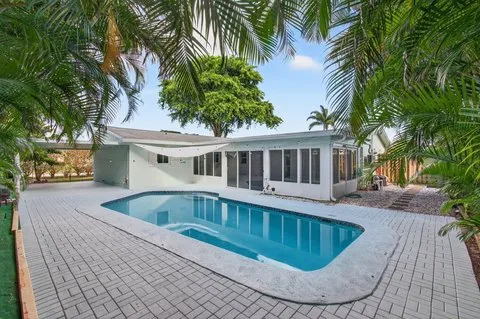
Condos and Townhome Communities in Boca and Deerfield: Who Pays for Lawn and Pool Care
In Boca Raton, Deerfield Beach, and other parts of South Florida, condominiums and many townhome communities are designed around shared ownership of common areas. This structure directly affects who pays for maintenance of lawns, pools, and other shared amenities, and who is responsible for interior or personal property upkeep.
Association Responsibilities
Under Florida law (Chapter 718 for condos, Chapter 720 for HOAs), associations are generally responsible for maintaining common elements, which often include:
Community lawns and landscaped areas
Amenity pools, spas, and pool decks
Shared walkways, lighting, and irrigation systems
The association typically contracts with vendors for landscaping, pool maintenance, and sometimes pest control in common areas. Costs are funded through monthly or quarterly dues paid by all unit owners.
Owner and Tenant Responsibilities
Unless the governing documents or lease state otherwise, unit owners and tenants handle interior and personal responsibilities, including:
In-unit pest control
Maintenance of private patios or yards (if applicable)
Pool service for any private pools attached to the unit
Routine cleaning and upkeep of personal living spaces
This division of responsibility ensures that shared amenities are maintained consistently, while owners and tenants retain control over their private spaces.
Why Reading Governing Documents Matters
Some townhome or condo associations may have unique rules that modify these standard responsibilities, such as:
Requiring licensed vendors for private patios or limited-common elements
Including certain in-unit pest treatments as part of community-wide service
Shifting responsibility for irrigation repairs or tree maintenance to owners
Carefully reviewing the declaration, bylaws, and rules ensures that owners and tenants understand their obligations and avoid fines or disputes.
Key Takeaways
Association pays for common lawns and pools, funded through dues.
Owners and tenants handle interior and personal responsibilities unless governing documents or leases specify otherwise.
Review association documents to confirm responsibilities and any special requirements.
Proper understanding helps prevent disputes and ensures compliance with community rules.
Single-Family Homes in Palm Coast: Who Pays for Yard, Pool, and Pest Control
In Palm Coast, Florida, most single-family homes sit on private lots, meaning homeowners are generally responsible for the upkeep of their property. Understanding who pays for landscaping, pool maintenance, and pest control—and what municipal regulations apply—is essential for owners and renters alike.
Homeowner Responsibilities
For single-family homes outside of an HOA or where the HOA does not provide specific services, homeowners typically handle:
Yard and lawn care: mowing, trimming, fertilizing, and irrigation system operation
Private pool maintenance: cleaning, chemical balancing, and ensuring fencing and alarms comply with Florida Building Code and safety standards
Pest control: routine interior treatments for ants, roaches, rodents, or other pests, unless the lease for a rental shifts responsibility to the tenant
These duties ensure that the property remains safe, habitable, and compliant with local regulations.
HOA-Provided Services
Some Palm Coast neighborhoods are governed by homeowners associations that contract yard or pool services on behalf of homeowners. In these cases:
The HOA handles routine mowing, landscaping, or pool maintenance
Homeowners may still be responsible for interior pest control, tree removal, or irrigation repairs depending on the governing documents
Lease agreements may further define whether tenants or landlords handle in-unit maintenance
It is important for homeowners to review HOA covenants and contracts to understand what is included.
Municipal Codes and Standards
Even if an HOA provides some services, Palm Coast municipal codes require homeowners to meet minimum standards for:
Landscaping and tree protection
Buffer planting and irrigation
Drainage and runoff management
Safety and visibility requirements
Compliance helps prevent fines, code enforcement actions, or liability issues for the homeowner.
Key Takeaways
Homeowners of single-family homes in Palm Coast generally pay for yard, private pool, and pest control.
HOA contracts may shift some responsibilities, particularly for yard or pool maintenance.
Municipal codes establish minimum standards that homeowners must meet regardless of HOA coverage.
Lease agreements can further define which maintenance tasks are handled by tenants in rental properties.
Pest Control and Maintenance in Florida Rentals: Understanding Landlord Responsibilities
Florida landlords have clear legal obligations to maintain habitable rental properties, including addressing pest infestations. These duties vary depending on whether the rental is a multi-unit building or a single-family home (SFH), and tenants and landlords alike must understand their responsibilities to avoid disputes.
Landlord Duties Under Florida Law (§83.51)
Florida Statute §83.51 requires landlords to maintain rental premises in compliance with applicable building, health, and housing codes. This includes:
Ensuring the property is safe and habitable
Addressing infestations that affect tenant health or the structural integrity of the unit
Responding to repair requests in a timely manner
Failure to meet these obligations can expose landlords to legal liability, including tenant remedies such as rent withholding or lease termination.
Multi-Unit Rentals: Landlords Must Address Pests
For apartments, condos, and other multi-unit properties:
Landlords are generally responsible for pest control
Infestations in one unit often require building-wide or adjacent-unit treatments
Prompt action with licensed pest-control professionals is necessary to comply with habitability requirements and prevent spread
Because pests can migrate between units, landlords cannot shift responsibility entirely to tenants in multi-unit settings.
Single-Family Homes and Duplexes: Lease Can Shift Routine Pest Duties
For single-family homes or duplexes:
Landlords may assign routine pest control responsibilities to tenants through a written lease
Routine treatments (ants, roaches, spiders) can be tenant duties
Structural issues or infestations originating from building defects remain the landlord’s responsibility
Even with a lease clause assigning pest control to tenants, landlords cannot avoid habitability obligations.
Best Practices: Document Everything
To protect both parties:
Put all repair or pest notifications in writing
Maintain copies of emails, letters, photos, and pest reports
Track responses and actions taken by the landlord or pest-control professionals
Use professional, licensed pest-control operators for treatments, especially in multi-unit buildings
Written documentation helps clarify responsibilities and provides legal protection in case of disputes.
Key Takeaways
Florida law (§83.51) requires landlords to maintain habitable rental properties and address pest issues.
Multi-unit landlords generally cannot shift pest control responsibilities to tenants.
Single-family landlords can assign routine pest control to tenants through a lease, but habitability obligations remain.
Always document communications and actions to protect both landlord and tenant rights.
Sources:
University of Florida IFAS Extension – sfyl.ifas.ufl.edu
Florida Statutes — Chapter 718 (Condominium Law). flsenate.gov
Florida Statutes — Chapter 720 (Homeowners’ Associations). flsenate.gov
Florida Statutes § 83.51 — Landlord’s obligation to maintain premises. leg.state.fl.us
City of Palm Coast — Land Development Code / Building Department (landscaping and code requirements). library.municode.com+1
UF/IFAS / FDACS guidance on pest control, bed bugs and landlord/tenant responsibilities. sfyl.ifas.ufl.edu+1