Balcony/structural projects in older condos: what Boca/Deerfield renters should expect during building work—and your rights during disruptions
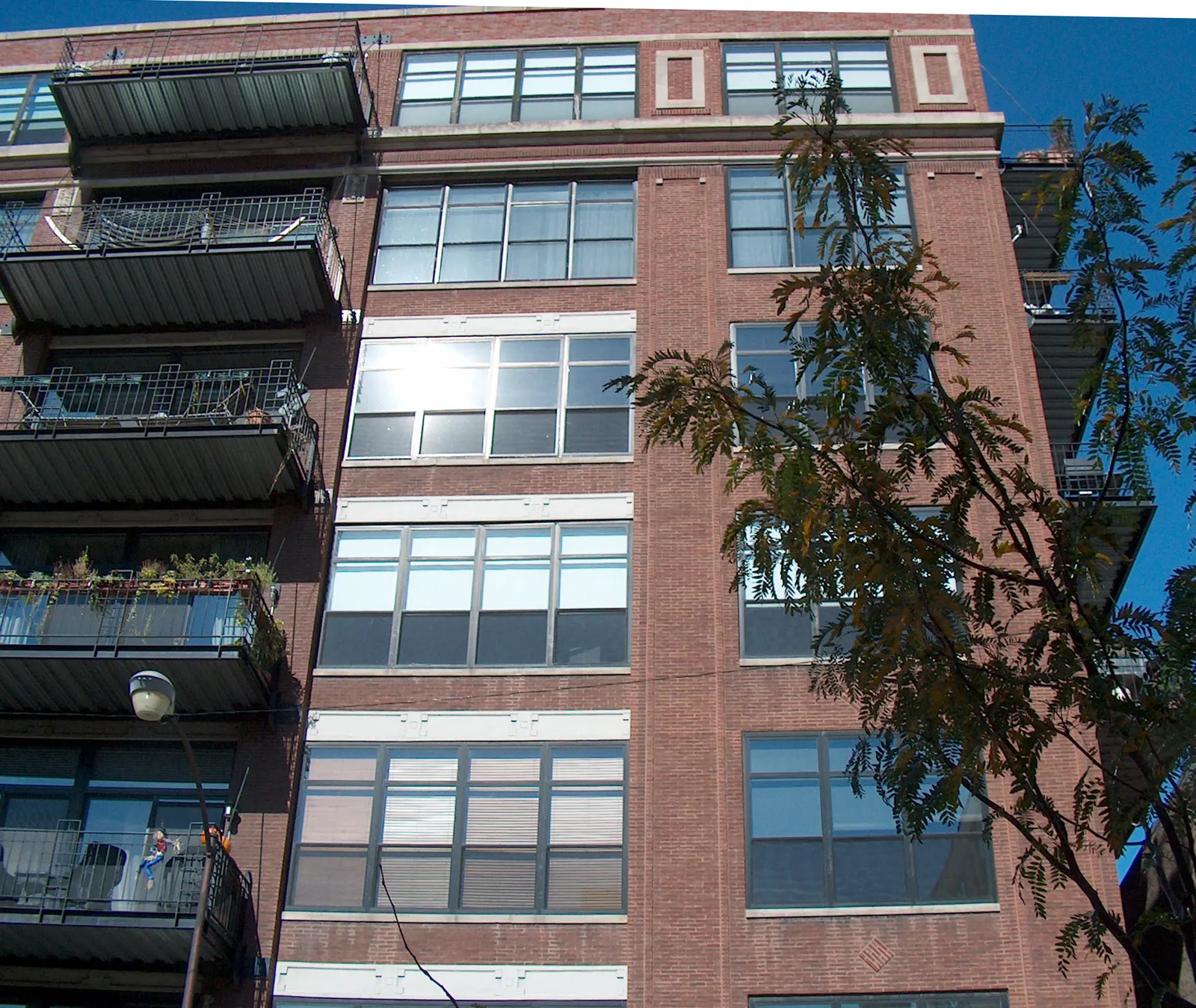
As older condominium buildings in Florida are updated, renovated, or repaired — particularly to address safety or structural issues — residents who rent units in those buildings (such as in Boca Raton, FL or Deerfield Beach, FL) need to know what to expect, what they are entitled to, and how to protect their rights. Below is an overview of typical scenarios, tenant rights under Florida law and recent legislation, and practical guidance to navigate structural or balcony-related work as a renter.
Why Older Condo Buildings Are Seeing More Repairs Now
Florida’s Updated Structural-Safety Rules for Condominiums: What Owners and Residents Need to Know
The tragic collapse of Champlain Towers South in Surfside in 2021 prompted the most significant overhaul of Florida’s condominium-safety laws in decades. In the years since, lawmakers have continued refining the rules to ensure that aging buildings—especially the thousands constructed during Florida’s 1970s–1990s condo boom—undergo proper structural assessment and long-term planning.
The most recent update, House Bill 913 (HB 913), tightens timelines and clarifies responsibilities for associations, engineers, and unit owners. Here’s what it means for communities statewide.
What HB 913 Requires
1. Mandatory “Milestone Inspections” for Older Buildings
Florida condos that are three stories or higher must complete a milestone inspection by a licensed engineer or architect. These inspections evaluate the structural condition of the building and identify signs of substantial deterioration.
HB 913 reinforces and updates earlier requirements by:
Confirming which buildings must be inspected.
Setting clear deadlines for compliance.
Establishing consequences for associations that fail to complete inspections.
2. Extended Deadline: December 31, 2025
Many associations struggled to meet the initial inspection deadlines due to high demand for engineers, backlogged scheduling, and cost concerns. To address this, lawmakers extended the statewide compliance deadline to December 31, 2025.
This extension gives associations additional time to:
Hire qualified professionals.
Complete Phase 1 and (if required) Phase 2 inspections.
Budget for any repair recommendations.
However, the extension does not remove the obligation—inspections are still mandatory and legally enforceable.
3. Structural Integrity Reserve Studies (SIRS)
HB 913 continues the requirement that condos complete Structural Integrity Reserve Studies, which estimate the remaining life of critical components such as:
Roofs
Load-bearing walls
Electrical systems
Foundations
Fireproofing & fire safety systems
Plumbing
Associations must collect and maintain reserves for these elements—waiving or reducing reserves is no longer allowed for structural components.
4. Transparency and Notice to Owners
The updated law requires associations to:
Share inspection reports with all unit owners.
Disclose findings to prospective buyers.
Post inspection results on-site if significant issues are found.
This is meant to prevent the lack of transparency that contributed to the Surfside tragedy, where warning signs went unaddressed for years.
Why This Matters for Owners and Renters
Higher Maintenance Costs—but Safer Buildings
Stricter structural rules mean many associations will face:
Special assessments
Higher monthly dues
Accelerated maintenance schedules
While these costs can be significant, they ensure buildings remain safe and prevent billion-dollar failures like Surfside.
More Predictable Real Estate Transactions
Buyers, sellers, and lenders now have clearer expectations:
Lenders increasingly require proof of completed inspections.
Buyers can access reports before closing.
Insurance carriers are using inspections to evaluate risk.
Better Long-Term Planning
With mandatory reserve funding and engineering reviews, associations are better positioned to maintain buildings proactively rather than reacting to emergencies.
HB 913 reflects Florida’s commitment to preventing another catastrophic structural failure. Condo boards must act now—waiting until late 2025 will make compliance harder as engineers get fully booked. Owners should stay informed, attend board meetings, and review reports as they are issued.
These reforms may bring higher costs, but they also bring peace of mind: safer homes, better-maintained buildings, and a stronger statewide standard for condominium living.
Why Florida Now Requires Stronger Condo Reserve Funds: Protecting Buildings, Owners, and Long-Term Safety
Florida’s condominium laws have undergone sweeping changes in recent years, driven largely by increasing concerns about structural safety and long-term financial stability. Central to these reforms is a renewed focus on reserve funding—the money an association must set aside to repair or replace major building components.
The aim is clear: ensure that buildings maintain adequate financial reserves to cover major repairs or structural remediation, including balconies, load-bearing walls, shared common areas, and critical structural systems. Without these reserves, associations risk delaying essential repairs, leaving buildings vulnerable to deterioration—and owners facing sudden, crippling special assessments.
Why Reserves Matter More Than Ever
Before recent reforms, many condominiums in Florida were legally allowed to waive or underfund reserves if owners voted to do so. While this kept monthly dues low, it often left associations ill-prepared to take on large, necessary repairs—especially in older buildings along the coast where salt air accelerates concrete damage.
With multiple high-profile structural failures in aging buildings, lawmakers and engineers concluded that deferred maintenance and underfunded reserves were part of the problem.
Modern reserve requirements focus on:
Balconies and exterior walkways (common sites of concrete deterioration)
Load-bearing walls and columns
Foundations and structural slabs
Roofing systems
Electrical and fire-safety systems
Plumbing and drainage systems
Critical common-area infrastructure such as parking decks, stairwells, and mechanical rooms
These elements not only affect safety but also significantly impact a building’s long-term habitability and resale value.
Structural Integrity Reserve Studies (SIRS): The New Standard
Florida now mandates that condominium associations conduct a Structural Integrity Reserve Study (SIRS) for all buildings three stories or higher. This engineering-based assessment determines:
The expected remaining life of critical components
The estimated cost of repair or replacement
How much the association must collect annually to stay on track
Importantly, associations can no longer waive or reduce reserves for the items included in the SIRS, ensuring that buildings continuously fund their future maintenance needs.
This shift forces boards to plan proactively rather than reactively. It also protects owners from sudden, unexpected assessments that can reach tens of thousands of dollars.
How Stronger Reserves Protect Owners
1. Fewer Emergency Assessments
Adequate reserves reduce the likelihood of last-minute charges when something fails—such as a deteriorating balcony or structural beam.
2. Increased Building Safety
When reserves are fully funded, associations can complete repairs promptly rather than postponing them due to lack of funds.
3. Improved Insurance and Lending
Lenders and insurers increasingly review reserve studies before approving loans or policies. Well-funded reserves make buildings more attractive and financially stable.
4. Better Property Values
Buyers now ask for inspection reports, reserve studies, and financial statements before closing. Strong reserves directly support higher property values and market confidence.
A Long-Term Investment in Safety and Stability
Florida’s push to enforce adequate reserve funding is not simply about accounting—it’s about preventing the next structural disaster. By ensuring that associations collect enough money to care for their buildings’ most critical components, the state aims to safeguard both residents and property values.
In the years ahead, buildings with solid reserves will face fewer disruptions, fewer emergency repairs, and far less financial strain. Owners may pay more in monthly dues, but they get something invaluable in return: protection, predictability, and peace of mind.
Why Many Older Florida Condos Are Undergoing Structural Upgrades — Even While Residents Remain in Their Units
Across Florida, especially in coastal counties, condominium associations are launching long-deferred structural repairs and safety upgrades. This surge of construction is a direct result of updated state laws, engineering requirements, and a growing awareness of building-age issues following the Surfside tragedy. While essential for long-term safety, these projects often unfold while units remain occupied — creating a new normal for many condo communities.
Aging Buildings, New Standards
Many Florida condos were built in the 1970s–1990s, long before today’s more stringent structural standards. Salt exposure, humidity, and decades of wear accelerate deterioration of:
Balconies
Concrete slabs
Exterior stucco
Railings and walkways
Parking structures
Load-bearing components
Under new state laws — including milestone inspections and Structural Integrity Reserve Studies (SIRS) — associations must now identify problems early and plan mandatory repairs. Unlike previous years, delaying work is no longer an option.
Common Projects Now Underway
1. Balcony and Railing Repairs
Concrete spalling, rusted rebar, and weakened waterproofing are now top priorities. These repairs often require:
Removing balcony tiles or coatings
Jackhammering deteriorated concrete
Rebuilding structural balcony surfaces
Most of this work can be done with residents inside, although balconies may be inaccessible for weeks or months.
2. Structural Reinforcement
Engineers are inspecting load-bearing walls, columns, beams, and slabs. Areas with deterioration may require:
Shoring and temporary supports
Concrete restoration
Steel reinforcement upgrades
These tasks typically occur from outside the building or in common areas.
3. Exterior Façade and Stucco Repairs
Cracked stucco, water intrusion, and failing sealants are being addressed through:
Re-stuccoing surfaces
Repainting
Replacing windows or waterproofing systems
Scaffolding and swing stages are now common sights in older condo communities.
4. Parking Deck and Walkway Renovations
Coastal garages and elevated walkways suffer heavy deterioration due to moisture and salt. Repairs may include:
Concrete patching
Drainage fixes
Barrier-coat replacement
These upgrades, while disruptive, significantly improve long-term safety.
Renovations While Units Are Occupied: What Residents Should Expect
Because Florida law does not require residents to vacate during most upgrades, construction often proceeds with people living in their homes. This means:
Daytime noise from drilling, grinding, and concrete work
Closed balconies, walkways, or outdoor areas
Temporary rerouted foot traffic or limited parking
Construction crews working on exterior scaffolding
Dust and vibration, though contractors must minimize impacts
While inconvenient, completing repairs with residents present is standard practice — and often far more cost-effective than relocation.
Why This Wave of Repairs Matters
Safety First
Structural upgrades restore the integrity of older buildings, reducing the risk of long-term deterioration.
Compliance With State Law
Associations must act once milestone inspections or a SIRS report identifies required repairs.
Property Value Protection
Well-maintained buildings retain higher resale values and attract more buyers, especially as lenders tighten requirements.
Reduced Future Costs
Addressing deterioration early prevents larger, costlier failures later.
Florida’s older condos are undergoing a transformation driven by safety, compliance, and long-term resilience. Although construction can be disruptive, these upgrades protect residents and preserve property value. With new laws demanding thorough engineering reviews and adequate funding, associations are now required — and empowered — to carry out repairs that many buildings have needed for years.
For renters in such buildings, that means a higher possibility of living amid construction, noise, restricted access to common areas, and periodic disruption.
What Florida Law Says About Landlord / Condo Association Responsibilities & Tenant Rights
If you rent a unit in a Florida condo, your rights are protected under the Florida Residential Landlord‑Tenant Act (“the Act”), regardless of whether there is a written lease — and the law also covers condos.
Key obligations and rights:
Landlords’ Legal Duty to Maintain Safe, Structurally Sound Rental Homes in Florida
Under Florida law, every landlord — whether a traditional rental-property owner, a condo unit owner leasing out a unit, or even a condominium association acting as a landlord — has a clear, non-negotiable responsibility: to ensure that the property is safe, habitable, and structurally sound for tenants.
This obligation is not limited to routine maintenance. It extends directly to the structural integrity of the building, including roofs, walls, balconies, floors, and any other component that could pose a safety hazard if neglected.
What “Safe and Habitable” Means Under Florida Law
Florida’s landlord-tenant statutes require landlords to maintain rental housing in a condition that does not threaten a tenant’s health or safety. While cleanliness and basic repairs are part of this standard, the law also places strong emphasis on structural safety.
Structural elements that must be maintained include:
Roofs – must prevent leaks, collapse risks, and water intrusion
Exterior and interior walls – must remain stable and free of structural deterioration
Balconies and railings – must be secure and able to support normal use
Floors and ceilings – must not sag, crack, or pose collapse hazards
Windows, doors, and exterior elements – must seal properly and operate safely
If any of these components degrade to the point where they could endanger tenants, the landlord is legally required to repair the issue promptly.
How These Rules Apply in Condo Buildings
Many Florida rentals are located within condominium communities, which adds complexity to maintenance responsibilities.
If a unit owner leases their condo:
The unit owner is the landlord, responsible for ensuring the rental unit is safe and habitable.
The condo association may still control and maintain structural components, but the landlord/owner must ensure repairs happen — even if they require coordinating with the association.
If the association rents out a unit it owns:
The association becomes the landlord, with full legal responsibility for habitability and structural safety.
In all scenarios, the duty to provide a safe rental home cannot be passed on to the tenant.
When Structural Issues Arise
Structural defects — failing balconies, deteriorating concrete, major roof leaks, or compromised load-bearing walls — must be addressed immediately. These conditions can:
Create direct safety hazards
Force temporary evacuation
Result in code violations
Expose landlords to legal liability
Tenants cannot legally be expected to continue living in a unit that poses a hazard. If a landlord fails to make structural repairs, tenants may have remedies under Florida law, including rent withholding, termination of the lease, or legal action.
Why Structural Maintenance Is Becoming More Critical
Following the 2021 Surfside collapse, Florida has implemented stricter structural-inspection and reserve-funding requirements. These reforms affect condo buildings across the state — and indirectly affect landlord duties.
Landlords and unit owners must now stay aware of:
Milestone inspection findings
Structural Integrity Reserve Studies (SIRS)
Scheduled building repairs
Required remediation timelines
Ignoring or delaying repairs is no longer an option.
All Florida landlords — including condo unit owners and associations acting as landlords — are legally obligated to maintain rental properties in a safe, habitable, and structurally sound condition. Structural safety is not optional, and failure to address hazards quickly can expose landlords to serious liability.
Keeping buildings safe isn’t just a legal duty — it’s essential for protecting tenants’ lives, preserving property value, and complying with Florida’s evolving safety standards.
Habitability Requirements in Florida: Essential Amenities Every Rental Must Provide
In Florida, landlords are legally required to maintain rental properties in a condition that is safe, livable, and compliant with local and state housing standards. While structural integrity is a major part of habitability, basic essential amenities are equally important. Without these, a rental unit cannot legally be considered fit for occupancy.
At a minimum, every rental home — whether a single-family house, apartment, or condo unit — must provide running water, electricity, properly functioning doors and windows, and full compliance with building and safety codes.
Mandatory Amenities Under Florida Law
Florida’s Residential Landlord and Tenant Act outlines the fundamental services landlords must supply. These requirements ensure that tenants can live in a space that is sanitary, safe, and meets modern standards of habitability.
1. Running Water and Hot Water
Every rental unit must have:
Reliable access to running water
A functioning hot-water system capable of providing heated water at safe, usable temperatures
Water access is considered essential for cooking, cleaning, hygiene, and sanitation.
2. Electricity and Working Electrical Systems
Landlords must ensure:
Electrical power is available and connected
Outlets, lighting, and wiring meet safety standards
Breaker boxes, circuits, and fixtures are safely installed and maintained
Electrical problems can create fire hazards or make the unit uninhabitable.
3. Secure Doors and Windows
Safety and security are part of basic habitability. A rental unit must have:
Doors that lock and close properly
Windows that open, close, and lock
Functional screens or safety requirements as local codes dictate
Failure to provide secure entry points can expose tenants to danger and violates legal requirements.
4. Compliance With Building and Safety Codes
Regardless of the building’s age, landlords must ensure their units follow:
Local property maintenance standards
Fire-safety codes
Electrical and plumbing codes
Structural codes and inspection rules
Any city or county habitability ordinances
This includes maintaining smoke detectors, ensuring safe stairways, and correcting code violations promptly.
Why Habitability Standards Matter
These basic amenities are more than conveniences — they are legal obligations designed to protect tenant safety and quality of life. When landlords fail to provide them, tenants may:
Submit written repair requests
Withhold rent under specific legal procedures
File complaints with local code enforcement
Seek legal remedies or lease termination
Habitability laws help ensure tenants aren’t forced to live in unsafe or unhealthy conditions.
Responsibilities in Condominiums
For rentals located in condo buildings:
The unit owner (landlord) is responsible for ensuring habitability inside the unit.
The condo association typically maintains structural and common-area elements.
However, the landlord remains ultimately responsible for ensuring the rental meets legal habitability standards, even if repairs require cooperation with the association.
Bottom Line
Florida law is clear: running water, electricity, secure entry points, and full code compliance are non-negotiable requirements for any rental home. Landlords must provide these essentials at all times, and tenants have legal rights when these standards are not met.
Maintaining these amenities isn’t just good practice — it’s the foundation of a safe and lawful rental relationship.
Tenant Privacy Rights in Florida: What “Private, Peaceful Possession” Really Means
In Florida, tenants are legally entitled to what the law calls “private, peaceful possession” of their rental home. This principle is at the heart of the Florida Residential Landlord and Tenant Act and is designed to protect renters from intrusive or disruptive behavior by landlords.
Once a tenant signs a lease and takes possession of the unit, the home becomes their private space — and the landlord cannot enter or interfere with that privacy except under specific, legally allowed circumstances.
What “Private, Peaceful Possession” Means
This legal right ensures that tenants can:
Live in their home without unnecessary disturbance
Enjoy freedom from harassment or repeated disruptions
Expect that the landlord will not show up unannounced
Maintain privacy in their day-to-day life
A tenant’s home is protected space. Even though the landlord owns the property, they cannot treat it as their personal domain once it is leased.
When a Landlord May Enter the Unit
Florida law recognizes that landlords sometimes must enter the property — for example, to make repairs, perform inspections, or respond to maintenance issues. However, entry is regulated to protect tenant privacy.
Reasonable Notice Required
Except in emergencies, landlords must give reasonable notice before entering. While the law doesn’t specify an exact number of hours, the common standard in Florida is:
At least 12–24 hours notice
Entry during reasonable times of day, typically normal working hours
This notice allows tenants to prepare, secure pets, or be present if they choose.
Permitted Reasons for Entry
Landlords may enter for purposes such as:
Repairs or maintenance
Inspections related to safety or building conditions
Showing the unit to prospective buyers, renters, or contractors
Complying with legal or regulatory obligations
Even in these cases, notice is still required.
Emergency Exceptions
A landlord can enter without notice only when:
There is an emergency
Immediate action is necessary to protect life, health, or property
Examples include major leaks, fire, flooding, or dangerous structural issues.
When Entry Violates a Tenant’s Rights
A landlord may not:
Enter the unit at random
Enter repeatedly in a way that becomes harassment
Use entry as a method of intimidation
Show up late at night or early in the morning without consent
Enter while the tenant is not home unless proper notice was given and entry is for a valid reason
Repeated unannounced entries can constitute a violation of tenant rights and may justify legal action or termination of the lease.
Why These Protections Matter
Tenant privacy rights exist to ensure:
Safety and peace of mind
Secure enjoyment of the home
Protection from potential landlord harassment
A clear boundary between ownership and occupancy
A balanced and respectful landlord–tenant relationship
For renters, understanding these rights is essential. For landlords, following the rules helps avoid disputes, complaints, and legal liability.
Florida law protects tenants’ right to private, peaceful possession of their rented home. Landlords cannot enter at will, must provide reasonable notice for non-emergency access, and must always respect the tenant’s privacy. These protections help ensure a stable, respectful, and lawful rental environment for both parties.
When Landlords Fail to Make Necessary Repairs in Florida: Tenants’ Rights to Notice, Repairs, and Rent Withholding
Florida law requires landlords to maintain rental properties in a safe and habitable condition. This includes addressing structural concerns, safety hazards, and essential services such as plumbing, electrical systems, and secure doors and windows. But what happens when a landlord fails to make necessary repairs — especially those related to health, safety, or structural integrity?
Under Florida’s Residential Landlord and Tenant Act, tenants may have the right to withhold rent or request repairs, but only if they follow specific legal procedures. Proper notice and documentation are critical to ensuring these rights are protected.
When Repairs Become Legally Required
Landlords must act when the problem affects habitability or safety. This includes issues such as:
Structural deterioration
Unstable balconies or stairways
Major roof leaks
Unsafe electrical systems
Faulty plumbing or lack of running water
Broken doors or windows that compromise security
Mold caused by structural or plumbing failures
If a failure makes the unit unsafe or unlivable, the landlord has a legal obligation to remedy the issue within a reasonable time.
Step 1: The Tenant Must Give Written Notice
Before taking any action, the tenant must provide a written notice to the landlord describing:
The problem
The repairs needed
A reasonable deadline (commonly seven days) for the landlord to fix the issue
This notice is essential. Without it, tenants generally cannot legally withhold rent or pursue other remedies.
Tenants should send the notice:
In writing
By certified mail, email (if allowed), or hand delivery
With documentation such as photos or inspection notes
Step 2: The Landlord Gets a “Reasonable Time” to Fix the Problem
Once the landlord receives written notice, they are given a legally acceptable timeframe to begin repairs. For serious safety issues, the response should be prompt.
If the landlord makes a good-faith effort and repairs are underway, the tenant must allow reasonable access for contractors or inspectors.
Step 3: If Repairs Are Not Made, Tenants May Have Options
If the landlord fails to act within the required time, tenants may exercise several legal rights — depending on the nature and severity of the issue.
Option 1: Withhold Rent
Florida law allows tenants to withhold rent only after:
Giving proper written notice
Waiting the required time for repairs
Confirming the landlord has failed to act
The tenant must pay the withheld rent into the court registry if the issue escalates to a legal dispute.
Option 2: Terminate the Lease
If the unit becomes uninhabitable and the landlord refuses to repair it, the tenant may:
Move out
End the lease
Avoid further rent liability
This is reserved for severe cases involving safety or health risks.
Option 3: “Repair and Deduct” — Only if Allowed
Florida does not have a broad “repair and deduct” rule like some states. However, limited deductions may be possible if the landlord authorizes them in writing.
Option 4: Seek Legal Remedies
Tenants can file complaints with:
Local code enforcement
Florida’s Department of Business and Professional Regulation (for certain condos/apartments)
Small claims court for damages or rent adjustments
Why Following Procedure Matters
If tenants withhold rent improperly — without notice or justification — they risk eviction, even if the repair issue is serious. Proper documentation protects tenants from wrongful claims and ensures the landlord is legally accountable.
Bottom Line
Florida tenants have meaningful rights when landlords fail to make necessary repairs, especially those affecting safety and structural integrity. However, these rights must be exercised correctly. Providing written notice, allowing time for repairs, and documenting all communication are essential steps.
When tenants follow the legal process, they may lawfully:
Withhold rent
Request repairs formally
Terminate the lease
Seek enforcement through local authorities
Knowing these rights empowers tenants to protect their safety and ensure fair treatment.
even if the building is older and undergoing work, your landlord/association must ensure the building remains safe, habitable, and reasonably livable throughout.
What Renters Should Expect During Balcony / Structural Projects
If your building is undergoing structural or balcony-related repairs, you should expect — or look out for — the following:
Why Advance Notice Matters During Condo Repairs: What Associations Should Communicate to Residents
As Florida condominium communities undertake more structural repairs, maintenance upgrades, and safety-related projects, clear communication has become essential. Whether the work involves balconies, roofing, concrete restoration, or exterior painting, residents need advance notice. Both owners and renters rely on this information to plan their schedules, protect their belongings, and manage expectations during disruptive periods.
Providing detailed notice is not just good management — it is a best practice that supports safety, transparency, and trust.
What Advance Notice Should Include
When a condominium association or property manager schedules building work, they should notify every affected resident as early as possible. Comprehensive notice helps minimize confusion and avoids unnecessary conflict.
An effective notice typically outlines:
1. The Type of Work Being Performed
Residents want to know what is happening. Examples include:
Balcony repairs
Concrete restoration
Roof replacement
Plumbing maintenance
Exterior painting or waterproofing
Elevator service
Understanding the scope helps residents prepare for any impact on their daily routine.
2. Location of the Work
The notice should specify:
Which building
Which floors or stacks
Which units are directly or indirectly affected
Whether common areas will be inaccessible
Precise location details allow residents to anticipate disruptions near their home.
3. Estimated Timeline
While construction timelines can change, associations should provide:
Anticipated start date
Expected completion date
Daily working hours
Phases of work (if applicable)
Even approximate dates help people plan around noise or limited access.
4. Expected Impacts
Residents should be informed about what the work will be like, including:
Noise from drilling, grinding, or equipment
Dust, especially during concrete restoration
Temporary loss of balcony access
Partial closures of walkways, parking, or amenities
Contractor presence on scaffolding or swing stages
Clear expectations reduce frustration and prevent misunderstandings.
Why Notice Is Essential for Both Owners and Renters
For Owners
Advance notice helps owners:
Prepare their units
Protect furniture or valuables
Adjust rental bookings (for short-term rentals where permitted)
Understand association costs and timelines
For Renters
Renters rely heavily on communication because they may:
Work from home and need to plan around noise
Need guidance from the landlord to coordinate access
Rely on the association for safety updates
Well-structured notice ensures renters are not caught off guard by construction activity.
Benefits of Strong Communication Practices
Providing thorough advance notice:
Builds trust between management and residents
Reduces complaints
Encourages cooperation during noisy or disruptive work
Helps contractors work more efficiently
Ensures compliance with safety protocols
Minimizes misunderstandings that can lead to disputes
Transparent communication enhances the entire community experience.
As structural repairs and maintenance projects become increasingly common in Florida’s aging condo buildings, advance notice is critical. Associations and managers should clearly inform all residents — owners and renters alike — about what work is planned, where it will occur, how long it will last, and what disruptions they should expect.
Good communication is not only a courtesy — it is an essential part of responsible condominium management.
Potential Disruptions During Condo or Apartment Construction Projects: What Residents Should Expect
When a condominium or apartment building undergoes major repairs or renovation—whether it’s concrete restoration, balcony work, waterproofing, plumbing upgrades, or roof replacement—residents should be prepared for temporary disruptions. These projects are essential for structural safety and long-term property value, but they often affect daily routines. Understanding what to expect can help residents plan ahead and reduce stress.
1. Limited Access to Common Areas
Construction zones often require partial or full closure of shared spaces to protect residents from debris and unsafe conditions. Depending on the scope of work, you may experience:
Restricted use of hallways or walkways
Stairwells or elevators temporarily shut down
Reduced availability of meeting rooms, gyms, or community lounges
Property managers typically post notices in advance, but the timing may shift depending on weather and contractor scheduling.
2. Balcony and Walkway Closures
Balcony restoration is one of the most common disruptions in older Florida condos, especially near the coast where concrete deterioration is frequent. While work is in progress:
Balconies may be sealed off for weeks or months
Outdoor furniture must be removed
Some units may temporarily lose access to outdoor space entirely
Walkways or exterior corridors may also be closed at intervals for safety.
3. Noise and Dust
Daily construction noise is almost unavoidable. Residents should anticipate:
Drilling, grinding, and hammering—sometimes from early morning to late afternoon
Dust or debris near work areas
Temporary protective coverings in hallways
Even with efforts to minimize intrusion, noise levels can be significant during concrete repair or equipment installation.
4. Temporary Changes in Amenities
Depending on the project, amenities may be partially or fully unavailable. Common examples include:
Parking disruptions: spaces reassigned, garages closed, or guest parking limited
Pool or deck closures: particularly during waterproofing or structural work
Reduced water pressure: plumbing repairs or pipe replacements
Temporary electrical or water shutoffs: usually scheduled but occasionally extended
Management is required to provide notice whenever possible, but emergency shutoffs may occur during unexpected complications.
5. Safety Measures and Limited Mobility
Residents may encounter:
Scaffolding and protective coverings
Rerouted foot traffic
Temporary fencing around work zones
Workers and equipment on-site throughout the day
These measures are part of compliance with building and safety codes, but they may increase inconvenience for individuals with mobility challenges.
6. Communication and Resident Rights
While disruptions are expected, residents have the right to:
Advance notice of planned construction
Safe access to their unit
Reasonable mitigation of hazards
Information about the duration and scope of the project
If disruptions significantly affect habitability, residents can request accommodations or clarification from management or the association board.
Understanding Schedule Constraints During Condo and Apartment Repairs
When condominium or apartment buildings undergo maintenance or structural upgrades, the timing of construction work is a key consideration for residents. Work schedules are often constrained by practical, legal, and community standards, and understanding these constraints can help residents plan ahead and reduce frustration.
1. Typical Working Hours
Most construction projects are scheduled during normal business hours, generally between 8 a.m. and 5 p.m., Monday through Friday. Scheduling work during these hours:
Ensures contractor availability
Minimizes the need for additional permits
Limits disruption to residents during early mornings or evenings
Weekend work may occur but is typically limited to specific tasks that cannot be done during weekdays.
2. Flexibility in Timing
While standard work hours are preferred, minor adjustments may occur depending on:
Contractor schedules
Weather or safety conditions
Urgent repairs, such as plumbing or roof leaks
Management often works with contractors to minimize impact and may provide residents with updated timelines if changes occur.
3. Noise Considerations
Extended noisy work outside of normal hours should generally be avoided. Florida communities usually regulate noise through:
Local ordinances specifying permissible construction hours
HOA or condo association rules governing noise levels and timing
Residents should be informed if work might exceed typical hours, and complaints can often be directed to management or local code enforcement.
4. Planning Around Schedule Constraints
For residents, understanding potential scheduling constraints helps in several ways:
Planning work-from-home days around noisy periods
Arranging for pets, deliveries, or visitors
Preparing for temporary limited access to amenities or common areas
Advance notice from management is essential to help residents manage these adjustments effectively.
Construction and maintenance in condo and apartment communities are necessary for safety, habitability, and long-term property value. However, schedule constraints are in place to protect residents’ daily routines and comply with local rules. By adhering to business-hour work and managing noise carefully, associations and contractors can maintain a balance between completing essential work and respecting resident comfort.
Safety and Habitability During Condo and Apartment Construction: What Residents Need to Know
When condominium or apartment buildings undergo maintenance or structural upgrades, residents may face temporary disruptions. However, safety and habitability standards remain legally mandatory throughout construction. Landlords and associations must ensure that essential services and safe access are maintained at all times, even amid major work.
1. Essential Utilities Must Remain Functional
During construction, residents have the right to continued access to:
Running water for drinking, cooking, and hygiene
Electricity for lighting, appliances, and HVAC systems
Functional plumbing including toilets, sinks, and showers
Interruptions to these services should be temporary, scheduled in advance, and communicated clearly to all residents. Extended outages without proper notice may render a unit uninhabitable, giving tenants legal remedies.
2. Safe Access to Your Unit
Residents must be able to enter and exit their unit safely at all times. Even if balconies, walkways, or common areas are under repair:
Alternative routes should be provided if possible
Construction zones must be clearly marked
Safety barriers should prevent accidents
Blocking access or creating hazardous pathways can violate habitability standards and put landlords or associations at legal risk.
3. Structural Safety Must Be Maintained
Ongoing construction cannot compromise the structural integrity of the building or individual units. Safety measures include:
Proper shoring and support for areas under repair
Scaffolding secured to prevent falls or debris
Monitoring of load-bearing structures when balconies, roofs, or decks are being worked on
If construction endangers the structural stability of a unit, the property may be considered unsafe, allowing tenants to request urgent repairs or take legal action.
4. Legal Implications for Habitability
Florida law protects tenants when a unit becomes uninhabitable due to:
Loss of essential utilities
Unsafe conditions caused by construction
Structural hazards that threaten health or safety
Tenants may have the right to:
Request immediate repairs in writing
Withhold rent until issues are resolved
Terminate the lease if the unit is unlivable
Seek enforcement through code enforcement or the courts
Proper notice and documentation are essential for asserting these rights.
5. Communication Is Key
Associations and landlords should provide advance notice about:
Scheduled outages
Areas affected by construction
Safety precautions and temporary closures
Transparent communication reduces confusion, ensures safety, and helps residents plan around temporary disruptions.
Even during construction, safety and habitability cannot be compromised. Residents are entitled to running water, electricity, safe access to their units, and protection from structural hazards. Associations and landlords must maintain these standards, while tenants have legal remedies if a unit becomes uninhabitable.
The Importance of Communication and Documentation During Condo or Apartment Construction
When a condominium or apartment undergoes maintenance or structural repairs, residents may experience noise, limited access, or temporary disruptions. While these projects are necessary for safety and long-term building integrity, it is essential for tenants and owners to maintain clear communication and documentation throughout the process. Keeping detailed records not only helps manage day-to-day disruptions but can also be critical if legal or administrative action becomes necessary.
1. Why Documentation Matters
Maintaining a clear record of construction-related communication provides:
Proof of notifications and timelines
Evidence of any disturbances or unsafe conditions
Support for asserting tenant rights under Florida law
Without proper documentation, it can be difficult to resolve disputes or seek remedies if the work violates habitability or safety standards.
2. What to Record
Communication
Keep copies of:
Emails from the association, property manager, or landlord
Notices about scheduled work or utility interruptions
Messages regarding delays, changes, or emergency repairs
Timeline of Work
Note:
Start and end dates of specific construction activities
Hours during which noisy work occurred
Any deviations from the planned schedule
Observations and Disturbances
Record:
Unsafe conditions such as blocked walkways or unstable scaffolding
Excessive dust, water leaks, or other hazards
Any impacts on essential utilities like water, electricity, or HVAC systems
Photos and Videos
Visual evidence can be invaluable:
Photograph construction zones or hazards
Capture temporary closures of balconies, walkways, or amenities
Document damage to personal property or common areas
3. How Documentation Helps
Well-kept records can:
Clarify communication gaps between residents and management
Provide evidence if repairs or disruptions affect habitability
Support requests for compensation or rent adjustments
Strengthen a case if legal action becomes necessary
Documentation ensures that residents have a factual, organized account of events, reducing disputes and misunderstandings.
4. Best Practices for Residents
Create a dedicated folder or digital file for construction-related communications
Keep a chronological log of events and notifications
Notify management immediately of hazards or disturbances in writing
Follow up on verbal conversations with an email summarizing the discussion
Even simple practices, like taking photos of posted notices or construction areas, can protect your rights.
During condo or apartment construction, communication and documentation are essential tools for residents. Keeping detailed records of notices, work timelines, disturbances, and unsafe conditions helps ensure that your rights are protected and that disputes can be resolved efficiently. Proper documentation is not just a precaution—it is a critical step in maintaining safety, accountability, and transparency throughout construction projects.
Possible Compensation or Rent Adjustments During Condo or Apartment Construction
When a condominium or apartment building undergoes maintenance, structural upgrades, or major repairs, residents often face temporary disruptions. These disruptions can include loss of balcony access, restricted use of common amenities, or exposure to safety hazards. While such work is necessary for the long-term safety and habitability of the property, tenants may be entitled to compensation or rent adjustments depending on the severity and duration of the impact.
1. Understanding When Compensation May Be Appropriate
Tenants may seek rent reduction or other accommodations if construction substantially affects:
Access to outdoor or private areas such as balconies or patios
Availability of common amenities like pools, gyms, or parking
Safety or habitability due to dust, debris, blocked walkways, or utility interruptions
Noise or other disturbances that prevent normal use of the unit
The more significant the impact on daily living, the stronger the tenant’s case for compensation.
2. Types of Compensation or Accommodation
Rent Reduction
Temporary reductions in monthly rent may be negotiated for periods when parts of the unit or amenities are unavailable.
Adjustments are typically proportional to the inconvenience or loss of use.
Temporary Relocation
In cases where a unit becomes unsafe or uninhabitable due to construction, landlords or associations may offer temporary relocation to another unit or accommodation.
The landlord may cover associated moving or storage costs.
Other Accommodations
Flexible scheduling for construction work
Priority access to amenities once repairs are completed
Advance notice and mitigation measures to reduce disruption
Negotiation depends on lease terms, association rules, and the severity of the disruption.
3. How to Request Compensation
Document the Impact
Take photos or videos of unsafe conditions or loss of access
Keep records of notices and timelines
Note daily disturbances and any additional costs incurred
Provide Written Notice
Communicate with the landlord or association in writing
Clearly describe the impact on habitability or enjoyment of the unit
Request specific accommodations, such as a rent reduction or temporary relocation
Negotiate in Good Faith
Discuss possible solutions with management
Use documentation to support your request
Consider mediation if an agreement cannot be reached
4. Legal Considerations
Florida law protects tenants when a rental becomes partially or fully uninhabitable due to circumstances beyond their control.
Tenants may have the right to withhold rent or seek remedies if the landlord fails to maintain habitability.
Lease terms and association rules may influence the available options, so reviewing these documents is important before pursuing compensation.
Substantial construction disruptions can interfere with the enjoyment and safety of a rental unit. Tenants experiencing loss of balcony access, restricted amenities, or unsafe conditions may negotiate rent reductions, temporary relocation, or other accommodations with landlords or associations. Documentation, clear communication, and understanding lease terms are key to achieving a fair resolution.

What Renters in Boca/Deerfield Should Do to Protect Their Rights
Why Reviewing Your Lease Agreement Is Essential for Condo or Apartment Renters
Before renting a unit in a condominium or apartment building, it’s critical to review your lease agreement carefully. Understanding who is responsible for structural repairs and maintenance can prevent confusion, disputes, and potential safety issues. Even when the lease does not explicitly address certain responsibilities, Florida law still guarantees basic habitability and safety standards for tenants.
1. Know Who Is Responsible for Repairs
In condo or apartment settings, multiple parties may have overlapping responsibilities. Reviewing your lease can clarify whether:
The unit owner/landlord is responsible for interior and structural repairs within the unit, including floors, walls, ceilings, plumbing, and electrical systems.
The condominium association handles common-area maintenance, structural elements like balconies, roofs, and walkways, and shared utilities.
The lease specifies which party covers certain repairs, notices, or special assessments.
Being aware of these responsibilities helps tenants know whom to contact when a repair issue arises.
2. State Law Overrides Silence in the Lease
Even if a lease is “silent” on structural repairs or habitability, Florida law protects tenants:
Landlords must maintain a rental property in a safe, habitable condition.
Essential services such as water, electricity, functioning doors and windows, and structural safety cannot be waived in a lease.
Habitability protections apply regardless of lease clauses that attempt to shift responsibility unfairly to the tenant.
This ensures tenants are never left living in unsafe or uninhabitable conditions due to ambiguous lease language.
3. Practical Steps for Tenants
Read Your Lease Thoroughly
Highlight sections mentioning repairs, maintenance, and responsibilities.
Note any references to HOA or condo association obligations.
Clarify Ambiguities
Ask the landlord or property manager in writing about unclear clauses.
Confirm who handles emergency repairs, structural issues, and common-area maintenance.
Document Correspondence
Keep emails, letters, and notices about repairs or structural concerns.
Documentation helps protect your rights if disputes arise.
4. Benefits of Understanding Your Lease
Faster resolution of repair issues by contacting the correct party
Avoiding disputes over repair responsibilities
Peace of mind knowing your rights are protected under state law
Legal protection if the unit becomes unsafe or uninhabitable
Reviewing your lease agreement is a critical step for condo and apartment renters. It clarifies who is responsible for structural repairs, helps avoid conflicts, and ensures you understand your rights. Even if the lease is silent, Florida law safeguards habitability and safety, giving tenants legal protections regardless of lease wording.
Why Tenants and Owners Should Request Written Notices for Condo or Apartment Work
When condominium or apartment buildings undergo maintenance, structural repairs, or upgrades, communication is key. To ensure clarity and protect your rights, tenants and unit owners should request written notices from landlords or associations detailing planned work. Written documentation—whether via email or formal letter—provides a clear record of expectations and responsibilities.
1. What Written Notices Should Include
A comprehensive written notice should outline:
Scope of Work: Describe the type of repairs or upgrades being performed, such as balcony restoration, plumbing replacement, roofing, or concrete repairs.
Schedule: Include anticipated start and end dates, working hours, and any phased timelines.
Expected Disruptions: Highlight potential impacts, such as noise, dust, temporary loss of balcony or common-area access, reduced water pressure, or partial closures of amenities like pools or gyms.
Having these details in writing ensures that residents are informed and can plan accordingly.
2. Benefits of Written Notices
Clarity and Accountability
Written communication eliminates misunderstandings about what work will be done, when it will occur, and how it may affect residents.
Legal Protection
Documentation can be critical if construction causes habitability issues, unsafe conditions, or disputes over responsibilities. Written notices can serve as evidence if tenants need to assert their rights under Florida law.
Planning and Safety
Residents can make arrangements for pets, deliveries, work-from-home schedules, or temporary relocation if necessary. It also helps ensure safety around construction zones by alerting residents in advance.
3. Best Practices for Residents
Request Notices Early: Ask for a written schedule as soon as construction is announced.
Keep Records: Save emails, letters, and attachments in a dedicated folder for future reference.
Confirm Details: Ensure the notice specifies which units or common areas will be affected.
Follow Up: If updates or delays occur, request revised written notices to stay informed.
Requesting written notices from your landlord or condo association is a simple but powerful step to stay informed and protect your rights during building maintenance or repairs. Detailed documentation of scope, schedule, and expected disruptions ensures transparency, improves planning, and provides legal protection if issues arise.
Documenting Conditions Before, During, and After Balcony or Structural Work in Condos
When living in older condos, especially in South Florida cities like Boca Raton or Deerfield Beach, planned balcony or structural work can significantly affect residents. Construction or maintenance can create hazards, reduce functionality, or cause temporary disruptions. Protecting your rights and ensuring safety starts with careful documentation.
1. Take Photos and VideosBefore work begins, photograph key areas including your balcony, structural elements, and common areas. Capture any existing damage, wear, or other notable features. Continue this documentation during and after the work to provide a clear record of changes or new damage. Dated photos and videos serve as evidence if disputes arise with landlords, condo associations, or contractors.
2. Keep Detailed LogsMaintain a written record of disturbances or interruptions, such as blocked access, noise, dust, or water leaks. Note the dates, times, and duration of any disruptions. If work creates safety hazards—for instance, loose railings, unstable flooring, or exposed wiring—log these immediately and report them to the property manager or association in writing.
3. Track Service InterruptionsStructural or balcony projects may temporarily affect utilities like water, electricity, or internet service. Keep track of these interruptions, including start and end times, and any inconvenience caused. This record can be essential for requesting compensation, enforcing lease terms, or proving neglect if issues occur.
4. Ensure Safety ComplianceDocumenting safety concerns not only protects you legally but also helps ensure that contractors follow required safety measures. If hazardous conditions are present, immediate reporting—backed by your records—can prevent accidents and strengthen your case if the situation worsens.
5. Preserve Records for Future ReferenceEven after the work is completed, maintain all photos, logs, and correspondence. This documentation can be valuable for future inspections, insurance claims, or if you decide to move and want to demonstrate that any damage was pre-existing.
By taking these proactive steps, residents can safeguard their rights, help ensure their living space remains safe and functional, and create a reliable record in case of disputes. Proper documentation is not only a practical tool—it’s a necessary step in maintaining accountability during condo renovations and structural projects.
Communicate Issues Immediately During Condo Construction
Construction and maintenance work in condominiums, particularly in older buildings, can sometimes create hazards or disrupt essential services. Promptly reporting issues is crucial for maintaining safety, protecting your rights, and ensuring timely resolution.
1. Identify Hazards and DisruptionsConstruction can create unsafe conditions, including exposed wiring, loose railings, falling debris, or structural instability. Interruptions to basic services—such as water, electricity, or HVAC—can also significantly affect your daily life.
2. Document Problems in WritingAlways submit written communication when reporting issues. Include:
A clear description of the problem
Date, time, and location
Any immediate risk to residents or property
Supporting photos or videos
A written record provides evidence if further action is needed and helps ensure your complaint is taken seriously.
3. Request Remedial ActionSpecify what needs to be addressed, such as restoring utilities, repairing hazards, or securing unsafe areas. For urgent issues, emphasize the need for immediate corrective measures to prevent accidents or damage.
4. Follow Up and Track ResponsesKeep copies of all correspondence and track any responses or actions taken by the landlord, property manager, or condo association. Consistent follow-up ensures accountability and can be critical if escalation to regulatory authorities becomes necessary.
5. Know Your RightsFlorida law requires landlords and condo associations to maintain habitability and safety standards. Prompt reporting of hazards and service disruptions helps enforce these obligations and protects residents’ legal rights.
By communicating issues immediately and documenting everything, residents can reduce risk, minimize disruption, and ensure construction work is managed safely and responsibly.
Know Your Legal Rights as a Condo or Rental Resident in Florida
Maintaining a safe and livable home is not just a matter of comfort—it’s a legal requirement under Florida law. Whether you live in a condominium, apartment, or rental unit, understanding your rights can protect you if your landlord or condo association fails to provide a safe, habitable environment.
1. Florida Warranty of HabitabilityUnder Florida law, all rental units must meet minimum habitability standards. This includes:
Functioning plumbing, electricity, and HVAC systems
Safe structural elements, such as balconies, stairs, and railings
Absence of health hazards like mold, pests, or unsafe building conditions
If your unit does not meet these standards, the landlord or management is legally obligated to make repairs promptly.
2. Remedies for Failure to MaintainIf your landlord or condo association fails to maintain a safe, livable environment, Florida law provides several potential remedies:
Request Repairs in Writing: Always submit a written notice specifying the issue and requesting remedial action.
Rent Withholding: In some cases, tenants may be legally allowed to withhold rent until necessary repairs are made.
Legal Action: Residents may pursue claims in court or seek assistance from local housing authorities if hazards persist or repairs are ignored.
3. Document EverythingMaintaining detailed records—including photos, videos, dated logs, and written complaints—strengthens your case if legal action becomes necessary. Documentation also ensures your concerns are taken seriously and addressed promptly.
4. Seek Legal GuidanceWhen disputes arise over habitability or repairs, consulting a qualified attorney can help clarify your rights and guide you through potential remedies. Firms like Lopez Law Group specialize in tenant and condominium law and can assist with enforcing your rights.
Understanding and asserting your legal rights ensures that your home remains safe, functional, and compliant with Florida law. Proactive communication, careful documentation, and knowledge of available remedies are key to protecting yourself as a resident.
Consider Seeking Legal Advice During Major Condo or Rental Disruptions
Construction, maintenance, and structural repairs in older condominium buildings or rental units can create significant disruptions. While minor inconveniences are common, severe safety hazards or persistent service interruptions may require professional legal guidance.
1. Recognize When Legal Advice May Be NeededNot all construction-related issues require an attorney, but you should consider consulting one if:
The disruption creates unsafe living conditions, such as unstable balconies, exposed wiring, or structural damage.
Essential services like water, electricity, or HVAC are repeatedly interrupted.
The landlord, property manager, or condo association fails to respond to written complaints or requests for remedial action.
You anticipate potential disputes over repairs, rent adjustments, or liability for damage.
2. Benefits of Consulting a Tenant-Landlord AttorneyA qualified attorney can:
Clarify your legal rights under Florida’s Warranty of Habitability, the Landlord-Tenant Act (Chapter 83, Florida Statutes), and the Condominium Act (Chapter 718, Florida Statutes).
Advise on remedies such as rent withholding, repair requests, or formal complaints.
Represent your interests in negotiations or legal proceedings, ensuring accountability and compliance from landlords or associations.
3. Document Your Case Before Seeking Legal HelpBefore consulting an attorney, gather detailed evidence:
Photos or videos of hazards, damage, or unsafe conditions.
Dated logs of service interruptions, safety concerns, or construction disturbances.
Copies of all written complaints, responses, and communications with management.
Proper documentation strengthens your case and helps the attorney assess the situation efficiently.
4. Proactive Legal Support Protects Your RightsEven if you hope issues will resolve informally, early legal guidance can prevent escalation and safeguard your living conditions. In older buildings undergoing major structural work, prompt consultation ensures that hazards are addressed promptly and your rights as a resident are fully protected.
What Recent Laws Mean for Condo Renters
The passage and enforcement of HB 913 means that many older condos must complete structural inspections and establish reserve funds for future repairs.
For renters, this could mean more frequent structural maintenance projects — but also greater transparency: inspection reports, repair plans, meeting minutes (if applicable), financial disclosures.
It also underscores that structural safety and upkeep is not optional — even for older buildings. Tenants should feel empowered to demand safe, habitable conditions during and after repairs.
If you’re renting in an older condo in Boca, Deerfield, or any similar Florida community — and your building is undergoing balcony or structural repairs — you have legal protections. You don’t have to silently endure unsafe or unlivable conditions. While some disruption is inevitable, your landlord or condo association remains responsible for keeping the building safe and habitable, maintaining essential utilities, and not unreasonably interfering with your right to peaceful enjoyment.
If you stay informed, document conditions, and communicate clearly and in writing, you can help ensure that renovation doesn’t come at the cost of your safety or rights.
Sources:
Oppenheim Law
Lopez Law
Florida Condo and HOA Guidelines, Florida Department of Business & Professional Regulation (https://www.myfloridalicense.com/)
“Tenant Rights During Condo Renovations,” Florida Bar Association, 2023.
Florida Statutes, Chapter 718 – Condominium Act, Florida Legislature (https://www.flsenate.gov/Laws/Statutes/2023/Chapter718)
Florida Department of Business & Professional Regulation, “Condo Owner Rights During Construction” (https://www.myfloridalicense.com/)
Florida Statutes, Chapter 83 – Landlord and Tenant Act (https://www.flsenate.gov/Laws/Statutes/2023/Chapter83)
Florida Statutes, Chapter 718 – Condominium Act (https://www.flsenate.gov/Laws/Statutes/2023/Chapter718)
Lopez Law Group (https://lopezlawgroup.com)
Azibo – Tenant Resources (https://www.azibo.com)
Florida Statutes, Chapter 83 – Landlord and Tenant Act (https://www.flsenate.gov/Laws/Statutes/2023/Chapter83)
Florida Statutes, Chapter 718 – Condominium Act (https://www.flsenate.gov/Laws/Statutes/2023/Chapter718)
Florida Department of Business & Professional Regulation, “Condo Owner Rights During Construction” (https://www.myfloridalicense.com/)
Lopez Law Group – Tenant-Landlord Legal Resources (https://lopezlawgroup.com)
Florida laws on landlord/tenant rights and landlord duties under the Florida Residential Landlord-Tenant Act. floridabar.org+2azibo.com+2
Implied Warranty of Habitability in Florida — what it covers and how it applies to structural integrity, utilities, and safe living conditions. Lopez Law Group+2azibo.com+2
Details of structural-integrity legislation for Florida condos: HB 913, inspection and reserve fund requirements for older buildings. Oppenheim Law+2floridahomefinder.com+2
General guidance on renovations or construction work in rental properties: rights of tenants during construction or renovation, what landlords/owners must or must not do.