Commute planning for tenants: Tri-Rail access from Deerfield/Boca vs. car-forward life in Palm Coast—location trade-offs
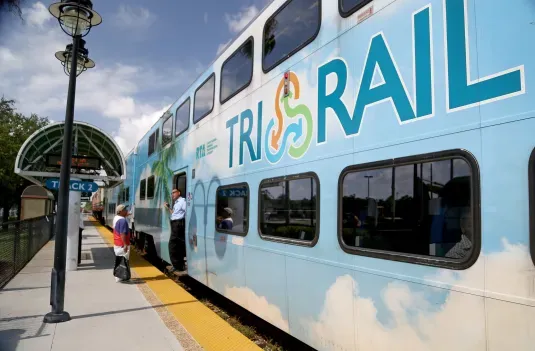
Choosing a place to rent in South or Northeast Florida often comes down to one practical question: how will I get to work? For people who work in the Broward–Palm Beach–Miami corridor, living near Tri-Rail stations in Deerfield Beach or Boca Raton can dramatically change daily life. By contrast, Palm Coast (Flagler County) offers quieter, more suburban living — but it’s a decidedly car-forward way of life. Below I break down the key trade-offs tenants should weigh when planning commutes, including travel times, frequency and last-mile options, costs, and lifestyle impacts.
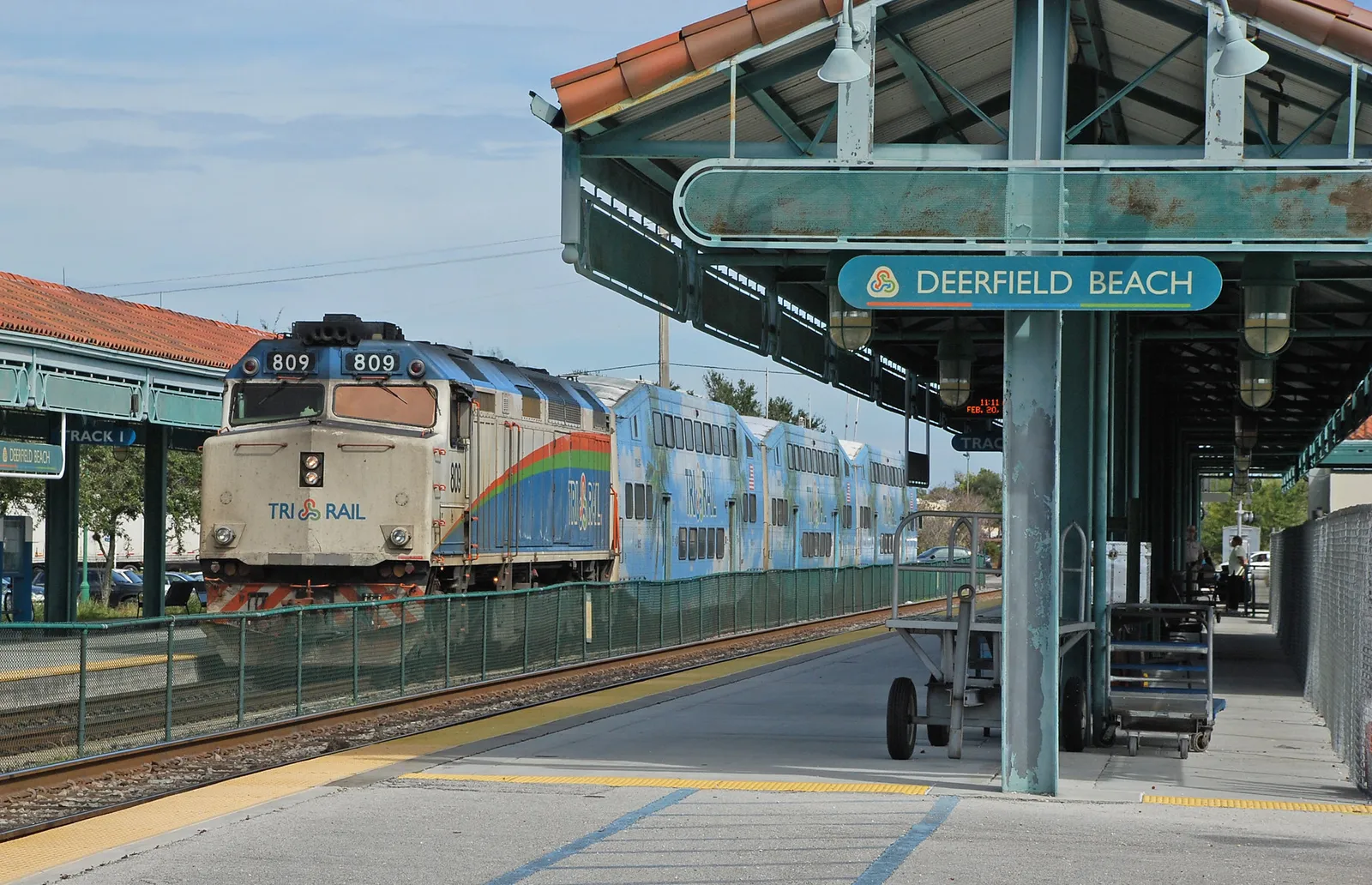
Tri-Rail neighborhoods (Deerfield Beach / Boca Raton): transit-oriented commuting
If your job sits anywhere between West Palm Beach and Miami, living near a Tri-Rail station (for example, Deerfield Beach or Boca Raton) makes weekday commuting much more predictable than driving I-95 during rush hour. Both Deerfield Beach and Boca Raton have active Tri-Rail stations with commuter parking, ticket vending, and connections to local buses or shuttles. The Tri-Rail network runs frequent peak-period services that link Broward and Palm Beach County employment centers and transit hubs.
Practical advantages:
Predictable Travel Times: Why Trains Often Beat I-95 for Reliability
For many South Florida residents and commuters, getting from Point A to Point B is often a test of patience. Interstate 95, along with the region’s major surface roads, regularly experiences heavy congestion—especially during morning and afternoon peak periods. For people whose schedules demand accuracy and consistency, this can create real challenges. That is where regional rail shines.
Why Predictable Travel Time Matters
When you’re heading to a business meeting, starting a work shift, making a medical appointment, or dropping off/picking up children, the one variable you don’t want is uncertainty on the road. Traffic incidents, weather, construction, and bottlenecks can turn a simple 20-minute drive into 45 minutes—or longer—without warning.
Predictable travel is more than a convenience. It becomes a tool for planning your life reliably and reducing the stress that comes from running late or padding every appointment with “traffic buffer time.”
How Trains Reduce Uncertainty
Rail systems operate on dedicated tracks, separate from car traffic. This prevents the kind of sudden delays common on I-95, U.S. 1, and other major arterials. Trains typically maintain consistent schedules throughout the day because they’re not affected by:
Rush-hour congestion
Traffic accidents
Lane closures or road construction
Weather-induced slowdowns
Holiday surges on major highways
For commuters, this reliability means you can plan arrival times more precisely and avoid the unpredictability of road travel.
Ideal for Time-Sensitive Daily Life
People with structured schedules benefit the most:
Shift workers: Reliability ensures you clock in on time, even for early-morning or late-night shifts.
Professionals: Scheduled meetings require punctuality, especially when clients or teams are waiting.
Parents: Consistent travel times help with picking up children from school, activities, or childcare.
For many households, predictable transport can be the difference between a calm routine and a daily scramble.
Consistency Reduces Stress and Saves Time
Studies have shown that uncertainty in commuting—not just the commute length itself—is one of the biggest contributors to transportation stress. With a reliable train schedule, commuters reclaim mental bandwidth and can plan their day more confidently. Many travelers value this as highly as the time savings itself.
Park-and-Ride Convenience: How Station Parking Makes Car+Train Commutes Work
For South Florida residents who live a few miles away from a Tri-Rail station, the commute equation often comes down to one question: Is it easy to combine driving with taking the train? Thanks to widespread park-and-ride options, the answer is usually yes.
Why Park-and-Ride Matters
Many commuters don’t live close enough to walk or bike to a station, but still want the predictability, cost savings, and reduced stress of taking the train. Park-and-ride bridges that gap by offering convenient parking right at the station, often free or at a low cost. This allows travelers to handle the “first few miles” by car and the longer, congestion-prone portion of the trip by rail.
Free or Low-Cost Parking Options
A key benefit of the Tri-Rail system is that many of its stations include large parking lots that are either free or inexpensive for daily riders. This makes it practical for commuters to:
Drive a short distance to the station
Park safely
Transfer to a train without worrying about traffic or expensive urban parking
Reverse the process just as easily at the end of the day
The result is a hybrid commute that optimizes the strengths of both transportation modes.
More Flexibility for Different Lifestyles
Park-and-ride supports a wide range of commuting patterns:
Suburban workers heading to dense job centers: Avoid downtown parking fees and congestion.
Shift workers: Benefit from consistent access during early or late hours when buses run less frequently.
Families: Simplify school drop-offs or household errands by using the car for local tasks and the train for longer trips.
Because the parking is typically straightforward and accessible, it enables people who don’t live near transit stops to still take advantage of rail reliability.
Supporting Stress-Free, Predictable Travel
When combined with the train’s stable schedule and ability to bypass I-95 traffic, park-and-ride setups provide a smooth and predictable routine. Commuters can time their mornings with confidence, avoid circling for parking downtown, and enjoy a more relaxed end to each day.
Last-Mile Solutions: How Transit Connections Make Train Travel More Practical
A well-designed rail system isn’t just about the train itself—it’s about what happens before you board and after you arrive. For many commuters, the “last mile” between a station and their final destination determines whether transit is a viable daily option. In South Florida, improved connections around Tri-Rail stations are making car-free or car-light travel more practical than ever.
Seamless Connections With Local Transit
Across Palm Beach County, Tri-Rail stations are integrated with local bus services such as Palm Tran, offering frequent and affordable options to reach workplaces, schools, shopping areas, medical centers, and residential neighborhoods. Coordinated routes and schedules allow riders to step off a train and onto a bus with minimal waiting.
This connectivity expands the reach of rail, enabling commuters who don’t live near a station—or whose jobs aren’t within walking distance—to rely on transit throughout the day.
Private Shuttles Fill Key Gaps
In addition to public transit, many job centers and institutions operate private shuttle routes to and from nearby train stations. Office parks, universities, hospitals, and corporate campuses often fund these services to attract workers, reduce parking demand, and ease congestion around their properties.
For employees, these shuttles offer:
A predictable, no-cost link from station to workplace
Scheduled drop-offs timed with train arrivals
Reduced reliance on personal vehicles
Growing Options: Ride-Hailing, Bikes, and Scooters
The rise of flexible mobility solutions adds even more last-mile choices. In many station areas, commuters can find:
Ride-hailing services such as Grab, Uber, or Lyft for quick, on-demand trips
Bike-share programs for short, efficient connections
E-scooters in select urban districts
Bike racks and secure bike parking for those who prefer to bring their own bicycle
Together, these options reduce the “distance problem” that previously discouraged many from considering transit.
Why This Matters for Daily Commuting
Reliable last-mile links make taking the train not just possible, but convenient. They allow commuters to:
Skip the stress of parking in dense downtowns
Reach destinations without needing a second car
Mix multiple modes of transportation depending on the day’s schedule
Enjoy consistent, predictable travel even in congested regions
As transit agencies and local partners continue improving these networks, using rail for daily travel becomes increasingly realistic for more residents.
Limitations and things to budget for:
Schedule Planning: Why Understanding Tri-Rail’s Timetable Matters for Everyday Commuting
Tri-Rail offers a reliable alternative to driving on congested South Florida highways, especially during rush hour. But like any transit system, its schedule varies throughout the day—and smart planning is key to making it work smoothly for your lifestyle.
Peak-Hour Frequencies Support Commuters
During weekday morning and afternoon peak periods, Tri-Rail trains run more frequently to support workers, students, and others who travel on predictable schedules. This makes the system especially attractive for:
Traditional office or campus commutes
Shift workers with early-morning starts
Travelers heading to major hubs like downtowns, airports, and hospitals
Peak-time service ensures short waits and flexible departure options, reducing the stress of timing every trip perfectly.
Reduced Service During Late Nights and Weekends
Outside of the busiest hours, however, Tri-Rail’s schedule thins out. Late evenings, midday periods, and weekends typically have fewer trains, sometimes with gaps long enough that riders need to plan carefully.
This reduced frequency can affect:
Night-shift workers
People with late dinners, events, or social activities
Weekend travelers who rely on transit instead of driving
Because off-peak service is less robust, commuters who depend on the system full-time may need a backup plan.
The Role of Cars and Rideshare as Complementary Options
For many riders, the most practical solution is a blended mobility strategy. While Tri-Rail handles the core of the commute during peak hours, a car, rideshare service, or car-share option may be needed for:
Late-night returns
Unexpected schedule changes
Weekend errands or appointments
This flexibility ensures that transit remains useful even when the timetable doesn’t perfectly match your routine.
Planning Tools Make It Easier
Tri-Rail provides updated schedules, trip planning tools, and real-time train information online and through mobile platforms. Reviewing these before your first trip—or before making changes to your routine—helps avoid surprises and keeps your commute running smoothly.
Balancing Convenience With Reliability
By understanding when Tri-Rail is most frequent and when service slows down, commuters can confidently balance the convenience of rail travel with occasional supplemental transportation. With the right planning, the system can fit seamlessly into a wide range of lifestyles.
First/Last Mile Cost & Time: The Hidden Factors That Shape a Realistic Tri-Rail Commute
Taking Tri-Rail can significantly reduce stress, avoid I-95 congestion, and offer predictable travel times. But if you don’t live within walking distance of a station, it’s important to factor in the “first mile” (getting from home to the station) and the “last mile” (reaching your final destination). These steps can add time, cost, and complexity that affect your overall commute experience.
Driving to the Station: Time, Parking, and Predictability
For many riders, the most convenient first-mile solution is driving to a Tri-Rail station. Most stations offer free or inexpensive parking, making this a practical option. However, drivers should be aware of:
Extra travel time to navigate local roads
Possible wait times for traffic signals during peak hours
Parking availability, which can vary by station and time of day
Popular lots that fill early, especially at high-demand stations near major job centers or transfer points
If your routine requires parking, it’s wise to leave a buffer—both for the road portion of the trip and for finding a parking space.
Buses, Shuttles, and Other Transit Options
If you prefer not to drive, local transit providers such as Palm Tran, Broward County Transit, or Miami-Dade Transit operate routes that connect neighborhoods to stations. While typically low-cost, this option may:
Add additional time due to bus schedules and routing
Require early departures to ensure you meet your train
Vary in frequency depending on the day and location
Private employer shuttles and community circulators may ease the last mile but still require timing coordination.
Rideshare as a Flexible but Costlier Option
Ride-hailing services like Uber, Lyft, or local operators offer convenience—especially early mornings, late nights, or when parking lots are full. However, this flexibility comes with higher variable costs influenced by:
Distance from your home to the station
Surge pricing during peak demand
Wait times for a driver during quieter hours
For some commuters, rideshare works best as an occasional backup rather than a daily solution.
Why These Factors Matter
Even when the train portion of your commute is predictable, the first and last miles can significantly influence your total travel time and monthly commuting budget. Understanding these pieces helps you decide whether rail fits your lifestyle—or how to make it fit with the right combination of transportation modes.
Smart Planning Makes the System Work Better
Commuters often find success by:
Testing different stations to find the best parking availability
Comparing drive-to-station time with bus or shuttle options
Leaving an early cushion until you learn typical conditions
Keeping rideshare as a backup for days with unusual schedules
With realistic planning, the first and last miles become manageable parts of a smooth, reliable commute.
For tenants: living a short walk or a short rideshare from Boca or Deerfield stations makes a rail commute realistic and attractive — especially if you value less time sitting in traffic and fewer wear-and-tear miles on your car.
Palm Coast: car-forward living with limited commuter rail access
Palm Coast, located in Flagler County on Florida’s northeast coast, is a fast-growing community known for its suburban neighborhoods, quiet coastal lifestyle, and relative affordability compared with major metro areas. But when it comes to long-distance commuting—especially to South Florida’s employment hubs—geography becomes a major constraint.
Far Beyond the Tri-Rail Service Area
Tri-Rail’s commuter rail network serves Miami-Dade, Broward, and Palm Beach counties, providing an alternative to the heavily congested I-95 corridor in South Florida. However, Palm Coast sits far north of Tri-Rail’s northernmost station.
This means residents of Palm Coast do not have practical access to South Florida’s rail network. Anyone traveling to job centers in West Palm Beach, Boca Raton, Fort Lauderdale, or Miami would need to drive to the region first—long before any rail connection becomes available.
A Substantial Drive: 3.5–4 Hours Each Way
The distance between Palm Coast and South Florida job markets is significant. Traveling by car from Palm Coast to West Palm Beach or Boca Raton typically takes 3.5 to 4 hours one way, depending on the specific route, highway conditions, and time of day.
This type of commute introduces major challenges:
Daily commuting becomes impractical due to the long travel time.
Even occasional trips require extensive planning.
Traffic congestion near Daytona Beach, Orlando’s outskirts, or South Florida urban areas can add uncertainty to the total travel time.
Compared with the fast, predictable Tri-Rail service within South Florida, the fundamentals of long-distance driving make cross-region commuting difficult.
Intercity Buses Exist—but Are Slow
Palm Coast residents do have access to intercity bus options, but these services are designed for long-distance travel rather than daily commuting. They often involve:
Indirect routing
Multiple stops
Longer door-to-door travel times than driving
Limited departure frequencies
As a result, intercity buses are not competitive with the speed of South Florida rail systems or even personal vehicles.
Local Transit in Flagler County: Limited and Demand-Based
Flagler County’s local transit framework is very different from the dense, frequent networks seen farther south. Flagler County Public Transportation offers:
Demand-response service (reservation-based trips)
Limited fixed-route options
Primarily local coverage, not designed for intercity commuting
This system is intended to support essential local mobility—shopping, medical appointments, community services—not long-distance, time-sensitive job commutes into Broward or Palm Beach counties.
Not a Substitute for Regional Rail
Because Palm Coast lacks frequent bus services, commuter rail, or express regional transit links, it cannot function as a feeder community for South Florida employment centers. The distances involved—including needing hours of highway travel before ever reaching Tri-Rail territory—make rail-style commuting impossible in day-to-day life.
Practical Conclusion
For most Palm Coast residents, employment must be centered locally or within reasonable distances in Flagler, Volusia, or St. Johns counties. While South Florida remains accessible for occasional trips, it is not a daily commuting market for Palm Coast—by car, bus, or rail.

Practical advantages:
Lower Cost Rentals & More Space: Why Palm Coast Appeals to Families and Remote Workers
Palm Coast, located in Flagler County on Florida’s northeast coast, has become an increasingly attractive option for renters seeking more space without the high costs found in South Florida’s coastal markets. As housing pressures rise from Miami through Boca Raton and up to West Palm Beach, many households are looking north for affordability—while still staying within reach of Florida’s amenities and lifestyle.
More Square Footage for the Same Budget
One of Palm Coast’s strongest advantages is simple: a lower cost per square foot. Compared with dense coastal neighborhoods in Broward and Palm Beach counties—where land values, insurance, and construction costs run high—Palm Coast’s rental markets often deliver:
Larger living rooms and bedrooms
Extra bathrooms
Dedicated office or flex spaces
Garages, driveways, and yards
Modern layouts in newer single-family neighborhoods
This additional space is especially valuable for families who need room to grow, store belongings, or accommodate multiple household schedules.
A Natural Fit for Remote and Hybrid Workers
The remote-work era has changed the calculus of where people choose to live. For professionals whose jobs no longer require a daily commute, Palm Coast offers:
Quieter suburban streets
Access to parks, trails, and coastal outdoor activities
Larger homes suitable for home offices or studio space
More privacy and separation between work and home life
Instead of paying premium coastal rents for small apartments in South Florida, remote workers can secure spacious homes at significantly lower monthly costs.
Appeal to Families Seeking Stability and Quality of Life
Families are drawn to Palm Coast’s combination of affordability and lifestyle. The area provides:
Community-oriented neighborhoods
Access to Flagler County schools
Lower traffic volumes than major metro areas
Easier parking and less urban density
These factors create an environment that supports a calmer pace of life while still offering nearby beaches, local shopping, and regional employers in Flagler, Volusia, and St. Johns counties.
More Predictable Housing Budgets
With coastal South Florida rents influenced by tourism, seasonal demand, and limited land availability, prices can fluctuate quickly. Palm Coast, by contrast, tends to offer:
More stable rental pricing
Greater availability of single-family homes
Lower insurance and HOA cost pass-throughs in many neighborhoods
This stability helps renters plan long-term and reduces the financial strain often associated with living in high-demand coastal metros.
A Practical Alternative to High-Cost Coastal Cities
For people who prioritize space, comfort, budget certainty, or a remote-friendly lifestyle, Palm Coast delivers a compelling alternative to South Florida’s expensive coastal zones. While it may not offer the same transit access or nightlife as Miami or Boca Raton, it provides exceptional value for renters seeking room to breathe.
Car Convenience: Why Local Workers and Remote Professionals Benefit From Palm Coast’s Easy Mobility
Palm Coast offers a lifestyle built around convenience, space, and relaxed mobility—especially for residents who own a car and either work locally or work from home. Unlike dense South Florida coastal cities, where congestion, limited parking, and crowded transit systems shape daily routines, Palm Coast provides a quieter and more accessible environment for everyday travel.
Effortless Access to Beaches and Nature
One of Palm Coast’s biggest perks is its proximity to some of northeast Florida’s most scenic outdoor amenities. With a personal vehicle, residents can easily reach:
Flagler Beach and other quiet stretches of shoreline
Intracoastal Waterway parks, boat ramps, and trails
Nature preserves and conservation areas
Local fishing spots and waterfront paths
Because traffic volumes are much lower than in South Florida’s urban cores, these destinations are typically just a short, predictable drive away.
Less Congestion, Less Stress
While South Florida drivers often face gridlock on I-95 and packed east–west corridors, Palm Coast’s road network is simpler and calmer. Local mobility is generally characterized by:
Shorter travel times for errands or appointments
Easy street parking at parks, beaches, and shopping centers
Fewer major bottlenecks during normal hours
More predictable weekend traffic patterns
For residents accustomed to Miami, Fort Lauderdale, or Boca Raton congestion, the difference can feel dramatic.
Ideal for Remote Workers
Remote and hybrid workers gain even more benefits from Palm Coast’s car-friendly environment:
No daily commute means less wear on your vehicle
Quick access to cafés, coworking spaces, and waterfront viewpoints for a change of scenery
Freedom to travel mid-day when roads are quiet
More spacious homes, making remote work comfortable and stress-free
This flexibility allows remote professionals to enjoy the region’s amenities without navigating the crowding or parking constraints common in dense cities.
Convenience for Local Workers
For those employed in Flagler County—or nearby areas such as St. Augustine, Ormond Beach, or Daytona Beach—having a car ensures smooth travel between workplaces, schools, and shopping hubs. With fewer transit services and no commuter rail system, personal vehicles fill the gap efficiently and reliably.
A Quieter, More Comfortable Lifestyle
Palm Coast provides all the essentials—grocery stores, healthcare providers, recreation centers, and beaches—without the congestion or transit crowds found to the south. For residents with their own vehicles, this translates into:
A more relaxed daily routine
Faster access to community amenities
The freedom to explore the surrounding region on your own schedule
Whether you’re raising a family, building a remote-friendly lifestyle, or simply looking for quieter surroundings, Palm Coast’s car-convenience factor is a major advantage.
Limitations:
Daily Regional Commuting Is Unrealistic: Why Long-Distance Travel From Palm Coast to South Florida Doesn’t Work
Palm Coast offers a high quality of life, affordable housing, and a quieter coastal environment—but it is far removed from the major employment centers of South Florida. For people considering the area while holding jobs in Boca Raton, Delray Beach, Fort Lauderdale, or nearby cities, the reality is clear: daily regional commuting simply isn’t feasible.
A 3.5–4 Hour Drive—Each Way
Traveling from Palm Coast to South Florida requires a long trip down I-95 or Florida’s Turnpike. According to distance calculations and typical drive-time ranges, the journey from Palm Coast to Boca Raton or Fort Lauderdale generally takes 3.5 to 4 hours one way, and sometimes longer during peak periods or construction zones.
This means:
A round trip can exceed 7–8 hours per day
Traffic delays can create major unpredictability
Fatigue becomes a serious safety risk
Daily life becomes dominated by commuting rather than work or home
Even attempting such a routine for a short period places heavy strain on time, energy, and finances.
No Rail or Rapid Transit Options
Palm Coast is well north of Tri-Rail, Brightline, and all South Florida commuter rail systems. There is no direct rail line connecting Flagler County to Palm Beach, Broward, or Miami-Dade.
This eliminates the possibility of a train-based commute and leaves driving as the only direct option.
Intercity buses exist, but they:
Are far slower than driving
Involve limited schedules
Are not designed for daily work commutes
As a result, they provide no realistic alternative for South Florida employment.
Only Local or Remote Jobs Make Practical Sense
Given the distances involved, most Palm Coast residents work in:
Flagler County
Volusia County (Daytona Beach, Ormond Beach)
St. Johns County (St. Augustine)
For those working for South Florida employers, the arrangement is only sustainable if the position is:
Fully remote, or
Hybrid with infrequent onsite requirements
Anything requiring daily physical presence in Boca Raton, Delray Beach, or Fort Lauderdale simply does not align with the region’s geography.
Lifestyle and Productivity Considerations
Attempting a daily drive from Palm Coast to South Florida would disrupt nearly every part of normal life:
Limited time for family or personal activities
Higher vehicle wear-and-tear and fuel costs
Increased stress and health impacts
No buffer for emergencies or schedule changes
For most people, these consequences far outweigh any benefits of maintaining a job hundreds of miles away.
Practical Conclusion
Palm Coast is an excellent place to live—but only if your work life matches the region’s geography. For daily employment based in South Florida, relocating closer or shifting to remote/hybrid work is the only viable long-term solution.
Fewer Alternatives to Driving: Transportation Realities for Palm Coast Residents
Palm Coast offers a relaxed coastal lifestyle, ample housing space, and access to nature, but its transportation options are limited compared with South Florida’s urban centers. For residents needing to travel beyond the city, the lack of direct regional rail or frequent intercity passenger rail service shapes daily life and long-distance travel planning.
Dependence on Private Vehicles
Because Palm Coast is not served by Tri-Rail, Brightline, or other South Florida commuter rail lines, most trips outside the city rely on private cars. For many residents, driving is the simplest and fastest option for:
Commuting to nearby counties (Volusia, St. Johns)
Visiting medical, educational, or shopping centers
Weekend or occasional trips to South Florida destinations
Owning a car is essentially a necessity for most households, and travel schedules must align with road traffic patterns.
Intercity Buses Are Limited and Slow
While intercity bus services do connect Palm Coast to other parts of Florida, these options are generally:
Less frequent than regional rail schedules in South Florida
Slower than driving due to multiple stops and indirect routes
Not ideal for time-sensitive travel, such as business appointments or daily commuting
As a result, buses may be viable for occasional trips but not for regular or predictable long-distance travel.
Multi-Leg Travel Options Exist, But Are Inconvenient
For residents without a car, reaching major urban areas often requires a combination of modes, such as:
Taking a local or demand-response bus to a larger city hub
Following up with a taxi or rideshare for the “last mile”
Coordinating schedules across providers
These multi-leg trips add time, cost, and complexity, making them impractical for daily commutes or urgent travel needs.
Impact on Lifestyle and Work Choices
The reliance on personal vehicles and limited transit options affects:
Employment location decisions: Most residents must work locally or in neighboring counties.
Remote work feasibility: Access to South Florida offices is possible primarily via occasional trips.
Travel planning: Long-distance trips require careful timing and coordination, with little flexibility.
Unlike South Florida’s coastal counties—where trains and frequent bus lines provide alternatives to driving—Palm Coast residents must plan around a car-centric transportation system.
Living in Palm Coast offers many quality-of-life benefits, but the city’s transportation landscape is heavily dependent on driving. For long trips, residents must rely on private cars, limited intercity buses, or complex multi-leg journeys, making flexibility and planning essential for those who travel beyond Flagler County.
Hybrid approaches & work patterns to consider
Live Near a Station if You Must Be in South Florida Frequently
For residents whose jobs require regular presence in the Miami–Fort Lauderdale–West Palm Beach corridor, choosing a home near a Tri-Rail station can make a significant difference in both commute time and quality of life. While rents near stations may be slightly higher, the benefits often outweigh the extra cost.
Time Savings and Predictability
Tri-Rail offers a reliable alternative to I-95, which is notoriously congested during peak hours. By living within walking or short-driving distance of a station, commuters can:
Avoid daily traffic stress
Predict arrival times with confidence, important for meetings, shifts, and appointments
Reduce overall commute time, since trains bypass highway bottlenecks
This predictability is particularly valuable for professionals with tight schedules or family responsibilities.
Reduced Dependence on a Car
Living near a station allows commuters to minimize the time spent behind the wheel. Parking is usually available at stations, and first/last-mile options such as local buses, ride-hailing, or biking make the train a convenient alternative to city driving. Less time in traffic means less fatigue and a lower risk of commute-related stress.
Financial Trade-Offs
While station-adjacent rentals may carry a slightly higher monthly cost, commuters often find the trade-off worthwhile. The time saved, reduced vehicle wear-and-tear, and lower stress levels can offset higher rent and parking fees. For many, the benefits of reliability and convenience justify the investment.
Lifestyle Benefits
Living near a Tri-Rail station also offers additional lifestyle advantages:
Access to urban amenities such as shops, restaurants, and entertainment
Flexibility for social or leisure trips without the hassle of driving
Peace of mind knowing your commute is less vulnerable to unexpected delays
For anyone whose job or commitments require frequent travel throughout South Florida, renting near a Tri-Rail station is a practical decision. The combination of predictable travel, time savings, and reduced stress can make slightly higher rent a worthwhile investment in both convenience and quality of life.
Consider a “Two-Home” or Week-Split Approach for South Florida Commuters
For workers whose jobs require frequent presence in the Miami–Fort Lauderdale–West Palm Beach corridor, but who prefer to live farther north for family, lifestyle, or space reasons, a “two-home” or week-split strategy can be a practical solution. While this approach carries added cost, it allows commuters to balance professional obligations with personal priorities.
How the Week-Split Strategy Works
The basic concept involves maintaining:
A small rental or condo near a Tri-Rail station for weekday use
A larger home farther away, such as in Palm Coast, Flagler County, or other northern locations, for weekends
During the workweek, the commuter enjoys reliable, stress-free access to the South Florida employment corridor via Tri-Rail, avoiding the unpredictability and fatigue of daily long-distance driving. On weekends, the commuter returns to a more spacious home environment for family time, outdoor activities, or personal projects.
Benefits of a Two-Home Approach
Reduced commute stress: By staying close to a train station during the workweek, employees minimize the risks and delays associated with long drives.
Predictable weekday schedule: Living near Tri-Rail allows for consistent arrival and departure times, important for meetings, shifts, or childcare routines.
Lifestyle balance: A larger home farther north provides more living space, privacy, and access to nature, which can be important for families or remote work.
Flexibility for travel: With two locations, commuters can plan trips or social engagements more efficiently, splitting their time to suit both work and personal life.
Considerations and Costs
Financial impact: Maintaining two residences is inherently more expensive, including rent or mortgage, utilities, and furnishing both spaces.
Logistics: Commuters must plan carefully to transport clothes, work materials, and other necessities between homes.
Lifestyle trade-offs: The approach requires adjusting to two living spaces and can be challenging for those who prefer a single, stable home base.
Practical Use Cases
This strategy is most feasible for individuals or families who:
Have a high-value job in South Florida that requires in-person presence
Prioritize space, schools, or lifestyle in northern Florida communities
Can afford the additional costs of dual residences
Value the reduction in daily driving time and associated stress
A “two-home” or week-split arrangement is not for everyone, but it can provide a practical compromise for workers balancing South Florida professional demands with northern Florida lifestyle priorities. When managed carefully, this approach allows commuters to enjoy the best of both worlds: efficient access to work during the week and spacious, relaxed living on weekends.
Remote or Hybrid Work Makes Palm Coast an Attractive Option
For professionals who have the flexibility to work remotely or on a hybrid schedule, Palm Coast offers a compelling mix of affordability, space, and lifestyle benefits. While the city is located far from South Florida’s major employment centers, modern work arrangements allow residents to enjoy its quieter pace without sacrificing career opportunities.
Lower Cost of Living
Palm Coast provides more living space for the same budget compared with coastal South Florida cities. Renters and homeowners can often secure:
Larger homes with multiple bedrooms and offices
Yards or outdoor spaces for family or hobbies
Garages, storage, and other amenities often unavailable in high-density urban areas
For remote workers, these advantages translate into comfortable, functional home environments for work and family life.
Quieter, Less Congested Lifestyle
Unlike Miami, Fort Lauderdale, or Boca Raton, Palm Coast features:
Low traffic volumes and predictable local roads
Access to beaches, parks, and trails without the crowds
A relaxed community atmosphere conducive to focus and well-being
For hybrid workers, this means productive workdays without the stress of daily commuting, combined with quality-of-life perks during off hours.
Balancing Occasional Long Commutes
While Palm Coast is too far for daily commutes to South Florida job centers, remote and hybrid schedules allow flexibility. Workers can plan periodic trips to Miami, Fort Lauderdale, or West Palm Beach while enjoying most days from home. This approach enables residents to:
Avoid the fatigue and time lost in long daily drives
Maintain connections with employers, clients, or teams in South Florida
Optimize work-life balance by blending professional obligations with local living benefits
Ideal for Families and Remote Professionals
Families and remote professionals benefit particularly from Palm Coast’s combination of space, affordability, and lifestyle amenities. The city supports productive home offices, access to outdoor recreation, and community-oriented living—all without sacrificing the occasional in-person work requirement.
For those whose roles allow remote or hybrid work, Palm Coast presents a smart alternative to high-cost South Florida neighborhoods. By balancing occasional long commutes with the city’s lower cost of living and relaxed pace, residents can enjoy both professional productivity and personal quality of life.
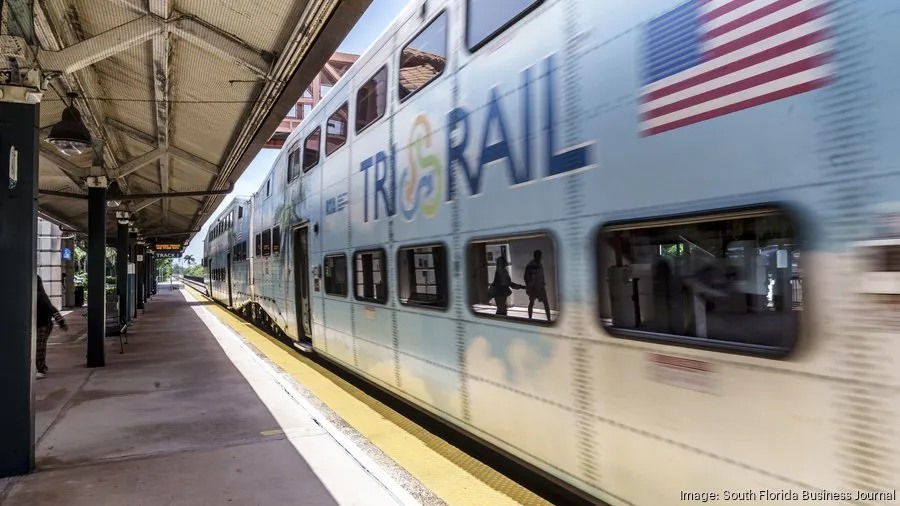
Intercity Alternatives: Brightline Complements Tri-Rail—but Not for Palm Coast
For travelers and commuters in South Florida, Brightline offers a higher-speed intercity rail option that complements the regional Tri-Rail system. While Brightline provides a fast and convenient way to move between Miami, Fort Lauderdale, and West Palm Beach, it does not extend to Palm Coast, limiting its usefulness for residents in northeast Florida.
Brightline’s Role in South Florida Travel
Brightline operates as a premium, higher-speed rail service connecting key South Florida cities. Its advantages include:
Faster travel times compared with traditional commuter or intercity buses
Modern amenities, including comfortable seating and Wi-Fi
Reliable schedules, avoiding highway congestion and traffic unpredictability
For trips within its service corridor, Brightline can significantly reduce travel time and stress, making it a popular option for business or leisure travelers.
Complementing Tri-Rail
Brightline works alongside Tri-Rail in some areas:
Longer trips: Brightline’s higher speed is ideal for passengers traveling end-to-end along the South Florida corridor
Feeder connections: Passengers can transfer to Tri-Rail to reach intermediate stations not served directly by Brightline
Flexibility: Combining the two systems allows for customized travel depending on schedule and destination
This combination of services is particularly valuable for South Florida residents and visitors seeking convenience and efficiency without relying on highways.
Limitations for Palm Coast Residents
Despite its benefits in South Florida, Brightline does not extend north to Palm Coast or Flagler County. This means:
Residents must rely on cars, intercity buses, or multi-leg travel for long-distance trips
Daily commuting to South Florida employment centers remains impractical
Brightline is useful only for occasional trips when traveling to stations within its corridor
While Brightline is a convenient intercity option, Palm Coast residents cannot use it as a daily commuting solution or as a substitute for local car travel.
Using Brightline Strategically
For trips that start or end in Miami, Fort Lauderdale, or West Palm Beach, Brightline remains a valuable tool:
Quick intercity hops for meetings or weekend travel
Alternative to congested highways
Comfortable, productive travel environment
By pairing Brightline with local transportation options or Tri-Rail, South Florida travelers can optimize speed, reliability, and convenience—though Palm Coast remains outside the network.
Bottom line: choose based on the commute you actually need, not the commute you’d like
Prioritize Rentals Near Tri-Rail for Daily Reliability in South Florida
For workers whose jobs are located in the Broward–Palm Beach–Miami corridor, daily commuting can quickly become stressful and unpredictable. Congestion on I-95 and other major arteries often leads to long, variable drive times. For those who value reliability, predictability, and reduced stress, renting near a Tri-Rail station is a practical choice.
The Value of Station-Proximate Rentals
Living within walking distance or a short drive from a Tri-Rail station—such as in Boca Raton, Deerfield Beach, or Delray Beach—offers several advantages:
Time savings: Trains bypass highway congestion, making travel times more consistent.
Reduced stress: Commuting by rail eliminates the fatigue associated with stop-and-go traffic.
Predictable schedules: Tri-Rail provides reliable peak-hour service, which is crucial for meetings, work shifts, or childcare routines.
While rent near stations may be slightly higher than in other neighborhoods, the trade-off for convenience and reliability often justifies the cost.
Optimizing Daily Commutes
Renters near stations can combine Tri-Rail with other first/last-mile options:
Short drives to station parking lots (often free or low-cost)
Ride-hailing, biking, or scooters for last-mile connections
Local bus routes that link nearby neighborhoods with stations
This flexibility allows commuters to avoid the unpredictability of congested roads and focus on productive or restful travel time.
Why It Matters
Choosing a rental near Tri-Rail is especially important for:
Professionals with time-sensitive schedules
Shift workers who need reliable early or late departures
Families managing school and activity pickups
By prioritizing accessibility to rail, renters can reduce commute-related stress while preserving personal time and energy for work and life outside the office.
If your work demands daily presence in the South Florida corridor, proximity to a Tri-Rail station is a strategic investment. While slightly higher rent may be involved, the gains in time, predictability, and reduced driving stress make station-adjacent rentals a smart choice for a smoother, more reliable commute.

Palm Coast: Affordable Space and Coastal Living—With a Car Required
Palm Coast, located in Flagler County on Florida’s northeast coast, offers a unique blend of affordability, spacious housing, and a quieter coastal lifestyle. For those who can work locally or remotely, it presents an attractive alternative to crowded South Florida markets. However, living in Palm Coast comes with trade-offs—primarily a reliance on personal vehicles and the absence of regional rail for daily commuting.
Why Palm Coast Appeals
Residents are drawn to Palm Coast for several lifestyle advantages:
Lower rents and cost of living: Compared with Miami, Boca Raton, or Fort Lauderdale, Palm Coast offers more square footage and amenities for the same budget.
Spacious homes: Larger layouts, yards, and garages make it ideal for families or remote workers needing home offices.
Quieter coastal environment: Less congestion, fewer crowds, and proximity to beaches and nature contribute to a relaxed pace of life.
These features make Palm Coast especially appealing to remote professionals, hybrid workers, and families seeking both affordability and quality of life.
Transportation Realities
Unlike South Florida, Palm Coast is not served by Tri-Rail, Brightline, or frequent intercity passenger rail. As a result:
Car ownership is essential: Most errands, work trips, and local travel require a personal vehicle.
Daily commuting to South Florida is impractical: Long drives of 3.5–4 hours each way make rail-free commuting to Boca Raton, Fort Lauderdale, or Miami unrealistic.
Limited public transit: Local Flagler County services primarily consist of demand-response and limited fixed routes, which cannot substitute for regional commuting.
Residents should plan daily life around vehicle access and road travel rather than relying on transit alternatives.
Ideal for Flexible Work Arrangements
Palm Coast works best for those who can schedule most of their work remotely or locally, allowing them to take advantage of the city’s space, affordability, and lifestyle without enduring long commutes. Occasional trips to South Florida are feasible by car, but daily presence in the southern employment corridor is not realistic.
Palm Coast offers a compelling option for those prioritizing space, lower costs, and a calm coastal lifestyle, but success in this location requires accepting car dependence and understanding that regional rail is not a viable daily commuting option. For residents with flexible work arrangements, the trade-offs are often well worth the benefits of a quieter, more spacious environment.
Sources:
Palm Beach MPO
TravelmathFlagler County
Local market comparisons and regional housing data.
Local mobility patterns and regional transportation comparisons.
Travelmath
Flagler County
Local housing and lifestyle comparisons; remote work trends in northeast Florida.
Condé Nast Traveler
Tri-Rail — Boca Raton station (South Florida Regional Transportation Authority). tri-rail.com
Tri-Rail — Deerfield Beach station (South Florida Regional Transportation Authority). tri-rail.com
Tri-Rail system map and service overview. tri-rail.com
Travel distance and driving time estimates (Palm Coast ↔ Boca Raton / West Palm Beach). Travelmath+1
Flagler County — Public Transportation overview (Flagler County official site). Flagler County
Brightline / intercity rail context (coverage and role in South Florida travel). Condé Nast Traveler