HOA/condo approvals: average timelines and common snags—Boca & Deerfield associations vs. Palm Coast HOAs
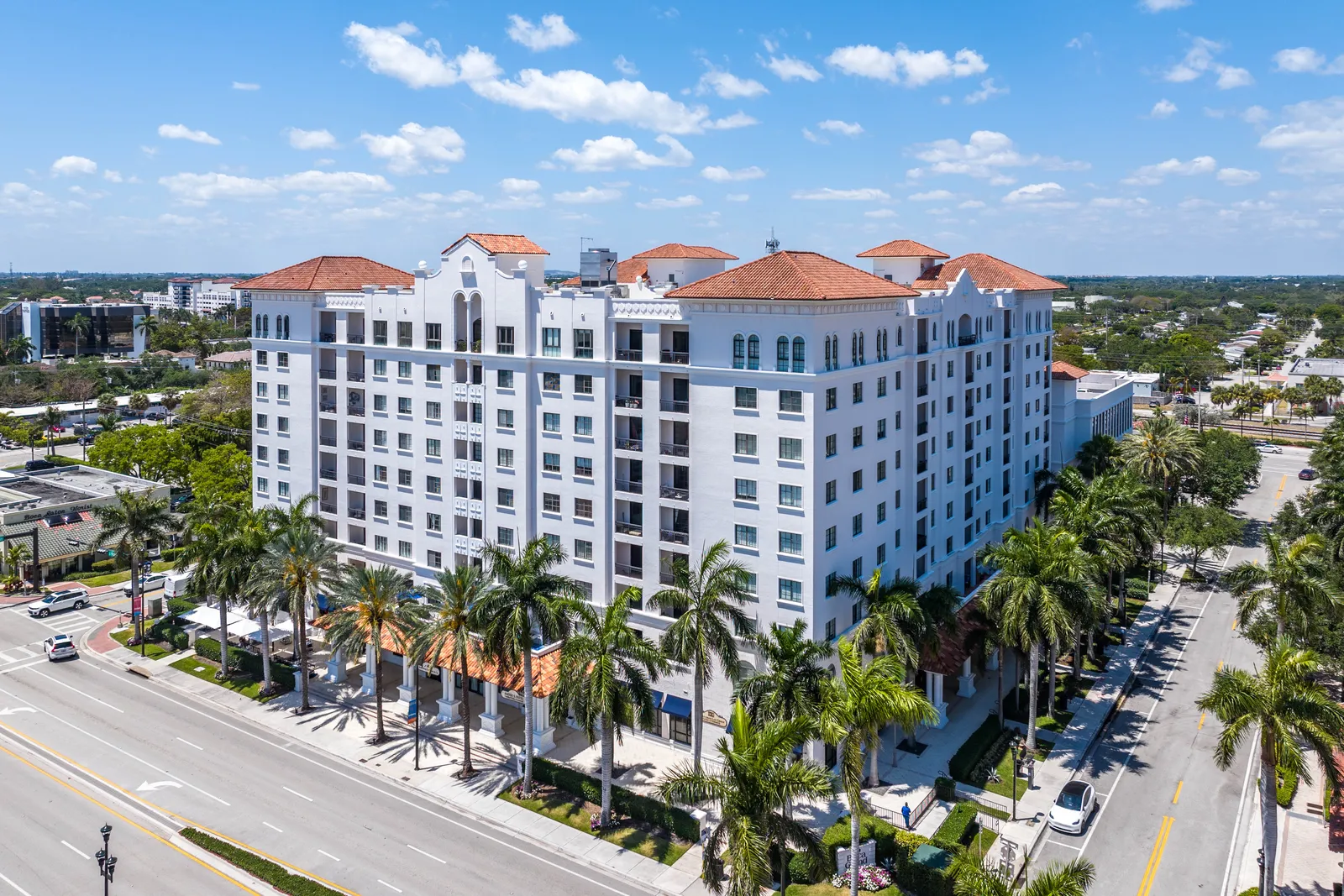
When you buy, rent, or apply to change the exterior of a unit in Florida, associations and condo boards typically require a formal approval process. How long that takes — and what goes wrong most often — depends less on the city name and more on three things: (1) the community’s governing documents and application rules, (2) whether a professional management company runs day-to-day admin, and (3) the association’s calendar (how often the board meets). Below is a practical, street-level comparison between higher-turnover coastal markets like Boca Raton and Deerfield Beach and generally more suburban/municipal Palm Coast HOAs.
Typical timelines (what to expect)
Rule of Thumb for Florida Association Approvals: 2–6 Weeks
When buying, renting, or submitting an architectural change request in a Florida community governed by a homeowners association (HOA) or condominium association, one question always comes up: How long will the approval take? While every association has its own bylaws and workflow, there is a reliable guideline most applicants can use.
Typical Timeline: 2–6 Weeks
A practical rule of thumb for association approvals in Florida is 2–6 weeks from the date your application is considered complete. This range covers the variety of internal processes used by HOAs and condo boards, from administrative intake to full board review.
Why Many Associations Cite “30 Days”
Most Florida associations include a formal review window of up to 30 calendar days in their governing documents. This doesn’t necessarily mean it will take 30 days—only that the board has the legal authority to use that much time.
Common reasons associations set a 30-day window:
Mailing and document handling: Some applications must be mailed to board members or management offices, especially in older or self-managed communities.
Review and verification: Background checks, income verification, references, or additional documentation may take several days.
Scheduling a board vote: If the governing documents require a formal vote (often at a scheduled meeting), the association must align the application with its meeting calendar.
Legal buffer: Boards prefer reserving the full 30 days in case of delays; it protects them from claims of untimely processing.
Realistic Turnaround for Most Applicants: 2–4 Weeks
Although the bylaws often allow 30 days, actual turnaround is usually faster when the application packet is complete. Most management companies process routine approvals within 2–4 weeks unless complications arise.
Factors that speed things up:
Fully completed forms
Clear copies of IDs and supporting documents
Timely background check clearance
No pending violations or architectural complications
Factors that cause delays:
Missing documents
Out-of-state background check delays
Seasonal board schedules
Complex architectural review requests
Why Some Applications Stretch to 5–6 Weeks
While uncommon, the longer end of the 2–6 week range applies when:
The board meets monthly and requires meeting-based approval
Architectural requests need third-party review (engineer, ARC committee, or master association)
There are multiple layered approvals (HOA + condo + master association)
Applicants must redo portions of the packet
If your application is complete and the community is professionally managed, expect 2–4 weeks. But always allow for the full 30-day association window — and occasionally up to 6 weeks in communities with layered approvals or slower board cycles.
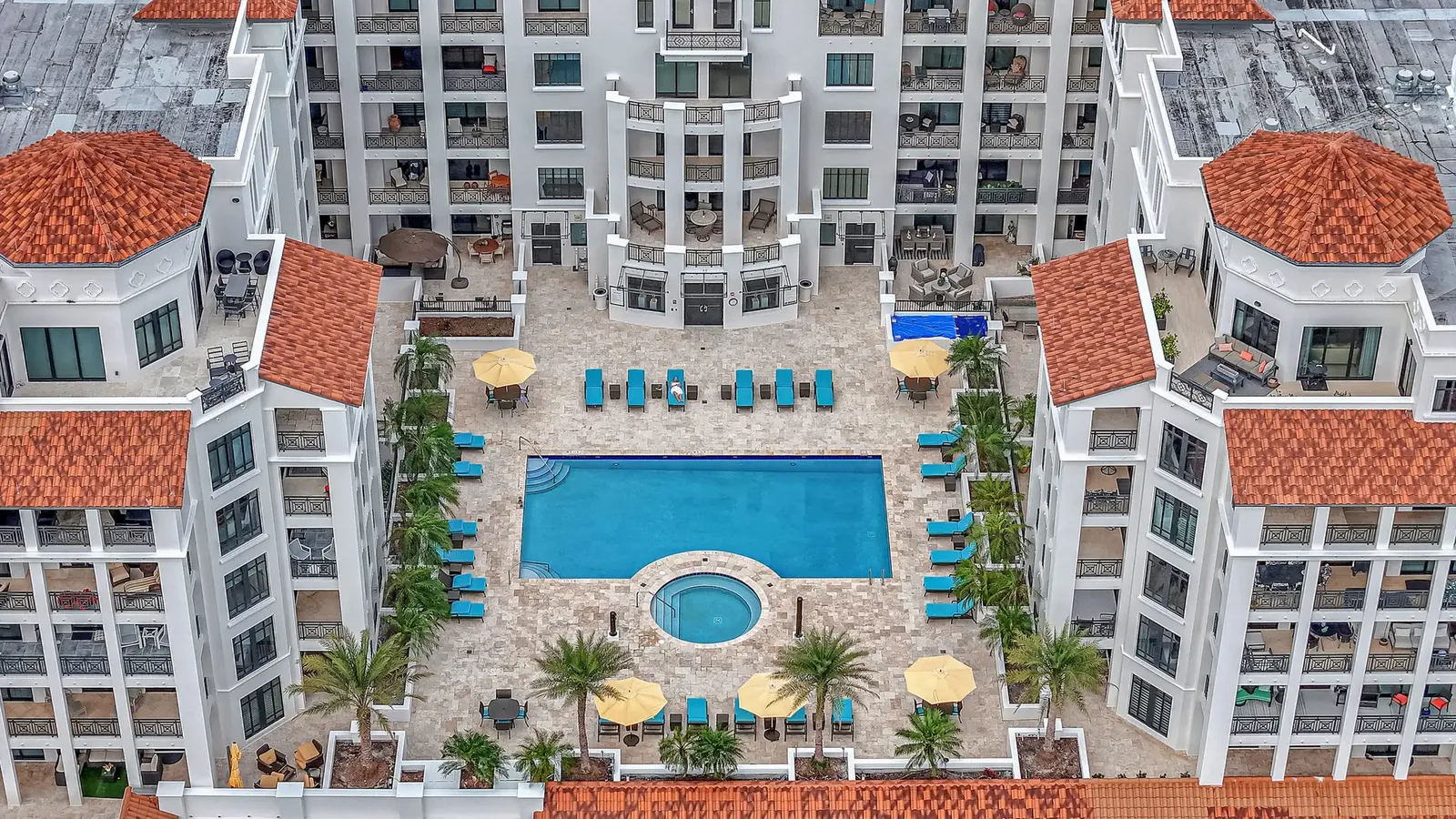
Faster When Managed: Why Professionally Managed Communities Process Applications More Quickly
In Florida’s busier association markets—especially in places like Boca Raton and Deerfield Beach, where high-rise condos are common—the speed of an application often depends on one variable: professional management. Whether it’s a staffed front desk, an on-site office, or a regional management company, having dedicated personnel dramatically accelerates the administrative side of purchase, rental, and architectural applications.
Why Managed Communities Move Faster
Professional management creates a faster, more structured workflow for screening and approvals. While the board may still have a formal meeting cycle for final votes, the steps leading up to that stage typically move much more quickly.
Key advantages include:
1. Rapid Intake and Completeness Checks
On-site staff and management companies review incoming applications within a few days—not weeks. They quickly verify that:
Required forms are filled out
Fees have been paid
IDs, supporting documents, and disclosures are included
Background checks have been authorized
This front-end triage prevents delays and avoids the back-and-forth that often slows self-managed associations.
2. Faster Background Screening and Verification
Professionally managed buildings often have established screening vendors and automated portals. This means:
Criminal and credit screenings begin immediately
Employment or landlord verifications are batched efficiently
Results arrive within standard turnaround times
In contrast, smaller self-managed communities may not process screenings until a volunteer board member is available.
3. Predictable Processing Times
In high-rise markets like Boca and Deerfield, management companies handle large volumes of applications. Over time, they establish predictable internal workflows, often completing the administrative portion within just a few days to a week.
This reduces surprises and gives buyers, renters, and realtors clearer expectations.
Board Approval Still Depends on Meeting Cycles
Even with fast administrative work, full approval may hinge on the next scheduled board or committee meeting—especially in condos where governing documents require a formal vote.
This is why professionally managed communities can be fast, but not necessarily instant:
Admin steps: fast, often within days
Screening: fast, depending on vendor turnaround
Board review/vote: may still require waiting for the next meeting
In many high-rise condos, boards meet monthly, so even efficient paperwork may still result in a 2–4 week total timeline.
Communities with on-site staff or professional management—such as those commonly found in Boca Raton and Deerfield Beach—can process the administrative portion of applications significantly faster than self-managed associations. While board votes may still require waiting for scheduled meetings, applicants benefit from rapid intake, screening, and coordination that keeps the approval process moving.

Palm Coast: How Municipal Permitting Influences HOA/ARC Timelines
In Palm Coast, property improvements that require HOA or Architectural Review Committee (ARC) approval often move quickly at the association level. Many local HOAs—especially master-planned communities common in Flagler County—can review and approve exterior-change requests within a standard 2–4 week window.
But when a project also requires city permits, the timeline no longer depends solely on the HOA. In Palm Coast, the municipal permitting process becomes a major factor and can add several weeks to the total project timeline.
Why City Permitting Matters in Palm Coast
Palm Coast has a structured, detail-oriented building department with well-defined rules for exterior construction, safety, and code compliance. When a project falls under the city’s jurisdiction, homeowners must complete both:
Association approval, and
City permitting and review
The HOA’s approval alone is not permission to start work when the project requires municipal oversight.
Examples of Projects That Typically Require City Permits
Structural exterior changes
Room additions and large enclosures
Patio or porch enclosures with framing
Certain roof, window, or door replacements
Fences, pools, and decks
Major mechanical work (generators, HVAC relocation)
Because Palm Coast enforces strict building standards, these projects undergo engineering review, code compliance checks, and—when required—site inspections.
How Municipal Review Adds Time
Even if the HOA or ARC issues a fast approval, the city’s building department may add:
1–3 weeks for permit intake, corrections, and approval
Additional time for required engineering documents or resubmittals
Scheduling delays during high-volume seasons (spring and fall)
While straightforward permits move quickly, more complex structural projects may stretch into 4–6 weeks or longer.
Why HOAs Often Coordinate With City Requirements
Many Palm Coast associations proactively check whether a project requires city permits before granting final approval. This coordination helps:
Prevent violations
Ensure architectural plans match what the city will accept
Reduce the risk of homeowners beginning work prematurely
However, even with coordination, HOA approval does not shorten the city’s timeline—municipal review must run its full course.
If your project in Palm Coast requires a city permit, always budget extra time beyond the HOA’s review window. While association approval might be quick, the city’s code review, permitting, and inspection process can add several additional weeks, depending on complexity.
For planning purposes, treat HOA approval + city permitting as a combined timeline, not two separate ones.
How Boca & Deerfield commonly behave (market color)
Higher Condo Concentration and Institutional Oversight: Why Boca Raton and Deerfield Beach Process Applications Differently
Boca Raton and Deerfield Beach have some of the densest concentrations of condominium buildings in South Florida. With mid-rise and high-rise towers clustered along the Intracoastal and the barrier island, these markets operate under a level of institutional oversight that’s far more structured than what homeowners encounter in typical suburban HOAs.
This environment—marked by management companies, legal oversight, and standardized administrative workflows—creates a unique balance: faster processing but stricter documentation requirements.
Why These Markets Operate Differently
1. High Concentrations of Condos = Specialized Administrative Systems
Unlike communities dominated by single-family HOAs, Boca and Deerfield are filled with:
Multi-building condo associations
Master/sub-association structures
Older buildings with strict rules
Communities managed by established regional firms
These buildings handle a large volume of sales, leases, and resale documentation, and over time, they’ve built systems that streamline intake and administrative review.
2. Professional Management and Law Firm Involvement
Institutional oversight is the norm. Many associations contract:
Professional management companies for daily operations
Association attorneys for document review and compliance
Specialized screening and resale vendors for processing buyer/tenant packages
This structure provides predictable workflows that reduce administrative lag. Applications are typically:
Logged quickly
Pre-screened for completeness
Routed to the correct committees or board members
Reviewed under established timelines
Turnaround for the administrative portion often takes days, not weeks, when documents are complete.
3. Faster Processing, but Higher Documentation Standards
The trade-off for speed is documentation rigor. Buyers, sellers, and REALTORS® commonly encounter requirements such as:
Reserve studies
Estoppel certificates
Full resale packages
Insurance summaries
Financial statements and meeting minutes
Detailed buyer/tenant applications
Because many Boca and Deerfield condos are older, heavily regulated, or part of larger association structures, boards—and their legal teams—expect thoroughly prepared submissions with no missing pieces.
4. Why This Matters for Buyers and Renters
Expect:
Faster administrative processing
Clearer internal workflows
More predictable approval timelines—but also—
More paperwork
Higher upfront documentation costs
Occasional additional legal review steps
For real estate transactions, this means preparing documents early and working closely with management companies to avoid bottlenecks.
The high concentration of condos in Boca Raton and Deerfield Beach, combined with professional management and institutional oversight, produces a system that is efficient but document-intensive. Administrative steps may be quicker than in self-managed or suburban HOAs, yet the documentation burden—reserve studies, estoppels, resale certificates, and full application packages—is significantly higher.
Busy Boards & Seasonal Slowdowns: Why South Florida HOA and Condo Approvals Can Take Longer in Peak Season
In South Florida’s coastal markets—especially in cities with high concentrations of seasonal residents such as Boca Raton, Deerfield Beach, Delray, and the broader tri-county coastline—application timelines can change dramatically depending on the time of year. While many associations aim for a 2–4 week review cycle, seasonal surges can stretch the timeline and slow communication.
This pattern is widely observed in local community threads, owner forums, and HOA/condo FAQs, where residents frequently report delayed responses and 30-day turnaround windows during the busy winter months.
Why Seasonal Slowdowns Happen
1. Snowbird Season Increases Volume
From late fall through early spring, South Florida sees an annual influx of seasonal residents. This surge drives up the number of:
Lease applications
Purchase packages
Guest registrations
Architectural requests
Background screenings
Associations that process only a modest number of applications off-season may suddenly find themselves handling triple the volume.
2. Board Members Are Busier—and Often Travelling
Even though winter is peak season, volunteer board members still juggle:
Travel between states
Holiday commitments
Increased in-community activity
More frequent building issues and resident concerns
With limited availability, obtaining signatures, scheduling reviews, or finalizing approvals can take longer.
3. Meeting Schedules Fill Quickly
Many associations—particularly condos—require formal board votes for purchases or rentals. During the busy season:
Agendas grow longer
Meetings take more time
Items sometimes get deferred
Emergency or off-cycle meetings are harder to schedule
If you submit an application just after a meeting, you may be waiting close to a full 30-day cycle.
4. Management Offices Become Backlogged
Professional management companies do work faster than self-managed communities—but even they face seasonal pressures:
Higher call volume
More walk-in traffic from residents
Increased request tickets
End-of-year or new-year administrative tasks
This slows the front-end processing: intake, completeness checks, background checks, and routing to the board.
Realistic Expectations if You’re Closing During High Season
If your closing or move-in falls between November and April, build in extra buffer time:
Expect up to 30 days for approvals
Understand that some communities may take longer
Submit complete, error-free packages to avoid forced delays
Coordinate closely with realtors, closing agents, and management companies
Even well-run associations can get backed up when application volume spikes.
Seasonal surges in South Florida create predictable slowdowns in HOA and condo approvals. Busy boards, backlogged management offices, and increased resident activity can stretch timelines beyond the usual 2–4 week expectation. If you’re buying or leasing during peak snowbird months, always account for possible delays.
How Palm Coast HOAs commonly behave
Smaller-Developer or Single-Family Community Feel: How Palm Coast HOAs Handle Architectural Approvals
Palm Coast’s residential landscape is shaped by planned communities, smaller developers, and single-family HOAs spread across Flagler County. Unlike the dense condo markets of South Florida, these neighborhoods operate with a different rhythm—one defined by architectural committees, CC&R-based governance, and more limited on-site staffing.
This creates a community environment that feels more residential and less institutional, but it also means architectural review timelines can vary more widely, especially for complex or contentious requests.
A Different Governance Structure Than Coastal Condo Markets
Palm Coast HOAs typically revolve around:
Single-family homes
Planned subdivisions with consistent design standards
Architectural Review Committees (ARC) with scheduled meetings
Smaller management teams or part-time staff support
Because these communities aren't built like condo towers—with large management offices, front desks, or multiple departments—the processing system is more manual and relies heavily on volunteer committees.
ARC-Driven approvals: Structured, but Resource-Limited
Most Palm Coast HOAs have an ARC that meets on a regular schedule (weekly, biweekly, or monthly). The committee reviews:
Exterior paint requests
Fence additions
Landscaping changes
Driveway modifications
Structural alterations and additions
Enclosures and patio expansions
While the process is orderly and governed by CC&Rs, these communities often have fewer staff resources, meaning:
Submissions may be processed more slowly
Incomplete packets can create multi-week delays
Communication may depend on volunteer availability
For homeowners seeking a smooth experience, submitting a complete package with all drawings, surveys, and contractor details becomes essential.
Stricter CC&R Interpretation for Architectural Changes
Palm Coast’s single-family HOAs tend to follow their governing documents (CC&Rs) closely. This can create a more predictable but less flexible process.
Common CC&R-driven requirements include:
Mandatory surveys or site plans
Setback compliance checks
Color palette or material restrictions
Landscaping guidelines
Prohibited or conditional structures
In cases where the request might alter the uniform appearance of the neighborhood or affect adjacent owners, the CC&Rs may require formal mailings or even an owner vote.
When a Formal Mailing or Owner Vote Is Needed
Some architectural changes—especially those considered “material modifications”—can trigger enhanced governance procedures, such as:
Sending notices to surrounding property owners
Hosting a hearing or committee session
Requesting a vote of the membership or the board
Conducting a mailed ballot for contentious or precedent-setting items
These steps add time and reflect the close-knit, homeowner-driven nature of Palm Coast communities.
Palm Coast’s many single-family HOAs provide a neighborly, smaller-developer community feel—but that environment also shapes how architectural approvals are handled. ARC meetings are structured but depend on limited staff and volunteer availability. CC&Rs are often interpreted strictly, and more complex or controversial projects may require formal mailing or even an owner vote.
Homeowners planning exterior changes should prepare for a process that is methodical—and sometimes slower—than professionally managed condo buildings.
Municipal Permitting Is a Real Factor: Why Exterior Projects Take Longer Than Just HOA Review
In many Florida communities—and especially in cities like Palm Coast—homeowners often assume that once the HOA or Architectural Review Committee (ARC) signs off, their project is cleared to begin. But for any exterior project that requires city permits, HOA approval is only one step in a much longer and more regulated timeline.
Palm Coast’s building department plays a major role in final project approval, and its permit queue frequently extends the process beyond what homeowners expect. Understanding how municipal review interacts with HOA requirements is essential for realistic planning.
HOA Approval Is Only One Layer
Exterior improvements such as:
Fences
Screen enclosures
Structural additions
Driveways
Roofing, windows, and doors
Pools or mechanical installations
often require both HOA approvalandcity permits.
HOAs focus on aesthetics, compliance with CC&Rs, and neighborhood uniformity. Municipal reviewers focus on:
Structural safety
Engineering
Code compliance
Property lines and setbacks
Approved materials and wind-load ratings
These are completely separate processes, and both must be completed before work starts.
City Permitting Adds Meaningful Time
Even after an HOA signs off quickly, the city’s building department may add:
1–3 weeks for simple permits
3–6+ weeks for structural or engineered projects
Additional time if corrections, resubmittals, or missing documents occur
This additional timeline is common and should be factored into every project plan.
Because Palm Coast is a high-growth municipality with steady construction demand, the building department often works with a full queue—especially during peak building periods.
When HOAs Require Proof of Permits
Some associations will not issue final approval—or will not allow work to begin—until homeowners provide:
Permit numbers
Product approvals (e.g., Florida Product Approval for windows/doors)
Contractor license documentation
Site plans approved by the city
This means you may need to start the permit application early, even before the ARC reviews your request. Waiting until after HOA review can push your project weeks behind.
Why This Matters for Homeowners
If you’re planning exterior work in Palm Coast or similar cities:
Treat your timeline as HOA review + city permitting, not one or the other.
Expect the city’s queue to be a real scheduling factor.
Submit complete documentation to avoid corrections or resubmittals.
Coordinate early with your contractor—they often know current city timelines.
Homeowners who only plan around HOA approval nearly always underestimate how long exterior projects actually take.
Municipal permitting isn’t an afterthought—it’s a core part of the project timeline. While HOAs may issue quick approvals, the city’s building department must conduct its own independent review, often adding several weeks to the process. If your HOA expects proof of permitting or product approvals, start your permit application early to avoid delays.
Most common snags (what actually slows or kills approvals)
Incomplete Application Packets: The #1 Cause of HOA and Condo Approval Delays
Across Florida’s HOAs and condominiums, one issue consistently causes more delays than any other: incomplete application packets. Whether the community is a professionally managed high-rise or a volunteer-run single-family HOA, missing paperwork almost always leads to stalled processing, rejected submissions, or restarts of the review timeline.
Associations and management firms repeatedly report that incomplete packets—not board availability, not background checks—are the primary reason applications fail to move forward on time.
Why Incomplete Packets Create Major Delays
Most associations have strict intake procedures. If any required item is missing, staff and board members cannot begin the review process.
Common missing elements include:
Missing applicant signatures
Incomplete or unsigned background authorization forms
Absent or incorrect fees (application fees, transfer fees, deposits)
Missing ID copies
Missing supporting documents (leases, contracts, vehicle info, pet records)
Failure to provide required disclosures or addenda
When even one required document isn’t included, the entire application is often “held,” rejected, or returned to the applicant for correction.
Associations Prioritize Complete Packets
Many HOAs and condo boards have adopted firm policies:
No partial processing
No preliminary review
Clock does not start until the packet is complete
This means the advertised “30-day approval window” does not begin when you submit the package—it begins when the association confirms that everything required has been provided.
Professional management companies, such as those frequently operating in Boca Raton, Deerfield Beach, and other South Florida markets, follow the same standard. Their internal workflows depend on reviewing complete files only.
Why Boards and Managers Are Strict About Completeness
Strict packet requirements help associations:
Ensure legal compliance
Prevent liability issues
Maintain consistent processing for all applicants
Avoid back-and-forth corrections that drain staff time
Coordinate more efficiently with screening vendors and board members
Given high application volumes—particularly in larger condo buildings—rejecting incomplete packets helps associations manage their workload and maintain predictable timelines.
How Applicants Can Avoid Delays
To prevent preventable slowdowns:
Use the association’s official checklist and verify each required document.
Confirm fee amounts with the management office before submitting.
Double-check all signatures—many delays come from a single missing line.
Provide clear copies of IDs and supporting documents.
Ask for confirmation that the packet is “complete” and formally accepted.
A complete, clean submission is the single fastest way to ensure your approval moves forward without unnecessary delays.
Incomplete application packets are the leading cause of HOA and condo approval delays in Florida. Associations will not process submissions with missing documents, and your timeline will not begin until the packet is complete. Preparing a thorough, error-free submission is the best way to stay on schedule.
Financial Red Flags: How HOA and Condo Finances Affect Approvals
When buying or leasing in a Florida condominium or HOA community, the building’s financial health is just as important as the applicant’s. Boards and lenders carefully review financial red flags that could signal risk, and these issues can significantly impact the approval process.
Key Financial Factors Boards Monitor
1. Delinquent Assessments
Units with owners who are behind on dues are a warning sign. Associations may:
Require proof of payment before approval
Request payoff of outstanding balances
Delay or reject resale or lease approvals
High delinquency rates can indicate poor management or financial instability, which makes boards more cautious.
2. Special-Assessment History
Frequent or large special assessments can reflect unexpected maintenance costs or underfunded reserves. Buyers entering a building with a history of repeated assessments may face:
Additional scrutiny from the board
Requests for detailed financial disclosures
Lender concerns, particularly with FHA or VA financing
Boards want to ensure that new owners won’t inherit sudden, substantial financial obligations.
3. Reserve Study Health
Reserve studies gauge whether a building has set aside enough money for long-term maintenance (roof replacement, elevators, HVAC systems, etc.). Low or outdated reserves may trigger:
Requests for updated financial statements
Board hesitation to approve buyers
Possible lender pushback on financing
A well-funded reserve is a positive indicator of a building’s long-term stability and can expedite approvals.
Why Financial Health Matters
Boards and lenders are not just concerned with individual buyers—they are evaluating the community as a whole. A financially weak building increases liability and risk for everyone, including:
Current and future owners
Lenders financing new purchases
The HOA or condo association itself
When issues are present, boards may require additional documentation or impose conditions to mitigate risk before granting approval.
Practical Tips for Buyers
Request financial statements: Understand reserve levels, outstanding assessments, and any pending special assessments.
Check recent meeting minutes: Boards often discuss financial concerns publicly, providing insight into potential risks.
Work with lenders and boards early: Anticipate requests for documentation related to building finances.
Budget for potential assessments: Even approved transactions may come with additional financial obligations.
Financial red flags—such as delinquent assessments, a history of special assessments, or weak reserve studies—can slow approvals or trigger additional board and lender scrutiny. Understanding a building’s financial health is essential for buyers to avoid surprises and ensure a smoother approval process.

Governing-Document Requirements: How HOA Rules Can Extend Approval Timelines
In Florida communities—particularly single-family HOAs and planned developments—approval timelines for purchases, rentals, or architectural changes are often influenced by the association’s governing documents. While administrative review by management may be quick, certain rules embedded in the Covenants, Conditions, and Restrictions (CC&Rs) or bylaws can turn a straightforward request into a multi-week process.
When Governing Documents Require Extra Steps
Some projects or applications trigger additional procedural requirements, such as:
Mailed notices to homeowners
Owner votes for certain types of changes
Mandatory waiting periods (e.g., 14-day mailing windows)
These steps are designed to protect the community, ensure transparency, and comply with the association’s bylaws, but they inherently add time to the approval process.
Common Scenarios That Trigger Mailing or Voting
Material architectural changes: Projects that affect the exterior appearance or common elements may require notifying neighbors or the full membership.
Contentious requests: Fences, patios, or modifications that may impact surrounding owners often trigger owner input.
Bylaw-mandated approvals: Some associations require ballots or formal votes for decisions above a certain cost or for structural modifications.
Lease or resale approvals in certain communities: Some CC&Rs require mailed notices for new owners or tenants.
Even if the ARC or management staff is ready to approve, these governance requirements can add weeks to the timeline.
Why These Rules Matter
Governing-document requirements are a key part of association transparency and risk management. They:
Ensure homeowners have a voice in decisions affecting the community
Protect the board from claims of arbitrary decision-making
Maintain legal compliance with Florida HOA statutes and the association’s own bylaws
While they slow the process, they provide a structured and fair framework for decision-making.
Tips for Homeowners and Buyers
Review the governing documents early: Know whether your request might trigger mailing or voting requirements.
Submit a complete packet: Fully prepared applications reduce the risk of additional delays.
Plan for extra time: Even fast administrative approvals may be delayed by 2–4 weeks if a mailing or vote is required.
Communicate with the management company: Ask whether your project requires owner notice or voting procedures.
Governing-document rules—mailing notices, owner voting, and waiting periods—can turn a fast administrative review into a multi-week process. Understanding these requirements upfront allows homeowners, buyers, and tenants to plan accordingly and avoid surprises in their HOA or condo approval timeline.prises and ensure a smoother approval process.
Board-Calendar Timing: How Meeting Schedules Affect HOA and Condo Approvals
In many Florida homeowners associations (HOAs) and condominium boards, the schedule of board meetings is a critical factor that can significantly influence application timelines. Even routine requests—like lease approvals, resale applications, or minor architectural changes—can be delayed simply because a board meets only periodically.
Why Board Calendars Matter
Boards are responsible for reviewing, discussing, and approving applications that require formal votes. When meetings are scheduled monthly (a common practice in many associations), the timing of your submission relative to the next meeting can create a waiting period that is independent of administrative processing.
For example:
An application submitted one day after a board meeting may wait nearly a full month before being reviewed.
Routine applications that would normally take days for administrative review are held until the board can vote.
Even complete and well-prepared packets cannot proceed without the scheduled board approval if the governing documents require a formal vote.
Impact on Applicants
Board-calendar timing can affect several aspects of a transaction or project:
Closings and move-ins: Delays in approval may affect closing dates or tenant occupancy.
Construction or exterior improvements: ARC approvals tied to a board vote can postpone the start of work.
Resale and lease approvals: Buyers and renters may face extended waiting periods if their application misses the upcoming meeting window.
Understanding the board’s meeting schedule helps set realistic expectations for project timelines.
Tips to Mitigate Delays
Check the board meeting calendar in advance: Submit applications as early as possible before the next scheduled meeting.
Submit complete packets: A fully complete submission ensures the board can vote without additional follow-up, avoiding further delays.
Coordinate with management: Ask whether the application could be reviewed in a special or expedited meeting if timing is critical.
Plan for buffer time: Build in extra weeks for board review when scheduling closings, renovations, or lease start dates.
Board-calendar timing is a simple but often overlooked factor that can turn a routine HOA or condo application into a multi-week process. Knowing when meetings occur—and planning submissions accordingly—helps homeowners, buyers, and tenants avoid unnecessary delays in approvals.
Insurance, Product Approvals, and Code Compliance: Common Causes for HOA and City Denials
In Florida, exterior projects in condominiums and single-family HOAs often require multiple layers of approval. Beyond the HOA or Architectural Review Committee (ARC) sign-off, boards and municipal authorities scrutinize insurance coverage, product approvals, and code compliance. Missing or outdated documentation in any of these areas is a frequent reason for denials or deferrals, particularly for exterior renovations or structural changes.
1. Condominium Insurance Lapses
Boards review insurance coverage to protect the community and individual owners. Common issues include:
Expired or incomplete master insurance policies
Units lacking required liability or windstorm coverage
Insufficient documentation provided with application packets
A lapse or gap in coverage can halt approval until proper proof of insurance is provided.
2. Missing Product Approval Numbers
Florida requires many building products—especially doors, windows, and impact-resistant materials—to have state-mandated product approval numbers. Applications lacking these numbers often face delays because:
Boards cannot confirm compliance with wind-load or safety standards
Contractors may have to resubmit plans with approved materials
Non-compliance may violate both HOA rules and municipal building codes
Providing these numbers upfront ensures a smoother review process.
3. Non-Compliant Construction Plans
Whether submitting to an HOA ARC or a municipal building department, construction plans must meet:
Local building codes
Setback and zoning regulations
CC&R restrictions for exterior design and materials
Florida Product Approval or engineering standards for structural projects
Plans that fail to meet any of these requirements can be deferred, rejected, or returned for revisions, adding weeks to project timelines.
Why These Requirements Matter
Insurance, product approvals, and code compliance protect the safety, aesthetic, and financial stability of the community. Boards and city departments are legally obligated to enforce these standards, particularly for exterior or structural projects that could impact multiple owners or the building’s integrity.
Tips to Avoid Denials or Deferrals
Verify insurance coverage: Ensure master policies and individual documentation are current.
Confirm product approvals: Collect Florida Product Approval numbers for doors, windows, and other regulated materials.
Check code compliance: Submit plans that fully meet city, zoning, and HOA requirements.
Coordinate with contractors and management: Early verification reduces the risk of surprises during review.
Condominium insurance lapses, missing product approvals, and non-compliant construction plans are among the most common reasons HOA boards or municipal authorities defer or deny exterior project applications. Preparing complete, compliant documentation upfront is essential for a smooth approval process.
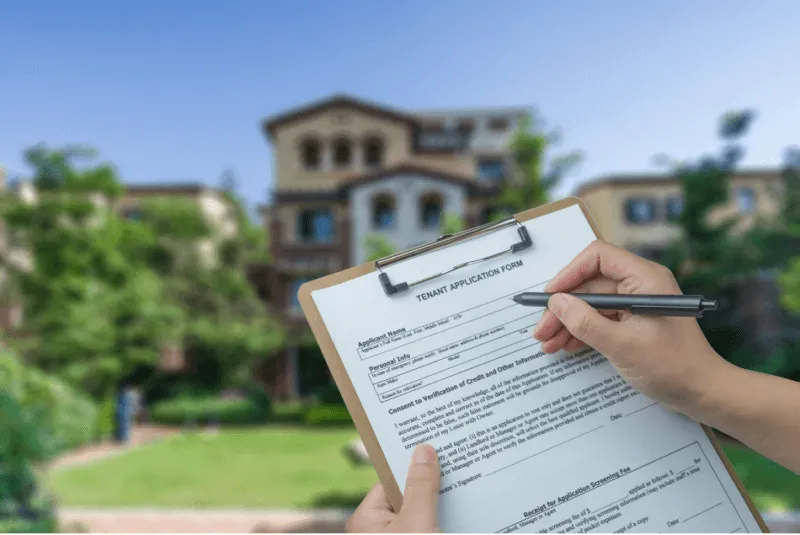
Tenant Screening and Background Checks: How Documentation Delays Can Stall Rental Approvals
In Florida, rental approvals in condominiums and HOAs often hinge on tenant screening and background checks. Boards and management companies require these checks to ensure community safety and compliance with association rules. Even routine applications can be delayed when applicants fail to provide the necessary documentation promptly.
Why Background Checks Matter
Rental approvals typically involve:
Criminal background checks
Credit history reviews
Employment or rental verification
Reference checks
Associations use this information to protect the safety, financial stability, and overall quality of the community. Lapses in documentation can prevent management from completing the review.
Common Causes for Delays
Even when boards are ready to process an application, delays often occur if tenants:
Submit incomplete IDs or identification documents
Fail to provide signed consent forms for background or credit checks
Do not pay required application or screening fees
Miss deadlines for additional requested documentation
Incomplete or late submissions can pause the entire approval process, sometimes pushing timelines from days into several weeks.
Best Practices for Applicants
To avoid delays in tenant screening:
Prepare IDs and personal documents: Ensure copies are clear and current.
Complete all consent forms accurately: Sign and date every required document.
Submit fees promptly: Application and background-check fees must be paid to begin processing.
Respond quickly to requests for additional information: Boards may require follow-ups before granting final approval.
Coordinate with the management office: Understanding the specific requirements of the association can prevent missing steps.
Bottom Line
Tenant screening and background checks are a standard part of rental approvals for Florida associations. Delays almost always occur due to incomplete identification, missing vetting consents, or unpaid fees. Applicants who submit complete and timely documentation experience a smoother, faster approval process.
Practical checklist to speed approvals
Submit a Complete Packet the First Time: Avoid Delays in HOA and Condo Approvals
One of the most effective ways to ensure a smooth approval process in Florida HOAs and condominiums is submitting a complete application packet on the first try. Incomplete packets are the single most common cause of delays, rejected submissions, or extended review timelines. Preparing your documents carefully and thoroughly upfront saves time for both the applicant and the association.
Essential Components of a Complete Packet
To maximize efficiency, your application packet should include:
Cover Letter
A brief overview of the submission
Clearly states the type of request (purchase, lease, or architectural change)
Fully Signed Forms
HOA application forms
Tenant or buyer disclosures
Background or screening consents
Identification Documents
Government-issued IDs for all applicants
Copies should be clear and legible
HOA Fees
Application fees, transfer fees, or other required payments
Paid upfront to prevent processing delays
Lease or Purchase Contract
Clearly identifies the property, terms, and parties involved
Lender Contact Information
For purchase applications, include your mortgage lender’s contact details
Helps facilitate verification and any necessary documentation
Checklist of Included Documents
Provides a neat, itemized list of all documents submitted
Ensures nothing is overlooked by the applicant or the association
Why Complete Packets Matter
Incomplete packets cause delays because boards and management companies:
Cannot begin review without all required documentation
Often return incomplete packets for correction, restarting the timeline
Risk errors or miscommunication when documentation is missing
Submitting a complete packet ensures the administrative process can start immediately, often shortening the total approval timeline from weeks to days.
Tips for Applicants
Double-check every form and signature before submission.
Use a checklist to confirm all documents and fees are included.
Submit clear copies of IDs and supporting documents.
Communicate with the management office if unsure about requirements.
By investing time in a thorough first submission, applicants reduce frustration, avoid unnecessary delays, and help boards process approvals efficiently.
The fastest path to approval is submitting a complete, organized packet the first time. Include a cover letter, all signed forms, IDs, HOA fees, contracts, lender information, and a detailed checklist. Missing even a single item can cause delays and extend the approval process.
Order Estoppel and Resale Documents Early: Avoid Closing Delays
In Florida condominium transactions, timely submission of estoppel certificates and resale documents is critical to staying on schedule. These documents, required by lenders and boards, verify the financial and legal status of the unit, and delays in obtaining them are a common cause of last-minute holds on closings.
Why Timing Matters
Estoppel certificates and resale documentation provide key information for both buyers and lenders:
Outstanding assessments or fees
Pending legal actions or violations
Financial and insurance status of the association
Confirmation of compliance with HOA/condo rules
Boards and management companies often have standard processing times for these documents. Additionally, lenders need adequate time to review the certificates before issuing financing. Ordering these documents only after the closing date is set can result in unexpected delays.
Best Practices for Buyers and Realtors
Order at Contract Ratification
As soon as the purchase contract is signed, request estoppel and resale documents.
Early ordering aligns with lender schedules and board processing times.
Coordinate with the Management Office
Confirm document requirements and fees.
Verify estimated turnaround time for the certificates.
Include in Closing Timeline
Factor in the time needed for the board to issue the documents, lenders to review them, and any follow-up requests.
Avoid scheduling closings too tightly around these critical steps.
Stay Proactive
Monitor the progress of the request.
Address any missing information or corrections promptly to prevent delays.
In Florida condo transactions, estoppel certificates and resale documents are not just administrative formalities—they are essential for lender approval and a smooth closing. Ordering them early, at contract ratification, helps avoid last-minute holds and keeps the transaction on track.

Confirm Board Meeting Dates and Delivery Rules: Key to Faster HOA Approvals
In Florida homeowners associations (HOAs) and condominium boards, understanding the board’s meeting schedule and document delivery rules is essential for planning application timelines. Even fully prepared submissions can face delays if the board only meets monthly or requires specific delivery methods for notices. Knowing these details upfront allows applicants to optimize timing and potentially compress the review process.
Why Board Meeting Dates Matter
Most associations require a formal board or committee vote for approvals related to purchases, rentals, or architectural changes. If the board meets only once a month:
Applications submitted just after a meeting may wait weeks for the next vote.
Administrative readiness alone cannot move the timeline forward.
Planning your submission around the board calendar can reduce unnecessary delays.
Delivery Rules: Mail vs. Electronic Submissions
Governing documents often dictate how notices and applications must be delivered:
Mailed notices: Some associations require official letters sent to board members or homeowners, which triggers waiting periods for receipt (e.g., 14-day mailing windows).
Email or electronic delivery: Others accept digital submissions, which can significantly accelerate review.
Failing to follow the prescribed delivery method can result in rejected applications or delayed clock-start dates for processing.
Tips to Streamline Your Review
Check the board calendar early
Schedule submissions to align with upcoming meetings.
Verify delivery requirements
Determine whether mail, email, or portal upload is required for your type of request.
Submit complete packets
A complete and properly delivered packet ensures the board can act immediately.
Confirm receipt with management
Avoid surprises by confirming the board or ARC has received your submission and that it meets delivery rules.
Board meeting schedules and delivery rules are critical factors in HOA and condo approvals. Understanding whether notices must be mailed or can be sent electronically, and timing submissions around board meetings, allows applicants to maximize efficiency and minimize delays in the review process.
Start Permits Early for Exterior Changes: Managing HOA and City Approval Timelines
In Palm Coast and across Florida, exterior home improvements often require approval from both the Homeowners Association (HOA) or Architectural Review Committee (ARC) and the municipal building department. Understanding that these are two separate queues is key to avoiding delays and keeping projects on schedule.
Why Early Permitting Matters
Even when an HOA approves an exterior change quickly, the city’s building department may have its own review process, including:
Permit intake and validation
Plan review for code compliance
Engineering or product approval checks
Scheduling inspections
Waiting to start city permitting until after HOA approval can add weeks to the project timeline. Starting permits early allows both approvals to progress simultaneously.
Parallel Processing: HOA and City Permits
Filing HOA applications and city permit requests in parallel helps reduce overall delays:
Submit a complete HOA packet
Include all plans, product approvals, and contractor details.
Apply for city permits early
Provide the same documentation required for HOA approval.
Ensure plans comply with local building codes.
Coordinate with both offices
Confirm timelines and requirements for inspections, approvals, and fees.
Monitor progress
Track both HOA and city approvals to avoid surprises before construction begins.
By managing both queues simultaneously, homeowners can avoid the common scenario where an HOA approval sits idle while waiting for city permits—or vice versa.
For exterior projects, don’t treat HOA approval as the only step. Start city permitting early and, whenever possible, file both applications in parallel. This approach minimizes overall wait time and keeps projects on track.
Pay Attention to the Financial Health of the Building: A Key Factor in Approvals
When buying or leasing in a Florida condominium or HOA community, the financial health of the building is just as important as the individual applicant’s credentials. Boards and lenders carefully review a building’s finances to ensure long-term stability, and this evaluation can influence approvals, lender decisions, and even mortgage terms.
What to Check
To assess a building’s financial health, prospective buyers or renters should request:
Recent Reserve Study
Shows whether the association has adequately funded future repairs and replacements (e.g., roofs, elevators, pools).
Low or outdated reserves can indicate potential financial risk.
Current Budgets and Financial Statements
Provides insight into the association’s operating expenses, income, and cash flow.
Boards and lenders use this to assess whether dues are sufficient to cover ongoing costs.
Pending Special Assessments
Frequent or large assessments may signal unexpected expenses or underfunded reserves.
Buyers entering a building with pending assessments may face additional costs.
Why Boards and Lenders Care
Boards and lenders evaluate the community as a whole, not just individual applicants:
Boards want to ensure new owners or tenants do not inherit financial instability or create liability issues.
Lenders consider the building’s financial strength when approving mortgages, particularly for FHA, VA, or conventional loans. A weak reserve or high special-assessment history may trigger additional scrutiny or documentation requests.
Tips for Buyers and Renters
Request financial statements, reserve studies, and budget reports early in the process.
Review meeting minutes for discussions about pending assessments or budget shortfalls.
Factor any special assessments or fees into your purchase or lease planning.
Communicate with both the HOA/management office and your lender to ensure all documentation is complete.
The financial health of a building—reserve studies, budgets, and pending assessments—is a key factor in approvals and lender confidence. Proactively reviewing these documents helps avoid surprises and ensures smoother transactions.
Sources:
JustAnswer
GRS Community Management
Facebook
Premier Mortgage Associates
Deerfield Palms Condominium Association
Florida Department / statute guidance on condominium official records and association compliance. MyFloridaLicense
Local management / association pages showing application requirements (example: The Shores at Boca Raton association management details). GRS Community Management -
Deerfield Palms condo association: tenant/purchase application procedures and fees. Deerfield Palms Condominium Association
Building Department — City of Palm Coast: permit rules and required product approvals that affect exterior change timelines. palmcoast.gov
Practical timeline notes and HOA review expectations (industry/how-to guidance on common approval windows). alphafencefl.com+1