Boat,Trailer & RV rules: Intracoastal-adjacent Boca/Deerfield condos vs. Palm Coast canal neighborhoods—what leases/HOAs allow
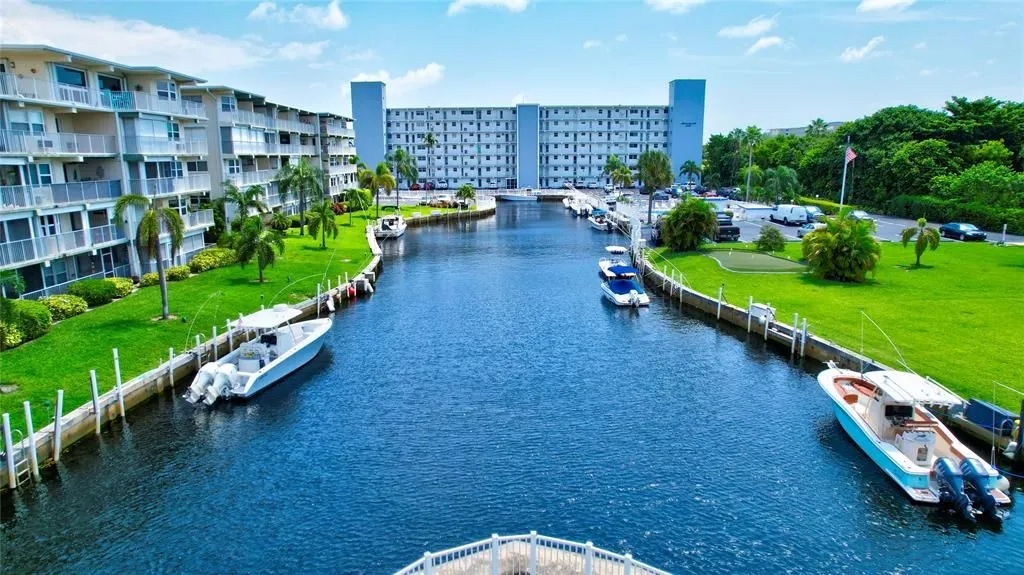
Living next to water in South Florida raises the same question for many owners and renters: can I keep my boat, trailer or RV at (or next to) my home? Short answer: it depends — heavily — on whether you’re in an Intracoastal-edge condo (Boca Raton / Deerfield Beach) or a canal-front single-family / townhouse neighborhood like many areas in Palm Coast. Below I explain the typical differences, the legal framework that matters, and practical steps to follow before you buy, rent, or park.
Boat, Trailer & RV Rules in Intracoastal-Adjacent Condos (Boca Raton & Deerfield Beach)
Living along the Intracoastal in Boca Raton and Deerfield Beach offers unbeatable views and direct water access — but it also means stricter rules when it comes to boats, trailers, and RVs. Condo associations and city ordinances work together to keep waterfront communities orderly, safe, and aesthetically consistent. Here’s what owners and renters need to know.
1. Condo & HOA Restrictions: What’s Typically Allowed (and Not Allowed)
Visible Storage Is Usually Prohibited
Most Intracoastal-area condos in Boca and Deerfield have strong rules against storing or parking boats, trailers, or RVs where they can be seen. This includes:
Parking lots
Drive aisles
Guest spaces
Grass or swale areas
On-street parking within the community
Many governing documents classify these vehicles as “commercial or recreational equipment,” and ban them outright except for temporary loading or unloading.
Boat Slips May Be Available — but With Rules
Some waterfront condo complexes have:
Assigned or deeded boat slips
Shared marina facilities
Separate dock leases
However, these slips generally do not permit trailer storage. Rules often include limits on boat length, noise, hours for fueling or cleaning, and insurance requirements.
Trailer Storage Is Rarely Allowed
Even in communities with marinas, the trailer almost always must be stored off-site. HOA rules frequently require trailers to be kept at:
Commercial marinas
Private storage lots
Dry-stack storage facilities
2. City Ordinances: Boca Raton & Deerfield Beach
Local city rules add another layer of restrictions.
Boca Raton Regulations
Boca Raton’s code generally restricts:
Boat and trailer parking on city streets or swales in residential areas.
Long-term parking of RVs or trailers in driveways unless screened or enclosed (depending on zoning).
Temporary overnight parking may require a permit and is often limited to specific circumstances.
Deerfield Beach Regulations
Deerfield Beach enforces similar prohibitions on:
Parking boats, trailers, or RVs on public streets
Storing these vehicles on swales or sidewalks
Long-term parking in front yards or open common areas
Both cities encourage residents to use licensed storage yards or marina facilities for compliant parking.
3. What Buyers & Renters Should Do Before Signing
Because rules vary by building, always:
Request and read the full HOA/condo documents (rules & regs + dock rules)
Ask specifically about boat slip availability and waiting lists
Check city ordinances for the neighborhood and zoning type
Confirm where you can legally store a trailer before moving a boat into the area
In Intracoastal-adjacent condos along Boca Raton and Deerfield Beach, you can often have a boat — but you usually cannot store the trailer or an RV on-site. Expect clear, enforced rules from both associations and city code enforcement aimed at preserving the coastal community aesthetic.
Boat & Trailer Rules in Palm Coast’s Canal Neighborhoods
Palm Coast’s canal-front neighborhoods offer a lifestyle built around water access — private docks, backyard boating, and wide, navigable saltwater canals. But even in these single-family areas, rules govern how boats and trailers can be parked or stored. Between city ordinances, HOA covenants, and state/federal permitting for docks, homeowners must balance flexibility with compliance. Here’s a clear breakdown of what’s typically allowed.
1. Private Docks Are Common — With Permitting Requirements
Most canal homes in Palm Coast can add or maintain private docks, but construction requires:
City of Palm Coast permits
State permits (Florida DEP)
Federal permits (Army Corps of Engineers) when applicable
Dock size, location, and environmental impact are regulated, and some HOAs may add additional design or placement guidelines.
2. Driveway Parking: Short-Term Allowed, Long-Term Restricted
Unlike many South Florida condo areas, Palm Coast’s canal neighborhoods often permit temporary driveway parking of boats and trailers — but only within strict time limits.
Palm Coast’s municipal code generally:
Prohibits overnight or long-term driveway storage of oversized vehicles, which include boats and trailers
Allows limited short-term parking windows, used for preparation, cleaning, or travel
Includes “three days in any seven-day period” language in city guidance regarding temporary accommodation for oversized vehicles
This means you can stage a boat at home before a trip or after returning — but not store it long-term.
Enforcement is active, and neighbors frequently report violations, so compliance is important.
3. HOA Covenants Still Apply
While many canal neighborhoods have no HOA or very limited HOA oversight, some subdivisions do enforce:
Screening requirements
Driveway parking restrictions
Dock design standards
Rules for lift height and lighting
Because rules vary by street and subdivision, buyers and renters should always request HOA covenants before assuming a particular parking or dock setup is permitted.
4. Street Parking Is Typically Not Allowed
Palm Coast generally prohibits:
Parking trailers, boats, or oversized vehicles on public streets
Parking on swales, sidewalks, or grassy rights-of-way
Enforcement aims to maintain visibility and emergency access in residential neighborhoods.
5. Best Practices for Homeowners & Renters
To stay compliant:
Check Palm Coast city code before parking any oversized vehicle
Confirm whether your subdivision has HOA covenants
Obtain proper dock permits before building or modifying waterfront structures
Use marinas or secured storage facilities for long-term boat/trailer storage
Palm Coast canal neighborhoods offer more flexibility than condo communities, especially with private docks and short-term driveway boat parking. But long-term storage of boats, trailers, or RVs at home is tightly regulated by the city. With the right permits and awareness of HOA rules, homeowners can fully enjoy waterfront living without running afoul of local ordinances.
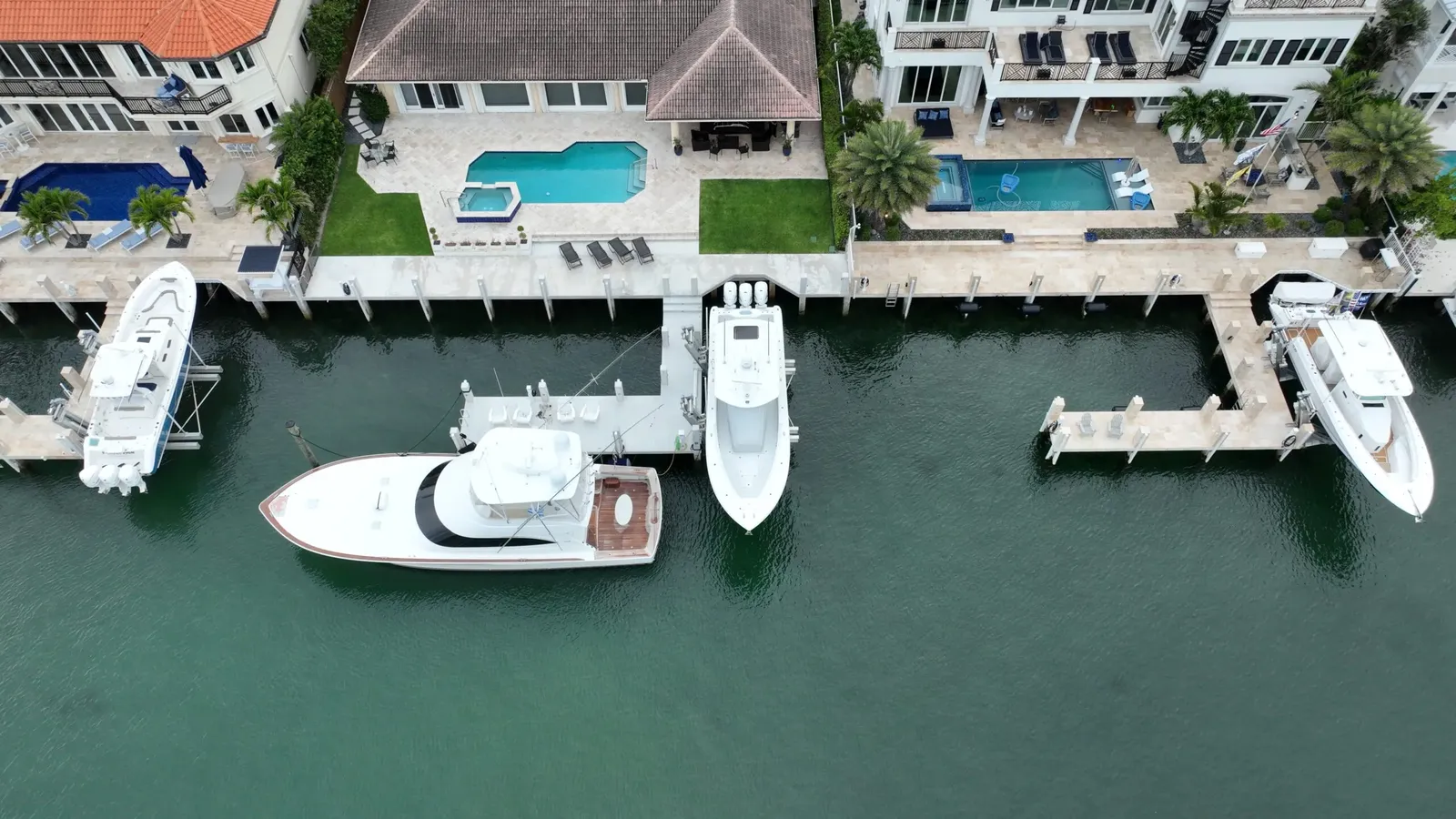
Why Permits Matter When Building Docks, Seawalls, and Boat Lifts
Waterfront living comes with the opportunity to build docks, seawalls, and boat lifts — but these structures are heavily regulated. Whether you live on the Intracoastal, a canal, or a freshwater lake, construction almost always requires multiple layers of permitting to protect navigation, shoreline stability, and environmental resources. Failing to obtain proper approvals can result in fines, denied inspections, or mandatory removal of the structure.
1. City or County Permits: The First Approval Layer
Your local government — city or county — is usually the starting point for permitting.Municipal rules determine:
Dock size and length
Setbacks from property lines
Height limits for lifts and pilings
Seawall engineering standards
Allowed materials and construction methods
Waterfront zoning districts often include specific restrictions based on the waterbody, such as narrow canals, manatee zones, or designated conservation areas.
2. Florida DEP Permitting: State Oversight for Environmental Protection
Most over-water structures require review by the Florida Department of Environmental Protection (DEP).Typical DEP considerations include:
Impact on seagrass beds and marine habitat
Shading effects from docks
Disruption of tidal flow or natural shoreline processes
Stormwater and erosion controls
The DEP may issue:
General permits, for standard small docks that meet size limits
Individual permits, for larger or more complex structures
Exemptions, when structures fall below regulatory thresholds
These rules vary by region and by the type of waterbody — some areas allow only short or single-slip docks, while others permit larger platforms or lifts.
3. Army Corps of Engineers: Federal Review When Needed
For certain waterways — especially navigable waters and areas regulated under federal wetlands or dredging laws — the U.S. Army Corps of Engineers may also require a permit.
Army Corps involvement is common when:
The waterbody connects to navigable federal waters
Dredging or filling is involved
The project may impact wetlands or protected species
The dock exceeds standard general permit sizes
Not all projects require federal review, but when they do, the Corps permit must be secured before construction begins.
4. Permit Limits Differ by Waterbody
Regulations are not one-size-fits-all. Size and design limits often depend on:
The width of the canal or river
Local environmental conditions (e.g., manatee habitat)
Water depth and navigation patterns
Community overlays or special districts
HOA or private covenants
Example limits may include:
Maximum dock length, such as “no more than 25% of canal width”
Limits on number of slips per property
Restrictions on platform size
Piling height limits for boat lifts
Always check both local and state guidance before designing a structure.
5. Why Compliance Matters
Proper permitting ensures:
Navigation safety
Environmental protection
Avoidance of costly fines or structure removal
Smooth resale of the property, since unpermitted waterfront structures can delay closing or fail inspections
Construction without permits can trigger enforcement actions from the city, the DEP, or federal authorities.
Building or modifying docks, seawalls, or boat lifts requires a coordinated permitting process involving the city, the Florida DEP, and sometimes the U.S. Army Corps of Engineers. Because size limits, slip allowances, and elevation rules vary widely, homeowners should consult local codes and state guidance early in the planning process to ensure compliance and protect both property and waterways.
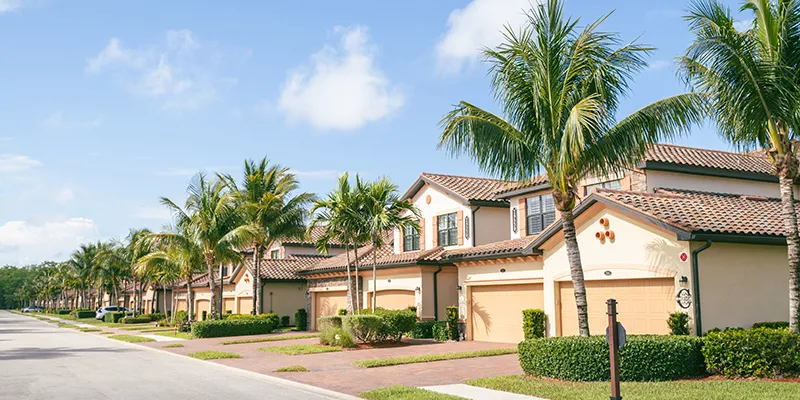
Florida’s Evolving Housing Laws: What HOA Changes Really Mean for Boat, Trailer, and Dock Rules
Florida has passed several housing-related laws in recent years — including 2023 and 2024 updates — aimed at increasing transparency, limiting certain HOA powers, and protecting homeowners from arbitrary or overly restrictive enforcement. But despite these reforms, associations still retain broad authority over issues like boats, trailers, docks, and exterior structures. Understanding what has changed — and what hasn’t — requires reading both the governing documents and the statute text itself.
1. Recent Statutes Have Narrowed Some HOA Powers
Florida’s Legislature has focused increasingly on:
Transparency and access to records
Due process for violations and fines
Limits on selective enforcement
Rules surrounding towing, parking, and vehicle restrictions
Enhanced notice requirements for rule changes
Several 2023–2024 laws specifically address parking restrictions, requiring associations to meet clearer procedural standards before enforcing or adopting new rules. These include ensuring homeowners receive proper notice and that restrictions do not conflict with updated state protections.
However, these reforms primarily affect how associations enforce rules, not whether they can regulate certain types of vehicles or structures.
2. HOA Control Over Boats, Trailers, and RVs Remains Largely Intact
Even with recent state-level changes, associations generally retain full authority to regulate or prohibit:
Boat parking
Trailer and RV storage
Visible equipment in driveways or on lawns
Use of common areas for loading, docking, or temporary storage
If these restrictions are written into the declaration, rules and regulations, or architectural guidelines, they remain enforceable so long as the HOA follows current procedural requirements.
State reforms do not create a statewide right to store boats or trailers on your property.
3. Docks, Lifts, and Waterfront Structures Are Still Subject to HOA Review
For waterfront communities, HOAs may also regulate:
Dock design
Lift height and placement
Lighting
Platform size
Materials and finishes
Location relative to property lines
Nothing in the recent legislative changes removes the association’s authority to require architectural committee approval, enforce design standards, or deny modifications that do not meet the community’s guidelines.
These rules apply in addition to — not instead of — city, DEP, and federal permits.
4. Why Reading the Governing Documents Still Matters Most
State law sets the framework, but your HOA’s declaration, bylaws, and rules determine the specifics.The key documents to review include:
Declaration of Covenants
Architectural Guidelines
Rules and Regulations
Amendments recorded over time
Because many communities adopt detailed restrictions on vehicles, docks, visible storage, and exterior modifications, homeowners should always review these documents rather than assuming state law has overridden them.
5. Consult the Statute Text for Current and Accurate Information
Florida’s HOA laws evolve nearly every legislative session. To understand exactly what applies, homeowners should read:
Chapter 720, Florida Statutes (Homeowners’ Associations)
Any newly enacted bills affecting parking, towing, or vehicle rules
Amendments affecting architectural review authority and enforcement procedures
The official Senate website provides updated bill language, staff analyses, and codified statutes.
While Florida’s recent legislative changes limit certain HOA powers — particularly around procedure, transparency, and some parking-related issues — they do not eliminate HOA authority over boats, trailers, docks, or exterior structures. The only way to know what applies to your home is to read the governing documents and review the most current version of the Florida statutes.

Why condos (Boca/Deerfield) tend to be stricter
Common Property & Limited Common Elements: How Condo Rules Affect Boat, Trailer, and RV Storage
In Florida condominium communities — including many Intracoastal-adjacent buildings in Boca Raton and Deerfield Beach — the association has broad authority over common property and limited common elements. Because parking areas, drive aisles, and shared waterfront facilities fall under association control, rules governing what can be stored or parked in these spaces are typically strict. For owners with boats, trailers, or RVs, understanding how these classifications work is essential.
1. What Counts as Common Property in a Condo?
Common property usually includes:
Surface parking lots
Driveways and internal roadways
Guest parking spaces
Landscaped and swale areas
Marinas, docks, and walkways
Recreation areas and building exteriors
Because the association is legally responsible for maintaining these areas, it also controls how they can be used. Most declarations allow the board or management to adopt parking and storage rules to protect aesthetics, safety, and access.
2. Why Visible Storage of Boats, Trailers, and RVs Is Typically Prohibited
Most condo associations expressly ban storing or parking:
Boats
Boat trailers
Utility trailers
RVs and campers
Commercial or oversized vehicles
These bans usually apply to all common areas, including guest parking and open lots. The rationale is consistent across communities:
Avoid visual clutter
Prevent blocked access or emergency hazards
Maintain uniform appearance
Reduce liability and towing disputes
Preserve property values
Even short-term or overnight parking may be prohibited unless specifically allowed for loading.
3. Limited Common Elements: Garages and Assigned Boat Slips
Limited common elements — areas reserved for the exclusive use of a particular unit but still owned by the association — are the primary exceptions.
Typically allowed storage locations include:
Private garages (if enclosed and assigned to the unit)
Assigned or deeded boat slips
Dock boxes or small storage lockers, if permitted by the HOA
Even these spaces may have restrictions, such as:
Prohibitions on trailer storage in a slip
Requirements for insurance and registration
Limits on boat size or lift design
Fire-code restrictions inside garages
Always refer to the declaration and marina rules for specifics.
4. Enforcement: Fines, Tow Policies, and Violation Notices
Condo associations in Boca and Deerfield Beach typically enforce parking and storage rules through:
Written violation notices
Daily or recurring fines, as allowed by statute
Tow-away policies, often with signage required by local ordinance
Suspension of use rights for repeat offenders
Management companies monitor common areas, respond to reports from residents, and coordinate towing when vehicles violate posted or documented rules.
Because storage restrictions are usually tied to safety and aesthetics, enforcement tends to be consistent and swift.
5. Key Takeaway for Owners and Renters
In condo communities, even waterfront ones, common areas are not places where boats, trailers, or RVs can be parked or stored. Only garages and assigned boat slips typically permit private use, and even then, restrictions may apply. Before purchasing or renting, residents should always review:
The declaration of condominium
Rules & regulations
Parking policies
Marina/dock guidelines
These documents determine exactly what’s allowed — and what isn’t.
Marina & Mooring Rules in Intracoastal Condo Communities
Waterfront condominiums along the Intracoastal in Boca Raton and Deerfield Beach often advertise boating access — but that access comes with rules. Many buildings operate private marinas, maintain deeded or assigned slips, or offer limited rental slip programs. These marine facilities are governed not only by the association’s internal rules but also by municipal dock regulations, which influence what types of boats, slips, and mooring practices are allowed.
Because of this, owning a boat does not automatically guarantee you can keep it on the property. Slip availability, vessel size limits, and association membership requirements can all affect whether a resident may moor a boat at a condo marina.
1. Slip Availability Varies by Property
Intracoastal condos may include:
Deeded slips, tied to specific units
Assigned slips, managed by the association
Rental slip programs, often with waitlists
Shared docks with limited short-term access
Slips may be restricted to:
Unit owners only
Owners in certain buildings or tiers
Residents who pay additional marina dues
Registered vessels meeting size and insurance requirements
Since slips are finite, many associations require formal applications and maintain prioritized waitlists.
2. Marine Rules Govern Size, Use, and Safety
Condo marine rules often include:
Maximum boat length or beam
Height and clearance restrictions under fixed bridges or roofed docks
Tie-off requirements, such as double lines or spring lines
Rules for lift usage and weight limits
Fueling and maintenance restrictions
Prohibitions on liveaboards
Limits on noise, generator use, or nighttime lighting
Guest mooring is frequently limited or banned altogether. If allowed, it may require prior notice to management, proof of insurance, and time limits (e.g., 24–48 hours).
3. Having a Boat Doesn’t Mean You Can Keep It On-Site
Even in communities with marinas, many residents cannot store their own boats on property because:
Slips may be sold out or fully allocated
Taller or wider vessels may not meet size limits
The building may only allow residents, not renters, to use slips
The marina may require separate membership fees or additional assessments
As a result, boat owners often end up using nearby municipal marinas or commercial storage yards.
4. Municipal Dock Regulations Shape Condo Rules
City rules in Boca Raton and Deerfield Beach influence what associations can permit. These include regulations on:
Dock length and projection into waterways
Seawall setbacks
Navigation channel protections
Environmental restrictions, especially in manatee zones
Storm-resilience and construction standards
Condo associations must structure their marina rules to align with municipal code requirements, meaning they cannot always expand or modify facilities even if demand increases.
5. Enforcement: Associations Treat Marina Areas as Regulated Common Property
Because marinas constitute high-liability common elements, enforcement is typically strict. Associations may:
Issue violations for unauthorized docking
Remove improperly moored vessels
Require proof of registration and insurance
Revoke slip privileges for repeated violations
Unauthorized tying-off at a slip, even temporarily, can result in fines or towing by waterway service providers.
Intracoastal condo ownership does not guarantee on-site boat storage. Slip access depends on availability, association rules, membership requirements, and city regulations. Whether you own, rent, or plan to purchase in a waterfront building, always review the condo’s marine rules, slip policies, and applicable municipal codes before assuming a boat can be kept on the property.
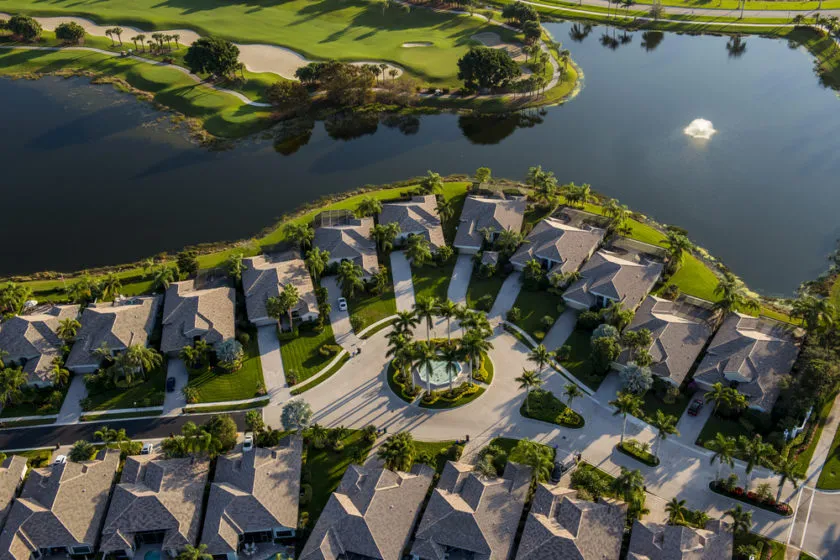
City Ordinances Back Up HOA Rules in Intracoastal Communities
In waterfront cities like Boca Raton and Deerfield Beach, local government regulations work hand-in-hand with condominium and HOA rules. While condo associations set strict internal policies on parking, storage, and dock usage, the municipal codes in both cities add an additional layer of enforcement. These laws apply to all residents — including condo owners and renters — and are enforced by city code officers, not the HOA.
The combination of HOA rules and city ordinances means homeowners face two authorities, each with its own penalties, ensuring that boats, trailers, and docks are managed safely and consistently throughout the community.
1. City Codes Prohibit Boat & Trailer Parking on Streets and Swales
Both Boca Raton and Deerfield Beach have municipal ordinances that restrict where recreational vehicles and trailers can be parked. These rules typically:
Ban long-term parking of boats and trailers on public streets
Prohibit parking on swales, sidewalks, grassy rights-of-way, or medians
Limit temporary street parking to loading or short-term activity only
Allow towing or citation for violations
Even if an HOA does not enforce tow-away rules in a particular area, the city can still issue fines, and code officers routinely patrol waterfront neighborhoods for violations.
These regulations help maintain visibility, protect emergency vehicle access, and preserve the appearance of high-demand coastal neighborhoods.
2. Municipal Standards for Dock Construction Complement HOA Restrictions
In addition to street parking restrictions, Boca Raton and Deerfield Beach also regulate dock and seawall construction. Local code requirements may include:
Setbacks from property lines
Dock length and width limits
Restrictions on encroaching into navigation channels
Requirements for tie-off points, pilings, and structural support
Environmental protections, especially in manatee and no-wake zones
These rules serve as a baseline. A condo association may adopt stricter internal guidelines, but it cannot permit anything the city prohibits. As a result, condos must structure their marina and dock rules to comply with municipal code as well as state and federal permitting requirements.
3. City Code Enforcement Works Alongside HOA/Management Enforcement
When a violation occurs, both the HOA and the city may enforce rules independently:
City Enforcement Tools:
Code violation notices
Fines and administrative penalties
Towing of improperly parked trailers
Forced removal or correction of noncompliant docks
HOA Enforcement Tools:
Fines under condominium statutes
Towing within association-controlled property
Suspension of marina or parking privileges
Legal action for repeated violations
This dual enforcement approach ensures that residents cannot bypass HOA rules simply by parking on a city street — the city’s ordinances continue to apply.
4. Why Residents Must Follow Both Sets of Rules
Living in a condo community means following:
Association rules (governing common areas and limited common elements)
City ordinances (governing public property and construction standards)
Even if the HOA is lenient or slow to enforce, a resident may still receive a city code citation. Conversely, being compliant with city rules does not exempt an owner from stricter HOA restrictions.
For anyone planning to own a boat, add a dock, or store a trailer, it’s essential to review:
The condo’s parking and marina rules
City ordinances regulating vehicle parking and marine construction
Understanding both avoids costly fines and ensures legal compliance.
In Boca Raton and Deerfield Beach, city ordinances reinforce and supplement HOA rules, especially regarding the storage of boats and trailers and the construction of docks. Together, they create consistent standards for waterfront neighborhoods and help maintain safety, accessibility, and community aesthetics. Condo residents must follow both sets of regulations to remain fully compliant.
What leases usually say (condos):
Tenants must follow HOA rules; landlord/manager typically forbids parking boats/trailers on property unless a permit/space is explicitly allowed.
If the unit includes a covered/garage space, a small boat may be permitted inside the garage if HOA rules allow.
Short-term loading/unloading might be allowed for a few hours, but overnight street or swale parking is frequently illegal.
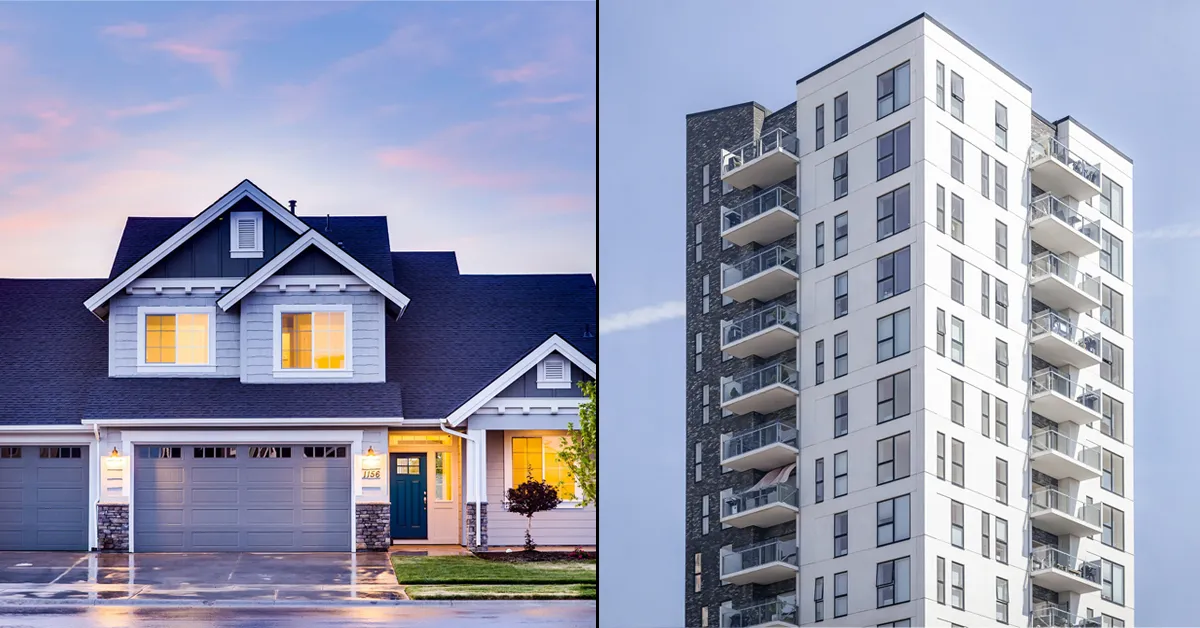
Why Palm Coast canal neighborhoods often offer more flexibility — but not unlimited freedom
Single-Family Parcels vs. Condo Common Elements: Why Canal Homes Allow More Private Dock Use
Waterfront living in Florida looks very different depending on whether you live in a single-family canal home or a condominium community. The key distinction is who owns the land bordering the water — and who has the authority to build and control docks. Ownership patterns, permitting rules, and property boundaries all influence how easily a homeowner can install a private dock and maintain personal boating access.
1. Single-Family Canal Parcels Own the Upland Property
In most canal neighborhoods, individual homeowners own the upland parcel all the way to the seawall (or the natural shoreline, if no seawall exists). Because of that ownership:
The homeowner is the applicant for a dock permit
They control the placement and use of their own dock
Long-term boat storage at the residence is typically allowed, subject to local rules
Canal homes often include lifts, davits, or floating docks customized to the property
This direct ownership makes private docks a standard feature in many canal neighborhoods across Florida.
2. Dock Construction Requires Local and State Permitting
Even though canal homeowners own the upland, any dock or over-water structure still requires permitting, commonly involving:
City or county building departments (structural, zoning, and setback review)
Florida Department of Environmental Protection (DEP) (environmental impact review)
Florida’s Submerged Lands Program, when docks extend over state-owned water bottoms
Army Corps of Engineers, if federal waterways or wetlands are affected
Florida DEP regulates:
Dock size and configuration
Impacts to seagrass or marine habitat
Shading from platforms
Piling placement and materials
Limits on slips and boat lifts in certain waterways
These rules shape what a canal homeowner is allowed to build — but the process is still far more flexible than in a condo.
3. Condo Properties Do Not Provide Individual Dock Ownership
In condominium communities, the land surrounding the buildings — including marinas, seawalls, and waterfront walkways — is typically classified as:
Common elements, owned collectively by all unit owners; or
Limited common elements, assigned to specific units but still controlled by the association
Because individual owners do not own the shoreline, they:
Cannot apply for private dock permits
Must follow the condo’s marina rules
Are limited to assigned or rented slips, if available
May have stricter restrictions on boat size, usage, and slip allocation
Condo associations often limit boating activity to preserve safety, aesthetics, and insurance compliance, making private docks less common and more regulated.
4. Why Canal Homes Offer Greater Boating Freedom
Because ownership extends to the seawall and permitting is handled individually, canal homes generally offer:
More flexibility to build docks and lifts
Direct control over mooring and boat storage
Private access without relying on association approval for slip allocation
Higher likelihood of accommodating larger boats
This is why many Florida buyers seeking daily boating access gravitate toward single-family canal properties rather than Intracoastal condos.
Single-family canal parcels provide direct upland ownership and the ability to build private docks — subject to city, DEP, and sometimes federal permits — making personal boat use far more common and flexible than in condominium settings. In condos, waterfront structures are controlled by the association, not the individual owner, which limits private dock options and increases regulation.
City and HOA Limits on Visible Storage in Palm Coast and Flagler County: What Owners Should Know
Palm Coast and many Flagler County neighborhoods maintain a structured approach to regulating vehicle storage, particularly when it comes to oversized vehicles such as boats, RVs, trailers, and commercial trucks. These rules exist both at the municipal level and, where applicable, within homeowners association (HOA) covenants. Together, they shape what owners can—and cannot—store in view from the street.
Municipal Codes: What Palm Coast Allows
Palm Coast’s code enforcement materials make clear that visible long-term storage of oversized vehicles is restricted. A commonly referenced guideline permits residents to keep a boat or RV in the driveway temporarily, but only for short windows. For example, city materials include language such as “no more than three days in a seven-day period,” which applies to temporary loading, unloading, or preparation.
These municipal standards are designed to balance practical use with neighborhood aesthetics and safety. They also prohibit or tightly restrict:
Continuous overnight parking of oversized vehicles on public streets or swales
Extended storage of trailers, RVs, and large boats in front yards or driveways
Very large vehicles, such as heavy commercial trucks, from being parked in residential zones except under limited circumstances
The city enforces these rules through its code enforcement division, which can issue warnings, citations, and fines.
HOA Rules Can Be Stricter
If the property is located within an HOA-governed community, the association’s governing documents—CC&Rs, rules and regulations, or architectural guidelines—may impose tighter limitations than the city. An HOA may:
Ban driveway storage of boats and RVs entirely
Require all trailers and recreational vehicles to be kept in garages or off-site storage
Restrict even short-term presence unless pre-approved
Impose architectural standards for screening or enclosure
Where city rules set the minimum standards, HOA rules layer on additional private restrictions that owners agree to when purchasing property in the community.
Flagler County Similarities
Outside Palm Coast city limits, many Flagler County neighborhoods follow similar storage restrictions either through county ordinance or through community-specific deed restrictions. Long-term or visible storage of oversized vehicles remains a common limitation across the region.
What Homeowners Should Do
Because rules vary significantly by subdivision and HOA, owners should:
Check local codes to confirm what the city or county allows.
Review HOA documents for any stricter private restrictions.
Confirm enforcement practices, especially if planning RV travel, boat maintenance, or long-term storage.
Request written clarification from the HOA or city code office if unsure—enforcement tends to be proactive in many Flagler communities.
With both municipal codes and HOA covenants working together, visible storage of oversized vehicles is one of the more consistently regulated aspects of property use in Palm Coast and Flagler County.
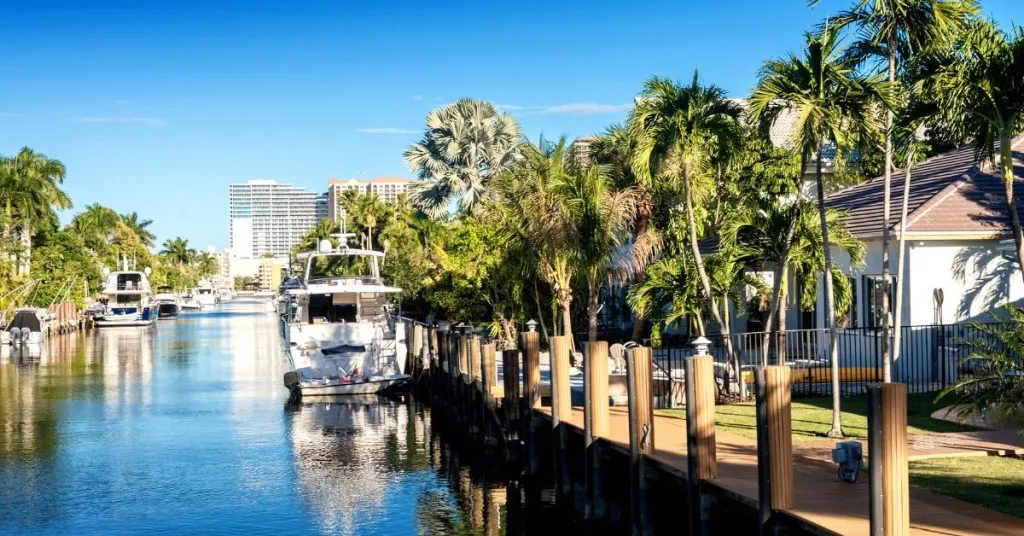
Dock Permitting Is Required for Canal Properties in Florida
Owning a canal-front property in Florida often comes with the opportunity to enjoy private boating access, but constructing a dock or boat lift is not as simple as placing it on the shoreline. Even when the upland parcel is privately owned, local, state, and sometimes federal regulations require multiple permits to ensure safety, environmental protection, and navigable waterways.
1. City Permits: The First Step
Before any construction begins, most municipalities require homeowners to obtain local building permits. These permits ensure that the dock or lift:
Meets zoning and setback requirements
Complies with structural and safety standards
Does not block access or navigation channels
Adheres to city aesthetic guidelines
Local building departments review applications for compliance with municipal codes and may require plans showing dock dimensions, pilings, and proposed equipment.
2. State Approvals: Florida DEP
The Florida Department of Environmental Protection (DEP) regulates docks and boat lifts to protect natural resources. DEP permitting focuses on:
Impact on seagrass beds, wetlands, and marine habitats
Shading of waterbodies, which can affect aquatic life
Erosion and sedimentation controls
Limitations on dock size and number of slips
Most small, standard docks may qualify for general permits, while larger or more complex structures require individual permits and environmental review.
3. Federal Approvals: Army Corps of Engineers
In some cases, a dock or lift may also require U.S. Army Corps of Engineers authorization, particularly when:
The waterbody is considered navigable under federal law
Construction involves dredging or filling
Wetlands or protected species habitats may be impacted
Federal permits are less common for small residential docks but are required for projects affecting public waterways or large-scale alterations.
4. Other Considerations
Even after obtaining permits, dock construction may be limited by:
Channel width or navigability requirements
Submerged land authorization, if the dock extends over state-owned water bottoms
Environmental restrictions, including manatee zones, no-wake areas, or protected habitats
Failure to obtain proper permits can result in fines, forced removal of the structure, or denial of future permits.
Even for privately owned canal-front properties, building a dock or boat lift requires careful planning and approval from city, state, and sometimes federal authorities. Early consultation with local building departments, the Florida DEP, and the Army Corps of Engineers helps ensure compliance, protects the environment, and avoids costly enforcement actions.
What leases usually say (canal SFH neighborhoods):
Landlord/HOA may allow boats at private docks if now permitted and insured; tenants commonly must register the vessel with the association and maintain insurance and slip fees.
Driveway parking of a trailer/boat/RV may be allowed temporarily but long-term storage is frequently restricted by HOA covenants or city code.
Practical checklist before you buy, rent, or bring a boat / trailer / RV
Read the governing documents (Declaration/Bylaws/Rules) and your lease. If you’re renting a condo in Boca/Deerfield, the lease will usually incorporate HOA rules. If you’re buying in Palm Coast, examine deed restrictions and HOA covenants for parking/storage language. (Most disputes start with “I didn’t read the covenant.”)
Ask the manager / board in writing. Get any exceptions, assigned slip availability, or temporary-parking allowances confirmed in writing. Condos often have waitlists for slips.
Check municipal ordinances. Street/swale parking is a common city code violation (Boca/Deerfield) and can lead to citations or towing. For docks, get the city/DEP permit checklist early — permits take time.
Confirm dock/seawall permit needs with DEP / city. Private docks often require state DEP authorization and may be limited in area/slips. If you plan lifts, boat houses or seawall work, expect additional environmental and building permits.
Insurance & liability: HOAs and municipalities may require proof of insurance for vessels stored on private property or moored at a community dock. Landlords commonly require tenants to carry renter/boat insurance.
Side-by-side comparison (fast view)
Who usually controls parking/storage?
Condos (Boca/Deerfield): HOA/Condo Board + city code.
Palm Coast canal neighborhoods: Owner/HOA + city code + state permits for docks.
Boat/trailer in driveway
Condos: Usually not allowed (common area rules); exceptions rare.
Palm Coast SFH: Often allowed temporarily; long-term storage usually restricted by HOA/city rules.
Private dock / slip
Condos: May have shared marina/slips with rental or waitlist; individual slips depend on association rules and permits.
Palm Coast SFH: Owner can apply for private dock (subject to DEP/city/Army Corps), but permits and environmental limits apply.
Short legal note on HOA power and state law
Florida has updated statutes in recent years that limit certain HOA blanket bans, and there is active legal discussion about what parking/vehicle restrictions remain enforceable (personal-vehicle parking vs. boats/trailers is often treated differently). That means an HOA’s rule must be read alongside current Florida law and any recent statutory changes — the statutes and court interpretations can affect enforcement. Always consult the actual statute text and, if needed, local counsel for a binding interpretation.
Sources:
Boca Raton Code — prohibitions on parking/storing commercial vehicles, RVs, boats or trailers in residential districts. bocaraton.elaws.us
Palm Coast — city guidance / ordinance updates on oversized vehicles, utility trailers, boats and driveway parking (Palm Coast code and news). palmcoast.gov+1
Florida Statutes (Chapter 720 and recent sections on HOA prohibitions / permitted restrictions). flsenate.gov+1
Florida DEP — Dock permitting overview and DEP guidance for private docks in Florida (exemptions, general permits, ERP). floridadep.gov
Deerfield Beach — Building department dock permit checklist and local dock construction standards. deerfield-beach.com