Payment methods (ACH, card, portal): fees, chargebacks, and what’s most common by city

As more renters shift to paying online, landlords and property managers have adopted a mix of electronic payment options. ACH bank transfers, debit/credit cards, and dedicated resident portals each have their own cost structures, risks, and patterns of adoption that vary by market. Here’s how these methods compare — and what tends to be most common in different cities.
ACH (Bank Transfer)
How It Works: Electronic Rent Payments Through the ACH Network
For many renters, paying rent has shifted from writing paper checks to completing a few clicks online. Behind the scenes, a reliable, nationwide system powers these transfers: the Automated Clearing House (ACH) network. Here’s a clear breakdown of how the digital rent-payment process works and why property managers rely on it.
1. Entering Bank Information
When a property offers online rent payment, renters typically log into one of two systems:
A property’s resident portal (built into software like Yardi, RealPage, AppFolio, Rent Manager, etc.)
A third-party rent-payment platform (such as ClickPay, Zego, or PayLease)
In these systems, renters enter their bank routing number and account number to set up payments. The platform verifies the information and may use micro-deposits or instant-bank verification tools to confirm ownership.
Once verified, renters can choose to make a one-time payment or set up automatic monthly withdrawals.
2. Authorization and Scheduling
Before money moves, the renter authorizes the transaction—either directly in the portal or through a stored payment agreement. ACH rules require clear authorization, which is why portals show confirmation prompts and receipts.
Payments can be scheduled for:
Immediate processing
A future date (e.g., the 1st of the month)
Recurring monthly drafts
3. Funds Transfer Through the ACH Network
After authorization, the platform submits the transaction to the ACH network, a batch-processing system operated by NACHA and the Federal Reserve.
Here’s what happens:
The renter’s bank (the Originating Depository Financial Institution, or ODFI) receives the payment request.
The bank sends the transaction into the ACH network during its next processing window.
The property manager’s bank (the Receiving Depository Financial Institution, or RDFI) receives the funds.
The property’s payment system marks the rent as paid once the bank confirms successful receipt.
ACH transactions typically settle within 1–3 business days, though same-day ACH is increasingly common.
4. Why Properties Use ACH for Rent
ACH is widely used in property management because:
Fees are lower than credit/debit card payments
Chargebacks are rare, compared to card transactions
Processing is predictable, because payments run in batches
Recurring payments reduce delinquencies
For renters, ACH is usually the cheapest and most reliable way to pay electronically.
5. What Renters Should Know
Ensure account numbers are entered correctly—mistakes can cause payment rejection.
Allow processing time; ACH transactions aren’t always instant.
Keep sufficient funds in the account to avoid failed payments or NSF (non-sufficient funds) fees.
Download receipts or confirmation emails as proof of payment.
Pros:
Why ACH Is Typically the Lowest-Cost Processing Method for Property Managers
In the world of rental payments, property managers balance convenience for tenants with operational costs. Among all the electronic payment options available—credit cards, debit cards, bank-to-bank transfers, and third-party systems—ACH (Automated Clearing House) payments consistently stand out as the lowest-cost option for property managers. Here’s why.
1. Lower Transaction Fees Compared to Cards
Credit and debit card networks charge percentage-based fees, often ranging from 2% to 3.5% of the transaction amount, plus per-transaction costs. Because rent payments are typically high-value transactions, these fees add up quickly.
ACH, by contrast, usually charges:
A flat fee (often $0.25–$1.50)
Or a very small percentage (if any)
This structure dramatically reduces costs on large payments like rent.
2. Predictable Billing for High-Volume Portfolios
For property managers with hundreds or thousands of units, predictability matters. ACH fees don’t fluctuate with rent amounts, which makes budgeting simpler. Instead of variable card-processing bills, properties benefit from stable, consistent ACH charges—especially valuable in multi-site or mixed-use portfolios.
3. Reduced Chargeback Risk
Another major benefit is stability. ACH payments have far fewer chargebacks than credit cards. While disputes can still occur, the ACH network enforces stricter authorization rules, which helps property managers:
Keep operational costs down
Prevent payment reversals
Avoid additional dispute fees associated with card networks
Fewer chargebacks means fewer financial surprises.
4. Faster Settlement Through Same-Day ACH
Same-day ACH adoption has grown, allowing funds to reach a property manager’s account more quickly—often within the same business day. Faster processing can reduce the need for short-term financing or overdraft protection, indirectly lowering costs.
5. Encourages On-Time Payments
Many renters use ACH for recurring auto-drafts. When tenants schedule payments in advance, property managers see fewer late payments. Timely rent collection minimizes administrative costs related to:
Tracking down missed payments
Issuing notices
Applying late fees
This efficiency translates into overall cost savings.
6. Integrated Into Most Property Management Software
Modern property management systems—such as Yardi, AppFolio, RealPage, and Rent Manager—are built to support ACH natively. Because the functionality is built in, properties avoid the extra costs of:
External payment gateways
Standalone merchant accounts
Third-party card processors
The result: simpler workflows and lower payment-processing overhead.
For property managers overseeing rental communities, ACH is not just convenient—it’s economically strategic. Its low fees, predictable cost structure, minimal chargebacks, and compatibility with property software make ACH the clear winner for cost-effective rent collection.
Most Widely Encouraged Rent-Payment Option Among Large Management Companies
As digital payments have become standard in multifamily and single-family rental operations, large property management companies have increasingly aligned around one preferred method: ACH (Automated Clearing House) bank transfers. Although most portfolios offer multiple ways to pay—credit cards, debit cards, money orders, cash pay locations, and in-app payment tools—ACH stands out as the option that large operators actively encourage residents to use.
Here’s why ACH has become the default recommendation across the industry.
1. Lower Costs Drive Company Policy
Large management companies handle thousands of rent payments monthly. Because ACH transactions carry a significantly lower processing cost than card-based payments, the savings scale quickly.
Most large operators—especially those using enterprise platforms like RealPage, Yardi, AppFolio, Entrata, and MRI—structure their payment portals to:
Highlight ACH as the “recommended” or “preferred” option
Add higher fees or convenience charges to card payments
Make ACH free or nearly free for residents
This creates a clear incentive for renters while protecting company operating budgets.
2. Fewer Disputes and Operational Headaches
Big management companies value consistency and low-risk payment methods. ACH’s strict authorization rules mean far fewer disputes than credit or debit card payments. This reduces:
Chargeback processing
Administrative labor
Reconciliation issues
Payment reversals after move-out
Less back-office disruption makes ACH the practical choice for large-scale operations.
3. Portals and Apps Are Designed Around ACH
The resident portals used by national and regional management companies are built to streamline ACH adoption. Many systems:
Auto-promote ACH during lease signing
Place ACH setup at the top of payment options
Enable recurring payments only through ACH
Trigger reminders to enroll in e-check or bank draft setups
Because the software itself encourages ACH, residents naturally gravitate toward it.
4. Supports Corporate KPIs for On-Time Payments
Corporate teams track key performance indicators such as:
Delinquency rate
On-time payment rate
Number of residents enrolled in auto-pay
ACH directly improves these metrics. When renters use recurring ACH drafts, properties experience more predictable cash flow and fewer late payments. This is why corporate leadership often directs onsite teams to promote ACH during leasing, renewals, and resident onboarding.
5. Standardized Across Large, Multi-Market Portfolios
National operators with thousands of units—especially REITs and large third-party managers—need a payment method that works consistently across:
States
Banks
Time zones
Software versions
ACH fits this need. It’s universally supported, highly reliable, and easy to standardize across a wide portfolio. Card networks, on the other hand, introduce variability in fees, declines, and dispute procedures.
6. Better Resident Experience for Most Renters
Despite being cost-effective for management companies, ACH is also the most straightforward option for residents:
No percentage-based fee
Simple setup
Available in every resident portal
Compatible with auto-pay
Highly reliable processing
Because it aligns with both resident convenience and company efficiency, ACH naturally becomes the most widely promoted method.
Large management companies overwhelmingly encourage ACH rent payments because it aligns financial efficiency, operational stability, and resident convenience. While alternative methods remain available, ACH consistently emerges as the preferred and recommended option across enterprise-level property management.
Lower Chargeback Risk Compared to Cards: Why ACH Is the More Stable Rent-Payment Method
When property managers evaluate electronic payment options, one factor carries major operational weight: chargeback risk. While credit and debit card payments are convenient, they also come with a significantly higher chance of disputes and reversals. In contrast, ACH (Automated Clearing House) payments carry far lower chargeback risk, making them the more stable choice for rent collection.
Here’s why ACH stands out when it comes to reducing payment disputes.
1. ACH Has Stricter Authorization Requirements
ACH payments require explicit authorization from the tenant—either through an online portal, a written agreement, or a stored bank account setup. Because these authorizations must follow NACHA standards, renters have fewer grounds to dispute a transaction after the fact.
By comparison, credit card networks allow broad dispute categories such as:
“Fraudulent transaction”
“Services not provided”
“Transaction not recognized”
These looser dispute rules often create headaches for property managers.
2. Much Narrower Window for Disputes
With credit cards, residents can dispute a charge up to 120 days after the transaction. This long window often leads to complications after move-outs or during lease disputes.
ACH has a much shorter and more defined dispute period, typically limited to:
60 days for unauthorized debits
Much shorter timeframes for administrative errors (such as duplicate transactions)
The limited dispute categories and shorter timelines help property teams avoid last-minute reversals.
3. Fewer Subjective Chargeback Categories
Card chargebacks can be initiated for subjective reasons, such as dissatisfaction or a misunderstanding about a fee. ACH disputes, however, fall under very narrow reasons:
The transaction wasn’t authorized
The transaction was processed for the wrong amount
The transaction was processed earlier than authorized
The transaction was processed more than once
Because the rules are stricter and clearer, ACH chargebacks are dramatically less common.
4. Reduced Financial Risk for Property Owners
Each credit card chargeback comes with:
A reversal of funds
Additional chargeback fees
Staff time spent submitting evidence
Potential penalties or higher processing fees if chargebacks accumulate
Since ACH reversals are rare, property managers face fewer operating disruptions and better financial predictability.
5. Better Fit for Recurring Rent Payments
Recurring rent payments are ideal for ACH because:
Residents explicitly set up the authorization
The same bank account is used month after month
There’s a record of consistent, authorized drafts
This transaction history further lowers the chance of disputes, especially compared to card payments where card expiration, fraud alerts, and number changes create errors and confusion.
6. Stronger Protection Against Fraudulent Disputes
Credit cards are designed to favor the consumer during disputes. ACH rules, in contrast, require documented authorization and clear evidence before a reversal can be processed. That system helps property managers defend against:
Fraudulent claims
"Friendly fraud" chargebacks
Tenants disputing rent after eviction or notice
With fewer loopholes, ACH becomes a more secure option for recurring housing payments. ACH payments offer property managers a far lower risk of chargebacks than credit or debit cards. Stricter rules, limited dispute categories, shorter timelines, and required authorizations all contribute to a more reliable and stable payment environment—one that benefits both landlords and tenants.
Cons:
ACH Transfers Are Not Instant — Settlements Usually Take 2–3 Business Days
While ACH (Automated Clearing House) payments are widely used for rent collection due to their low cost and reliability, one of their most notable drawbacks is processing speed. Unlike card transactions, which authorize almost immediately, ACH transfers rely on a batch-based system that introduces delays. For property managers and renters alike, this can affect timing, cash flow planning, and payment expectations.
Here’s a closer look at why ACH timing is a limitation and how it impacts rent payments.
1. ACH Uses Batch Processing, Not Real-Time Movement
ACH transactions aren’t processed continuously. Instead, banks send and receive payments in scheduled batches throughout the business day. Because of this structure, payments don’t move instantly from the renter’s account to the property manager’s account.
The standard settlement timeline is:
2–3 business days for traditional ACH
Same-day ACH is available, but not all property systems use it and cutoff times apply
This delay means that even if a renter pays on the 1st, the money may not show up in the property’s operating account until several days later.
2. Payments Made Late on Fridays or Weekends Are Delayed Even Longer
ACH does not process on:
Weekends
Federal holidays
After bank cutoff times
If a renter initiates a payment late on a Friday, the transaction may not begin processing until Monday—settling as late as Wednesday. This creates timing gaps that can be frustrating for both residents and property managers.
3. Slower Settlement Can Affect Cash Flow for Property Managers
Because rent is often the primary revenue source for property owners, settlement delays matter. Waiting multiple days for funds to clear can impact:
Vendor payments
Payroll timing
Reserve account transfers
Monthly financial reporting
Large management companies typically plan around these delays, but smaller operators may feel the impact more directly.
4. Not Ideal for Last-Minute Rent Payments
Renters who wait until the due date—or worse, the grace-period deadline—may assume that clicking “Pay Now” settles their rent. But with ACH, the payment isn’t considered cleared until the funds settle, which can create:
Late fees if properties rely on settlement timing
Misunderstandings about payment status
Returned payments if insufficient funds are discovered days later
This makes ACH less ideal for renters who need same-day confirmation.
5. Potential for NSF Returns After the Settlement Delay
Because ACH verification isn’t instant, a payment may initially appear successful in the portal but fail later due to:
Insufficient funds
Incorrect account numbers
Bank account closures
These failures often show up 1–3 days after initiation, which can disrupt accounting and require follow-up from onsite teams.
6. Not Suitable for Emergency or Time-Sensitive Transactions
ACH works well for recurring rent payments—but not for urgent transfers. If a tenant needs immediate proof of payment or a property needs instant funds, ACH won’t meet the requirement.
In contrast, card payments or cash-pay networks (like PayNearMe or MoneyGram) provide real-time confirmation.
ACH payments offer major advantages in cost and reliability, but speed is not one of them. With settlement times of 2–3 business days—and longer around weekends or holidays—ACH can create timing challenges for renters and property managers. Understanding these limitations helps both sides avoid misunderstandings, late fees, and cash flow issues.

Some Providers Charge a Small Flat Fee to Tenants: What Renters Should Know About ACH Costs
While ACH (Automated Clearing House) payments are generally considered the most affordable way to pay rent electronically, not all platforms offer ACH for free to tenants. In many cases, ACH is free for property managers—but certain payment providers pass along a small flat fee to residents who use the service.
These fees are usually modest, but they can still affect a renter’s monthly budgeting and their choice of payment method. Here’s a closer look at why these fees exist, how they are applied, and what renters can expect.
1. Why Some Platforms Charge ACH Fees to Tenants
Although ACH transactions have low processing costs, payment processors still incur expenses for:
Bank-network access
Payment gateways
Fraud monitoring
Customer support
Platform maintenance
When a property manager chooses not to absorb these costs, providers may shift a small portion—often a flat dollar amount—onto the tenant.
Typical tenant fees for ACH are:
$0.75–$3.00 per transaction
Sometimes waived for autopay or digital enrollment programs
The actual fee depends on the software vendor and the property’s contract terms.
2. Fees Vary by Property Software and Provider
Different property management systems have different pricing models. For example:
Some enterprise platforms (like Yardi or RealPage) allow property owners to choose whether to absorb fees or pass them on to residents.
Third-party payment companies (such as Zego, PayLease, or ClickPay) may include resident ACH fees as part of their standard structure unless the property pays for a full-service plan.
Because pricing is customizable, two properties using the same software can still have different tenant ACH charges.
3. ACH Fees Are Typically Lower Than Card Fees
Even when ACH isn’t free, renters usually prefer it because:
Credit and debit card payments often carry percentage-based fees (e.g., 2.5%–3.5%), which are expensive on large rent amounts.
ACH fees are generally flat, predictable, and far lower.
For example, a $1,800 rent payment might cost:
ACH fee: $1.50
Credit card fee: $45–$63
Because of this dramatic difference, a small ACH fee is still considered the economical choice.
4. How Properties Communicate These Fees
Typically, renters learn about ACH fees through:
The online resident portal checkout page
The payment terms in their lease agreement
Digital onboarding instructions
Popup notices during payment setup
Most portals display the exact fee before a tenant finalizes payment, ensuring transparency.
5. When ACH Fees Might Be Waived
Some properties or platforms waive ACH fees under certain conditions:
When a renter enrolls in auto-pay
During promotional periods for digital-payment adoption
When a property absorbs the cost as part of their service package
If the renter pays through a connected bank-verification method (like Plaid) instead of manually entering routing numbers
Renters can ask their management office whether these options apply.
6. What Renters Should Do If They Want to Avoid Fees
If the property allows multiple payment options, renters can:
Use free ACH if available
Set up auto-pay to qualify for waived fees
Check if money order or in-person payments are fee-free (varies by property)
However, many large property managers discourage cash or checks for security reasons, so ACH remains the most accessible low-cost option.
ACH remains one of the most cost-effective rent-payment methods, but some providers do charge tenants a modest flat fee for using it. Understanding why these fees exist—and how they compare to alternative payment methods—helps renters choose the most economical and convenient way to pay rent each month.
Typical fees:
Tenant Fees for ACH Rent Payments: Typically $0–$3
As digital rent payments continue to replace traditional checks and money orders, ACH (Automated Clearing House) transfers have become one of the most widely used methods across property management platforms. While ACH is known for its low processing costs, renters may notice that some properties or payment providers charge a small tenant fee—usually between $0 and $3 per transaction.
Here’s why these fees exist, how they’re determined, and what renters should expect when paying rent through ACH.
1. Why ACH Fees Are Sometimes Passed to Tenants
Although ACH is generally inexpensive, payment processors incur certain operating costs, including:
Access to the ACH banking network
Fraud monitoring and risk management
Verification systems (e.g., Plaid or micro-deposits)
Software infrastructure and customer support
If the property elects not to cover these fees, the payment provider may pass a small flat fee to renters. These fees are not percentage-based and remain consistent regardless of rent amount.
2. Typical ACH Fees for Renters: $0–$3
Across major platforms—such as Zego, ClickPay, PayLease, and integrated property software like Yardi or RealPage—ACH tenant fees generally fall within a narrow range:
Low end: $0 (no fee)
Typical: $1–$2
High end: $3
Many large property managers choose to make ACH free to encourage digital adoption. Others apply a small flat fee to offset processing or vendor costs.
3. Fees Depend on Property Policies and Provider Contracts
ACH pricing varies because property managers can configure their payment settings. Some factors include:
The property’s contract with the payment provider
Whether management chooses to absorb or pass on costs
The plan level the property has purchased from the vendor
Whether the provider charges per-transaction fees or per-unit pricing
Two communities using the same software may still charge different ACH fees because of these customizable settings.
4. ACH Still Costs Less Than Card Payments
Even if a tenant pays up to $3 per ACH transaction, it remains significantly cheaper than credit or debit card payments—especially since card fees often range from 2.5% to 3.5% of total rent.
For example:
ACH fee: $1.50
Card fee on $1,900 rent: $47.50–$66.50
This makes ACH the most economical choice for most renters.
5. When ACH Fees May Be Waived
Some properties allow renters to avoid ACH fees under specific conditions, such as:
Enrolling in automatic monthly payments
Using instant bank verification instead of manual entry
Paying through certain preferred provider methods
Participating in digital-payment incentives offered by management
Renters can ask the office whether these options apply to their community.
6. Transparency Through Portals and Receipts
Most platforms clearly display any ACH fee before the renter submits payment. This ensures that tenants know the cost upfront and can compare their available payment methods.
While many properties offer ACH payments at no cost, others charge tenants a small flat fee—typically between $0 and $3. Despite occasional fees, ACH remains the most affordable and predictable electronic rent-payment method available, especially compared to card-based alternatives.

Landlord and Provider Fees: ACH Offers Low Transaction Costs Compared to Card Processing
In the world of digital rent payments, cost efficiency is a major consideration for landlords, property managers, and payment providers. Among all the available payment methods—credit cards, debit cards, cash-pay networks, and bank transfers—ACH (Automated Clearing House) consistently stands out as the lowest-cost option for landlords and payment processors.
Because rent payments are typically high-value transactions, even small percentage differences matter. ACH’s flat, predictable fee structure helps property owners reduce operating expenses while still providing residents with a convenient way to pay.
1. ACH Fees Are Significantly Lower Than Card Processing Costs
Credit and debit card networks charge percentage-based interchange fees plus additional processing costs. For rent amounts that often exceed $1,500 per month, these fees add up quickly.
Typical card-processing costs for landlords include:
2%–3.5% per transaction, depending on the card type
Additional gateway fees
Chargeback fees when disputes occur
Possible monthly or minimum-volume charges
In contrast, ACH fees are typically:
A flat $0.25–$1.50 per transaction, or
A very small fixed percentage, depending on the provider
The cost gap becomes especially significant across large portfolios where thousands of payments are processed each month.
2. Predictable, Stable Costs for Property Managers
Because ACH fees usually don’t scale with the rent amount, property managers benefit from:
Predictable billing
Simpler monthly budgeting
Easier reconciliation in accounting systems
Card fees fluctuate with rent increases or ancillary charges, while ACH remains steady and easy to forecast.
3. Lower Risk Means Lower Associated Processing Costs
Card payments are more prone to:
Fraud
Chargebacks
Last-minute reversals
Disputes claiming “services not provided” or “transaction not recognized”
ACH transactions have stricter authorization rules and far fewer dispute categories. Lower risk for payment providers often translates into lower per-transaction fees for property owners.
4. Ideal for High-Volume Portfolios
For landlords managing hundreds or thousands of units, small differences in fee structure can result in major cost savings. ACH’s low transaction rate makes it the preferred choice for:
Apartment communities
HOA/condo fee collection
Single-family rental operators
Student housing
Senior living communities
Many enterprise platforms design their systems to highlight ACH as the recommended payment method for residents precisely because it minimizes backend costs.
5. Supported by All Major Property Management Platforms
Most property management systems—such as Yardi, RealPage, Rent Manager, AppFolio, and Entrata—automatically integrate ACH because:
It is inexpensive
It reduces chargeback exposure
It is reliable for recurring payments
It minimizes support needs
These platforms often allow landlords to choose whether to absorb the ACH fee or pass a small per-transaction cost to tenants.
6. Increasing Adoption of Same-Day ACH Without High Fees
Same-day ACH has become more widely supported, enabling faster settlement without the high surcharges associated with real-time card processing. This gives property managers a near-instant option that still costs far less than card fees.
ACH remains the most cost-effective digital payment method available to landlords and property managers. With low, predictable transaction rates—especially when compared to expensive card processing—ACH helps minimize operating costs while maintaining a smooth, reliable rent-payment experience for residents.
Where ACH Is Most Common: Cities With Large Institutional Landlords
ACH (Automated Clearing House) rent payments are used nationwide, but they are most heavily promoted in cities dominated by large institutional landlords—markets where major property management companies operate thousands of units and rely on cost-efficient, scalable payment systems. In these metros, ACH has become the standard digital payment method, encouraged across resident portals and leasing materials.
Cities such as Dallas, Atlanta, Phoenix, Tampa, Orlando, and Charlotte illustrate this trend clearly. These rapidly growing markets have extensive multifamily development, strong concentrations of corporate property managers, and high adoption of digital payment technology—all of which make ACH the preferred choice.
1. High Concentration of Institutional Operators
These cities have some of the highest densities of:
REIT-owned apartment communities
Build-to-rent (BTR) portfolios
National and regional property management companies
Multifamily developers with standardized operating procedures
Institutional landlords value consistency, low transaction costs, and scalable processes. Because ACH offers flat, predictable fees and lower chargeback risk, it fits seamlessly into their operating models.
2. ACH Aligns With Corporate Cost Efficiency Goals
Markets like Dallas, Atlanta, and Phoenix have tens of thousands of units managed by enterprise-level platforms such as:
RealPage (headquartered in the Dallas area)
Yardi
AppFolio
Entrata
MRI Software
These systems prominently feature ACH as the recommended payment method because:
It is the cheapest digital option
It reduces card-processing expenses
It minimizes chargeback exposure
It improves on-time payment rates when used with auto-draft
Because institutional portfolios depend on reducing per-unit operating costs, ACH naturally becomes the default.
3. Resident Portals in These Cities Promote ACH First
In these high-growth metros, residents moving into professionally managed communities often see ACH presented as:
The preferred or recommended payment method
The default option during onboarding
A required method for auto-pay enrollment
A no-fee or low-fee alternative to costly card payments
Card payments are often allowed but discouraged via convenience fees, while ACH is positioned as the most efficient choice.
4. Large Portfolios Create Network Effects
Because so many corporate landlords operate in these same cities, the standardization of ACH becomes self-reinforcing:
Renters become familiar with ACH after moving among professionally managed communities
Leasing offices are trained to promote ACH consistently
Payment providers offer volume pricing that makes ACH even cheaper
Corporate leaders set ACH adoption targets to reduce overall P&L expenses
This results in extremely high ACH uptake across metropolitan areas with institutional landlord presence.
5. Sunbelt Growth Markets Are Leading the Trend
Dallas, Atlanta, Phoenix, Tampa, Orlando, and Charlotte share several characteristics:
Rapid population and job growth
Heavy multifamily construction
Significant presence of professionally managed rental homes
Strong adoption of digital leasing and payment platforms
In these cities, ACH is not just an option—it is the norm for electronic rent payment.
ACH rent payments are most common in cities with a high concentration of institutional landlords, including Dallas, Atlanta, Phoenix, Tampa, Orlando, and Charlotte. These fast-growing markets rely on ACH because it offers unparalleled cost efficiency, predictable processing, and low chargeback risk—making it the preferred payment method across the nation’s largest property management companies.

Credit/Debit Card Payments
How It Works: Paying Rent With Credit or Debit Cards
For tenants who prefer the convenience of using a credit or debit card, many property management portals offer an easy way to pay rent electronically. Payments can typically be made with Visa, Mastercard, American Express, or debit cards, and the process is handled seamlessly through the property’s portal or a third-party payment provider. Here’s a step-by-step overview of how card payments work for rent.
1. Entering Card Information
Tenants log into the property’s resident portal or third-party payment platform and provide their card details:
Card number
Expiration date
CVV/security code
Billing address
Most portals offer options to save card information for recurring payments, making future transactions faster and more convenient.
2. Authorization and Verification
Once the card details are entered, the payment provider verifies the information with the issuing bank. Authorization ensures that:
The card is valid and active
There are sufficient funds or available credit
Security checks pass (fraud monitoring, AVS, or 3D Secure verification)
This step prevents declined transactions and protects both tenants and property managers.
3. Processing Through the Payment Gateway
After authorization, the portal provider processes the transaction through the card networks (Visa, Mastercard, AmEx) and the bank that issued the card. This typically involves:
Sending the transaction request to the payment processor
Processor communicates with the card network and issuing bank
Bank approves or declines the transaction
Funds are transferred from the tenant’s account to the property’s merchant account
Processing is usually completed within minutes, although settlement into the property’s account can take 1–2 business days, depending on the processor and bank.
4. Posting and Confirmation
Once the transaction is approved, the payment is recorded in the resident portal:
Rent is marked as paid
Receipts or confirmation emails are generated
Property management accounting is updated
Tenants and property managers can view transaction history for record-keeping and reconciliation.
5. Convenience vs. Cost
Credit and debit card payments offer:
Speed and convenience
Instant authorization
Familiarity for tenants
However, these benefits come with trade-offs:
Card payments typically carry higher processing fees than ACH, often 2%–3.5% of the transaction
Some portals pass these fees to tenants, while others absorb the cost
Chargeback risk is higher than with ACH, which can create administrative burdens for property managers
6. Integration With Resident Portals
Most modern property management platforms—like Yardi, RealPage, AppFolio, Rent Manager, and Entrata—fully support card payments. This integration allows:
Recurring payments via credit or debit cards
Easy payment tracking
Combined reporting with other payment methods
Automatic reminders and notifications
By using the portal, tenants can pay anytime and anywhere, while property managers benefit from organized, streamlined accounting.
Paying rent with a credit or debit card through a resident portal is a convenient, widely accepted option. Tenants enter card details, authorize the payment, and the portal provider processes the transaction securely through the card network. While fees are generally higher than ACH, card payments offer speed, flexibility, and instant confirmation for tenants.

Pros:
Instant Confirmation of Payment: Why It Matters for Landlords, Providers, and Tenants
In today’s rental market, speed and visibility in payment processing have become just as important as the payment methods themselves. Instant confirmation of payment—whether received through ACH, card, or a portal—gives both landlords and tenants immediate peace of mind and significantly improves operational efficiency.
What Is Instant Confirmation of Payment?
Instant confirmation refers to the real-time notification a payee receives the moment a tenant initiates a payment. While the settlement of funds may still take 1–3 business days (ACH) or 1 day (cards), the confirmation acts as a digital receipt showing that the transaction was successfully submitted.
Why It Matters for Landlords and Property Providers
1. Faster Decision-Making on Delinquencies
Late-payment chases become more efficient when management can immediately see who has paid and who hasn’t. Real-time confirmations cut down on unnecessary follow-ups and reduce tenant friction.
2. Reduced Manual Verification
Before instant confirmation, staff often sifted through bank statements or waited for batch settlements. Today, property portals integrate with payment processors to display submitted payments in seconds, eliminating a major administrative burden.
3. More Predictable Cash Flow Planning
While funds may not settle instantly, knowing which payments are in the pipeline helps providers anticipate daily and weekly cash flow—a critical need for owners with mortgage, payroll, or utility obligations.
Why It Matters for Tenants
1. Immediate Proof of Payment
Tenants no longer need to worry that a payment got “lost” or delayed. A timestamped confirmation serves as evidence—helpful for dispute resolution, late-fee avoidance, or meeting lease obligations.
2. Transparency Builds Trust
Instant digital receipts help reinforce that the payment was processed correctly. Tenants gain confidence in the system and are more likely to adopt online payments rather than paying via cash or check.
How Instant Confirmation Works in Property Portals
Most rental payment platforms rely on integrated payment gateways. Here’s a simplified view:
Tenant submits payment via debit, credit card, ACH, or digital wallet.
Processor validates card/ACH credentials in real time.
Portal immediately displays confirmation (e.g., “Payment Successful,” with reference number).
Payment settles in the provider’s bank account in the normal timeframe, but both parties already have verified proof of submission.
This front-end instant feedback is what tenants and landlords rely on—not the final bank posting.
The Result: Fewer Disputes, Faster Ops, and Better Tenant Experience
Instant confirmation has become a standard expectation in modern rental systems. It reduces stress for tenants, minimizes manual work for landlords, and ensures both parties operate with clarity and confidence. As more rental platforms adopt faster settlement and real-time rails, the experience will continue to improve.
Preferred by Renters Who Want Rewards Points or Need a Payment Float
In today’s rental market, payment preferences are shaped not just by convenience but by financial strategy. A growing share of renters choose to pay rent with credit cards—not because it’s the cheapest method, but because it offers two powerful advantages: rewards points and short-term payment flexibility, often referred to as a “float.”
Why Renters Use Credit Cards for Rent
1. Rewards Points, Miles, and Cash Back
For many renters, using a credit card to pay rent is an opportunity to turn their largest monthly expense into valuable rewards.
Travel rewards: Renters who collect airline miles or hotel points can accumulate significant bonuses by charging a recurring rent payment.
Cash-back cards: Even a modest 1–2% return adds up quickly on a high rent amount.
Sign-up bonuses: Some renters route a few months of rent through a new credit card to hit minimum spending thresholds.
Despite processing fees (typically 2.5%–3.5%), certain renters decide the rewards outweigh the cost—especially when paired with premium travel cards or promotions.
2. A Built-In Payment Float
Credit cards offer a natural buffer between the rent due date and the actual date when cash leaves a renter’s bank account.
Grace period: Many credit cards offer 25–30 days before payment is due.
Income timing: Renters paid on variable schedules—contract workers, gig workers, or hourly staff—may rely on the float to bridge timing gaps.
Emergency flexibility: When unexpected expenses arise, the ability to delay cash outflow without late fees can be essential.
This float is particularly attractive in high-rent metro areas where renters experience tighter month-to-month cash cycles.
What Property Providers Need to Know
1. Card Payments Are Often a Choice, Not a Default
Renters who select card payments are opting into higher fees because of perceived value—not because they lack alternatives. These tenants often prefer the control and financial tools that credit cards provide.
2. Offering Card Options Improves Tenant Satisfaction
Even if ACH is cheaper for providers, allowing card payments can reduce delinquency, increase on-time payments, and support tenants who need flexible timing.
3. Reward-Motivated Renters Are Typically Reliable Payers
Data from rent-processing platforms shows that renters who choose credit card payments tend to:
Pay earlier
Pay more consistently
Engage more with digital portals
Their motivation is maximizing card benefits—not delaying payment.
Why This Trend Keeps Growing
As more renters use credit cards for everyday expenses—from groceries to utilities—charging rent fits naturally into their financial routine. Credit card issuers also continue expanding incentives, making the rewards-plus-float combination even more compelling.
For renters seeking predictable timing and perks, card-based rent payments will remain a preferred option—even at higher transaction fees.

Useful for Last-Minute Rent to Avoid Late Fees
For many renters, timing is everything. When income arrives unpredictably—or when an unexpected expense hits right before rent is due—having a fast, flexible payment method can make the difference between an on-time payment and a late fee. This is why certain payment channels, especially credit and debit card payments through online portals, have become essential for last-minute rent situations.
Why Last-Minute Rent Payments Happen
Not all renters are paid on the first of the month. In fact, hourly workers, gig-economy earners, and commission-based employees often receive income on variable schedules. Add in emergencies—car repairs, medical bills, or family needs—and it’s easy to see how cash flow can tighten right around rent day.
Payment methods that process instantly or provide immediate confirmation help renters stay on track even when funds are tight until the last moment.
How Certain Payment Methods Help Avoid Late Fees
1. Card Payments Clear Immediately (Even if Funds Haven’t Left the Bank Yet)
Credit and debit cards provide instant authorization. The property portal receives confirmation right away, which counts as an on-time payment in most systems—even though the actual settlement occurs a day later.This is especially valuable when rent is due at midnight and the renter is finalizing payment minutes before the cutoff.
2. Payment Float Adds Extra Breathing Room
Credit cards offer a 25–30 day grace period before the renter must repay the balance.This allows renters to:
Pay rent immediately
Avoid a late fee
Repay the card when their paycheck arrives
This financial buffer prevents small timing issues from turning into costly penalties.
3. Online Portals Accept Payments 24/7
Unlike office drop boxes or in-person payments, digital portals never close.Renters can:
Pay after hours
Pay at midnight on the due date
Pay on weekends or holidaysThis around-the-clock access is one of the biggest reasons last-minute digital payments have surged.
4. Instant Receipts Protect Renters From Disputes
Last-minute payers often worry about whether the payment “went through.”Instant digital confirmation provides a timestamp, which can be shown to the landlord or property manager if any issue arises.
Benefits for Property Providers
Property managers also benefit from enabling last-minute digital payments:
Fewer late-fee disputes
More on-time payments overall
Less staff time spent reconciling or chasing rent
Higher adoption of online portals
Allowing flexible, fast payment options reduces friction across the board.
A Practical Option for Real-Life Situations
Whether a renter is waiting for a paycheck, traveling, or dealing with an unexpected expense, having a payment method that posts instantly can prevent unnecessary penalties. It’s one of the reasons many renters willingly pay transaction fees for credit/debit card payments—they’re paying for speed, flexibility, and peace of mind.
Source:Consumer Financial Protection Bureau (CFPB) credit card timing & grace period report; property payment processor data on card authorization and late-fee avoidance.
Cons:
Higher Processing Fees Than ACH (Often Passed to the Tenant)
In the world of rent payments, not all payment methods are created equal—especially when it comes to processing fees. While ACH payments remain the lowest-cost option for landlords and property managers, credit and debit card payments come with significantly higher processing costs. These fees are often passed directly to tenants, making card payments the more expensive choice.
Why Card Payments Cost More Than ACH
1. Interchange Fees From Card Networks
Credit and debit card payments route through major card networks like Visa, Mastercard, and American Express. Each transaction includes an interchange fee, which covers fraud protection, network operations, and bank revenue.
Typical rent-related card fees: 2.5%–3.5%, sometimes higher for AmEx.
ACH fees: $0.50–$3, or a small fixed percentage well under 1%.
Because card fees are tied to the total rent amount, higher rents translate to higher processing costs.
2. Risk and Chargeback Exposure
Processing card transactions carries more financial risk for the merchant, especially due to:
Chargebacks
Fraud liability
Dispute investigations
Payment processors price these risks into their card fee structures.ACH, by comparison, has fewer chargebacks and more predictable risk, which keeps costs lower.
3. Platform Markups by Payment Portals
Property management software companies often add their own service fee on top of the standard card processing fee.Examples include:
“Convenience fees”
“Service charges”
“Card payment surcharge”
These markups help portals cover support costs, payment integrations, and compliance obligations.
Why Fees Are Often Passed to Tenants
Most landlords prefer ACH because of its predictable low cost. When tenants choose to pay with a credit or debit card—often for rewards points or payment flexibility—the additional expenses typically fall on the tenant.
Common cost-pass-through arrangements include:
Tenants paying the full card fee directly in the portal
A flat surcharge added to each card transaction
Higher fees for credit cards than debit cards
This structure keeps rent-processing affordable for property owners and gives tenants optional flexibility.
Why Some Renters Still Choose the Higher-Fee Option
Despite higher costs, many renters willingly pay the card surcharge because:
They want rewards points or miles
They need a temporary float until payday
It allows last-minute on-time payments
They prefer keeping all bills on a single financial tool for budgeting
For these renters, the benefits outweigh the added fee.
What Property Providers Should Consider
Property managers should clearly disclose fee differences between ACH and card payments to avoid confusion or disputes. Many providers now highlight ACH as the “recommended” or “lowest-cost” option while still offering card payments for tenant flexibility.
Clear communication helps renters make informed decisions about cost versus convenience.
Higher Chargeback Risk, Especially If a Tenant Disputes a Charge
When it comes to rent collection, credit and debit card payments offer speed, convenience, and flexibility—but they also bring a major drawback for landlords and property managers: significantly higher chargeback risk. Unlike ACH payments, where disputes are limited and strictly regulated, card payments allow tenants to file chargebacks through their bank with relatively few barriers. This increases financial risk, administrative overhead, and the likelihood of lost revenue for property providers.
Why Card Payments Carry Higher Chargeback Risk
1. Banks Often Side With the Cardholder
In consumer disputes, credit card issuers typically give the benefit of the doubt to the cardholder—not the merchant.This means a tenant can dispute a charge for reasons such as:
Claiming the payment was unauthorized
Asserting they “did not receive the service”
Disputing late fees or other chargesEven when the rent was validly owed, the dispute may initially result in the funds being reversed.
2. Immediate Reversal of Funds
A chargeback temporarily—or permanently—pulls funds back from the landlord or property manager.This can disrupt cash flow, especially if:
The rent amount is large
The reversal occurs after bills (mortgage, utilities, payroll) are scheduledBecause rent payments are often high-value transactions, the financial impact can be substantial.
3. Complex Documentation Requirements
To contest a chargeback, landlords must quickly provide:
The lease agreement
Payment history
Proof of occupancy
Communication logs
Portal receipts or timestampsThis process is time-consuming, and even strong documentation does not guarantee the dispute will be resolved in the landlord’s favor.
4. Multiple Dispute Categories Add Complexity
Card networks allow disputes under several codes (services not received, unauthorized payments, incorrect amount, etc.). Renters who simply experience financial stress or regret may misuse these categories, intentionally or unintentionally.
ACH disputes, by contrast, are limited to specific situations (unauthorized access, wrong amount, or bank error), which reduces false or unjustified claims.
How Chargeback Risk Affects Property Providers
1. Financial Losses
If a dispute is lost, the landlord may never recover the rent—especially if the tenant has moved out or refuses further payment.
2. Increased Operational Costs
Staff must handle:
Documentation
Responses to payment processors
Ongoing tenant communication
This administrative load adds real overhead for property teams.
3. Potential Processor Penalties
High chargeback rates can trigger:
Fines or penalties
Higher processing fees
Restrictions from payment gatewaysSome processors may even suspend card acceptance if chargebacks exceed thresholds.
Why ACH Is Lower Risk
ACH reversals are regulated under NACHA rules and must meet narrow criteria. The tenant cannot simply “dispute” rent because they changed their mind or had a conflict with the landlord. This makes ACH:
More predictable
Less exposed to fraud
Less burdensome to reconcile
It also explains why property managers often encourage ACH as the preferred method.
Balancing Flexibility and Risk
Card payments remain valuable because they increase rent collection rates, especially for renters who need float, rewards, or last-minute options. However, landlords should be aware of the elevated chargeback exposure and implement:
Clear lease language
Transparent fee disclosures
Automated receipts
Strong documentation practices
Doing so helps minimize the financial impact when disputes arise.

Some States and Cities Restrict Mandatory Card Up-Charges
While many landlords and merchants pass the processing fee of credit cards on to the tenant or customer (i.e., a “surcharge” for paying by card), this practice is not universally permitted. Some states and municipalities impose bans, caps or disclosure requirements on such surcharges, meaning property providers must tread carefully if they intend to add a fee for card-based rent payments.
Legal Landscape & Why It Matters
A “surcharge” is an extra fee added when a customer or tenant elects to pay with a credit card (versus cash, check, ACH).
By contrast, a “convenience fee” or “cash discount” may fall under different rules: a convenience fee is charged for using an alternate payment channel; a cash discount offers a lower price when paying cash/check instead of card.
The card networks (Visa, Mastercard, etc.) allow surcharges but with conditions (disclosure, caps, only on credit cards, not debit, etc.).
State laws may override or supplement network rules: some states ban surcharges, others allow with restriction (caps, required disclosures), and still others are broadly permissive.
Examples of Restrictive Laws
In states like Connecticut, Maine and Massachusetts, credit-card surcharges are prohibited (at least for consumer-transactions) under state consumer-protection laws.
In New York, merchants must clearly post any surcharge and the surcharge cannot exceed the cost of processing the card.
In Colorado the surcharge is legal but capped (e.g., up to 2 %) and must meet certain disclosure requirements.
Even in states that allow surcharging, merchants must follow strict rules: the surcharge must be clearly disclosed before payment, must not apply to debit cards, and often cannot exceed the merchant’s cost of acceptance.
Why This Impacts Rental Payments
For landlords or property managers who want to pass card processing fees to tenants:
The state law might prohibit adding a surcharge at all, meaning you must absorb or include that cost in the rent/fee.
If allowed, you must ensure the surcharge is within the legal cap, applied only for credit cards (not debit), and clearly disclosed to the tenant before payment.
If operating in multiple jurisdictions (e.g., properties in more than one state/city), you may need to adopt different surcharge policies per jurisdiction.
Failing to comply could lead to regulatory penalties, private litigation, or invalidation of the surcharge (tenant refusing to pay).
Best Practice Tips
Check local law: Each state (and sometimes city) can have unique surcharging laws—update annually.
Disclosure: Ensure the surcharge is displayed clearly (signage, portal message, lease addendum) before payment.
Limit the surcharge: Set it to the actual card processing cost (or the maximum allowed by the state) rather than as a profit-making fee.
Alternative option: Offer a no-fee option (e.g., ACH, bank transfer) in line with many state laws that require an alternative payment method.
Lease language: If you intend to surcharge, include lease language showing the rate, condition (credit-card only) and disclosure to the tenant.
Typical fees:
Tenant-Paid Card Fees: 2.5%–3.5% of the Transaction
When tenants choose to pay rent with a credit or debit card, they often encounter an additional fee—typically 2.5% to 3.5% of the total transaction amount. These “tenant-paid card fees” are standard across many online rent-payment platforms and reflect the higher processing costs associated with card networks. While the convenience and flexibility of card payments appeal to many renters, understanding how these fees work is essential for both tenants and property providers.
Why Card Fees Exist
Credit and debit card transactions incur significant processing costs. These include:
1. Interchange Fees (Card Network Costs)
Visa, Mastercard, and American Express charge interchange fees for every card payment. These fees cover fraud protection, network infrastructure, and bank revenue.Because rent amounts are typically high, interchange fees alone create a meaningful cost for property providers.
2. Payment Processor Markups
Payment gateways and property-management platforms add their own processing fees and service charges. These may include:
Convenience fees
Technology fees
Gateway surcharges
Flat fees + percentage models
Together, these elements create the 2.5–3.5% fee typically charged to tenants.
Why the Fee Is Often Passed to Tenants
Most property managers prefer ACH due to its low cost (usually less than $3). When a tenant opts to use a credit card:
The landlord avoids absorbing the significantly higher card processing expense.
The tenant still gets access to the benefits they want (points, float, immediate confirmation).
The fee is directly tied to tenant choice—not mandatory for all renters.
This approach keeps overall operating costs predictable for property providers while allowing tenants to select flexible payment options.
Why Some Renters Still Choose Card Payments Despite the Fee
Even with a 2.5–3.5% surcharge, many renters willingly choose credit card payments because they offer:
1. Rewards Points or Cash Back
High-value travel cards or cashback cards can make the surcharge worthwhile—especially when hitting a sign-up bonus.
2. Payment Float
The grace period on credit cards (often 25–30 days) gives renters extra time before cash leaves their bank account.
3. Last-Minute On-Time Payments
Card payments authorize instantly, helping renters avoid late fees.
4. Budgeting Convenience
Some renters prefer to consolidate all monthly bills on a single card for tracking purposes.
For these tenants, flexibility outweighs the surcharge.
What Property Providers Should Communicate
To maintain transparency and reduce disputes, landlords and property managers should clearly note:
The exact card fee percentage
That ACH or bank transfer is available at no cost
That fees originate from processor and network costs, not from arbitrary markup
Whether debit card fees differ from credit card fees (often they do)
Clear disclosure builds trust and ensures compliance with state and card-network rules.
Tenant-paid card fees of 2.5%–3.5% reflect the true cost of processing credit card payments in the rental industry. While more expensive than ACH, card payments remain popular because of the benefits they provide—speed, flexibility, rewards, and financial breathing room. As long as renters understand the trade-off, these fees serve as a voluntary cost for added convenience.
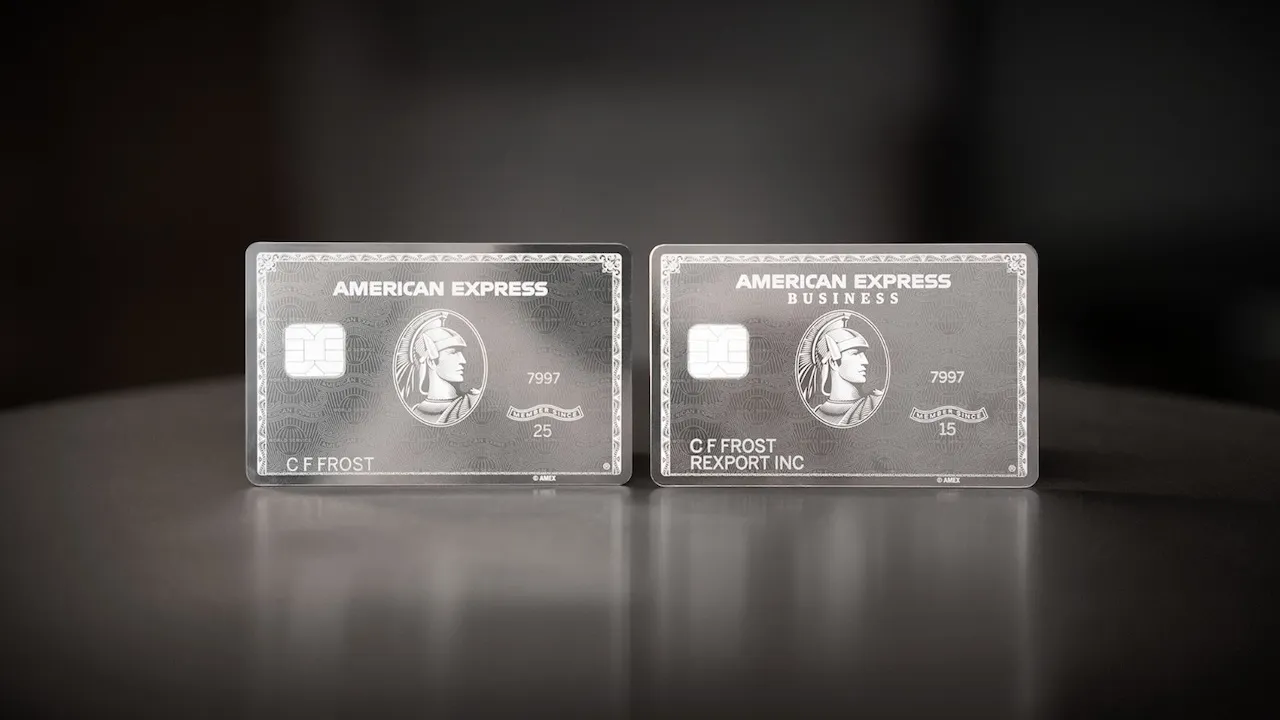
AmEx Tends to Be Higher
When tenants choose to pay rent by credit card, the type of card they use can significantly affect the processing cost. While Visa and Mastercard usually fall within the typical 2.5%–3.5% fee range, American Express (AmEx) almost always costs more. These higher fees come from the way AmEx structures its network, the value it provides to cardholders, and the premium rewards it offers. As a result, many property management platforms either charge more for AmEx transactions or choose not to accept AmEx at all.
Why American Express Fees Are Higher
1. Higher Interchange Rates
AmEx is known for charging higher interchange fees—costs paid by merchants (or tenants, when passed through) to process each transaction.These higher rates reflect AmEx’s business model, which emphasizes:
Premium rewards programs
Strong fraud protection
A more selective cardholder base
Because AmEx provides richer perks, the network recoups these costs through elevated processing fees.
2. Closed-Loop Network
Unlike Visa and Mastercard, which operate as open-loop networks involving multiple banks, American Express runs a more vertically integrated system.AmEx issues many of its own cards, manages its own merchant relationships, and maintains its own risk controls.This tighter ecosystem results in:
More control over fee structures
Less pressure to match lower-cost competitors
A premium pricing strategy for merchants and service providers
As a result, AmEx transactions usually cost more for property managers and payment processors to support.
3. Premium Cardholder Perks Drive Up Costs
American Express cards—especially Gold, Platinum, and co-branded travel cards—offer high-value rewards such as:
Airport lounge access
High points multipliers
Travel credits
Strong purchase protections
These benefits are subsidized through higher merchant (and therefore tenant) fees. Renters who use AmEx often do so for the ability to earn more valuable points on large transactions like rent.
Impact on Rent Payments
1. Higher Fees Passed to Tenants
Most rental payment portals pass the increased AmEx fee directly to tenants when they choose AmEx, sometimes adding:
A higher percentage fee (e.g., 3.5%–4%)
An additional flat fee
Renters using AmEx often pay more than those using Visa or Mastercard.
2. Some Property Platforms Don’t Accept AmEx
Because of the higher processing cost, some landlords or payment platforms opt out of accepting AmEx entirely.This avoids:
Higher merchant fees
Complex dispute handling
Extra administrative overhead
3. Renters Still Use AmEx for Rewards
Even with higher fees, many renters voluntarily pay with AmEx because they receive:
Premium travel points
Elite-status credit
Stronger purchase protections
Larger rewards from high-dollar transactions
For these renters, the value of earning AmEx points outweighs the extra cost.
What Property Providers Should Know
If offering multiple card types, property managers should:
Clearly disclose that AmEx fees may be higher
Provide a no-fee option (ACH) to remain compliant with state surcharge rules
Evaluate whether accepting AmEx aligns with tenant demand
Set portal settings that differentiate AmEx pricing from other cards
Transparency ensures tenants understand the fee differences before choosing their payment method.
American Express tends to be more expensive than other major card networks due to its premium rewards structure, closed-loop network, and higher interchange rates. While many renters still prefer AmEx for its benefits, landlords and property managers should be aware of the added cost and disclose it clearly. Ultimately, elevated AmEx fees are a trade-off between premium cardholder perks and higher processing expenses.
Some Landlords Subsidize Fees, but This Is Uncommon
In the rental industry, online card payments come with significantly higher processing costs than ACH transfers. While these fees are typically passed directly to tenants, a small number of landlords and property managers choose to subsidize all or part of the fee. However, this practice remains uncommon, largely due to cost, consistency, and portfolio-wide policy challenges.
Why Some Landlords Choose to Subsidize Card Fees
Although rare, there are situations where property providers decide to absorb card fees:
1. Competitive Advantage in High-Demand Markets
In luxury rentals or new lease-ups, offering “no-fee card payments” can act as a marketing perk. Subsidizing fees signals convenience and tenant-first service, helping high-end properties stand out.
2. Increasing On-Time Payments
Some owners subsidize fees to encourage tenants to pay through the online portal rather than with paper checks or office drop-offs.Benefits include:
Faster reconciliation
Lower administrative overhead
Reduced late or missed paymentsFor these owners, the operational savings justify absorbing the fee.
3. Corporate or Institutional Policies
Large institutional landlords may opt to pay a portion of the fees if it supports their digital-payment adoption goals or aligns with standardized corporate practices.
Why Subsidizing Fees Is Uncommon
Despite potential benefits, the vast majority of landlords avoid subsidizing credit/debit card fees. There are several reasons:
1. High and Variable Cost
Card fees typically run 2.5%–3.5% of the rent amount—or higher for American Express.For a $2,000 rent payment, fees can range from $50 to $70 per transaction.Absorbing this cost portfolio-wide becomes financially unsustainable for most owners.
2. Rent Amounts Are Too Large for Absorption
Unlike retail transactions, where the cost is spread across thousands of small purchases, rent is a high-dollar, single monthly payment.A few tenants paying with cards can quickly create significant expenses for the property owner.
3. Tenants Often Use Cards for Rewards or Float
When renters pay with credit cards, they frequently do so for:
Rewards points
Cashback
Short-term financial flexibilityBecause the choice is elective and tied to personal financial strategy, most landlords feel the tenant—not the owner—should bear the fee.
4. Operational Consistency Across Units
If a landlord subsidizes fees for some tenants and not others, it creates administrative complications.To avoid inconsistency, most property managers simply adhere to one rule:ACH = free, card = tenant-paid.
5. Industry Norms Favor Pass-Through
Property management software platforms typically default to tenant-paid card fees.Changing this requires custom settings or manual offsetting—steps most owners choose not to take.
What Tenants Should Know
If a landlord does subsidize card fees, it will usually be clearly stated because it’s considered a premium offering.More commonly, renters will see:
Free ACH payments
Tenant-paid card surcharges
Higher fees for AmEx
Always review the portal checkout screen for clear disclosure.
Although a small number of landlords subsidize card fees to attract tenants or streamline operations, it remains uncommon due to the high cost and limited scalability. For most properties, the standard model continues to be:
ACH for free,
Card payments available—with fees paid by the tenant.
Source:Industry fee disclosures from property management platforms (Buildium, AppFolio, Yardi); Visa/Mastercard interchange rate guidelines; rent-payment processor analyses on tenant-paid surcharges.
Where it’s most common:
More prevalent in high-cost, tech-forward metro areas such as Los Angeles, San Francisco, Seattle, Boston, and New York, where renters frequently use cards for rewards or cash-flow management.

Property Management Portals (AppFolio, Buildium, RealPage, RentPayment, etc.)
In today’s rental market, tenants and landlords increasingly rely on property management portals such as AppFolio, Buildium, RealPage, RentPayment, and similar platforms. While these portals are often thought of as payment methods, they are actually digital gateways that facilitate multiple payment types, offering convenience, security, and transparency for both tenants and property managers.
What Property Management Portals Do
Property management portals serve as the interface and infrastructure through which rent payments are processed. They are not payment methods themselves—instead, they connect tenants to various payment channels, including:
ACH (Automated Clearing House) transfers: Low-cost, direct debit from a tenant’s bank account.
Debit and credit cards: Instant authorization and optional convenience, float, or rewards points.
Cash at retail partners: Certain portals (e.g., PayNearMe) allow tenants to pay rent in cash at participating retailers.
The portal ensures secure data handling, records transaction history, and provides instant confirmation of payment to tenants and property managers alike.
Benefits for Tenants
1. Multiple Payment Options
Tenants can choose the payment method that suits their needs—ACH for low fees, credit cards for rewards, or cash at a local partner for those who prefer not to use digital banking.
2. Convenience and Flexibility
Online portals allow payments 24/7, including weekends and holidays, reducing the risk of late fees and giving tenants greater control over timing.
3. Payment Tracking and Receipts
Portals generate instant receipts and transaction logs, which are useful for budgeting, dispute resolution, and credit-building if rent is reported to credit bureaus.
Benefits for Property Managers
1. Streamlined Accounting
Portals automatically reconcile payments, reduce manual tracking, and integrate with property-management software for easier reporting and financial oversight.
2. Reduced Administrative Burden
By centralizing multiple payment channels into a single interface, portals free staff from managing checks, cash collections, or separate online systems.
3. Enhanced Payment Compliance and Security
Portals handle sensitive banking and card data securely, ensuring PCI compliance and minimizing fraud risk.
Optional Features
Some portals provide added functionality, including:
Scheduled recurring payments
Late fee automation
Integration with third-party rent-reporting services for credit-building
Mobile app access for tenants on the go
These features make portals a central hub for modern rent payment management.
Property management portals like AppFolio, Buildium, RealPage, and RentPayment are not payment methods themselves—they are the digital infrastructure that enables multiple payment types while providing security, convenience, and transparency. By acting as a gateway, portals streamline the rent-payment process for both tenants and property managers, modernizing how rent is collected and recorded.
Pros:
Integrated ledgering and receipts.
Ability to automate late fees, reminders, and recurring payments.
Providers can block high-risk card types or limit chargebacks.
Cons
Portal providers each have their own fee structures.
Some small landlords do not adopt portals due to cost.
What’s typical:
Large professionally managed complexes in cities like Houston, Denver, Miami, Chicago, and Nashville almost always require tenants to use their portal for all payments.
Smaller landlords (common in Northeast cities like Philadelphia, Baltimore, and Providence) may still accept checks or Zelle.
Chargebacks: Where the Risk Is Highest
Chargebacks occur when a renter disputes a payment. They’re most common with credit cards, occasionally with ACH, and almost never with cash payments.
Cities with higher reported chargeback rates (correlating with high card usage):
New York City
Los Angeles
San Francisco Bay Area
Seattle
Boston
Markets dominated by ACH and large management firms, such as Phoenix, Tampa, Atlanta, and Dallas, typically report lower chargeback incidence.
City-by-City Patterns (Summary)
City | Most Common Method | Notes |
Dallas / Atlanta / Phoenix / Tampa | ACH | Driven by large multifamily operators and low fees. |
Los Angeles / San Francisco / Seattle | Credit & debit cards | Tech-adoption cities; tenants often use cards for rewards. |
New York | Mixed, but high card usage | Many buildings allow multiple methods; chargebacks higher. |
Chicago / Denver / Miami / Nashville | Portal-based ACH | Professionalized property management sector. |
Philadelphia / Baltimore / Providence | Mixed; many still accept checks/Zelle | More small landlords without formal portals. |
Choosing the Right Method as a Renter
If you want lowest cost → choose ACH.
If you need instant posting or card rewards → card payments may be worth the fee.
If your landlord uses a portal, check which methods have surcharges.
Always confirm whether card payments incur convenience fees before using them.
Avoid chargebacks unless absolutely necessary — they can lead to non-renewal or collections.
Sources:
NACHA — How ACH Payments Work
NACHA — Benefits of ACH Payments for Businesses
NACHA — ACH in Property Management: Adoption and Best Practices
NACHA — ACH Payment Dispute Rules and Consumer Protections
NACHA — ACH Settlement Times and Processing Windows
NACHA — ACH Payment Fee Models in Consumer Transactions
NACHA — Cost Advantages of ACH vs. Card Payments in Business and Property Management
NACHA — ACH Usage Trends in Property Management and High-Volume Rental Markets
researchgate.net; property management payment workflow summaries.
NerdWallet credit card rewards analysis; CFPB credit card market trends; property payment processor reports.
Nacha ACH fee guidelines; Visa/Mastercard interchange rate tables; property payment processor fee disclosures.
Visa and Mastercard dispute/chargeback documentation guidelines; CFPB dispute process summaries; NACHA ACH return reason codes.
Credit Card Surcharge Laws by State” (merchantcostconsulting.com) Merchant Cost Consulting
Credit Card Surcharge Laws by State Explained (2025)” (LawPay) LawPay
Surcharge Guidance” (StaxPayments blog)
Nacha ACH fee comparisons; Visa/Mastercard interchange guidance; property management payment processor fee schedules (Buildium, AppFolio, Yardi).
Visa and Mastercard interchange comparison charts; American Express merchant fee disclosures; payment processor documentation from Buildium, AppFolio, and Yardi.
AppFolio Help Center; Buildium Payment Portal Documentation; RealPage Resident Portal Overview; RentPayment Platform Features.