Renting With Roommates Florida: A Complete Guide for Palm Coast and Deerfield Beach

Finding a rental with friends or roommates can make living in Florida much more affordable. Whether you are moving to Palm Coast for its quiet neighborhoods or choosing Deerfield Beach for its coastal lifestyle, sharing a rental can reduce housing costs while giving you access to larger homes and better amenities.
However, renting with roommates also creates legal and financial responsibilities that every tenant should understand before signing a lease. Knowing how deposits work, the difference between lease types, and how liability is shared can help prevent misunderstandings later.
If you are researching renting with roommates Florida, this guide explains what to know before moving in together.
Why Rent with Roommates? A Smart Choice for Florida Renters
Renting with roommates has become an increasingly popular option for people looking to reduce housing costs while enjoying more living space. Whether you are relocating for work, attending school, or simply trying to stretch your budget, renting with roommates Florida can make quality housing more affordable.
In communities such as Palm Coast and Deerfield Beach, shared rentals allow tenants to access larger homes, desirable neighborhoods, and amenities that may be difficult to afford alone.
Lower Monthly Rent Per Person
One of the biggest benefits of renting with roommates is sharing the monthly rent.
Instead of paying the full lease amount on your own, each roommate contributes a portion of the rent. This can make it possible to live in a larger home or a better location without significantly increasing individual housing costs.
For example, a three-bedroom home shared among three tenants may cost each person less than renting separate one-bedroom apartments.
Shared Utility Costs
Rent is only one part of the monthly housing budget.
Roommates typically split expenses such as:
Electricity
Water and sewer
Internet service
Trash collection (where applicable)
Streaming services
Household supplies
Sharing these recurring expenses often lowers each person's monthly cost compared to living alone.
Access to Larger Homes
Many renters prefer extra bedrooms, larger kitchens, garages, or outdoor living areas.
By sharing rent, roommates may afford:
Three or four-bedroom single-family homes
Spacious townhouses
Larger apartments with multiple bathrooms
Homes featuring private yards or patios
The additional space provides more privacy while still reducing overall housing expenses.
More Neighborhood Options
Budget limitations sometimes prevent renters from living in their preferred neighborhoods.
Sharing rent can expand housing choices by making higher-priced areas more accessible. Roommates may be able to rent properties closer to employment centers, beaches, shopping districts, or recreational facilities without exceeding their individual budgets.
This flexibility often results in shorter commutes and improved quality of life.
Renting Homes That Might Otherwise Be Out of Reach
Some rental homes are simply too expensive for a single tenant.
Sharing housing costs allows roommates to qualify for properties that offer:
More bedrooms
Newer construction
Better school districts
Larger parking areas
Community amenities such as pools or fitness centers
Instead of compromising on space or location, roommates can often enjoy higher-quality housing while keeping individual expenses manageable.
Renting with Roommates in Palm Coast
Palm Coast is well suited for shared housing because of its large selection of single-family homes and townhouses.
Many roommate groups choose these properties because they offer:
Multiple bedrooms
Driveways and garages
Additional storage
Larger yards
Quiet residential neighborhoods
The extra space makes it easier for roommates to maintain privacy while enjoying shared living areas.
Renting with Roommates in Deerfield Beach
Deerfield Beach offers a different rental market, with many roommate groups selecting apartments, condominiums, or townhouses.
Popular reasons include:
Convenient access to shopping centers
Restaurants and entertainment
Beaches and waterfront recreation
Public transportation options
Walkable neighborhoods in certain areas
Sharing a rental in Deerfield Beach can make coastal living more affordable while allowing roommates to split both housing and utility expenses.
Additional Benefits Beyond Saving Money
Living with roommates may also provide practical advantages beyond lower housing costs.
These can include:
Shared household responsibilities
Increased flexibility when furnishing common areas
Improved security when someone is usually home
Social support for people relocating to a new city
Clear communication and written agreements about rent, utilities, cleaning, and household expectations help create a positive roommate experience.
For many renters, renting with roommates Florida offers an effective way to lower monthly expenses without sacrificing space or location. By sharing rent and utility costs, roommates can often enjoy larger homes, better neighborhoods, and amenities that may otherwise be beyond an individual budget.
Whether you are considering a spacious single-family home in Palm Coast or a conveniently located apartment or townhouse in Deerfield Beach, choosing the right roommates and establishing clear financial expectations can make shared renting both affordable and enjoyable.

How Security Deposits Are Usually Split When Renting with Roommates in Florida
When renting with roommates Florida, one of the first financial responsibilities is deciding how to handle the security deposit. While splitting monthly rent is usually straightforward, security deposits require a bit more planning because landlords generally collect and return a single deposit for the entire rental property.
Understanding how deposits work and creating a written agreement with your roommates can help prevent misunderstandings when it's time to move out.
How Security Deposits Typically Work
In most Florida rentals, the landlord collects one security deposit for the entire property, not separate deposits from each tenant. The deposit serves as financial protection against unpaid rent, excessive cleaning costs, or damage beyond normal wear and tear.
If multiple roommates sign the lease together, they are usually responsible for contributing their agreed share of the deposit before moving in.
Example of Splitting a Security Deposit
Consider the following example:
Monthly rent: $2,400
Security deposit: $2,400
Number of roommates: 3
Each roommate contributes:
$2,400 ÷ 3 = $800
Expense | Total | Per Roommate (3 Roommates) |
Monthly Rent | $2,400 | $800 |
Security Deposit | $2,400 | $800 |
This arrangement is common when each roommate occupies one bedroom and agrees to split housing costs equally. However, roommates may choose a different arrangement if one bedroom is significantly larger or includes a private bathroom.
Why a Written Deposit Agreement Matters
Although each roommate contributes part of the security deposit, the landlord typically returns one combined deposit after the lease ends, assuming all lease obligations have been met.
Without a written agreement, disagreements can arise over questions such as:
Who receives the refund from the landlord?
How should deductions for damages be shared?
What happens if one roommate moves out early?
How are cleaning costs divided?
A simple written roommate agreement can answer these questions before they become problems.
What If a Roommate Moves Out Before the Lease Ends?
It is common for one roommate to relocate before the lease expires.
In these situations, roommates should decide in advance:
Whether the departing roommate is reimbursed immediately by a replacement roommate.
Whether reimbursement waits until the landlord returns the deposit at the end of the lease.
How any future deductions for damages will affect the departing roommate's contribution.
Having these terms in writing helps everyone understand their financial responsibilities.
Document the Property at Move-In
One of the best ways to avoid disputes is to carefully document the condition of the rental before moving in.
Consider taking:
Photos of every room
Pictures of walls, floors, and ceilings
Images of appliances and fixtures
Photos of existing scratches, stains, or dents
Videos showing the overall condition of the property
Be sure to save these files in a shared folder that all roommates can access. If questions arise at move-out, this documentation can help clarify what damage existed before the tenancy began.
Communicate Throughout the Lease
Maintaining open communication during the lease can make the move-out process much easier. Roommates should discuss any damage as soon as it occurs and determine who is responsible for repairs or replacement costs.
Keeping records of maintenance requests and repairs can also help if there are questions about the property's condition later.
Tips for Protecting Everyone's Deposit
To reduce the chance of disagreements, roommates should:
Decide how the security deposit will be split before signing the lease.
Put all deposit arrangements in a written roommate agreement.
Keep receipts showing each person's contribution.
Take detailed move-in photos and videos.
Report maintenance issues promptly.
Complete a thorough cleaning before moving out.
Perform a final walkthrough together if possible.
When renting with roommates Florida, splitting the security deposit is usually simple at the beginning of the lease but can become more complicated when the tenancy ends. Because landlords generally collect and return one combined deposit, roommates should clearly document each person's contribution and agree in writing on how any refund will be divided.
With careful planning, accurate records, and good communication, roommates can protect their financial interests and make the move-out process smoother for everyone.

Joint Lease vs Individual Lease: What Florida Roommates Should Know
When renting with roommates Florida, understanding your lease structure is just as important as choosing the right home. The type of lease you sign determines who is responsible for paying rent, maintaining the property, and complying with the lease terms.
The two most common arrangements are joint leases and individual leases. Each has advantages and responsibilities, so it is important to know how they differ before signing a rental agreement.
What Is a Joint Lease?
A joint lease places all roommates on a single rental agreement. Every tenant signs the same lease and shares responsibility for the property throughout the rental term.
Joint leases are common for:
Single-family homes
Townhouses
Condominiums
Some apartments
Benefits of a Joint Lease
Many roommate groups choose a joint lease because it offers several advantages:
One lease covers the entire property.
The approval process is often simpler because everyone applies together.
It may provide access to larger homes that would be difficult for one person to afford.
Rent and household expenses can be divided among all tenants.
For groups looking for more space or a better location, a joint lease can make larger rental homes financially accessible.
Responsibilities Under a Joint Lease
While a joint lease offers convenience, it also creates shared responsibility.
Roommates are generally responsible for:
Paying the full monthly rent.
Caring for the property.
Following all lease terms.
Covering utility payments if they are included in the lease.
If one roommate fails to meet their obligations, the remaining roommates may still be expected to fulfill the lease requirements.
For example, if one tenant stops paying rent, the landlord may still require the full rental amount to be paid on time.
What Is an Individual Lease?
An individual lease gives each roommate a separate rental agreement for their own bedroom while sharing common spaces such as the kitchen, living room, and laundry area.
This type of leasing is more commonly found in:
Student housing
Purpose-built roommate apartments
Certain apartment communities
It is less common for single-family homes and privately owned rental properties.
Advantages of an Individual Lease
An individual lease offers several benefits for renters who want greater financial independence.
These include:
Each tenant is responsible only for their own rent.
Financial responsibility is separate from other roommates.
Replacing one roommate is often easier if someone moves out.
A roommate's missed payment usually does not become another tenant's responsibility.
This structure can reduce financial risk, particularly for renters who do not know one another well before moving in.
Joint Lease vs Individual Lease
Feature | Joint Lease | Individual Lease |
Lease Agreement | One lease for all roommates | Separate lease for each tenant |
Rent Responsibility | Shared responsibility for total rent | Each tenant pays their own rent |
Liability | Shared among all tenants | Usually limited to individual tenant |
Best For | Houses, townhouses, condos | Student housing and some apartments |
Replacing a Roommate | Often requires landlord approval and lease changes | Usually easier within the property's leasing process |
Understanding these differences can help you choose the lease structure that best fits your living situation and financial comfort level.
Understanding Joint Liability
Many Florida residential leases include a joint and several liability clause.
This means every tenant is legally responsible for fulfilling the entire lease agreement, not just their individual share.
If one roommate:
Stops paying rent
Causes significant property damage
Breaks the lease
Moves out without notice
the landlord may seek payment or damages from any of the remaining roommates.
Because of this shared responsibility, it is important to choose roommates carefully and ensure everyone understands the financial obligations before signing.
Create a Roommate Agreement
Even if you have known your roommates for years, a written roommate agreement is a valuable tool.
Unlike the lease, which governs your relationship with the landlord, a roommate agreement helps define expectations between the people sharing the home.
Consider including topics such as:
Rent payment schedule
Utility responsibilities
Internet and streaming expenses
Cleaning duties
Guest policies
Pet rules
Parking assignments
Grocery and household supply sharing
Quiet hours
Procedures if someone wants to move out early
While a roommate agreement does not replace the lease, it can reduce misunderstandings and make everyday living more organized.
Tips Before Signing Any Lease
Before committing to a shared rental, roommates should:
Read the entire lease carefully.
Ask the landlord about payment responsibilities.
Understand whether the lease includes joint liability.
Keep copies of all signed documents.
Create a written roommate agreement before moving in.
Discuss financial expectations honestly with everyone involved.
Taking these steps can help prevent disputes and make shared living a more positive experience.
Choosing between a joint lease and an individual lease is one of the most important decisions when renting with roommates Florida. A joint lease can provide access to larger homes and simplify the rental process, but it also creates shared financial responsibility. An individual lease offers greater personal protection, though it is typically available only in certain apartment communities and student housing.
No matter which option you choose, understanding the lease terms, recognizing the impact of joint liability, and creating a clear roommate agreement can help build a successful and stress-free shared living arrangement.

Finding Roommate-Friendly Floor Plans in Florida
Finding the right floor plan is one of the most important steps when renting with roommates Florida. A home that works well for one person may not provide enough privacy or convenience for multiple tenants.
The best roommate-friendly rentals balance personal space with comfortable shared areas. Whether you're searching in Palm Coast or Deerfield Beach, choosing the right layout can make everyday living easier and help reduce conflicts.
What Makes a Floor Plan Roommate-Friendly?
A well-designed floor plan allows each roommate to enjoy privacy while making common spaces functional and comfortable. Before signing a lease, consider how the layout fits everyone's lifestyle, work schedules, and daily routines.
Here are some of the most desirable features to look for.
Split Bedroom Layouts
A split bedroom layout places bedrooms on opposite sides of the home rather than next to one another.
Benefits include:
More personal privacy
Reduced noise between bedrooms
Better separation for different work or sleep schedules
A more comfortable living arrangement for unrelated roommates
This type of layout is especially popular in larger apartments, townhouses, and single-family homes.
Equal Bedroom Sizes
Bedrooms that are similar in size can make sharing a rental much simpler.
When rooms are nearly identical, roommates are less likely to disagree about:
Rent contributions
Storage space
Furniture placement
Overall fairness
If one bedroom is significantly larger or includes a private bathroom, roommates may decide to adjust each person's share of the rent accordingly.
Multiple Bathrooms
Having two or more bathrooms can significantly improve daily life in a shared home.
Multiple bathrooms help by:
Reducing morning congestion
Providing additional privacy
Making it easier to accommodate different work schedules
Creating a more comfortable experience for guests
Working professionals, students, and families sharing a rental often consider this one of the most valuable features.
Open Living Areas
Shared spaces are an important part of roommate living.
Look for homes with:
Spacious kitchens
Comfortable living rooms
Dining areas large enough for everyone
Outdoor patios or backyards when available
Open common areas encourage shared meals, relaxation, and entertaining while still allowing everyone to enjoy the home comfortably.
Extra Parking
Parking is sometimes overlooked during the rental search, but it can become a major issue if every roommate owns a vehicle.
Before signing a lease, verify:
Number of available parking spaces
Garage availability
Driveway capacity
Guest parking rules
Community parking restrictions
Understanding the parking situation in advance can prevent frustration after moving in.
Palm Coast Roommate Rental Options
Palm Coast offers many properties that are well suited for roommates, particularly those looking for more living space and suburban neighborhoods.
Popular rental choices include:
Three-bedroom single-family homes
Townhouses with attached garages
Duplexes
Larger apartment communities
Many Palm Coast neighborhoods feature quiet streets, parks, and convenient access to Interstate 95, making commuting easier for multiple working adults. The city's spacious residential developments also provide ample parking and outdoor space that many roommate groups appreciate.
Deerfield Beach Roommate Rental Options
Deerfield Beach provides a wide variety of housing options for roommates who want convenient access to coastal amenities and urban conveniences.
Common choices include:
Apartments
Townhouses
Condominiums
Multi-bedroom homes
Many renters search for properties close to:
Beaches
Restaurants
Shopping centers
Public transportation
Major highways
Sharing housing costs can make these desirable locations more affordable while allowing roommates to enjoy the benefits of living near entertainment, dining, and recreation.
Tips for Choosing the Right Shared Rental
Before committing to a property, roommates should tour the home together and discuss how the layout meets everyone's needs.
Consider asking questions such as:
Does each roommate have enough privacy?
Is there adequate storage space?
Are there enough bathrooms?
Is parking sufficient for all vehicles?
Are common areas large enough for everyone?
Does the location fit each roommate's commute?
Addressing these questions before signing the lease can help ensure the home works well for everyone.
When renting with roommates Florida, choosing the right floor plan is just as important as finding the right roommates. Features such as split bedroom layouts, multiple bathrooms, equal-sized bedrooms, spacious living areas, and sufficient parking can make shared living more comfortable and reduce potential conflicts.
Whether you're considering a spacious home in Palm Coast or a conveniently located apartment or townhouse in Deerfield Beach, selecting a roommate-friendly layout can lead to a more enjoyable and successful rental experience.
How Utilities Are Usually Handled When Renting with Roommates in Florida
When renting with roommates Florida, deciding how to manage utilities is just as important as agreeing on rent payments. Clear expectations from the beginning can help roommates avoid confusion, missed payments, and unnecessary disagreements.
Before moving in, roommates should discuss who will open utility accounts, how bills will be divided, and when payments are due. Putting these details in a written roommate agreement can make shared living much smoother.
Decide on a Payment Plan Before Moving In
Every household has different preferences, but the most successful roommate arrangements establish a utility payment system before the first bill arrives.
Topics to discuss include:
Who will hold each utility account
How bills will be divided
Payment due dates
How unexpected increases in utility costs will be handled
What happens if someone pays late
Having these conversations early helps everyone understand their financial responsibilities.
Common Ways to Split Utility Bills
There is no single method that works for every household. The best approach depends on the number of roommates, the types of utilities, and personal preferences.
One Roommate Pays All Bills
A common arrangement is for one roommate to keep all utility accounts in their name and pay each bill directly.
The other roommates reimburse their share every month.
Benefits include:
Fewer utility accounts to manage
Simplified billing
One person monitors due dates
Easier record keeping
To avoid misunderstandings, the account holder should share copies or screenshots of each bill before requesting reimbursement.
Use Automatic Payment Apps
Many roommates prefer using payment apps or shared expense platforms that automatically calculate each person's share.
Advantages include:
Equal bill splitting
Faster reimbursements
Digital payment records
Fewer forgotten payments
Automatic reminders can also help everyone pay on time and reduce the need for repeated follow-ups.
Divide Responsibility Among Roommates
Another option is assigning different utility accounts to different roommates.
For example:
One roommate manages the electricity account.
Another handles the internet service.
A third pays the water bill.
At the end of each month, roommates compare the costs and reimburse one another if necessary to keep expenses balanced.
This approach spreads responsibility while ensuring no single person manages every account.
Utilities Commonly Shared
Most roommate households divide the cost of several recurring services.
Typical shared expenses include:
Electricity
Water and sewer
Internet service
Trash collection (where billed separately)
Streaming subscriptions
Some households also share expenses for cleaning supplies, paper products, and other household essentials, although these arrangements vary.
Create a Consistent Payment Schedule
One of the easiest ways to prevent disagreements is to establish a regular payment routine.
Many roommate groups choose to:
Pay utility reimbursements on the same day each month.
Set calendar reminders before due dates.
Keep digital records of all payments.
Notify one another immediately if a bill is higher than expected.
Consistency helps everyone budget more effectively and reduces the risk of late fees or service interruptions.
Plan for Seasonal Changes
Utility bills are not always the same each month.
For example:
Electricity costs may increase during Florida's hotter months because of air conditioning.
Water usage may rise if the property has outdoor landscaping or a pool.
Internet plans may change if faster service is needed for remote work or online learning.
Discussing how to handle seasonal fluctuations ahead of time can prevent surprises when bills increase.
Include Utilities in Your Roommate Agreement
Although a roommate agreement does not replace the lease, it is an excellent place to document how shared expenses will be managed.
Your agreement can include:
Who is responsible for each utility account
How bills are divided
Payment deadlines
Procedures for handling late payments
What happens if someone moves out before the lease ends
A written agreement provides clarity and helps avoid disputes later.
Tips for Successful Utility Management
To keep shared finances organized:
Decide on a payment method before moving in.
Share copies of utility bills with all roommates.
Pay reimbursements promptly.
Track payments using digital records or spreadsheets.
Communicate openly about changes in utility costs.
Review shared expenses periodically to ensure the arrangement remains fair.
Managing utilities is an essential part of renting with roommates Florida. Whether one roommate pays all the bills, everyone uses a payment app, or each person manages a separate account, having a clear plan helps keep finances organized and relationships positive.
By agreeing on responsibilities early, maintaining consistent payment schedules, and documenting expectations in a roommate agreement, roommates can enjoy a smoother and more successful shared living experience.

Choosing Compatible Roommates: Building a Successful Shared Rental Experience
Finding the right home is only part of a successful shared rental experience. When renting with roommates Florida, choosing compatible roommates can have just as much impact on your day-to-day life as the location or monthly rent.
While moving in with friends may seem like an easy decision, financial responsibility, communication, and compatible lifestyles often matter more than friendship alone. Taking time to discuss expectations before signing a lease can help everyone enjoy a more comfortable and stress-free living environment.
Why Compatibility Matters
Sharing a home means sharing financial responsibilities, common areas, and daily routines. Even small differences in habits can become larger issues if expectations are never discussed.
Choosing roommates with similar lifestyles and open communication can help reduce misunderstandings and make living together more enjoyable.
Discuss Employment and Financial Stability
One of the first conversations roommates should have involves employment and income.
Topics to discuss include:
Current employment status
Reliable source of income
Ability to consistently pay rent
Preferred method for sharing household expenses
Financial stability helps ensure that rent and utility payments are made on time, reducing stress for everyone sharing the lease.
Compare Work Schedules
Different work schedules can affect daily life in a shared home.
For example:
One roommate may work early mornings.
Another may work overnight shifts.
Someone may work remotely from home throughout the day.
Understanding each person's schedule helps establish quiet hours and minimizes disruptions during work or sleep.
Talk About Cleaning Habits
Every household has different expectations for cleanliness.
Before moving in, discuss:
How often common areas will be cleaned
Responsibility for taking out the trash
Kitchen cleanup after meals
Bathroom cleaning schedules
Shared household supplies
Some roommate groups create a rotating cleaning schedule so responsibilities are shared fairly.
Set Expectations for Overnight Guests
Guests are a normal part of life, but roommates should agree on reasonable expectations before moving in.
Consider discussing:
How often overnight guests are welcome
Whether advance notice is expected
Use of shared spaces when guests visit
Parking arrangements for visitors
Clear communication helps everyone feel comfortable in the home.
Discuss Pets
If one or more roommates have pets or plan to adopt one during the lease, it is important to address the topic early.
Questions to consider include:
Are pets allowed under the lease?
Who is responsible for pet care?
How will pet-related expenses be handled?
Does anyone have allergies?
Ensuring everyone is comfortable with pets can prevent future conflicts.
Be Honest About Smoking Preferences
Smoking policies should be discussed before signing the lease.
Topics may include:
Whether smoking is permitted inside the home
Outdoor smoking areas
E-cigarettes or vaping
Lease restrictions related to smoking
Respecting both the lease terms and each roommate's preferences helps maintain a comfortable living environment.
Agree on Noise Expectations
Noise is one of the most common sources of roommate disagreements.
Before moving in, talk about:
Preferred quiet hours
Music volume
Television use
Phone calls in shared spaces
Hosting gatherings or parties
Setting reasonable expectations from the beginning promotes mutual respect.
Discuss Long-Term Housing Plans
Roommates should also talk about their future plans.
Helpful questions include:
Does everyone intend to stay for the full lease term?
Is anyone planning to relocate for work or school?
Would roommates consider renewing the lease together?
What happens if someone needs to move out early?
Understanding long-term goals can help everyone prepare for future changes and avoid unexpected complications.
Create a Written Roommate Agreement
After discussing expectations, consider putting them into a written roommate agreement.
Topics commonly included are:
Rent payment responsibilities
Utility payment arrangements
Cleaning schedules
Guest policies
Pet rules
Parking assignments
Quiet hours
Shared household purchases
Procedures if a roommate moves out before the lease ends
Although a roommate agreement does not replace the lease, it provides a clear reference for everyone living in the home.
Tips for a Positive Roommate Relationship
Successful roommate arrangements often share a few common practices:
Communicate openly and respectfully.
Address concerns early before they become larger problems.
Pay rent and utilities on time.
Respect each other's privacy.
Keep shared spaces clean.
Follow the rules outlined in the lease and roommate agreement.
These habits help create a cooperative and enjoyable living environment.
When renting with roommates Florida, compatibility extends beyond friendship. Financial responsibility, communication, shared expectations, and similar lifestyles all contribute to a successful living arrangement.
By discussing employment, work schedules, cleaning habits, guests, pets, smoking preferences, noise levels, and long-term plans before moving in, roommates can build a stronger foundation for a positive and stress-free rental experience.
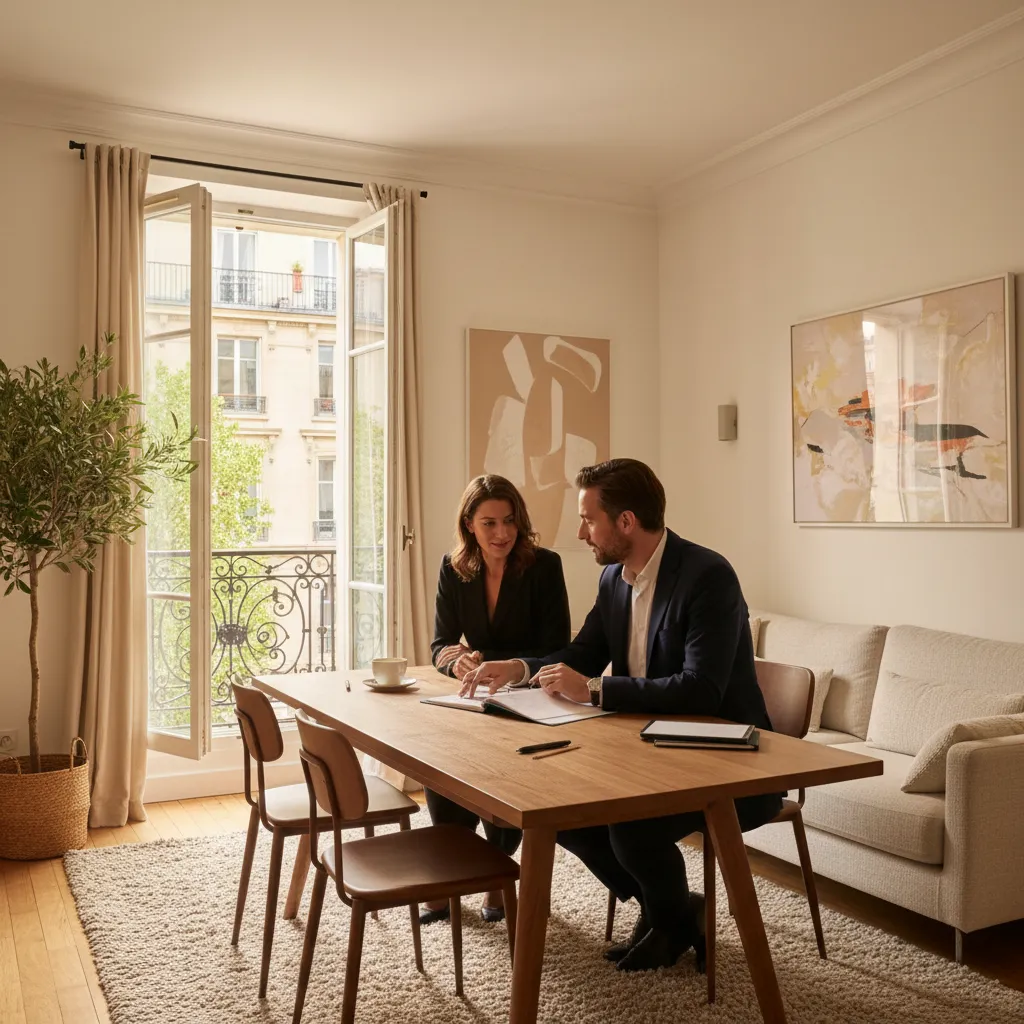
Questions to Ask Before Signing a Shared Rental Lease in Florida
When renting with roommates Florida, signing a lease is a major financial commitment. Before anyone signs, every roommate should understand the lease terms, household responsibilities, and property rules. Asking the right questions in advance can help prevent misunderstandings, protect everyone's finances, and create a smoother living experience.
Whether you're renting a single-family home in Palm Coast or an apartment in Deerfield Beach, taking time to review the details can make a significant difference throughout the lease.
Is Everyone Listed on the Lease?
One of the first questions to ask is whether every roommate will be listed as a tenant on the lease.
Being named on the lease typically means each tenant has legal rights and responsibilities under the rental agreement. If someone is living in the home without being approved by the landlord or added to the lease, it could violate the lease terms and create complications for everyone involved.
Confirm with the landlord or property manager that all intended occupants are properly documented before move-in.
Is the Lease Joint or Individual?
Understanding the lease structure is essential.
Ask whether the property uses:
A joint lease, where all roommates sign one lease and share responsibility for the rental.
An individual lease, where each roommate signs a separate agreement for their own bedroom.
Knowing which type of lease applies helps everyone understand their financial obligations and legal responsibilities.
How Is the Security Deposit Handled?
Security deposits are often collected as a single payment for the entire property.
Before signing, ask:
How much is the total security deposit?
How should roommates divide the payment?
Who will receive the deposit refund when the lease ends?
How are deductions for damages or cleaning handled?
Roommates should also consider creating a written agreement that explains how the deposit will be divided if someone moves out before the lease expires.
What Happens If Someone Moves Out Early?
Life circumstances can change during a lease term.
Ask the landlord:
Can a replacement roommate be added?
Does the landlord require approval of a new tenant?
Is the remaining group responsible for the departing roommate's share of the rent?
Are there fees associated with changing occupants?
Understanding the process ahead of time helps everyone prepare for unexpected changes.
Who Pays Each Utility?
Utility costs should be discussed before moving in.
Questions to ask include:
Which utilities are included in the rent?
Which utilities must tenants arrange themselves?
Who will open each utility account?
How will monthly bills be divided?
Clear agreements on utility payments help prevent late payments and disagreements.
Are Pets Allowed?
If any roommate owns a pet or plans to get one, confirm the property's pet policy before signing the lease.
Important questions include:
Are pets permitted?
Are there breed, size, or quantity restrictions?
Is a pet deposit or monthly pet rent required?
Are there designated pet areas within the community?
Knowing the rules in advance can help avoid lease violations.
Is Renters Insurance Required?
Many landlords encourage or require renters insurance.
Before signing, ask:
Is renters insurance mandatory?
What minimum coverage is required?
Does each roommate need an individual policy, or can coverage be shared?
Renters insurance can help protect personal belongings and may provide liability coverage, depending on the policy.
Are Parking Spaces Assigned?
Parking can be an important consideration, especially if multiple roommates own vehicles.
Ask about:
Assigned parking spaces
Garage access
Guest parking availability
Additional vehicle fees
Community parking rules
Confirming parking arrangements before moving in helps avoid future inconveniences.
Review the Lease Together
Instead of having each roommate review the lease separately, consider reading it together before signing.
Pay close attention to:
Rent due dates
Late payment policies
Maintenance responsibilities
Occupancy limits
Renewal options
Move-out procedures
If anything is unclear, ask the landlord or property manager for clarification before signing.
Create a Roommate Agreement
In addition to the lease, roommates should create a written agreement that covers household expectations.
This agreement can include:
Rent payment schedules
Utility responsibilities
Cleaning duties
Guest policies
Quiet hours
Pet care responsibilities
Grocery and household supply sharing
Procedures if someone moves out early
While a roommate agreement is separate from the lease, it can help reduce misunderstandings and encourage open communication.
When renting with roommates Florida, asking the right questions before signing the lease can save time, money, and stress. Understanding who is on the lease, how the security deposit is managed, who pays utilities, and what happens if a roommate moves out helps everyone begin the tenancy with clear expectations.
A careful review of the lease, combined with honest conversations and a written roommate agreement, creates a strong foundation for a successful shared rental experience.
Sharing a rental can be one of the most affordable ways to live in Palm Coast or Deerfield Beach. By understanding how security deposits are divided, knowing whether your lease is joint or individual, and creating clear agreements with roommates, you can reduce financial risk and enjoy a smoother rental experience.
For anyone considering renting with roommates Florida, planning ahead and communicating openly with future roommates can make the difference between a successful shared home and unnecessary disputes.
Sources
Consumer Financial Protection Bureau – Renting a Home
U.S. Department of Housing and Urban Development (HUD) – Rental Assistance and Tenant Resources
Florida Legislature – Chapter 83, Florida Residential Landlord and Tenant Act
Florida Bar – Consumer Information on Landlord and Tenant Law
Consumer Financial Protection Bureau – Renting a Home
Florida Legislature – Chapter 83, Florida Residential Landlord and Tenant Act
The Florida Bar – Consumer Information on Landlord and Tenant Law
U.S. Department of Housing and Urban Development (HUD) – Rental Assistance and Tenant Resources
Consumer Financial Protection Bureau – Renting a Home
Florida Bar. The Florida Residential Landlord and Tenant Act (Chapter 83, Part II).https://www.floridabar.org
Florida Legislature. Chapter 83, Florida Statutes, Landlord and Tenant.https://www.leg.state.fl.us
Consumer Financial Protection Bureau (CFPB). Renting and tenant resources.https://www.consumerfinance.gov
U.S. Department of Housing and Urban Development (HUD). Rental Assistance and Tenant Rights.https://www.hud.gov