Best Time to Rent Florida: Month-by-Month Guide to Finding Rental Deals in Palm Coast and Deerfield Beach
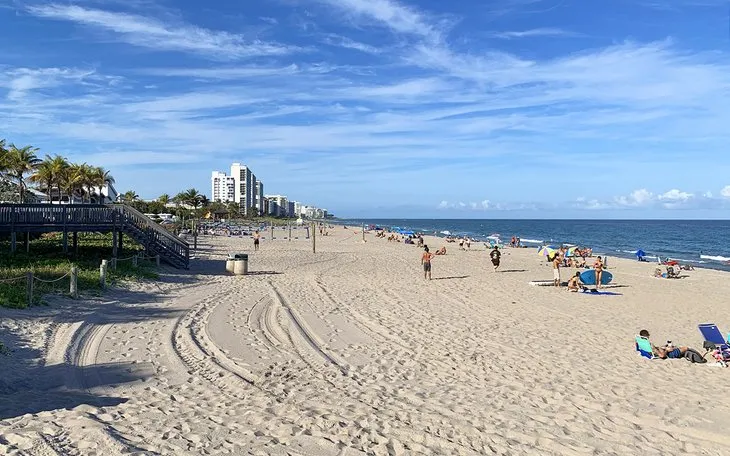
If you are searching for the best time to rent Florida, timing can make a significant difference in both pricing and availability. While rental rates are influenced by local market conditions, seasonal demand also plays an important role, especially in popular coastal communities like Palm Coast and Deerfield Beach.
Unlike many states where rental demand remains relatively stable throughout the year, Florida experiences noticeable shifts based on tourism, snowbird migration, school schedules, and household moving patterns. Understanding these seasonal trends can help renters maximize their options and potentially negotiate better lease terms.
This guide explains what renters can typically expect each month when looking for homes or apartments in Palm Coast and Deerfield Beach.
Why Timing Matters When Renting in Florida
Finding the right rental home is not only about choosing the right neighborhood or budget. Timing also plays a significant role in how many properties are available, how much competition you face, and how much negotiating power you have. Understanding seasonal rental trends can help renters make smarter decisions and potentially secure better lease terms.
Rental Demand Changes Throughout the Year
Florida's rental market follows fairly predictable seasonal patterns. Population movement, tourism, school schedules, and weather all influence when more people search for housing.
During periods of high demand, available rentals can disappear quickly. In slower seasons, landlords often have more vacant units and may be willing to negotiate with qualified applicants.
While local conditions vary between cities, recognizing these annual cycles gives renters a valuable advantage.
What Happens During Busy Rental Seasons?
When rental demand increases, competition among renters also rises.
During busy periods, renters can expect:
More applicants competing for the same property
Faster leasing of well-priced homes
Less time to make decisions
Fewer opportunities to negotiate monthly rent
More competition for desirable neighborhoods and school districts
In many Florida markets, attractive listings may receive multiple applications within days, particularly if they are priced competitively.
Advantages of Renting During Slower Seasons
When rental demand slows, the market often becomes more favorable for tenants.
Benefits may include:
More available listings to choose from
Longer decision-making time
Greater flexibility in scheduling move-in dates
Increased willingness from landlords to negotiate lease terms
Potential concessions such as reduced application fees or small move-in incentives
Although rent prices do not always decrease, landlords with vacant properties may prioritize filling the unit over waiting for peak-season demand.
More Choices Lead to Better Decisions
One of the biggest advantages of renting during quieter months is having more time to compare options.
Instead of rushing into the first available property, renters can:
Compare multiple neighborhoods
Evaluate amenities and parking options
Review lease conditions carefully
Schedule several property tours
Consider commute times and nearby services
Making decisions without intense competition often leads to a rental that better fits both lifestyle and budget.
Timing Can Affect Negotiation Opportunities
Landlords naturally want to minimize vacancy periods. If a property has been listed for several weeks during a slower season, they may be more open to reasonable negotiations.
Qualified renters might successfully discuss:
Flexible lease start dates
Minor rent adjustments
Included lawn care or maintenance services
Reduced pet fees
Lease renewal options
Strong credit, stable income, and complete application documents improve negotiating power regardless of the season.
Every Property Is Different
Seasonal trends provide useful guidance, but every rental property is unique.
Factors that influence leasing speed include:
Property condition
Neighborhood demand
School district
Rental price
Size and layout
Included amenities
Local employment growth
A well-maintained home in a desirable area may rent quickly even during slower months, while overpriced properties may remain available regardless of the season.
Plan Your Rental Search Early
Even if you intend to move during a slower season, starting your search several weeks in advance gives you more flexibility.
Early planning allows you to:
Monitor new listings
Prepare financial documents
Schedule property tours
Compare rental prices
Avoid last-minute decisions
Being prepared also helps you submit a strong application when you find the right home.
Understanding seasonal rental patterns is one of the easiest ways to improve your apartment or home search. While no two properties are exactly alike, knowing when demand typically rises and falls helps renters make informed decisions, compare more options, and negotiate with greater confidence.
If you're searching for the best time to rent Florida, combining good timing with strong financial preparation and early planning can increase your chances of finding the right rental at a competitive price.
Why Timing Matters When Renting in Florida
Finding the right rental home is not only about choosing the right neighborhood or budget. Timing also plays a significant role in how many properties are available, how much competition you face, and how much negotiating power you have. Understanding seasonal rental trends can help renters make smarter decisions and potentially secure better lease terms.

Florida's rental market follows fairly predictable seasonal patterns. Population movement, tourism, school schedules, and weather all influence when more people search for housing.
During periods of high demand, available rentals can disappear quickly. In slower seasons, landlords often have more vacant units and may be willing to negotiate with qualified applicants.
While local conditions vary between cities, recognizing these annual cycles gives renters a valuable advantage.
What Happens During Busy Rental Seasons?
When rental demand increases, competition among renters also rises.
During busy periods, renters can expect:
More applicants competing for the same property
Faster leasing of well-priced homes
Less time to make decisions
Fewer opportunities to negotiate monthly rent
More competition for desirable neighborhoods and school districts
In many Florida markets, attractive listings may receive multiple applications within days, particularly if they are priced competitively.
Advantages of Renting During Slower Seasons
When rental demand slows, the market often becomes more favorable for tenants.
Benefits may include:
More available listings to choose from
Longer decision-making time
Greater flexibility in scheduling move-in dates
Increased willingness from landlords to negotiate lease terms
Potential concessions such as reduced application fees or small move-in incentives
Although rent prices do not always decrease, landlords with vacant properties may prioritize filling the unit over waiting for peak-season demand.
More Choices Lead to Better Decisions
One of the biggest advantages of renting during quieter months is having more time to compare options.
Instead of rushing into the first available property, renters can:
Compare multiple neighborhoods
Evaluate amenities and parking options
Review lease conditions carefully
Schedule several property tours
Consider commute times and nearby services
Making decisions without intense competition often leads to a rental that better fits both lifestyle and budget.
Timing Can Affect Negotiation Opportunities
Landlords naturally want to minimize vacancy periods. If a property has been listed for several weeks during a slower season, they may be more open to reasonable negotiations.
Qualified renters might successfully discuss:
Flexible lease start dates
Minor rent adjustments
Included lawn care or maintenance services
Reduced pet fees
Lease renewal options
Strong credit, stable income, and complete application documents improve negotiating power regardless of the season.
Every Property Is Different
Seasonal trends provide useful guidance, but every rental property is unique.
Factors that influence leasing speed include:
Property condition
Neighborhood demand
School district
Rental price
Size and layout
Included amenities
Local employment growth
A well-maintained home in a desirable area may rent quickly even during slower months, while overpriced properties may remain available regardless of the season.
Plan Your Rental Search Early
Even if you intend to move during a slower season, starting your search several weeks in advance gives you more flexibility.
Early planning allows you to:
Monitor new listings
Prepare financial documents
Schedule property tours
Compare rental prices
Avoid last-minute decisions
Being prepared also helps you submit a strong application when you find the right home.
Understanding seasonal rental patterns is one of the easiest ways to improve your apartment or home search. While no two properties are exactly alike, knowing when demand typically rises and falls helps renters make informed decisions, compare more options, and negotiate with greater confidence.
If you're searching for the best time to rent Florida, combining good timing with strong financial preparation and early planning can increase your chances of finding the right rental at a competitive price.
Best Time to Rent Florida: Month-by-Month Rental Outlook for Palm Coast and Deerfield Beach
Choosing when to rent can be almost as important as choosing where to rent. Florida's rental market follows predictable seasonal patterns influenced by snowbird migration, school calendars, job relocations, and local moving trends.
If you are searching for the best time to rent Florida, understanding these monthly demand cycles can help you find more inventory, reduce competition, and improve your negotiating position.
January: Busy Winter Demand
January is typically an active rental month across Florida.
Many people relocate after the holidays, while seasonal residents continue arriving from northern states. New job starts also contribute to increased demand.
Palm Coast
Demand remains steady, particularly among retirees and professionals relocating to Northeast Florida.
Deerfield Beach
Snowbird activity often keeps coastal rentals competitive, especially near beaches and popular shopping districts.
What renters should expect
Moderate inventory
Faster application timelines
Less room for negotiation
February: Peak Winter Activity
February continues the busy winter rental season.
Many prospective tenants search before spring, especially those relocating from colder climates.
Best for
Early planners
Long-distance movers
Retirees relocating permanently
Deal hunters may find fewer discounts because demand generally remains healthy.
March: Transition Toward Spring
March remains active but begins shifting toward the spring market.
Some winter visitors start planning departures while local moves continue.
This month often offers
A healthy number of available listings
Balanced competition
Consistent lease activity
Renters who begin searching in March can position themselves well before the summer moving season.
April: One of the Best Months to Search
April often provides an excellent balance between inventory and competition.
Many leases become available after winter occupancy changes, while the busiest family moving season has not yet begun.
Advantages
Good property selection
Less competition than peak winter months
More time to compare neighborhoods
For many renters, April is one of the strongest months to begin a serious apartment or home search.
May: Early Summer Movement Begins
May brings increased activity as school breaks approach.
Families planning summer relocations often begin submitting applications.
Palm Coast
Interest typically grows for larger homes in suburban neighborhoods.
Deerfield Beach
Demand often increases among renters relocating for summer jobs, lifestyle changes, or coastal access.
June: One of Florida's Busiest Moving Months
June is traditionally one of the most active rental months in Florida.
Many leases begin or end during early summer because school schedules make moving easier for families.
Expect
High listing activity
More competition
Faster leasing decisions
Although inventory is often plentiful, well-priced homes may receive multiple applications.
July: Strong Summer Competition
July continues the active summer market.
Many households want to settle before the new academic year begins.
Common conditions
Strong rental demand
Frequent new listings
Quick turnover of attractive properties
Flexibility on move-in dates can improve your chances of securing a preferred rental.
August: Final Back-to-School Rush
August remains busy as families complete moves before schools resume.
Even though Palm Coast and Deerfield Beach are not major university towns, regional student movement can still influence nearby housing demand.
Best strategy
Apply fast
Proof of income
Identification
Employment verification
References
Being prepared allows you to apply quickly when a suitable property becomes available.
September: Slower Season Begins
September often marks the start of a slower rental period.
Many families have already completed their moves, reducing overall competition.
Benefits for renters
More negotiating opportunities
Longer listing availability
Less competition from family movers
This can be an appealing month for renters with flexible timelines.
October: A Balanced Market
October frequently offers one of the most balanced rental markets of the year.
Many landlords want qualified tenants in place before the winter season begins.
Renters may find
Good inventory
More flexible lease discussions
Less urgency during property tours
Palm Coast often provides a particularly wide selection of single-family rentals during this period.
November: Winter Demand Returns
November usually brings a gradual increase in rental activity.
Seasonal residents begin returning to South Florida, especially around Deerfield Beach.
Palm Coast generally experiences a more moderate increase in demand compared with coastal South Florida markets.
If you are planning a winter move, starting your search early is often helpful.
December: Quieter but Potentially Flexible
December is often one of the quieter months for moving because many households postpone relocations until after the holidays.
While fewer new listings may appear, landlords with vacant properties may be motivated to secure qualified tenants before the new year.
Flexible renters can sometimes benefit from reduced competition during this month.
Best Months for Different Rental Goals
Best for negotiating
Savings
September, October, December
Best for inventory
More choices
April, June, July
Best for avoiding heavy competition
Lower pressure
Late September through October
There is no single perfect month to rent in Florida, but seasonal patterns are remarkably consistent. Winter months tend to favor landlords because demand is higher, while early fall often gives renters more negotiating leverage.
For many renters searching in Palm Coast or Deerfield Beach, April and October frequently provide the best combination of inventory, manageable competition, and flexibility.
Understanding these month-by-month trends can help you choose the best time to rent Florida based on your budget, schedule, and housing priorities.
Palm Coast vs. Deerfield Beach Seasonal Patterns
Month | Palm Coast | Deerfield Beach |
January to March | Steady relocation demand | Strong winter demand from seasonal residents |
April to May | Balanced market | Active but manageable competition |
June to August | Busy family moving season | Strong summer leasing activity |
September to October | Slower market with negotiation opportunities | Moderate demand and good selection |
November to December | Gradual increase before winter | Seasonal demand begins rising |

Tips for Finding Better Rental Deals in Florida
Finding an affordable rental is not just about waiting for the right season. Preparation, flexibility, and a smart search strategy can make a significant difference no matter when you plan to move. Whether you're searching in Palm Coast, Deerfield Beach, or another Florida community, these practical tips can help you secure better value and increase your chances of finding the right home.
Start Your Search 30 to 60 Days Before Moving
One of the most effective ways to find a great rental deal is to begin your search well before your desired move-in date.
Starting 30 to 60 days in advance gives you time to:
Monitor new listings as they become available
Compare rental prices across multiple properties
Schedule property tours without feeling rushed
Gather the documents needed for your application
Make informed decisions instead of settling for the first available option
Planning ahead also allows you to respond quickly when a competitively priced rental becomes available.
Compare Multiple Neighborhoods
Many renters focus on a single neighborhood, which can limit their options and increase costs.
Instead, compare several nearby communities that offer similar amenities, commuting times, and lifestyle benefits. Expanding your search area often reveals additional listings at lower prices or with better features.
For example, renters in Palm Coast may discover attractive homes in neighboring communities, while those searching in Deerfield Beach might find competitive pricing in nearby residential areas that are still close to shopping, parks, and major roadways.
Act Quickly on Well-Priced Listings
Good rental opportunities rarely remain available for long, especially during Florida's busiest moving seasons.
When you find a property that matches your budget and requirements:
Schedule a showing promptly
Ask questions about the lease terms
Submit your application as soon as you are confident it meets your needs
Delaying even a day or two may allow another qualified applicant to secure the property first.
Keep Your Rental Application Ready
A complete application can make a strong impression on landlords and property managers.
Prepare documents before you begin touring homes, including:
Government-issued identification
Recent proof of income
Employment verification
References from previous landlords or employers
Credit information if requested
Being organized allows you to apply immediately after finding a suitable rental, improving your chances in competitive markets.
Stay Flexible With Move-In Dates
Flexibility can sometimes create opportunities for better rental terms.
If your schedule allows, consider adjusting your move-in date by a few days or weeks. Some landlords may prefer tenants who can move in sooner, while others appreciate renters who can accommodate an existing tenant's departure timeline.
This flexibility may improve your chances of securing the property or negotiating favorable lease terms.
Look at Properties That Have Been Listed Longer
Not every rental receives immediate interest.
Properties that have remained on the market for several weeks may present opportunities for qualified renters.
Landlords with longer vacancies may be more willing to discuss:
Reasonable rent adjustments
Flexible lease start dates
Reduced application or pet fees
Minor maintenance requests before move-in
Negotiations should always be respectful and based on current market conditions.
Monitor the Market Regularly
Rental listings change frequently, particularly during active moving seasons.
Checking listing websites daily or setting up alerts can help you identify new opportunities before competition increases. Consistent monitoring also gives you a better understanding of local pricing trends and helps you recognize good value when it appears.
Balance Price With Overall Value
The lowest monthly rent is not always the best deal.
When comparing properties, consider the total cost of renting, including:
Utilities
Parking fees
Pet fees
Commute expenses
Lawn maintenance responsibilities
Community amenities
A slightly higher rent may provide greater overall value if it reduces other monthly expenses or offers features that improve your quality of life.
Finding a better rental deal involves more than choosing the best time to rent Florida. Starting your search early, comparing multiple neighborhoods, preparing a complete application, and staying flexible throughout the process can significantly improve your chances of finding a home that fits both your budget and lifestyle.
By combining smart planning with an understanding of local market conditions, renters can make confident decisions throughout the year.
The best time to rent Florida depends on your priorities. If you want the largest selection of available homes, late spring and early summer typically provide the most inventory. If your goal is finding greater negotiating opportunities and reduced competition, early fall and parts of the holiday season can be advantageous.
In Palm Coast, renters often benefit from a steady year-round market with seasonal fluctuations driven by family moves and relocations. In Deerfield Beach, winter demand from seasonal residents creates a more noticeable annual cycle, making timing especially important for renters seeking coastal properties.
Planning ahead, monitoring new listings regularly, and understanding these monthly trends can help you secure a rental that fits both your budget and your preferred location.
Sources
National Association of Realtors. Housing and rental market trends.https://www.nar.realtor/
U.S. Census Bureau. American Community Survey housing and rental data.https://www.census.gov/programs-surveys/acs
Zillow. Rental market reports and rental listings.https://www.zillow.com/research/
Apartment List. National Rent Report and seasonal rental market analysis.https://www.apartmentlist.com/research
National Association of Realtors. Housing market and relocation trend data. https://www.nar.realtor
U.S. Census Bureau. American Community Survey housing mobility statistics. https://www.census.gov/programs-surveys/acs
Zillow. Rental market reports and listing activity data. https://www.zillow.com/research/
Apartment List. National rent reports and seasonal rental market analysis. https://www.apartmentlist.com/research
National Association of Realtors. Housing market trends and consumer home search guidance.https://www.nar.realtor
U.S. Department of Housing and Urban Development (HUD). Resources for renters and rental housing information.https://www.hud.gov
Zillow Research. Rental market reports and housing data.https://www.zillow.com/research/
Apartment List Research. National Rent Report and seasonal rental market analysis.https://www.apartmentlist.com/research
Consumer Financial Protection Bureau. Guidance for renters and housing decisions.https://www.consumerfinance.gov/housing/
Zillow Research. Rental Market Trends.https://www.zillow.com/research/
U.S. Census Bureau. Geographic Mobility and Migration Statistics.https://www.census.gov/topics/population/migration.html
National Association of Realtors. Housing Market Research and Consumer Trends.https://www.nar.realtor/research-and-statistics
Apartments.com. Florida Rental Market Reports.https://www.apartments.com/rent-market-trends/
Realtor.com Research. Housing and Rental Market Data.https://www.realtor.com/research/