Wellness-Oriented Rentals: How Health and Lifestyle Priorities Are Shaping Modern Rental Properties
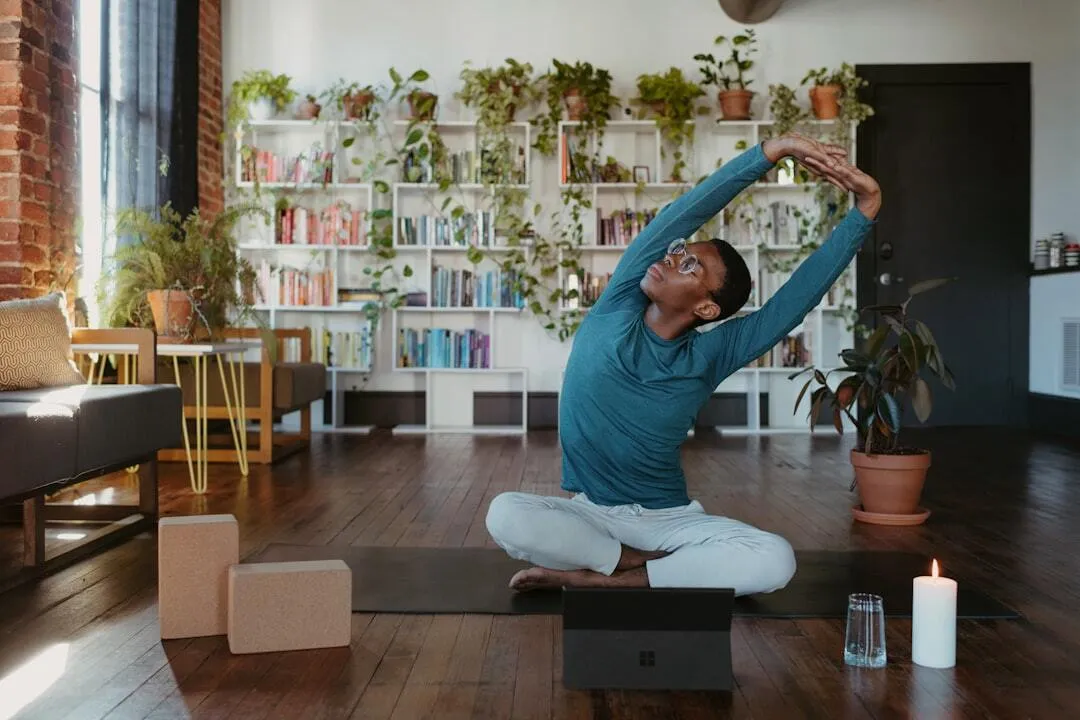
In recent years, the rental housing market has undergone a profound transformation, driven by shifting tenant expectations and lifestyle priorities. Wellness has emerged as a defining factor in how people choose where to live, pushing landlords, developers, and property managers to rethink the design and amenities of modern rental properties.
The Rise of Wellness-Oriented Living
The COVID-19 pandemic served as a global wake-up call, amplifying awareness of the deep connection between personal health, environment, and overall well-being. As a result, living spaces are no longer viewed merely as shelters—they are increasingly seen as ecosystems that influence physical, emotional, and mental health. This shift has fueled the rise of wellness-oriented living, a trend reshaping how tenants evaluate and choose their homes.
Beyond Shelter: Homes as Wellness Hubs
In the past, rental properties were largely assessed by cost, size, and location. Today, tenants demand more. They want spaces that actively support healthy living, productivity, and balance. The home has become a wellness hub, blending comfort, functionality, and design elements that enhance quality of life.
Key features driving this shift include:
Air Quality and Ventilation: A New Priority in Modern Rentals
In today’s rental market, tenants are no longer satisfied with just four walls and a roof. The environment inside those walls plays a significant role in shaping health, comfort, and overall well-being. Among the most critical factors driving tenant decisions is air quality and ventilation, which directly impacts respiratory health, energy levels, and even productivity.
Why Air Quality Matters
Clean indoor air has become a non-negotiable aspect of healthy living. Poor ventilation can trap pollutants, allergens, and moisture inside, leading to respiratory problems, fatigue, and long-term health risks. For tenants who spend much of their time at home—especially with the rise of remote and hybrid work—indoor air quality has never been more important.
Landlords Investing in Healthier Environments
Forward-thinking landlords and property developers are responding to this demand by making wellness-oriented upgrades. These include:
Advanced HVAC Systems: Modern heating, ventilation, and air conditioning systems not only regulate temperature but also filter out harmful particles and maintain consistent airflow.
Air Purifiers: Many properties now provide built-in or optional air purifiers to reduce allergens, dust, and bacteria.
Low-VOC Materials: The use of paints, adhesives, and building materials with low volatile organic compounds (VOCs) ensures fewer toxins are released into the air, supporting a healthier indoor environment.
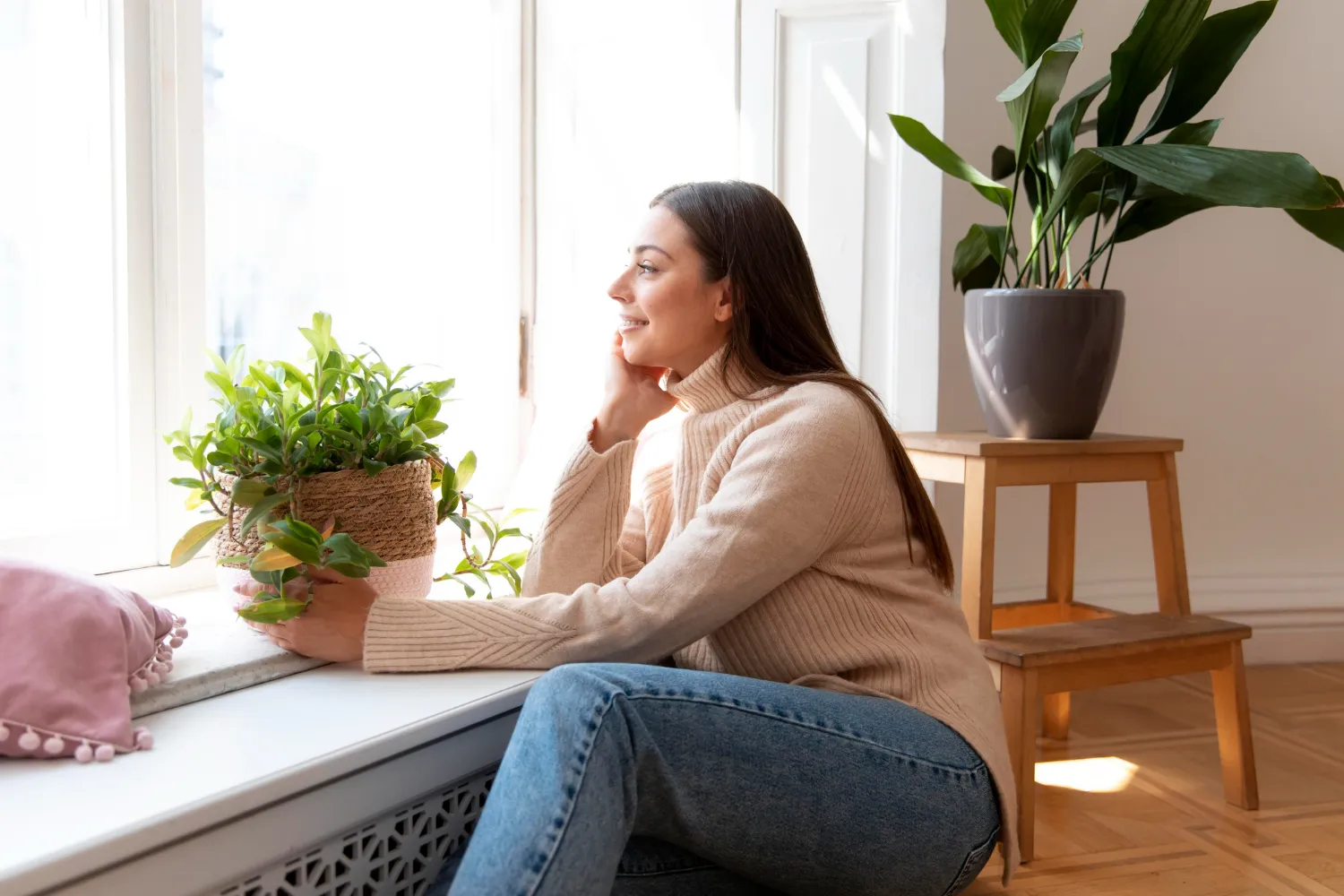
The Tenant Perspective
For renters, these features translate into more than just comfort—they represent peace of mind. Cleaner air means fewer sick days, better sleep quality, and enhanced cognitive performance. Tenants are increasingly willing to pay higher rents for properties that integrate wellness-focused design, seeing it as an investment in their own quality of life.
Looking Ahead
As awareness of environmental health grows, air quality and ventilation are poised to become baseline expectations in modern housing. Properties that fail to prioritize these elements may risk losing competitiveness in a market where renters are more informed, health-conscious, and selective than ever before.
Wellness begins with the air we breathe—and landlords who invest in clean, safe, and efficient air systems are setting a new standard for rental living.
Natural Light and Design: Enhancing Wellness in Modern Living
In the evolving landscape of rental housing, wellness has become a top priority. Among the many features that define a healthy and inviting home, natural light and thoughtful design stand out as essential elements that enhance both physical and mental well-being.
The Benefits of Sunlight
Natural light is far more than a design choice—it is a powerful tool for improving quality of life. Exposure to sunlight has been shown to:
Boost Mood: Sunlight increases serotonin levels, reducing stress and supporting emotional balance.
Improve Productivity: Well-lit spaces enhance focus, making them especially valuable for remote workers.
Support Better Sleep: Natural light helps regulate circadian rhythms, leading to healthier sleep patterns.
Reduce Energy Costs: Maximizing daylight lowers reliance on artificial lighting, cutting utility expenses and supporting sustainability.
Design Trends Supporting Light and Space
Developers and landlords are adapting to this growing demand by integrating design elements that maximize natural light and create open, airy environments. Popular strategies include:
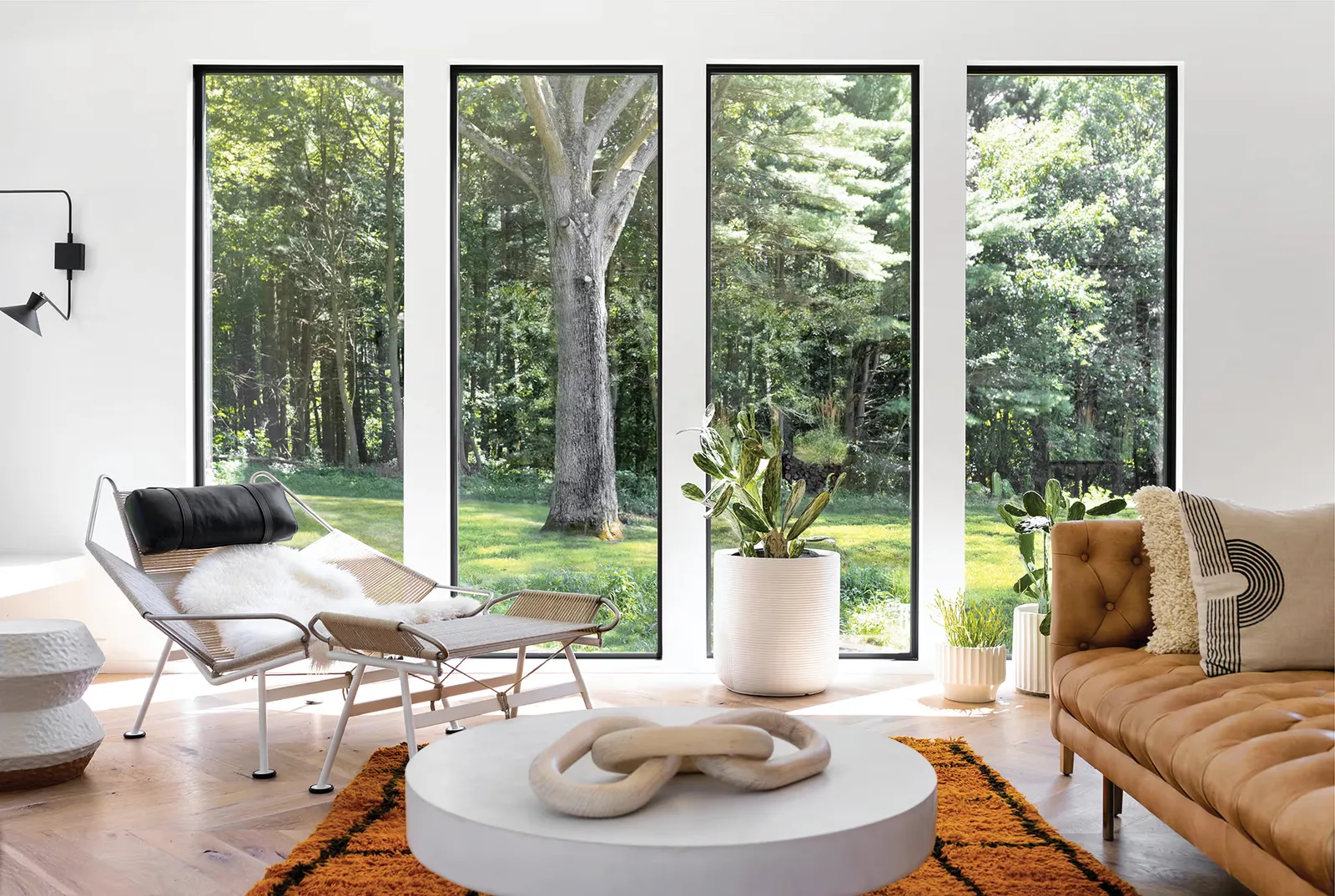
Floor-to-Ceiling Windows: Expansive glass not only invites sunlight but also connects residents with the outdoors.
Open Layouts: Removing unnecessary partitions allows light to flow more freely throughout the home.
Lighter Color Palettes: Neutral and reflective tones amplify brightness, making spaces feel larger and more welcoming.
Tenants Prioritizing Wellness Through Design
For today’s renters, natural light isn’t just a luxury—it’s a necessity tied to health, productivity, and comfort. Properties that embrace daylight and wellness-oriented design often command higher demand, as tenants recognize the tangible benefits these features bring to everyday living.
Looking Forward
As wellness continues to shape housing preferences, natural light and design-focused layouts will remain at the forefront of modern rental trends. By aligning aesthetics with health, landlords and developers can create spaces that not only look beautiful but also nurture the well-being of those who live in them.

On-Site Fitness and Recreation: Wellness at Your Doorstep
As wellness becomes a cornerstone of modern living, renters are increasingly seeking homes that support active and healthy lifestyles. No longer content with simply having a nearby gym, tenants now prefer on-site fitness and recreation amenities that make wellness an integrated, accessible part of daily life.
Why Fitness Amenities Matter
Exercise is a proven driver of both physical and mental well-being. Regular activity lowers the risk of chronic disease, improves cardiovascular health, boosts energy, and reduces stress. For busy professionals, students, and families, convenience often dictates whether fitness remains a priority. By providing on-site options, rental communities remove common barriers such as travel time, scheduling conflicts, and additional costs.
Popular Features in Wellness-Oriented Properties
Modern residential developments are adapting by offering a wide range of fitness and recreational amenities designed to meet diverse tenant needs. These include:
Yoga and Meditation Studios: Spaces for mindfulness, flexibility, and stress relief.
Well-Equipped Gyms: Cardio machines, strength equipment, and functional training zones for comprehensive workouts.
Outdoor Fitness Areas: Rooftop tracks, bike stations, and open-air exercise spaces that encourage movement in fresh air.
Recreational Facilities: Pools, sports courts, and multipurpose rooms that support both physical health and social interaction.
The Tenant Perspective
For renters, on-site wellness amenities add both convenience and value. Having fitness options within the building or community not only encourages healthier habits but also creates opportunities for social connection and community building. This lifestyle integration is especially appealing to Millennials and Gen Z renters, who prioritize experiences and well-being alongside affordability.
Looking Ahead
As competition in the rental market intensifies, on-site fitness and recreation amenities are no longer viewed as optional luxuries. They are becoming standard expectations in wellness-focused properties. Landlords and developers who invest in these features stand to attract health-conscious tenants, increase retention rates, and elevate property value.
In today’s rental landscape, wellness is about more than design—it’s about creating spaces where healthy living is accessible, convenient, and sustainable.
Green Spaces and Nature Integration: Bringing the Outdoors Into Modern Living
As urban areas grow denser and daily life becomes more fast-paced, the value of green spaces and nature integration in residential living has never been more important. For modern renters, access to natural environments is no longer just a desirable feature—it is a critical factor that supports health, well-being, and community connection.
The Benefits of Green Spaces
Research consistently highlights the powerful impact of nature on human health. Green spaces provide:
Mental Reset: Time spent outdoors lowers cortisol levels, reducing stress and improving mood.
Enhanced Productivity: Nature exposure restores focus and combats mental fatigue, benefiting students and remote workers alike.
Encouragement of Physical Activity: Parks, gardens, and outdoor recreation areas inspire more frequent exercise and movement.
Social Interaction: Shared outdoor spaces encourage community engagement, reducing feelings of isolation.
Nature Integration in Rental Living
To meet rising demand, property developers and landlords are weaving nature into the fabric of their buildings and communities. Common approaches include:
Courtyards and Community Gardens: Offering residents a place to gather, relax, or even grow their own food.
Rooftop Greenery: Transforming unused roof space into landscaped gardens or outdoor lounges with city views.
Proximity to Parks and Trails: Marketing rental properties based on walkability and easy access to natural surroundings.
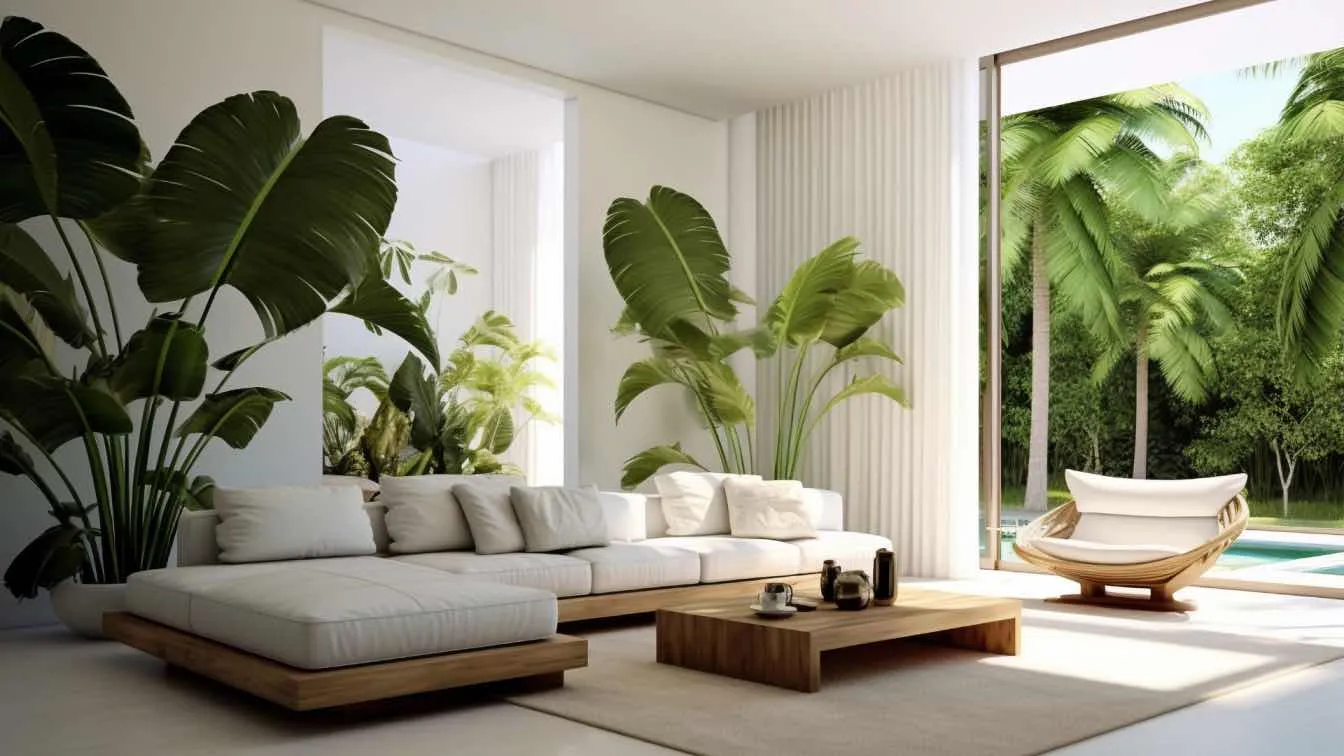
Biophilic Design: Using natural materials, indoor plants, and water features to bring the calming influence of nature indoors.
The Tenant Perspective
For renters, green spaces represent more than just beauty—they embody health, lifestyle, and balance. Having easy access to outdoor areas creates a sense of escape from urban stress, making communities feel more livable. Renters are often willing to pay a premium for properties that prioritize this connection to nature.
Looking Forward
As wellness-oriented living continues to shape rental preferences, green spaces and nature integration will remain at the forefront of design and development. By investing in accessible, restorative environments, landlords and developers not only add value to their properties but also contribute to healthier, happier communities.
In a world dominated by screens and schedules, nature remains one of the most powerful tools for human well-being—and modern housing is finally catching up to this timeless truth.

Wellness as a Lifestyle Choice: Redefining How We Live
Wellness is no longer confined to gyms, spas, or weekend retreats—it has become a way of life. In housing, wellness-oriented living represents more than a passing trend; it is a reflection of a deeper cultural shift in how people view health, comfort, and home environments.
The Lifestyle Shift Toward Wellness
The rise of remote and hybrid work models has fundamentally changed the role of the home. With more time spent indoors, people are increasingly aware of how their surroundings impact their mental, physical, and emotional well-being. Renters now expect their living spaces to do more than provide shelter—they must actively support healthy lifestyles.
Features Renters Now Value
This shift has redefined what makes a property desirable. Communities that prioritize wellness integrate amenities such as:
Green and Outdoor Spaces: Rooftop gardens, courtyards, and park access for relaxation and exercise.
Fitness and Recreation Facilities: On-site gyms, yoga studios, and multipurpose rooms that promote physical activity.
Air and Light Quality: Clean ventilation systems, abundant natural light, and sustainable materials that improve everyday health.
Community-Oriented Design: Spaces that encourage social interaction and reduce isolation, fostering a sense of belonging.
Willingness to Invest in Well-Being
Today’s renters are increasingly willing to pay a premium for wellness-focused amenities. For them, these features represent more than convenience—they are investments in long-term health, productivity, and quality of life. Developers who embrace wellness design not only meet tenant expectations but also future-proof their properties against shifting market demands.
Looking Ahead
Wellness as a lifestyle choice is here to stay. As housing continues to evolve, landlords and developers who understand this shift will lead the way in creating communities that align with the values of modern living. More than ever, the home is not just where people live—it is where they thrive.
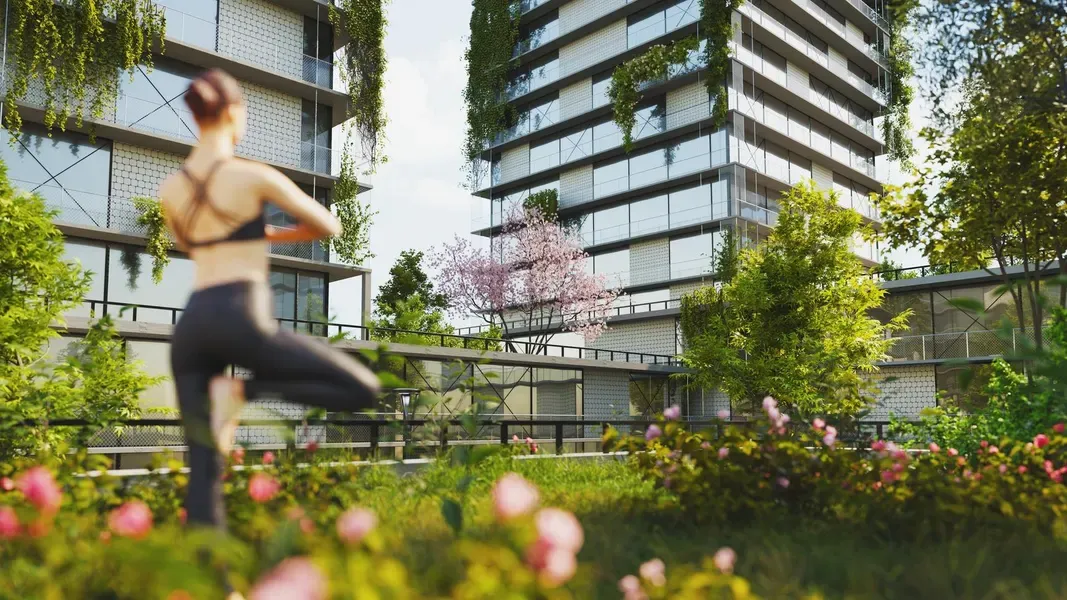
Lifestyle Meets Longevity: How Wellness Rentals Shape the Future of Housing
The modern rental market is undergoing a transformation driven by health, sustainability, and lifestyle priorities. The wellness rental trend is no longer about short-term perks like on-site gyms or stylish interiors—it’s about creating living spaces that foster long-term well-being.
From Perks to Purpose
Renters, particularly Millennials and Gen Z, are bringing new expectations to the housing market. For these generations, a home is more than a place to sleep—it’s an environment that supports their health, values, and aspirations. They seek properties that reflect their commitment to sustainability, balance, and holistic wellness.
Wellness Features That Last
Property owners and developers are reimagining housing by incorporating features that provide both immediate and lasting value:
Sustainable Design: Energy-efficient systems, eco-friendly materials, and green certifications reduce environmental impact and align with renter values.
Health-Oriented Spaces: Air purification systems, natural lighting, and biophilic design create environments that nurture body and mind.
Work-Life Integration: Flexible layouts, co-working spaces, and recreation areas support hybrid lifestyles where professional and personal needs coexist seamlessly.
Community and Connection: Shared gardens, wellness programs, and gathering spaces foster social ties and reduce the isolation often associated with urban living.
A Strategic Investment for Property Owners
Wellness features are no longer optional add-ons—they are becoming essential for competitiveness. Properties that embrace this shift often see higher tenant satisfaction, longer lease renewals, and stronger rental values. In an increasingly discerning market, wellness-oriented design is both a lifestyle enhancer for tenants and a long-term investment strategy for landlords.
Looking Ahead
As the wellness rental movement grows, it points toward a future where housing is measured not only by square footage and location but by its ability to enhance quality of life. By aligning lifestyle with longevity, property owners and renters alike are building communities that prioritize health, sustainability, and resilience.
Wellness is not just a trend—it is the foundation of how future generations will define “home.”
Sources:
World Health Organization (WHO). Housing and Health Guidelines – Indoor Air Quality (2023).
Harvard T.H. Chan School of Public Health. The Impact of Natural Light on Health and Productivity (2023)
Global Wellness Institute. Wellness Real Estate Report (2023)
American Psychological Association. The Mental Health Benefits of Nature (2023)
Global Wellness Institute. Wellness Lifestyle Real Estate Report (2023)
McKinsey & Company. The Future of Wellness: Real Estate’s Role in Long-Term Well-Being (2023)
Urban Land Institute – Emerging Trends in Real Estate 2024: Wellness-Oriented Living and the Future of Rentals