Water-intrusion season: AC set-points, dehumidifiers, and landlord duties—oceanfront Boca/Deerfield vs. canal-adjacent Palm Coast
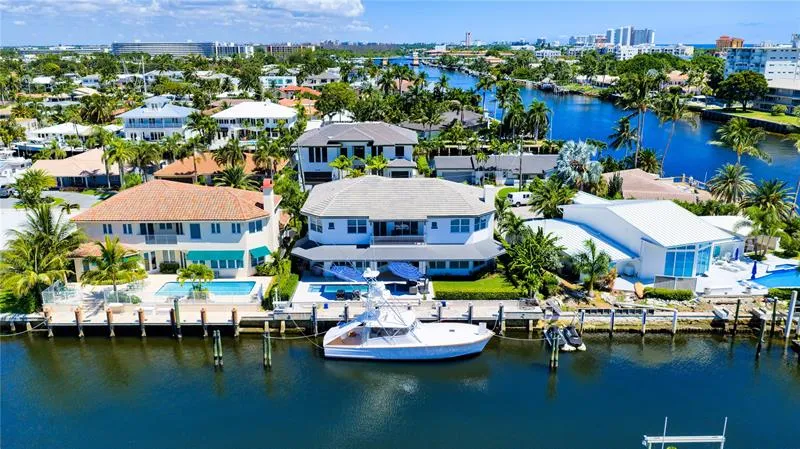
South-Florida’s wet season (and hurricane season overlap) turns “damp” into a landlord-tenant priority: water intrusion is the trigger that causes mold, corrosion, ruined belongings, and habitability disputes. This article lays out practical guidance — backed by public-health, building-code, and Florida-statute sources — on AC set-points, dehumidifiers, and what landlords are legally expected to do in oceanfront (Boca Raton / Deerfield) versus canal-adjacent (Palm Coast) contexts.
Why Moisture Control Matters in South Florida
Moisture isn’t just an inconvenience in South Florida—it’s one of the region’s most persistent property and health risks. Between year-round humidity, frequent storms, and our proximity to the ocean or canals, excess moisture can quietly undermine a home’s structure and create significant indoor-air-quality issues if left unmanaged.
Mold and Structural Damage: Moisture Problems in Disguise
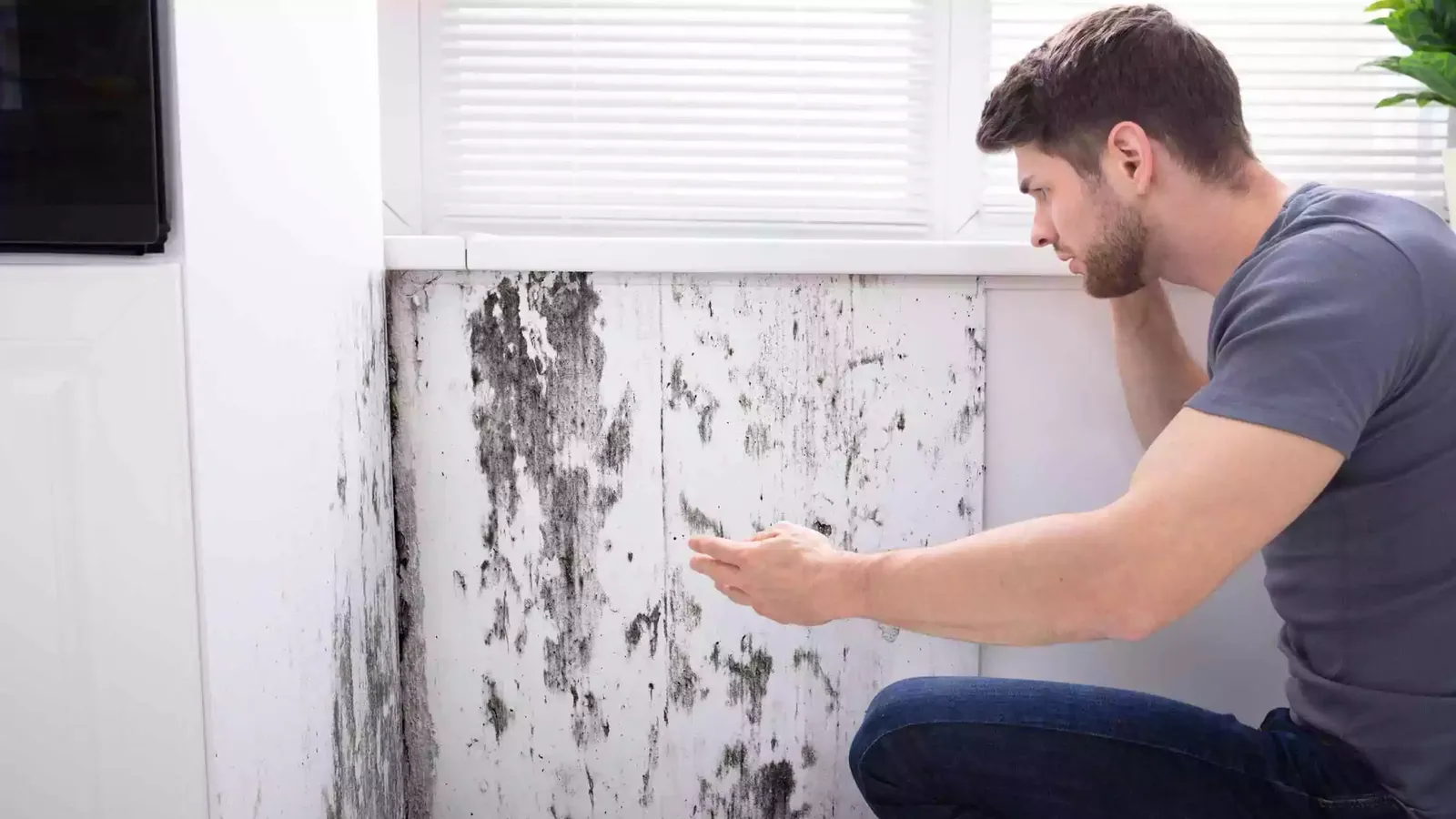
Across homes, condos, and rentals, mold almost always traces back to one root cause: trapped moisture. When indoor relative humidity consistently rises above recommended levels, mold spores can multiply on walls, ceilings, furniture, and within HVAC systems. Public-health guidance emphasizes prevention over cleanup. The CDC advises homeowners to keep indoor relative humidity below about 50% whenever possible, fix leaks promptly, and avoid standing water—steps that significantly reduce mold growth and protect occupants.
Moisture doesn’t just feed mold—it also threatens building materials. Prolonged dampness weakens drywall, warps flooring, rusts fasteners, and can even compromise wood framing. Because South Florida homes rely heavily on air conditioning to cool and dry indoor air, proper AC sizing, maintenance, and consistent operation are essential. In many cases, dehumidifiers become an important supplemental tool, especially in rooms that run cooler, have limited airflow, or sit adjacent to damp outdoor spaces.
Oceanfront Properties: Higher Exposure, Higher Risk
Living directly on the Atlantic coastline comes with additional challenges. Salt spray accelerates corrosion on exterior metal elements—from balcony rails to HVAC coils. This speeds up equipment wear and can reduce AC efficiency, which in turn worsens indoor moisture control.
Storm surge is another major factor. Coastal exposure assessments and NOAA surge-risk mapping consistently show that Florida’s Atlantic shoreline communities face meaningful storm surge and coastal flooding risks, even outside of direct hurricane strikes. When seawater is pushed inland, homes can experience rapid water intrusion through ground-level openings, foundations, and exterior walls.
Even when there is no catastrophic flooding, routine coastal rains combined with strong winds can push moisture into buildings more forcefully than in inland neighborhoods.
Canal-Adjacent Properties: Hidden Moisture Challenges
Canal-front living offers calmer water views and a bit more distance from open surf, but these areas introduce their own set of moisture dynamics. Homes built alongside freshwater or brackish canals often sit in neighborhoods with:
Higher groundwater levels, which can drive seepage into crawlspaces and older foundations
Persistent humidity, especially with dense vegetation and shaded areas
Localized flooding, often from heavy rains or king tides
Limited air circulation, intensifying dampness around lower floors and outdoor storage areas
While the risk of salt corrosion may be lower than oceanfront properties, the risk of chronic indoor humidity is often higher.
Moisture Control Is Property Preservation
For any South Florida home—whether oceanfront, canal-side, or inland—moisture control is ultimately a strategy for preserving property value, avoiding long-term repairs, and protecting your health. Maintaining air-conditioning systems, running dehumidifiers when needed, improving ventilation, and addressing leaks early all form the foundation of effective moisture management.
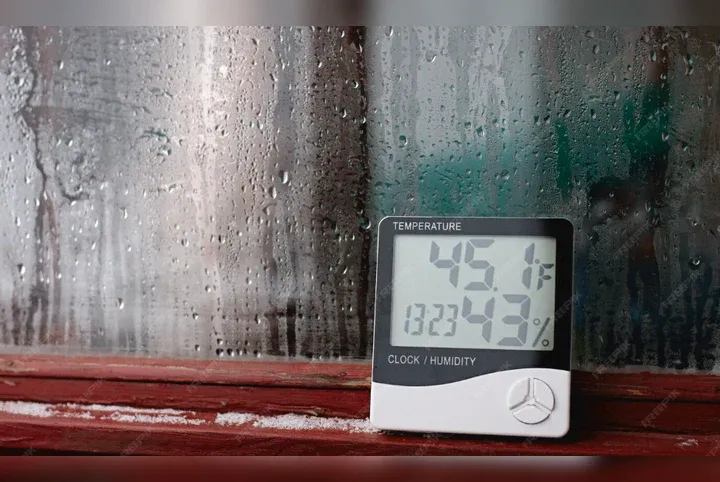
AC Set-Points & Humidity — What to Aim For
Managing indoor humidity is one of the most important parts of keeping a Florida home healthy, efficient, and mold-free. While air conditioning naturally removes moisture as it cools, the right thermostat settings and basic humidity awareness make the biggest difference—especially in climates as humid as South Florida.
Why Humidity Control Matters
Indoor humidity isn’t just about comfort. High relative humidity (RH) creates ideal conditions for mold, mildew, dust mites, and material deterioration. Once RH rises above safe thresholds, microbial growth can begin on walls, furniture, and inside HVAC components—often long before visible signs appear.
Public-health agencies and building-science organizations agree on the fundamentals: keep indoor humidity controlled, address moisture quickly, and avoid letting indoor air stay damp for prolonged periods.
Target Relative Humidity (RH)
Industry and public-health guidance aligns closely on the RH targets that help prevent mold and support indoor air quality:
Aim for indoor RH below 50% whenever practical.The CDC advises that maintaining indoor humidity at or below this threshold greatly reduces mold risk and makes homes less hospitable to allergens.
Avoid indoor RH above 60–65%.ASHRAE building-science literature and HVAC industry guidance consistently label this range as problematic for microbial growth. At these levels, condensation becomes more likely on cooler surfaces, and mold can establish quickly.
Because South Florida humidity often sits above 70–80% outdoors, hitting these indoor targets requires a combination of proper cooling, ventilation, leak prevention, and—sometimes—supplemental dehumidification.
Choosing Effective AC Set-Points
Your thermostat setting plays a major role in both temperature and humidity control:
Typical cooling set-points:
Most homes maintain comfort between 72–76°F.
Lower temperatures remove moisture more aggressively but increase energy use.
Avoid setting the AC too high when away:Raising the thermostat too much—common in vacation homes, rental units, or during seasonal travel—lets indoor RH skyrocket. Even if temperatures look “safe,” humidity can climb into the 65–75% range within hours.A better approach is:
Keep the thermostat in the 75–78°F range when away.
Use smart thermostats or whole-home dehumidifiers if the home is left unoccupied.
Ensure long, steady cooling cycles:Oversized AC units cool quickly but don’t run long enough to remove moisture effectively. Undersized units run constantly but struggle in extreme heat. Proper sizing and maintenance are essential.
Signs Your Indoor Humidity Is Too High
Look for these early warnings:
Musty odors
Condensation on windows or vents
Sticky or clammy indoor air
Warm spots despite AC running
Visible mold on baseboards, closets, or ceiling corners
AC supply vents dusted with dark microbial growth
These symptoms indicate it’s time to check humidity levels, verify AC performance, or add dehumidification.
Tools to Help Maintain Safe RH
Standalone dehumidifiers for rooms with chronic dampness
HVAC maintenance (clean coils, proper refrigerant charge, clear condensate lines)
Smart thermostats that monitor humidity
Better ventilation in kitchens, bathrooms, and laundry areas
Weatherproofing to reduce infiltration of humid outdoor air
Keeping indoor relative humidity below 50% is one of the strongest defenses against mold and moisture damage. Smart AC set-points, consistent cooling, and occasional help from dehumidifiers allow homeowners—especially in humid climates like Florida—to maintain healthy, durable, and comfortable homes.
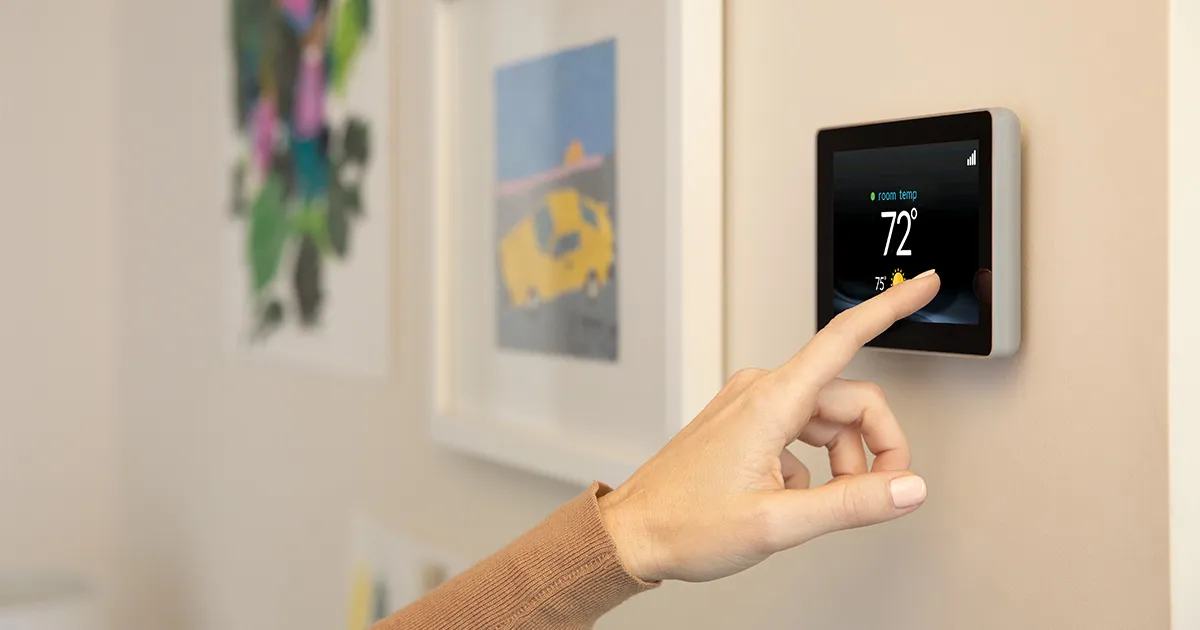
Thermostat Set-Point Guidance: Getting Temperature & Humidity Right
Setting the right thermostat temperature isn’t just about comfort—it's one of the most effective ways to control moisture inside a home, especially in humid climates like Florida. Air-conditioning systems cool the air and remove moisture, but how well they dehumidify depends heavily on your set-point, the system’s size, and how long each cooling cycle runs.
The Practical Set-Point Range
A commonly recommended comfort range for residential AC systems is:
72°F–76°F (22°C–24°C)
Where you land within that range depends on several factors:
Building insulation and airtightnessWell-insulated homes can maintain comfortable indoor conditions at slightly higher set-points, while older or drafty buildings may need lower temperatures to achieve similar comfort and humidity levels.
Tenant preferencesComfort varies person to person. Some occupants prefer a cool 72°F, while others feel comfortable at 75°F.
Outdoor humidity and seasonalitySummer afternoons often require lower set-points to keep indoor RH in a safe zone, while mornings or shoulder seasons may not.
Why Cooler Set-Points Improve Moisture Removal
When your thermostat is set to a cooler target temperature:
The AC runs longer, allowing more air to pass over the cold evaporator coil.
Longer cycles remove more moisture from the air.
The indoor environment stays within safer humidity ranges, reducing mold risk.
In contrast, short cycling—highly common in oversized systems—prevents moisture from condensing on the coil long enough to drain away. The result: the building may feel cold but still humid, leading to a clammy, uncomfortable indoor environment.
Oversized Systems = Weaker Dehumidification
Bigger isn't better when it comes to AC performance:
Oversized systems meet the temperature set-point quickly.
They shut off before completing the moisture-removal phase.
Humidity remains high even when the temperature feels cool.
This mismatch is one of the most common causes of mold complaints in humid regions.
Pair Temperature Control With RH Monitoring
A thermostat number alone is not enough. To maintain a healthy indoor environment:
Monitor indoor relative humidity (RH) with a wall-mounted meter or smart thermostat.
Aim to keep RH below 50% when possible, and avoid letting it rise above 60–65%, where microbial growth becomes much more likely.
If AC alone can’t maintain safe humidity levels, add a standalone or whole-home dehumidifier.
Practical Tips for Optimal AC & Humidity Control
Run the AC at consistent settings rather than large temperature swings.
Keep filters, coils, and condensate lines clean; poor maintenance reduces moisture removal.
Avoid setting the thermostat too high when away—75–78°F is safer for humidity control than 80+°F.
Use ceiling fans to help circulate conditioned air but rely on AC or dehumidifiers—not fans—to remove moisture.
Seal exterior gaps to reduce the infiltration of humid outdoor air.
Check RH regularly during rainy periods, heat waves, or after long AC off-cycles.
The 72°F–76°F set-point range delivers the best balance of comfort, efficiency, and moisture management for most homes. Cooler settings improve dehumidification, but system sizing and AC cycle length matter just as much. When combined with routine RH monitoring, proper thermostat settings help prevent mold, promote healthier indoor air, and maintain the building’s long-term integrity.
Why humidity matters: AC lowers both temperature and moisture, but if an AC cycles too quickly (oversized) or is poorly maintained, it may cool without removing enough moisture — leaving a cool but clammy space where mold can thrive. Monitoring RH with an inexpensive hygrometer is the single easiest early-warning step.
Dehumidifiers — When and How to Use Them
In humid regions like South Florida, air conditioning often does most of the heavy lifting for moisture control—but not always enough. Certain rooms, building layouts, and weather patterns can leave pockets of persistent dampness that AC alone cannot handle. That’s where dehumidifiers become essential tools for protecting both indoor air quality and the building’s long-term health.
When You Need a Dehumidifier
Dehumidifiers are recommended when any of the following conditions occur:
Relative humidity (RH) regularly exceeds 55–60%This is especially common during rainy season, mornings after overnight AC setbacks, or in poorly ventilated areas.
Musty odors persist, particularly in closets, bathrooms, and guest rooms.
Condensation forms on windows, vents, or cool surfaces.
Rooms feel “clammy” even when the thermostat is set to a normal cooling temperature.
Furniture, clothing, or stored items feel damp or show early signs of mold spots.
Dehumidifiers don’t replace the AC system—they supplement it when the AC can’t keep moisture below safe levels.
Whole-Home vs. Portable Dehumidifiers
Portable Dehumidifiers
Ideal for apartments, small homes, and rooms without central dehumidification, portable models offer flexible and targeted moisture control.
Best uses:
Bathrooms with poor ventilation
Closets and wardrobes that stay musty
Guest rooms with low airflow
First-floor or canal-adjacent rooms prone to dampness
Advantages:
Affordable
Easy to move
Effective when sized correctly (measured in pints/day capacity)
Considerations:
Must empty the water tank—or use a continuous drain hose
Needs clear airflow and regular filter cleaning
May need more than one unit for large or multi-room spaces
Whole-Home Dehumidifiers
For larger spaces, townhomes, or buildings with persistent humidity, whole-home units are the most reliable and efficient solution.
Advantages:
Integrates into the HVAC system
Controls humidity in every room, not just one
Reduces mold risk throughout the property
Quieter and more energy-efficient than running multiple portables
Best for:
Multi-story homes
Buildings with chronic humidity problems
Properties near canals, wetlands, or oceanfront environments
Landlords with recurring moisture complaints from tenants
Landlord responsibility:If a building has persistent or systemic humidity issues, it’s appropriate for landlords or property managers to evaluate and install whole-home systems. Relying solely on portable units becomes impractical when humidity affects multiple rooms or entire floors.
How to Use Dehumidifiers Effectively
Set the target RH to 45–50%.This is ideal for preventing mold while maintaining comfort.
Allow adequate spacing around the unit—avoid pushing it against walls or furniture.
Use continuous drainage if possible to avoid bucket overflow.
Close windows and exterior doors while running the unit; otherwise, humid outdoor air cancels out its effectiveness.
Run during peak humidity periods, such as early mornings, rainy days, or after long AC off-cycles.
Check and clean filters monthly to maintain performance.
Dehumidifiers as Part of a Moisture-Control Strategy
Dehumidifiers work best as part of a total moisture-management plan that includes:
Proper AC set-points (typically 72–76°F)
Regular AC maintenance
Good ventilation in kitchens and bathrooms
Sealing gaps that allow humid air to infiltrate
Monitoring indoor RH with a hygrometer or smart thermostat
When used strategically, dehumidifiers help maintain safer humidity levels, protect belongings, reduce mold risk, and improve indoor comfort—especially in South Florida’s challenging climate.
Set RH Control: How to Maintain Safe Humidity Levels with Dehumidifiers
Relative humidity (RH) control is one of the most important—and most overlooked—parts of maintaining healthy indoor air quality. Dehumidifiers are powerful tools, but they must be set and operated correctly to deliver safe, consistent moisture reduction without creating new comfort or health issues. Public-health and environmental agencies emphasize balanced humidity management rather than extreme drying, especially in homes located in humid climates like South Florida.
The Ideal RH Range: 40–50%
For most homes, the safest and most effective humidity band is:
➡️ 40–50% relative humidity
This range strikes the right balance between preventing mold growth and maintaining comfortable indoor conditions. Here’s why it matters:
Below 50% RH: Mold, dust mites, and bacterial growth are significantly reduced.
Below 40% RH: Air becomes noticeably dry for many people, especially those with sinus or respiratory sensitivities.
Below ~30% RH: EPA guidance notes that excessively dry air can cause nose, throat, and skin irritation; it can also damage wood, furniture, and musical instruments.
That’s why dehumidifiers should not be set to very low targets (e.g., 20–30%)—those levels are unnecessary and may create new problems while wasting energy.
Setting Your Dehumidifier Correctly
To maintain the 40–50% band:
Use the built-in digital RH control to select a 45% or 50% target.
Allow the unit to run consistently during humid periods, particularly mornings, after rain, or when AC cycling is short.
Keep doors and windows closed so the machine isn’t fighting incoming moisture.
Pairing RH control with a standalone hygrometer or a smart thermostat helps verify that actual room humidity matches the machine’s reading.
Condensate Management: Buckets, Pumps & Drains
Dehumidifiers remove moisture by condensing water from the air into a tank. If that water isn’t managed properly, the unit will stop running—and indoor humidity will rise again.
You have two options:
1. Manual Emptying (Condensate Bucket)
Check the bucket at least once daily during humid months.
Empty it before it reaches the “full” indicator to prevent automatic shutdown.
Rinse the bucket occasionally to prevent microbial buildup.
This method works well for small spaces but requires regular attention.
2. Continuous Drainage (Pump or Hose)
Many units include a built-in pump or gravity-drain port:
Built-in pump: Lets you drain upward or long distances (e.g., to a sink or out a window).
Gravity drain: Requires the hose to run downhill into a floor drain, shower, or exterior outlet.
Continuous drainage is ideal for:
Long-term use
Vacation homes
Rooms with persistent humidity
Situations where you cannot empty the bucket daily
This setup ensures uninterrupted dehumidification and safer, more stable RH levels.
Maintaining Your Dehumidifier
To keep the unit performing effectively:
Clean or replace the air filter every 1–2 months.
Vacuum the intake grill to improve airflow.
Inspect the drain line to prevent clogs or kinks.
Keep at least 8–12 inches of clearance around the unit.
Regular maintenance helps the machine maintain your target humidity range without overworking.
The Bottom Line
Setting a dehumidifier to maintain 40–50% RH provides the best balance of indoor air quality, comfort, and mold prevention. Avoid overly aggressive drying targets; use proper drainage; and monitor RH levels regularly for the best results. When used correctly, dehumidifiers play a critical role in keeping Florida homes healthy, dry, and mold-resistant.

Who is responsible — landlord duties under Florida law
Legal Duty to Maintain Habitable Premises in Florida
In the state of Florida, landlords have a clear legal obligation to keep rental housing in a condition that is safe, sanitary, and suitable for habitation. While there is no specific statute that exclusively addresses mold, the duty to maintain habitable premises implicitly covers problems related to dampness, leaks, and mold growth when they affect habitability. Tenants likewise have responsibilities—including the duty to notify the landlord of needed repairs in a timely fashion.
Landlord’s Duties Under Florida Law
Under Florida Statute § 83.51 (part of the Florida Residential Landlord and Tenant Act), a landlord must at all times during the tenancy:
Comply with all applicable building, housing, and health codes, or
If no such code is applicable, ensure the rental unit’s structural components (foundation, exterior walls, roof, windows, doors, floors, steps, porches) are kept in “good repair and capable of resisting normal forces and loads,” and keep the plumbing in “reasonable working condition.”
At the start of tenancy, ensure that screens are installed in “reasonable condition,” and thereafter repair damaged screens at least once annually.
In dwelling‐units other than single-family homes or duplexes, the landlord must also make reasonable provisions for things like pest extermination, functional keys and locks, safe common areas, garbage facilities, and hot water/running water.
Therefore, the landlord must maintain essential structural, plumbing, and safety features so that the rental unit remains habitable.
Mold, Moisture & Dampness: How They Fit In
Although Florida law does not have a statute that explicitly labels a “mold statute,” legal and practical guidance treat mold and excessive dampness as falling under the broader duty of habitability. For example:
Legal commentary indicates that if mold, water intrusion, or chronic dampness undermine the safety or habitability of the dwelling, the landlord’s duty to repair applies.
When a roof leaks, windows fail, plumbing conditions permit moisture intrusion, or air‐conditioning fails in a way that causes persistent dampness, the landlord’s non‐compliance with § 83.51 may render the dwelling untenantable.
In short: while mold isn’t singled out by statute, any moisture‐related condition that impacts the structural integrity, safety, or healthiness of the unit can trigger the landlord’s obligation under § 83.51 to repair or remedy the issue.
Tenant’s Duties & Notice Requirements
Tenants also have responsibilities under Florida law:
Tenants must use the premises in a reasonable manner, keep plumbing fixtures clean and sanitary, dispose of garbage appropriately, and maintain appliances and facilities in a reasonable manner.
Importantly: when the tenant becomes aware of a condition requiring repair (for example, a leak, mold growth, broken HVAC causing dampness), the tenant must notify the landlord promptly so the landlord has an opportunity to remedy the condition.
Failing to give appropriate notice may limit the tenant’s ability to seek certain remedies.
Remedies for Non-Compliance
If a landlord fails to meet the habitability standards:
The tenant may have remedies including terminating the lease, withholding rent, or seeking repairs and deducting cost, depending on the severity of the defect and local legal guidance.
If the dwelling becomes untenantable (for example, due to storm damage or persistent mold/dampness), tenants may be entitled to reduced rent, termination of the lease without penalty, or other legal relief.
Practical Takeaways for Landlords and Tenants in Florida
Landlords should proactively inspect for conditions such as leaks, mold growth, malfunctioning HVAC/AC (especially in humid climates), and water intrusion—since failure to do so can breach § 83.51.
Tenants should document any moisture or mold concerns, notify the landlord in writing, and keep records of communications.
Both parties should be aware that while mold isn’t spelled out in the statute, it is covered under the broad duty to maintain a habitable structure.
In humid areas like South Florida, conditions rather common—like AC failures, humidity infiltration, or coastal salt corrosion—can amplify moisture problems and elevate the landlord’s duty.
Code Enforcement Path: How Tenants Can Report Moisture-Defects
When moisture problems in a rental unit stem from building defects (e.g., roof leaks, plumbing failures, AC system leaks), and those defects violate local building, health, or housing codes, tenants have a route through local code‐enforcement offices to compel repairs—often even if there isn’t a specific mold statute.
Why This Matters
Even though many moisture problems ultimately lead to mold or dampness, local code enforcement often focuses on the underlying defect (e.g., a leaky roof, failing window seals, broken AC drain pans) rather than mold itself. Once a code violation is flagged, the property owner is usually required to correct it, which in turn helps address the moisture source and mitigate mold risk.
What You Should Do as a Tenant
Document the condition: take photos of the leak, standing water, damp walls, condensation, peeling paint, or visible mold growth (if present), and note the date/time.
Notify the landlord in writing: provide written notice of the defect (roof leak, AC drip, plumbing leak) and request repair.
If the landlord does not act, contact the local code‐enforcement or building inspection office.
File a complaint: Provide the code enforcement agency with your documentation and explain that the defect (roof/plumbing/AC) is causing moisture intrusion. Even if the agency doesn’t order mold remediation, they will usually require the defect to be fixed.
Follow up: Keep records of any inspections, notices, repair deadlines, and correspondence—this helps if further legal action is needed.
Examples of Local Code Enforcement in Florida
In Broward County, the Building Code Enforcement division explicitly lists issues like leaking roofs or lack of operable sanitary facilities as matters tenants can report to their municipal Building Code Enforcement Department.
In Palm Beach County, the Property Maintenance Code (Chapter 14) states that existing structures must be maintained in a safe, sanitary condition—“protection from the elements” and “safe and sanitary maintenance” are explicit objectives.
What Code Enforcement Can / Cannot Do
Can do: Issue a Notice of Violation, require the property owner to repair the defect (roof, plumbing, AC), impose fines or liens for non‐compliance.
Cannot always do: Guarantee mold remediation itself unless the mold issue also violates a specific code or is tied to the uncorrected defect and poses a health risk. Some jurisdictions treat mold as part of unsafe/damp conditions tied to maintenance failure.
Why Taking This Step Is Valuable
It shifts responsibility away from the tenant trying to fix moisture themselves and places it on the property owner/landlord who must maintain the property.
It creates an official record of the defect and the landlord’s inaction, strengthening any later legal claim by the tenant (e.g., for uninhabitable conditions or rent reduction).
Even if remediation of damage or mold must be addressed separately, fixing the source of moisture is the core remedy—and code enforcement targets that.
Tips for Success
Use written notice (email or certified mail) when telling the landlord about the defect.
Keep copies of all correspondence, photos, and any responses (or lack thereof).
When you contact the code‐enforcement office, mention clearly: the defect (e.g., leaking plumbing), the moisture intrusion, and that you believe the unit may be in violation of housing/maintenance code.
Ask for the timeline: how long the property owner has to correct once notified, what happens if no correction is made.
Consider local free legal aid or tenant‐rights organizations if the landlord fails to act and conditions worsen.
If you’re a tenant in Florida and you have a moisture problem caused by a roof leak, plumbing defect, AC leak, or other building‐code‐level issue, filing a complaint with your local code enforcement is a practical step. Even though there may be no direct “mold statute,” the code enforcement route helps force repair of the underlying defect—and that repair is often the key to solving the moisture and mold risk.
If an AC system provided with the unit fails, or a roof/window/plumbing defect allows water in, the landlord is required to repair it within a reasonable time after notice. If the landlord ignores a reported moisture source, the tenant may have remedies under statute, depending on the facts.
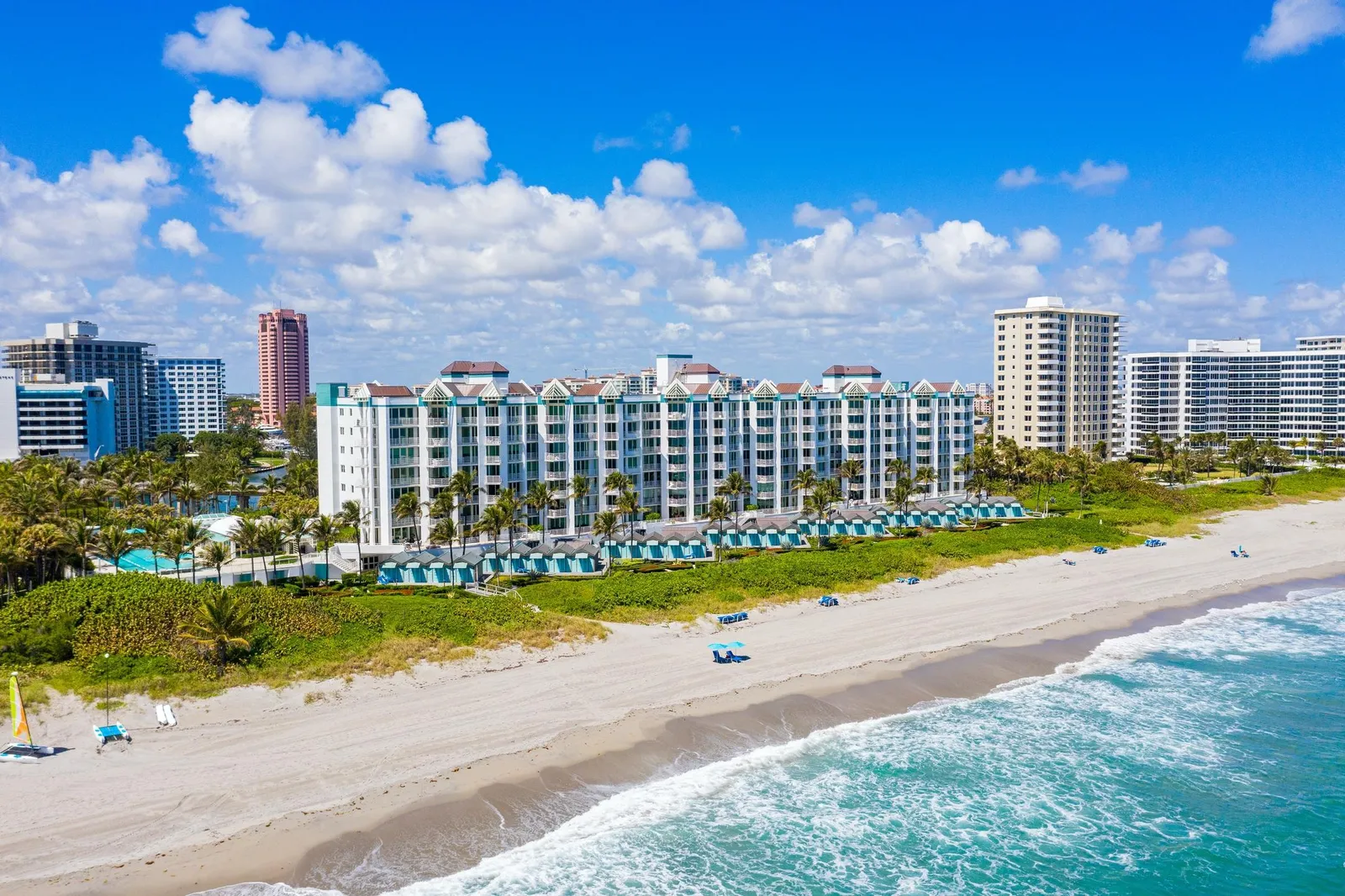
Oceanfront Boca/Deerfield — What to Emphasize for Property Owners and Managers
Prevent equipment corrosion:
Living and operating along the oceanfront in Boca Raton and Deerfield Beach offers unmatched coastal lifestyle and premium property values — but it also brings one unavoidable reality: salt air is hard on building systems, especially HVAC equipment and any metal components exposed to the marine environment. Understanding how to mitigate this corrosion risk is essential for landlords, property managers, and even tenants who rely on consistently functioning air-conditioning in South Florida’s humid climate.
Why Oceanfront Properties Face Higher Corrosion Risks
Salt-laden air acts as a corrosive agent, accelerating the rusting, pitting, and degradation of metals. Outdoor HVAC condensing units, metal ductwork, fasteners, balcony railings and even electrical connections face constant exposure. Compared to inland Boca or Deerfield neighborhoods, oceanfront buildings experience higher maintenance demand and shorter component lifespans.
This makes proactive care — not reactive repairs — the defining strategy for coastal property management.
1. Inspect Outdoor HVAC Equipment More Frequently
Coastal HVAC equipment requires shorter preventive maintenance cycles. Instead of seasonal checks, oceanfront units may need inspection every 30–60 days during peak salt-air exposure periods.
Key inspection points include:
Coil fin condition (look for early-stage pitting)
Rust formation on frames and screws
Electrical contact points and relays
Condenser fan motors, which corrode faster in marine conditions
Early detection helps avoid sudden AC failure during high-heat seasons.
2. Apply Salt-Air-Rated Protective Coatings
To extend HVAC equipment life, many contractors recommend:
Anti-corrosion coil coatings
Salt-air-rated epoxy finishes
Sacrificial anodes (zinc or similar metals that corrode first, protecting the underlying component)
These treatments can meaningfully delay oxidation and are particularly important for buildings located within a few hundred feet of the shoreline.
3. Plan for Faster Replacement Cycles
Even with protection, oceanfront AC units and metal components typically wear out faster than inland systems. Property budgets should account for:
Shorter equipment lifespan
Higher repair frequency
Premium-grade replacement parts with corrosion resistance
Proactive capital planning prevents emergency costs and tenant habitability issues due to AC outages.
4. Educate Tenants on Reporting Maintenance Issues Early
In salt-air environments, a small issue — a vibrating fan motor, rattling panel, or visible rust — can escalate quickly. Tenants should be encouraged to:
Report HVAC noise or performance changes immediately
Avoid blocking airflow around condensing units
Keep balcony and patio environments as clean and dry as possible (reduced airborne debris helps)
Good tenant communication reduces long-term deterioration.
5. Maintain Metal Railings, Fasteners & Exterior Features
Salt exposure affects more than just HVAC:
Balcony railings
Staircase components
Exterior lighting fixtures
Door handles and hinges
Regular sanding, priming, painting and coating helps protect the building envelope and reduce safety hazards.
Oceanfront Boca Raton and Deerfield Beach offer premium living — but successful property stewardship in these areas requires corrosion awareness, proactive HVAC maintenance, and strategic budgeting. With the right preventive measures, landlords and managers can significantly extend equipment life, protect property value, and maintain tenant comfort year-round.
Flood and Surge Planning for Coastal Rentals: Protecting HVAC Systems, Electrical Components, and Indoor Air Quality
For properties located at or near sea level — especially along oceanfront Boca Raton, Deerfield Beach, and other low-lying coastal zones — flood and storm-surge planning is a critical part of property management. Saltwater, storm surge, and rain-driven flooding can damage HVAC equipment, electrical systems, and building envelopes in ways that can escalate into mold growth and long-term habitability issues if not addressed promptly. Effective preparation helps safeguard both life safety and property value.
1. Protect HVAC Intakes and Condensate Drains From Floodback
Floodwater entering HVAC systems can destroy motors, contaminate intake lines, overwhelm condensate drains, and send moisture backward into air handlers. To reduce risks:
Elevate outdoor condensing units, mini-split compressors, and intake points wherever feasible.
Install backflow protection on condensate drains serving first-floor or slab-level units.
Seal low wall penetrations and ensure condensate lines discharge away from areas prone to rapid flooding.
Use raised platforms or composite stands engineered for coastal environments.
This extra elevation can prevent catastrophic system loss after a surge or flash-flood event.
2. Elevate Electrical Panels, Controls, and HVAC Electronics
Electrical systems are the first components compromised when saltwater enters a structure. For vulnerable units:
Position breaker panels, HVAC control boards, disconnects, and low-voltage wiringabove projected surge elevations.
When possible, relocate components to higher interior walls, mezzanines, or elevated mechanical closets.
Ensure GFCI and AFCI protections are up-to-code in flood-risk areas.
Elevating these components reduces both life-safety hazards and expensive equipment replacement after a storm.
3. Follow Local and National Storm-Preparedness Guidance
During named storms — tropical storms or hurricanes — preparation should follow local emergency management instructions and official National Hurricane Center updates. Key steps include:
Secure outdoor HVAC equipment, including strapping, bolting, or installing manufacturer-approved storm kits.
Shut down power to susceptible equipment if local officials recommend it.
Follow community evacuation orders immediately; never stay to “protect property.”
Ensure storm shutters or impact-rated openings are properly engaged.
Consistently monitoring official forecasts allows property managers and tenants to adjust preparations as storms evolve.
4. Repair Water Intrusion Immediately After the Storm
After flooding, storm surge, or heavy wind-driven rain, the timeline for preventing mold is short — often 24–48 hours. Post-storm priorities should include:
Extracting standing water quickly
Removing saturated drywall, insulation, carpet, padding, and baseboards
Drying the structure with mechanical ventilation and dehumidification
Inspecting HVAC equipment for contamination or shorted electronics
Checking structural cavities for hidden moisture
Prompt action prevents mold spread, reduces repair costs, and ensures the unit remains habitable under Florida’s landlord-tenant standards.
5. Update Long-Term Surge and Flood-Resilience Plans
Owners in surge-exposed zones should maintain an annual readiness plan that includes:
Reviewing FEMA flood maps and local surge models
Maintaining proper flood insurance coverage
Scheduling yearly inspections of all low-lying mechanical systems
Budgeting for elevation or relocation strategies when equipment is replaced
Proactive resilience measures reduce long-term risk and align with evolving coastal building expectations.
Flood and surge preparedness is no longer optional for coastal properties — it is a core operational requirement. By elevating vulnerable equipment, protecting electrical systems, following official storm guidance, and addressing water intrusion immediately, landlords and property managers can dramatically reduce damage and maintain safe, livable spaces even in storm-prone areas.
Lease Clarity for Oceanfront Rentals: Setting Expectations on Maintenance and Moisture Control
Managing oceanfront rental properties in South Florida comes with unique challenges. Salt air, high humidity, and the potential for water intrusion make moisture management and equipment upkeep essential for maintaining habitability, protecting property value, and preventing disputes with tenants. Clear lease language is one of the most effective tools for ensuring both landlords and tenants understand their responsibilities.
1. Define Maintenance Responsibilities in the Lease
For oceanfront properties, leases should explicitly outline:
Routine HVAC and dehumidification upkeep Specify whether tenants or landlords are responsible for tasks such as portable dehumidifier operation, coil cleaning, or filter replacement. Clearly define schedules (e.g., quarterly coil inspection by landlord) to avoid confusion.
Response times for repairs Indicate how quickly the landlord will respond to leaks, AC failures, or other moisture-related issues. For example, “Landlord will repair roof leaks or AC malfunctions within 48 hours of notice.” Clear timing expectations help prevent small problems from becoming mold or structural hazards.
Portable equipment provisions Clarify if portable dehumidifiers or other moisture-control devices are provided, maintained, or replaced by the landlord, and whether tenants are allowed to operate additional units at their own expense.
Tenant dutiesInclude tenant responsibilities such as promptly reporting leaks, not blocking AC vents, keeping condensate drains unobstructed, and cooperating with maintenance staff during scheduled inspections.
2. Include Preventive Maintenance Guidelines
Oceanfront environments accelerate equipment corrosion and system wear. Leases can outline:
Frequency of professional AC coil cleaning and inspection
Recommended inspection for corrosion on condensing units, ductwork, and fasteners
Scheduling of annual HVAC preventive maintenance
Having these duties in writing ensures tenants understand the importance of keeping systems operational in a high-humidity, coastal environment.
3. Reduce Risk of Disputes
Ambiguity in leases is a common source of conflict between landlords and tenants. Explicit language regarding moisture-control measures helps:
Protect landlords from claims that inadequate maintenance caused mold or damage
Encourage tenants to act quickly in reporting leaks or AC issues
Document responsibilities if repair costs or equipment replacement become necessary
Well-drafted lease clauses create a shared understanding that promotes both habitability and property longevity.
4. Combine Lease Clarity With Practical Policies
Beyond lease language, consider:
Tenant orientation: Explain how to use dehumidifiers, operate AC for optimal humidity control, and report water intrusion.
Maintenance tracking: Document coil cleanings, dehumidifier maintenance, and repair response times.
Communication channels: Specify email, portal, or emergency contact protocols for reporting issues.
Together, these practices complement lease language and create a proactive, transparent property-management system.
For oceanfront rentals, clear lease language on maintenance, moisture control, and response times is not just administrative—it is a critical risk-management tool. By spelling out responsibilities for portable dehumidifiers, routine HVAC upkeep, and timely repair of leaks, landlords protect their investment, maintain habitability, and foster positive tenant relationships in challenging coastal environments.
Local resources: Boca Raton Code Enforcement and Deerfield Beach Code Compliance provide complaint intake and inspection services for leaks and public-safety hazards.
Canal-adjacent Palm Coast — what to emphasize
Watch Groundwater and Seepage: Managing Moisture Near Canals and Lagoons
Properties located near canals, lagoons, or other water bodies face unique moisture challenges. In Palm Coast and other Florida communities with freshwater or brackish waterways, elevated groundwater levels and seepage can lead to persistent dampness that affects foundations, slab edges, crawlspaces, and lower walls. Proactive inspection and maintenance are essential for protecting both structural integrity and indoor air quality.
1. Why Groundwater Matters
Canal-adjacent properties often sit above a higher local water table than inland areas. Seasonal rain, tidal fluctuations, and prolonged wet periods can cause:
Rising damp at the edges of concrete slabs
Moisture intrusion into crawlspaces
Damp lower walls or baseboards
Increased likelihood of mold and mildew growth
Even when a property is not directly flooded, high groundwater can slowly seep through soil, creating long-term moisture challenges.
2. Inspect for Early Warning Signs
Regular inspections can catch problems before they escalate. Key areas to check include:
Slab edges: Look for discoloration, efflorescence (white mineral deposits), or peeling paint.
Lower walls and baseboards: Check for dampness, warping, or mold growth.
Crawlspaces: Ensure proper ventilation, clear debris, and monitor moisture levels with a hygrometer.
Window seals and caulking: Failing seals can allow water to infiltrate lower walls.
Visual inspections should be conducted seasonally and after heavy rains to identify early signs of seepage.
3. Address Grading and Roof Runoff
Even small grading issues can channel water toward a building, compounding seepage risks. Homeowners and property managers should:
Maintain perimeter grading that slopes away from foundations
Ensure gutters and downspouts direct water at least 5–10 feet away from the building
Regularly check for erosion or soil settling around foundations
Install splash blocks or drainage channels where needed
Proper water management reduces hydrostatic pressure against slab edges and walls, limiting persistent damp conditions.
4. Implement Preventive Measures
To mitigate groundwater-related moisture:
Consider vapor barriers in crawlspaces or under slabs in new construction
Use dehumidifiers in damp rooms or basements
Seal foundation cracks with waterproofing sealants
Inspect HVAC systems and air-conditioning condensate drains to prevent secondary moisture problems
Preventive action keeps properties habitable and avoids costly repairs from structural damage or mold remediation.
Conclusion
Canal- and lagoon-adjacent homes offer scenic value but come with elevated moisture risk. By monitoring groundwater levels, inspecting for seepage, maintaining proper grading, and addressing dampness promptly, homeowners and landlords in Palm Coast can protect their properties and maintain indoor air quality in Florida’s humid environment.
Odor and Vegetation Issues in Canal-Adjacent Properties: Managing Mustiness and Biological Growth
Homes and rentals near canals offer scenic water views and cooler microclimates—but proximity to water also brings unique odor and vegetation challenges. Musty smells, mold, mildew, algae, and other biological growth on exterior surfaces can become persistent nuisances if moisture and airflow are not properly managed. Proactive ventilation, dehumidification, and maintenance are key to preserving comfort, property value, and indoor air quality.
1. Why Canal Properties Are Prone to Musty Odors
Canals and lagoons increase local humidity and can create microclimates where moisture lingers, particularly in:
Ground-floor rooms
Crawlspaces and basements (if present)
Storage areas and closets
Shaded exterior walls and patios
Stagnant water, decaying vegetation, and wet soil can produce musty or “earthy” odors. While the odor itself may not always indicate mold indoors, it signals elevated moisture that can encourage biological growth.
2. Managing Exterior Biological Growth
Exposed surfaces near canal water can develop:
Algae on concrete walls or walkways
Moss or lichen on shaded exterior surfaces
Mildew on fences, decks, or siding
Mold around window sills and HVAC intakes
Mitigation strategies include:
Regular cleaning with low-impact, environmentally safe solutions
Trimming vegetation near the building to improve airflow and reduce damp shading
Maintaining drainage to prevent pooling water along foundations or patios
Monitoring HVAC condensate to ensure water is not contributing to exterior moisture accumulation
Proper upkeep reduces visible biological growth and limits the spread of moisture indoors.
3. Improve Ventilation and Dehumidification
Even well-maintained buildings can trap moisture in ground-floor rooms and storage areas if airflow is inadequate. Recommendations include:
Keep ventilation paths clear, including air returns, supply vents, and underfloor or crawlspace vents
Run portable or whole-home dehumidifiers in rooms that stay damp or have limited airflow
Ensure AC systems are properly sized and maintained to remove both heat and moisture
Avoid storing moisture-sensitive items directly on floors in ground-level rooms
Effective dehumidification reduces mustiness, discourages microbial growth, and improves occupant comfort.
4. Routine Monitoring and Maintenance
Conduct seasonal inspections of low-level rooms and exterior walls, especially after heavy rain or tidal events
Document odor sources and address them promptly before mold or mildew develops
Include ventilation and dehumidification responsibilities in property maintenance plans or leases for rentals
Regular monitoring ensures that small moisture or odor issues do not become chronic problems, protecting both the property and tenant health.
Canal-adjacent properties in Florida offer attractive waterfront living but come with inherent moisture challenges. By keeping ventilation paths clear, using dehumidifiers in ground-floor and storage areas, and maintaining exterior surfaces, homeowners and landlords can minimize musty odors, control biological growth, and maintain a safe, comfortable environment for residents.
Local Code Channel: Reporting Chronic Leaks and Flooding in Palm Coast
For homeowners and tenants in Palm Coast, Florida, persistent leaks, flooding, and moisture-related issues are more than just nuisances—they can become health hazards and safety concerns if left unaddressed. The city’s Code Enforcement office provides a formal channel for reporting conditions that may violate local building or property-maintenance standards.
1. When to Contact Palm Coast Code Enforcement
Residents should consider filing a report when:
Chronic roof, plumbing, or AC leaks persist despite landlord or homeowner action
Flooding or standing water creates unsafe walking conditions, damages property, or fosters mold growth
Moisture intrusion threatens structural components, crawlspaces, or habitability
Other unsafe conditions emerge that may violate local property-maintenance or health codes
Even if mold itself is not directly cited, code enforcement can compel repair of the underlying defect that contributes to unsafe moisture conditions.
2. How Palm Coast Code Enforcement Handles Complaints
The process typically involves:
Submitting a complaint through the city’s online portal, by phone, or in person.
Documentation review: Residents should provide photos, videos, or other evidence of the issue.
Inspection: Code officers visit the property to assess the condition.
Notice of Violation (if applicable): Property owners may be required to repair defects within a specified timeline.
Follow-up: Code Enforcement monitors repairs and may issue fines or further action if the problem persists.
This approach focuses on correcting the source of the hazard, such as roof leaks or inadequate drainage, which in turn mitigates mold, odors, and structural damage.
3. Tips for Residents Reporting Issues
Document the problem clearly with dates, photos, and detailed descriptions.
Keep a record of any landlord notifications or repair requests already made.
Understand that Code Enforcement may not perform mold remediation, but addressing leaks and flooding often prevents mold growth.
Follow up if repairs are delayed or incomplete to ensure compliance and maintain a safe living environment.
Palm Coast Code Enforcement serves as an important avenue for addressing chronic leaks and flooding that threaten safety and health. By reporting persistent moisture problems, residents can help enforce local standards, protect property integrity, and reduce the risk of mold or structural damage in the community.

Practical checklist (landlords & tenants)
For landlords (minimum reasonable standards)
Keep roofs, windows, plumbing and provided A/C working (Florida Statutes §83.51 context).
Schedule bi-annual HVAC maintenance (more often in oceanfront properties); clean coils and condensate pans.
Provide or approve dehumidification when RH routinely exceeds ~50% (or when occupant health issues arise).
Respond promptly to tenant notices of leaks; remediate water sources before addressing mold. Report and inspect after storm events.
For tenants (protect yourself)
Report leaks in writing and keep proof (photos, dates)
Use a hygrometer and note RH readings; a persistent RH >55% is a red flag.
If landlord fails to act on a leak, contact local code enforcement for an inspection (Boca/Deerfield/Palm Coast offices listed below).
Water control is both technical (AC sizing, dehumidifiers, drainage) and legal (timely repairs, habitability). In South Florida’s oceanfront and canal neighborhoods, the combination of humidity, salt air, and flood exposure means landlords should plan for more frequent maintenance and clearer lease language; tenants should document problems and use local code/county resources when repairs stall.
Sources:
leg.state.fl.us – Florida Statute § 83.51 — Landlord’s obligation to maintain premises.
Discover Palm Beach County: Code Compliance (common violations) discover.pbc.gov– The Florida Bar: Rights and Duties of Tenants and Landlords floridabar.org
Palm City Iron Works
Florida Statutes, Chapter 83 (Residential Landlord and Tenant Act). leg.state.fl.us+1
CDC — Mold: basic information and prevention (humidity guidance).
U.S. EPA — A Brief Guide to Mold, Moisture and Your Home. EPA
ASHRAE / industry guidance on recommended indoor relative humidity and ventilation. ashrae.org
Boca Raton Code Enforcement (city page). myboca.us
Deerfield Beach Code Compliance (city page). deerfield-beach.com
Palm Coast Code Enforcement (City of Palm Coast). palmcoast.gov
Broward County / Palm Beach County public-safety FAQs on mold and landlord/tenant procedures. discover.pbc.gov+1
Industry and research on coastal salt spray effects and corrosion (salt air impact on building materials and HVAC). Palm City Iron Works+1
NOAA / National Hurricane Center — storm surge risk mapping. nhc.noaa.gov
Consumer guides & product reviews for dehumidifiers (practical sizing & features). Live Science