Setting up utilities in Deerfield Beach and Boca Raton: FPL, city water, and what your HOA already covers

Moving into a rental, condo, townhouse, or single-family home in Deerfield Beach or Boca Raton means more than signing a lease or closing on a property. You also need to determine which utilities you must set up yourself and which services may already be included through your landlord, condominium association, or HOA.
The biggest mistake renters and buyers can make is assuming that every property handles utilities the same way. In South Florida, responsibility can vary by property, service area, and HOA documents.
Here is what to know before moving in.
Electricity: Start With FPL When Moving to Deerfield Beach or Boca Raton
Electricity is one of the first utilities renters and homeowners should arrange when moving to Deerfield Beach or Boca Raton, Florida. Before your move-in date, confirm which electric provider serves the specific property and arrange service so that power is available when you receive the keys.
For many South Florida properties, Florida Power & Light (FPL) is the electric utility. However, the provider can vary by location, so it is important to verify service for your exact address rather than assuming FPL is automatically responsible for the property.
What You Need to Start Electric Service
If your new home is served by FPL, setting up an account can generally be completed online. FPL says customers establishing personal electric service need:
The service address
The requested service start date
Identification information, such as a Social Security number or driver's license number, when applicable
A valid email address for creating an FPL.com user ID
If you do not have a Social Security number, FPL states that another form of identification, such as a driver's license or passport number, may be used.
Schedule Service Before Your Move-In Date
Do not wait until moving day to arrange electricity if you can avoid it. When you know your lease or purchase closing date, contact the electric provider and request service for the date you expect to take possession.
FPL allows customers to select a future service-start date. This can make it easier to coordinate electricity with your lease start date or closing.
FPL also states that it can typically connect service the same day when an order is received by 12 p.m., Monday through Saturday. Orders received after that time are generally connected by the following business day. However, property-specific conditions can sometimes require additional time.
For that reason, renters should not assume that placing an order at the last minute will always result in immediate service.
Check Whether the Property Already Has Electricity
Before setting up a new account, ask the landlord, property manager, seller, or HOA whether electricity is currently active.
A rental property may have power available when you move in, but that does not necessarily mean electricity is included in your rent. In many rental situations, the tenant is responsible for establishing an account and paying the electric bill separately.
Ask these questions before signing the lease:
Is electricity included in the rent?
Which company provides electricity to the property?
Is the electric account currently active?
When should the tenant transfer or start service?
Are there any property-specific requirements for establishing service?
Are there any HOA rules concerning access to meters or electrical equipment?
Getting these details in writing can help prevent confusion during move-in.
What About Moving From Another Florida Address?
If you already have FPL service at another address, you may be able to transfer your service rather than opening a completely new account.
FPL says customers can transfer service to another location as long as the new property is within an FPL-served area. You will need the new service address and the date you want service to begin.
If the new property is not served by FPL, you will need to stop your existing FPL service and establish service with the appropriate electric provider for the new address.
Budget for Electricity Separately
When calculating the real monthly cost of renting in Deerfield Beach or Boca Raton, remember that advertised rent may not include electricity.
Your monthly housing budget may also need to cover:
Electricity
Water and sewer
Trash service, depending on the property
Internet
Renters insurance
Parking or other property fees
HOA-related charges, where applicable
Electricity can also vary significantly from month to month. Air conditioning is particularly important to consider in South Florida, where cooling can be a major part of household electricity usage.
When comparing rental properties, ask whether the landlord can provide previous utility information or an estimated monthly range. This can give you a better idea of the property's total housing cost.
Do Not Assume the Utility Provider
One of the most important steps is verifying the electric provider for the exact property address.
FPL provides an online service-area process that allows customers to determine whether a location is served by FPL. If the address is outside FPL's service territory, you will need to identify and contact the appropriate provider instead.
This is especially important when moving between different Florida cities or neighborhoods because utility service boundaries do not necessarily follow city or county boundaries.
A Simple Move-In Strategy
For renters moving to Deerfield Beach or Boca Raton, a practical approach is:
1. Confirm the provider.Ask the landlord or property manager and verify the provider using the utility's address-checking tools.
2. Confirm who pays.Make sure your lease clearly explains whether electricity is included or paid separately by the tenant.
3. Gather your information.Have your service address, requested start date, identification information, and email address ready.
4. Schedule service early.Request service for your move-in date rather than waiting until you arrive.
5. Keep your confirmation.Save your confirmation number, requested start date, and account information.
6. Check the property after move-in.Make sure the electricity is operating and contact the utility promptly if there is a problem.
Electricity should be one of the first utilities on your move-in list when renting or buying in Deerfield Beach or Boca Raton. FPL is an important starting point, but always verify the provider for your specific address.
If FPL serves your property, you can generally establish, stop, or transfer service online. FPL says you will need the service address and preferred start date, along with applicable identification information. Same-day connection is typically available for orders received by noon Monday through Saturday, although individual property conditions may affect timing.
Planning your electricity service before moving day can help ensure that your new home is ready when you arrive and can also give you a clearer picture of your true monthly housing costs.

Water and Sewer in Deerfield Beach and Boca Raton: What Renters Need to Know
Water and sewer are two utilities renters should confirm before moving into a home, condo, or townhouse in South Florida. Unlike electricity, where the provider is often easier to identify, water service can depend on the property's exact location, service area, and how the community handles utility billing.
For renters in Deerfield Beach and Boca Raton, the first step is to determine who provides the water service and who is responsible for paying the bill.
Water and Sewer in Deerfield Beach
Water service in Deerfield Beach can be a little more complicated because not every property inside the city is served by the City of Deerfield Beach.
The City of Deerfield Beach states that properties in the city are served by either the City of Deerfield Beach Water System or Broward County Water and Wastewater Services. The city provides an interactive water-service lookup tool that allows residents to check which provider serves a specific address.
This is particularly important when renting a condo, townhouse, apartment, or property located near a utility service-area boundary.
Check Your Water Provider Before Moving In
Before setting up an account, check the property's address through the city's water-service lookup.
If the property is served directly by the City of Deerfield Beach, a new residential account generally requires:
A completed application for service
A signed lease for tenants or closing statement for owners
A driver's license or government-issued photo ID
A security deposit
The city currently states that the security deposit is based on meter size and starts at $185. The deposit must be paid before service begins.
Don't Assume Water Is Automatically Your Responsibility
Renters should also check the lease and ask the landlord or property manager whether water and sewer are billed directly to the resident.
Some condominium and HOA communities may have water arrangements that differ from a typical single-family rental. Depending on the property and association, water may be included in association expenses, billed through the association, or handled separately.
Before opening a water account, ask:
"Is water and sewer individually billed to my unit, or is it included in the HOA or association fees?"
Getting the answer before moving in can help prevent an unnecessary account or unexpected utility charges.
What About Sewer?
Sewer charges are often connected to the property's water and wastewater service rather than being treated as a completely separate utility that renters arrange independently.
For that reason, when you confirm the water provider, also ask who bills for sewer and whether sewer is included in your monthly rent, HOA charges, or utility account.
If you have a water or sewer emergency in Deerfield Beach, the city provides after-hours water/sewer contacts on its official website.
Water and Sewer in Boca Raton
Boca Raton operates its own Utility Services Department and provides water and wastewater services to customers in the city as well as portions of the surrounding Boca Raton area. The city says it provides water service to approximately 28,000 city residents and 6,500 unincorporated residents.
However, having a Boca Raton mailing address does not necessarily mean the property is inside the City of Boca Raton. Some areas with Boca Raton addresses are located in unincorporated Palm Beach County, so renters should confirm the property's actual utility service area.
Setting Up a Boca Raton Water Account
When moving into a residence served by the City of Boca Raton, water service is generally established in the name of the owner or occupant unless the landlord has specified otherwise for a rental property.
To open an account, customers generally need to complete an application and provide documentation such as:
A signed lease for a rental property
A home settlement statement for a purchase
Required account information and identification
The city says applications should be submitted at least 24 hours before service is needed.
Boca Raton Water Deposits
Boca Raton's residential water deposits depend on the meter size and account location.
For typical residential accounts, the city's service policies list deposits of approximately:
Owners: $100 to $125
Renters: $300 to $375
The deposit is billed when the account is opened and is generally due within 30 days. The city also states that deposits earn interest annually and are refundable when the account is closed, subject to applicable requirements.
Water Bills Can Include Sewer Charges
One important point for renters is that a Boca Raton utility bill is not necessarily just a water bill.
The city states that its bimonthly bill can include water, sewer, and garbage charges. The bill includes usage-based water charges as well as fixed charges such as customer, water-capacity, and sewer charges.
That means renters should look at the entire utility bill when estimating their monthly housing costs rather than budgeting only for water consumption.
HOA and Condo Residents Should Ask Before Opening an Account
If you're renting a condo or townhouse in either Deerfield Beach or Boca Raton, don't assume that every utility works the same way as it would in a single-family home.
Before moving in, ask the landlord, leasing agent, HOA, or property manager:
Who provides the water?
Who provides wastewater/sewer service?
Is the unit individually metered?
Will I receive a utility bill directly from the provider?
Is water or sewer included in the HOA or association fees?
Is garbage included with the water bill?
Are there any utility charges included in my rent?
Do I need to transfer the account into my name?
Getting these answers in writing can make your move-in budget much more accurate.
Budget for More Than Just Rent
When comparing rentals in Deerfield Beach and Boca Raton, don't calculate affordability using rent alone.
Your monthly housing expenses may include:
Electricity
Water
Sewer
Garbage
Internet
Renters insurance
HOA or association-related charges, if applicable
Parking fees
Pet fees
Other property-specific utility charges
Water and sewer can also vary depending on the property, meter, billing structure, and consumption.
For a rental in Deerfield Beach, first determine whether the property is served by the City of Deerfield Beach or Broward County Water and Wastewater Services. The city's water-service lookup can help you identify the provider for the specific address.
For a rental in Boca Raton, confirm whether the property falls within the city's utility service area and determine whether the landlord or tenant is responsible for establishing the water account. Boca Raton's utility bill can include water, sewer, and garbage charges, so renters should understand the complete billing arrangement before signing a lease.
The simplest rule is: never assume water and sewer are included or excluded. Ask before you move in, check the lease, and confirm the provider for the exact property address.

What Your HOA May Already Cover
When moving into a condo, townhouse, or HOA-managed community in Deerfield Beach or Boca Raton, one of the easiest ways to misunderstand your monthly housing costs is to assume that your HOA or condominium fees cover certain utilities.
An HOA or condominium association may pay for a variety of community-wide expenses through monthly association dues. However, there is no universal list of utilities or services that every HOA covers.
What is included depends on the individual community, its governing documents, the association's budget, and the terms of your lease or purchase agreement.
What Your HOA Fees May Cover
Depending on the community, association fees may potentially cover services and expenses such as:
Water
Sewer
Trash collection
Landscaping
Irrigation for common areas
Exterior building maintenance
Roof maintenance
Common-area electricity
Pool maintenance
Clubhouse maintenance
Security or gated-entry systems
Pest control for common areas
Cable television or internet, in some communities
The key word is may.
Two communities located only a few blocks apart can have completely different HOA fee structures.
One condominium may include water, sewer, trash, cable, and exterior maintenance in its monthly assessment, while another may require the resident to establish separate accounts for water, electricity, internet, and other services.
Don't Assume Water Is Included
Water and sewer are particularly important to check before moving into a condo or townhouse.
Some communities may have master water accounts or association-managed billing arrangements. In other properties, every unit may have its own meter and residents may be responsible for paying the utility provider directly.
Before opening a water account, ask the property manager or landlord:
"Is water and sewer individually billed to my unit, or is it included in the HOA or condominium association fees?"
This question can help you avoid setting up an account you do not actually need.
Trash Collection May Be Included
Trash collection is another expense that may be handled by the association.
In some communities, the association pays for a community-wide waste collection service. In others, residents may receive individual municipal or private waste-service charges.
Don't assume that paying HOA dues automatically means your personal trash service is covered.
Ask whether:
Regular garbage collection is included
Recycling is included
Bulk-item pickup is included
There are additional charges for special collections
The association or resident is responsible for arranging service
Landscaping and Irrigation
HOA fees frequently contribute toward maintaining the common areas of a community.
This may include:
Grass cutting
Tree trimming
Shrub maintenance
Common-area landscaping
Irrigation systems
Entry landscaping
Maintenance around community amenities
However, this does not necessarily mean landscaping around your individual property is covered.
For example, a townhouse community may maintain the front yards through the association while requiring residents to maintain private patios, backyards, or other areas.
Check the association's maintenance responsibilities before assuming everything outside your front door is included.
Exterior Maintenance Can Be a Major Benefit
For condominium owners and some townhouse residents, one of the most valuable benefits of an association can be exterior maintenance.
Depending on the governing documents, the association may be responsible for portions of:
Building exteriors
Roofs
Common walls
Driveways or walkways
Shared structures
Common-area lighting
Community landscaping
The exact responsibility varies significantly by property type and governing documents.
This is also important for renters because maintenance responsibilities can affect what the tenant is expected to handle under the lease.
Pools, Clubhouses, and Common Areas
HOA or condominium assessments can also help pay for shared amenities.
Examples include:
Swimming pools
Fitness centers
Clubhouses
Tennis courts
Pickleball courts
Community landscaping
Recreational facilities
Security gates
Residents may not receive a separate bill for each amenity because these expenses are generally incorporated into the association's overall operating budget.
However, some communities may charge separate fees for certain amenities, memberships, reservations, or special services.
Cable and Internet May Sometimes Be Included
Some communities negotiate bulk agreements for services such as:
Cable television
Internet
Wi-Fi
Telephone services
If a bulk agreement exists, part of the cost may be incorporated into association assessments.
But this does not necessarily mean that every premium channel, faster internet tier, upgraded equipment, or additional service is free.
Before signing a lease, ask exactly what service is included and whether you will be responsible for any additional charges.
Your HOA Fee Is Not the Same as a Utility Bill
It is important to understand the difference between association assessments and individual utility bills.
Your HOA or condominium assessment generally helps pay for expenses that the association is responsible for under its governing documents.
Your individual utility bills may include services such as:
Electricity
Water
Sewer
Natural gas, where applicable
Internet
Cable
Individual trash service
Some of these may be included in the association's budget, while others may remain the resident's responsibility.
Check the Documents Before You Budget
Before signing a lease or purchasing a property, review the documents that explain who pays for what.
Depending on the situation, useful documents may include:
The lease agreement
HOA or condominium governing documents
Declaration of covenants
Association rules and regulations
Association budget
Purchase agreement
Seller or landlord disclosures
Utility information for the specific property
If the documents are unclear, ask the property manager, landlord, HOA, or condominium association for written confirmation.
Questions to Ask Before Moving In
A short conversation before move-in can prevent unexpected bills later.
Ask:
Is water included in the HOA or condo fee?
Is sewer included?
Is trash collection included?
Who pays for landscaping?
Who pays for irrigation?
Is cable or internet included?
Who is responsible for exterior maintenance?
Are there separate amenity fees?
Which utilities must I place in my own name?
Are there any utility-related charges that appear on the HOA statement?
Getting clear answers before signing a lease can make your monthly budget much more predictable.
Renters Should Check the Lease, Not Just the HOA
If you are renting a condo or townhouse, remember that the HOA's responsibilities and your responsibilities as a tenant are not necessarily the same thing.
The association may pay a utility provider directly, but your lease could require you to reimburse the landlord for a portion of that expense.
For example, water might technically be paid by the association, while the landlord charges the tenant according to the lease arrangement.
Therefore, don't rely solely on what another resident tells you. Confirm the arrangement for your specific unit and lease.
Your HOA or condominium association may already cover some expenses that you might otherwise expect to pay separately. Water, sewer, trash, landscaping, common-area electricity, exterior maintenance, pools, security systems, and even cable or internet can sometimes be part of the association's expenses.
But there is no universal HOA utility package.
The amount you pay in HOA or condominium fees does not automatically tell you which utilities are included. Your governing documents, lease, purchase documents, and association budget should determine what the association actually covers.
Before moving into a Deerfield Beach or Boca Raton condo or townhouse, ask exactly which utilities and services are included and which ones you must arrange or pay separately.
A few questions before move-in can help prevent a surprisingly large utility bill after you get the keys.

HOA-Covered Water Versus Individually Metered Water
When renting or buying a condominium or townhouse in Deerfield Beach, Boca Raton, or another South Florida community, one of the most important utility questions is who is responsible for the water bill.
You might assume that because you pay an HOA or condominium association fee, water is automatically included. That is not always the case.
A community may have a master water meter serving multiple units, or it may have individual water meters for each residence. The billing arrangement can be completely different from one community to another.
Understanding the difference can help you avoid unexpected utility charges and make a more accurate monthly housing budget.
What Is HOA-Covered Water?
A condominium or townhouse community may use a master water meter that measures water consumption for multiple units or the entire property.
In this arrangement, the utility provider may send the water bill to the association rather than directly to individual residents.
The association then pays the bill using association funds. The cost may effectively be shared among owners through their regular HOA or condominium assessments.
For a renter, this can mean that you do not need to open a separate water account.
However, that does not automatically mean the water is free.
The cost of water may already be reflected indirectly in the association's operating expenses and, for a rental property, the landlord may account for association expenses when setting the rent.
What Is Individually Metered Water?
An individually metered property has a separate water meter associated with the individual unit.
When this arrangement is used, the homeowner or tenant may be responsible for establishing an account with the appropriate water provider and paying charges based on the unit's usage and applicable service fees.
For renters, the lease should clearly state whether the tenant is responsible for opening and maintaining the water account.
Depending on the location, the property could be served by a municipal utility, county utility system, or another authorized provider.
Why the Difference Matters
The difference between master-metered and individually metered water can have a significant effect on your monthly expenses.
With a Master Meter
The arrangement may look something like this:
Utility provider → HOA/condominium association → Association budget → Owners' assessments
The association receives and pays the water bill, and the expense is handled through the association's finances.
With Individual Meters
The arrangement may instead look like:
Utility provider → Individual unit → Homeowner or tenant
The resident is responsible for the account and receives the bill directly.
Neither arrangement is automatically better. The important thing is knowing which system applies to the property you are considering.
Master Meter Does Not Always Mean Everyone Pays the Same
Even when a community has a master water meter, the association may have different ways of allocating the expense.
The water cost could be treated as a general association expense, or the governing documents could establish another method of allocating utility costs.
Some communities may also use submetering or other systems to track individual consumption even though the primary utility account is maintained by the association.
Because these arrangements vary, renters and buyers should not assume that all residents are charged for water in exactly the same way.
Individual Meters Can Make Usage Easier to Track
With an individual meter, residents can generally see how their own water consumption affects their bill.
This can make it easier to identify unusual increases caused by:
A running toilet
A leaking faucet
Irrigation use
Plumbing problems
Increased household consumption
However, an individual meter also means the resident is directly responsible for understanding the utility's rates, billing schedule, deposits, and account requirements.
What Renters Should Ask Before Signing a Lease
If you're renting a condo or townhouse, ask the landlord or property manager:
Does my unit have its own water meter?
Is water included in the HOA or condominium fees?
Who receives the water bill?
Do I need to open a water account in my name?
Is sewer billed separately or together with water?
Are water charges included in my rent?
Can I see a recent utility bill for the unit?
Are there any additional water or utility reimbursement charges?
Getting these answers before moving in can prevent confusion later.
Check the Lease and Association Documents
The physical meter arrangement is only part of the answer.
The lease, condominium documents, HOA documents, and utility billing policies can determine who is financially responsible for the water expense.
For example, a unit could be located in a community with a master meter, but the lease could require the tenant to reimburse the landlord for a specified portion of the water expense.
Conversely, a property with an individual meter may have a rental agreement under which the landlord pays the water bill.
The key is to determine who is legally and contractually responsible for the bill, rather than relying solely on the type of meter.
Why This Matters in Deerfield Beach and Boca Raton
Water service arrangements can vary even between properties located in the same city.
In Deerfield Beach, properties may be served by different water providers depending on the property's service area. The city provides a water-service lookup tool that can help residents determine the provider for a particular address.
Boca Raton also has its own municipal water and wastewater service area, while properties with Boca Raton mailing addresses can have different governmental or utility arrangements depending on their location.
For that reason, the safest approach is always to verify the exact property address and then confirm the billing arrangement with the landlord, HOA, condominium association, or utility provider.
HOA-covered water and individually metered water are two very different billing arrangements.
With a master meter, the association may receive and pay the community's water bill, with the cost handled through association finances. With individual meters, each unit may have its own account and the resident may be responsible for paying the utility provider directly.
The setup can be completely different from one community to another, even within the same city.
Before signing a lease or purchasing a condo or townhouse, find out:
Who provides the water? Who receives the bill? Who pays it? And is the cost included in your HOA fees, rent, or individual utility account?
Knowing the answer before move-in can help you avoid unexpected bills and build a more accurate housing budget.
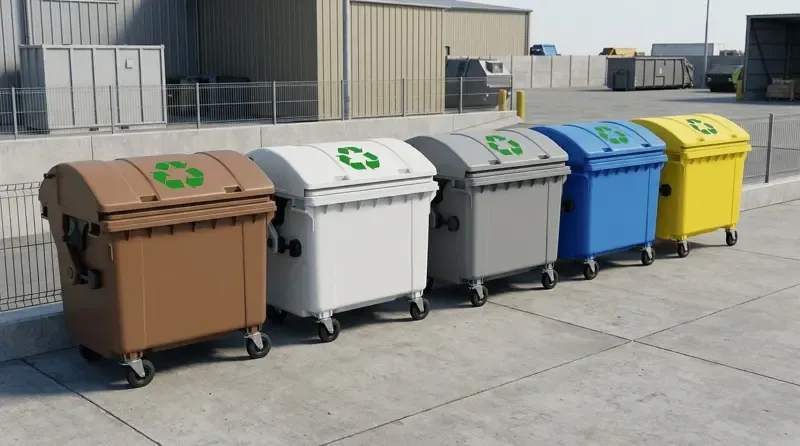
Trash Service: Check Before You Open an Account
Trash collection is another household expense that renters and homeowners should check before moving into a property in Deerfield Beach, Boca Raton, or another South Florida community.
Unlike electricity, where residents often establish an individual account with the utility provider, trash service may already be arranged by the city, landlord, HOA, or condominium association.
The arrangement can vary depending on the property's location and the type of community. Before opening a separate account with a waste company, find out who is responsible for residential garbage collection at your specific address.
Boca Raton Trash Service
In Boca Raton, the city provides sanitation services for eligible properties and provides information for residents about garbage, recycling, yard waste, and other collection services.
The City of Boca Raton directs residents to its Sanitation Services department for information about collection services and service-related questions. Residents can also use the city's online resources to find information about collection schedules and sanitation services.
If you are moving into a single-family home, don't automatically assume that the previous resident's arrangement will continue under your name. Confirm with the city or your property manager whether you need to establish service.
HOA and Condominium Communities May Already Have Trash Service
Trash collection can work differently in an HOA or condominium community.
An association may arrange collection for the entire community through a contract with a waste-management company. The cost may then be included in the association's operating expenses and funded through HOA or condominium assessments.
In that situation, an individual homeowner or renter may not need to open a separate residential trash account.
However, this is not universal.
Some communities may require residents to arrange their own service, while others may have specific rules about which company provides waste collection.
Before signing up for a separate service, ask the property manager, landlord, or HOA:
"Is residential trash collection included in my HOA or association fees?"
This simple question can help prevent you from paying twice for the same service.
Check Who Provides the Service
Before moving in, determine whether trash collection is handled by:
The city
The county
The HOA
The condominium association
The landlord
A private waste-management company
The resident directly
The answer can depend on the property's exact location and community structure.
A property with a Boca Raton mailing address, for example, should not automatically be assumed to have exactly the same municipal services as every other property using that mailing address.
Learn the Community's Trash Rules
If you live in an HOA or condominium community, finding out who pays for trash collection is only the first step.
You should also ask about the community's collection rules.
Important questions include:
Where should garbage containers be placed?
What day should containers be placed outside?
What time must containers be at the collection point?
Where should containers be stored between collection days?
Is recycling collected separately?
Is yard waste collected?
How are bulk items handled?
Are there restrictions on oversized items?
Does the community require specific types or sizes of containers?
Are there penalties for leaving containers in prohibited areas?
Some communities have rules that are stricter than the general municipal collection requirements.
Condo Residents May Have Different Collection Arrangements
Condominium buildings may have centralized dumpsters or collection areas rather than individual curbside containers.
For example, residents might be required to take household garbage to a designated trash room, dumpster enclosure, or collection area.
Other communities may use valet trash services or scheduled pickup from individual units.
These services may be paid through condominium assessments or may appear as a separate community charge.
Before moving in, ask the property manager where residents are expected to dispose of everyday household garbage.
Bulk and Special Items Are Different
Regular household garbage is not the same as bulky waste, construction debris, electronics, appliances, or hazardous materials.
If you are moving into a new home, you may have boxes, furniture, appliances, or other large items that need to be disposed of.
Don't simply leave these items beside the regular garbage container.
Ask the city, HOA, or waste provider about:
Bulk-item pickup
Appliance collection
Furniture disposal
Yard waste
Recycling
Electronic waste
Household hazardous waste
Following the correct procedure can help you avoid fines, missed collection, or HOA violations.
Ask Before You Budget for Trash
When calculating the monthly cost of a rental, don't assume that trash service is automatically included or automatically billed separately.
Your housing expenses may include:
Rent
Electricity
Water
Sewer
Trash
Internet
Renters insurance
HOA-related charges
Parking
Pet fees
If trash service is included through the HOA or condominium association, you may not have a separate monthly bill.
If it is not included, you should know who provides the service and how much it costs before signing the lease.
A Simple Question Can Prevent a Duplicate Bill
One of the easiest ways to avoid confusion is to ask before opening any utility or service account:
"Who is currently responsible for residential trash collection at this property?"
Then follow up with:
"Is the cost included in the HOA or association fees, or do I need to arrange and pay for service separately?"
Get the answer in writing whenever possible.
Trash service may seem like a small detail when you're moving, but the responsibility can vary considerably between properties.
In Boca Raton, the city provides sanitation services and official information about residential collection. In an HOA or condominium community, however, trash service may already be arranged for the entire community and paid through association expenses.
Before opening a separate trash account, confirm:
Who provides the service, who pays for it, where containers go, and what collection rules apply to your property.
Checking these details before move-in can help you avoid unnecessary accounts, duplicate charges, and HOA violations.

What Renters Should Confirm With the Landlord Before Signing a Lease
Renting a home, condo, or townhouse in Deerfield Beach or Boca Raton involves more than comparing monthly rent. One of the most important steps before signing a lease is understanding which utilities and property-related expenses you will actually be responsible for paying.
A rental advertised at a certain monthly price can become significantly more expensive if the tenant is also responsible for electricity, water, sewer, trash, internet, landscaping, or other services.
For that reason, renters should ask the landlord or property manager for a written breakdown of utilities and other recurring expenses before signing the lease.
Ask for a Written Utility Breakdown
Don't rely only on a verbal statement such as "utilities are not included."
Ask specifically which services are included in the rent and which ones must be paid separately.
Your lease should clearly explain the financial responsibilities of both the landlord and tenant.
At a minimum, confirm responsibility for:
Electricity
Water
Sewer
Trash
Internet
Landscaping, if renting a house
Irrigation
Pest control
Gas or propane, if applicable
HOA or condominium fees
Understanding each item before move-in can help prevent unexpected bills.
1. Electricity
Electricity is often one of the largest variable utility expenses for a Florida renter.
Ask:
Do I need to open an account in my name?
Which company provides electricity to the property?
Is there an existing account that needs to be transferred?
Is electricity included in the rent?
Are there any special billing arrangements?
If you are responsible for electricity, ask the landlord for the current provider and, if available, previous average bills.
Florida's hot climate means air-conditioning use can have a significant impact on monthly electricity costs.
2. Water
Water responsibility can vary significantly between properties.
A single-family home may require the tenant to establish an individual water account, while a condominium or townhouse community may have water handled through the association.
Ask:
"Do I open the water account myself, or is water billed through the landlord or association?"
Also confirm whether water charges include sewer.
3. Sewer
Don't assume that sewer is automatically included with water.
In many communities, water and wastewater charges appear together on the same utility bill. However, the billing arrangement can vary by property.
Ask:
Is sewer included with the water bill?
Is sewer included in the rent?
Is sewer billed by the HOA or condominium association?
Will I receive a separate bill?
Knowing the answer helps you calculate your actual monthly housing cost.
4. Trash
Trash collection may be handled by the city, HOA, condominium association, landlord, or a private provider.
Ask:
Who provides residential garbage collection?
Is the service included in the rent?
Is it included in HOA or condominium fees?
Do I need to establish an account?
Where should garbage containers be placed?
Is recycling included?
This is particularly important in communities where trash service is centrally arranged.
5. Internet
Internet service is frequently the tenant's responsibility, but some apartment, condo, and HOA communities may include internet or cable through a bulk service agreement.
Ask:
Is internet included?
Which provider services the property?
Is there a community-wide internet agreement?
What internet speed is included?
Are equipment fees included?
Can I choose another provider?
Remote workers should pay particular attention to this expense because reliable high-speed internet can be an essential part of the monthly budget.
6. Landscaping
If you're renting a single-family house, determine who is responsible for maintaining the yard.
The lease should explain whether landscaping is:
Included in the rent
Paid by the landlord
Paid by the tenant
Handled by an HOA
Shared between the landlord and tenant
If the tenant is responsible, clarify whether that includes mowing, trimming, tree maintenance, fertilization, or other services.
7. Irrigation
Irrigation can be easy to overlook when calculating rental expenses.
Ask who pays for:
Irrigation water
Irrigation system maintenance
Repairs to sprinkler systems
Timer or controller problems
In some communities, irrigation may be connected to a separate system or may be covered as part of community landscaping.
Don't assume that responsibility for ordinary water automatically tells you who pays for irrigation.
8. Pest Control
Florida properties may require regular pest-control services, particularly single-family homes.
Ask whether pest control is:
Included in the rent
Provided by the landlord
Included through the HOA
The tenant's responsibility
Also clarify whether routine pest control and treatment for an infestation are handled differently.
Getting this information in writing can prevent disagreements later.
9. Gas or Propane
Some Florida homes use natural gas or propane for appliances, water heating, pools, grills, or other equipment.
If the property uses gas or propane, ask:
Which appliances use gas?
Who pays the gas bill?
Is the service already connected?
Who arranges propane deliveries?
Who pays for tank rental, if applicable?
Who is responsible for maintaining the equipment?
These costs may not apply to every property, but they should be identified before signing the lease if they do.
10. HOA or Condominium Fees
Renters should also understand whether an HOA or condominium association is involved.
In many rental situations, the property owner pays the association's assessment, but the tenant may still be responsible for certain costs or services under the lease.
Ask:
Is there an HOA or condominium association?
Who pays the regular association fees?
Are water, sewer, trash, internet, or landscaping included through the association?
Are there separate tenant-related fees?
Are there move-in or elevator reservation fees?
Are there community rules that affect the tenant?
Don't assume that because an expense is paid by the association it is automatically included in your rent.
Put Everything in Writing
A written agreement is much easier to rely on than a verbal promise.
Before signing, review the lease and make sure it clearly identifies:
Landlord-paid expenses
and
Tenant-paid expenses
If the landlord says, for example, "I'll take care of the water," ask that the arrangement be reflected in the lease or another written document.
Likewise, if you are responsible for electricity, water, landscaping, or another service, make sure you understand exactly what that responsibility includes.
Ask About Average Utility Costs
If you are responsible for utilities, consider asking the landlord for recent average costs.
For example:
"Could you provide the approximate monthly electricity and water costs for the previous tenant?"
Utility bills can vary based on household size, usage, season, and weather, so previous bills are not guarantees of future expenses. However, they can provide a useful starting point for budgeting.
Don't Forget Move-In and Account Deposits
Some utility providers may require deposits or fees when a new account is established.
Before moving in, ask whether you will need to budget for:
Utility deposits
Connection fees
Transfer fees
Activation charges
HOA move-in fees
Elevator reservation fees
Internet installation fees
These are one-time expenses, but they can add significantly to the cost of moving.
Create Your True Monthly Housing Budget
When comparing rental properties in Deerfield Beach or Boca Raton, look beyond the advertised rent.
Your actual monthly housing cost may look more like:
Rent + electricity + water + sewer + trash + internet + insurance + other tenant-paid services
If you are renting a house, you may also need to account for landscaping, irrigation, pest control, or pool maintenance depending on the lease.
A property with slightly higher rent could actually be more affordable if several utilities and services are included.
A Simple Pre-Lease Question
Before signing a lease, ask the landlord:
"Can you provide a written list showing every utility and recurring property expense, and whether it is paid by the landlord, tenant, HOA, or condominium association?"
This gives you a clear starting point and reduces the chance of discovering unexpected expenses after moving in.
If you're renting in Deerfield Beach or Boca Raton, don't evaluate a property based on rent alone.
Before signing the lease, confirm responsibility for electricity, water, sewer, trash, internet, landscaping, irrigation, pest control, gas or propane, and HOA or condominium-related expenses.
The most important rule is simple:
If you are expected to pay it, make sure you know about it before signing the lease.
A clear written breakdown of utilities can help you compare rental properties more accurately, prepare for move-in costs, and avoid disputes with the landlord later.

What Homebuyers Should Check Before Closing
Buying a home in Deerfield Beach or Boca Raton involves more than reviewing the purchase price and mortgage payment. Before closing, buyers should understand the property's ongoing utility costs, HOA responsibilities, and community services.
This is especially important when purchasing a condominium or townhouse. A property with a relatively low HOA fee may still require the owner to pay water, sewer, trash, internet, and other utilities separately. Conversely, a higher HOA fee does not automatically mean that all utilities are included.
Before closing, take the time to verify exactly what you will be responsible for paying.
Ask for Current Utility Bills
One of the most useful things a buyer can request is a history of the property's utility expenses.
Ask the seller or real estate agent for recent bills for services such as:
Electricity
Water
Sewer
Trash
Gas or propane, if applicable
Internet or cable, if there is a community arrangement
Recent bills can help you estimate the property's actual operating costs.
Remember that previous utility bills are not guarantees of future expenses. Electricity use can vary significantly depending on household size, thermostat settings, occupancy, and seasonal weather.
However, a bill history can provide a much better starting point than simply guessing.
Review the HOA Documents
If the property is located in an HOA or condominium community, review the association documents before closing.
Depending on the type of property, relevant documents may include:
Declaration of covenants
Articles of incorporation
Bylaws
Rules and regulations
Association budget
Financial statements
Current assessment information
Maintenance responsibilities
Insurance information
Recent meeting information
Florida law provides specific disclosure and document requirements for condominium and homeowners' associations, so buyers should carefully review the documents applicable to the property.
Check the HOA Budget
The HOA budget can provide important clues about what your association dues actually pay for.
Look for expenses related to:
Water
Sewer
Trash collection
Landscaping
Irrigation
Pool maintenance
Common-area electricity
Insurance
Exterior maintenance
Security
Cable or internet
Other community services
This can help you determine whether a service is being paid through association assessments or whether individual owners are expected to establish separate accounts.
Don't Judge an HOA by the Monthly Fee Alone
A $300 monthly HOA fee is not necessarily cheaper than a $600 fee.
The lower-fee community might require homeowners to pay water, sewer, landscaping, exterior maintenance, or other expenses separately.
The higher-fee community might include several of these services in its operating budget.
The important question is not simply:
"How much is the HOA fee?"
Instead, ask:
"What exactly does the HOA fee cover?"
Confirm Utility Responsibility
Before closing, get a clear answer about who is responsible for each major utility.
Create a simple breakdown:
Service | Who Pays? | Provider | Individual Account? |
Electricity | Buyer / HOA / Other | Confirm | Yes / No |
Water | Buyer / HOA / Other | Confirm | Yes / No |
Sewer | Buyer / HOA / Other | Confirm | Yes / No |
Trash | Buyer / HOA / Other | Confirm | Yes / No |
Internet | Buyer / HOA / Other | Confirm | Yes / No |
Gas/Propane | Buyer / HOA / Other | Confirm | Yes / No |
Getting these details before closing can make the transition to ownership much smoother.
Confirm the Water and Sewer Provider
Water service deserves special attention because the provider can depend on the property's exact location and service area.
For example, the City of Deerfield Beach explains that properties in the city may be served by either the city's water system or Broward County Water and Wastewater Services. The city provides a water-service lookup tool for determining the provider serving a particular address.
In Boca Raton, the city operates its own water and wastewater utility services, but buyers should still verify the property's actual service area rather than relying solely on the mailing address.
Ask:
Who provides water?
Who provides sewer or wastewater service?
Is the property individually metered?
Is there a master meter?
Does the HOA receive the bill?
Will the buyer need to establish a new account?
Is there a deposit or account setup requirement?
These questions are particularly important for condominiums and townhouse communities.
Find Out How Trash Collection Works
Trash service can also vary by property.
Ask whether garbage and recycling collection is handled by:
The city
County government
The HOA
The condominium association
A private waste company
If the association has a bulk-service agreement, the cost may already be incorporated into the association's expenses.
Find out:
Who provides the service
What is included
Collection days
Container requirements
Recycling rules
Bulk-item procedures
Whether there are additional charges
Knowing the collection arrangement before closing can prevent confusion after you receive the keys.
Ask About Bulk-Service Agreements
Some condominium and HOA communities negotiate bulk agreements for services such as:
Cable television
Internet
Water
Trash collection
Landscaping
Pest control
The cost of these services may be included in association assessments.
However, a bulk agreement does not necessarily mean every service or upgrade is included at no additional cost.
Ask for documentation showing:
Which services are included
Whether the agreement is mandatory
The cost to the association
Whether residents pay additional fees
When the contract expires
Whether the service can be changed individually
Request Previous Utility Account Information
When available, previous account information can also be helpful.
Ask the seller or property manager for:
Utility provider names
Account transfer instructions
Meter information
Recent account statements
Average monthly usage
Contact information for the provider
You generally will not need the seller's personal account credentials, but knowing the provider and service details can make account transfers easier.
Check for Outstanding Charges
Before closing, buyers should also make sure they understand whether there are outstanding HOA assessments, special assessments, utility charges, or other property-related amounts.
Your closing process and title professionals should address applicable liens, assessments, and other financial obligations associated with the transaction.
If you are unsure about a charge, ask your title company, closing agent, real estate attorney, or real estate professional to clarify it before closing.
Ask About Special Assessments
An HOA's regular monthly fee is only part of the potential cost of ownership.
A community may also impose special assessments for major projects such as:
Roof replacement
Building repairs
Structural work
Pool renovations
Paving
Storm-related repairs
Major infrastructure improvements
Before closing, ask whether there are:
Current special assessments
Approved future assessments
Proposed assessments under consideration
Reviewing association financial information can help you identify potential costs that aren't reflected in the regular monthly HOA fee.
Don't Rely Only on the Listing
A real estate listing may mention an HOA fee and perhaps some of the services included with the property.
But the listing should not be your only source of information.
The actual documents and current information from the association, seller, utility provider, and closing professionals should take priority when determining your financial obligations.
If the listing says "water included," for example, ask:
Who pays the water bill, and how is that expense handled?
That question is much more useful than simply assuming the service is included.
Make a Pre-Closing Utility Checklist
Before closing, make sure you have answers to these questions:
Who provides electricity?
Who provides water?
Who provides sewer service?
Who handles trash collection?
Is the property individually metered?
Does the HOA use master meters?
Are utilities included in the HOA assessment?
Is internet or cable included through a bulk agreement?
Who maintains landscaping?
Who pays for irrigation?
Who handles pest control?
Is gas or propane used?
Are there special assessments?
Are there outstanding HOA charges?
What services must be transferred into the buyer's name?
Keeping this information together with your closing documents can make the move-in process much easier.
Homebuyers should go one step further than simply asking how much the HOA fee is.
Before closing on a condo, townhouse, or HOA property in Deerfield Beach or Boca Raton, ask the seller, real estate agent, HOA, or property manager for current utility bills, HOA documents, the association budget, community rules, utility responsibility information, water and sewer provider details, trash collection arrangements, bulk-service agreements, and previous utility information when available.
Most importantly, don't assume that a high HOA fee means everything is included or that a low HOA fee means utilities are excluded.
The real question is what you are actually paying for.
Understanding that before closing can help you calculate the true cost of ownership and avoid unpleasant financial surprises after you become the owner.

A Simple Utility Setup Strategy for Deerfield Beach and Boca Raton
Setting up utilities before moving into a new home can feel overwhelming, especially when different properties have different providers and HOA or condominium arrangements.
A simple plan can help you avoid service interruptions, duplicate bills, and unexpected move-in expenses.
Whether you're renting or buying in Deerfield Beach or Boca Raton, use the following five-step strategy to organize your utilities before you move.
Step 1: Ask the Landlord, Seller, or HOA
Start by finding out exactly which utilities and services you are responsible for.
Don't assume that the previous owner or tenant handled everything the same way you will.
Ask for a written breakdown covering:
Electricity
Water
Sewer
Trash
Internet
Cable
Landscaping
Irrigation
Pest control
Gas or propane, if applicable
HOA or condominium-related charges
If you're renting, check that the information matches your lease.
If you're buying, review the HOA or condominium documents and association budget.
The goal is to identify which expenses are yours and which are already covered through rent, association fees, or another arrangement.
Step 2: Confirm the Water Provider
Water is one of the utilities you should verify using the property's exact address.
Deerfield Beach
The City of Deerfield Beach explains that properties in the city may be served by either the City of Deerfield Beach water system or Broward County Water and Wastewater Services.
Use the city's water-service information and address lookup to determine which provider serves the property.
If the City of Deerfield Beach provides the service, check the requirements for establishing a new account, including identification, documentation, and any applicable deposit.
Boca Raton
For Boca Raton properties, review the city's Utility Services information and confirm whether the property is within the city's water and wastewater service area.
Don't rely solely on a Boca Raton mailing address. Confirm the actual utility provider for the property.
Ask About the Meter
Also determine whether the property is:
Individually metered
Master metered
Submetered
Billed through an HOA or condominium association
This can determine whether you need to open your own account.
Step 3: Set Up Electricity
Electricity should be one of the first utilities you arrange before moving in.
If the property is served by Florida Power & Light (FPL), arrange your service start date before moving day.
Ideally, electricity should be active when you receive the keys.
This is particularly important in South Florida because air conditioning is an essential part of maintaining a comfortable home.
Before setting up service, have the necessary information available, such as:
Property address
Service start date
Identification
Contact information
Lease or ownership information, if required
If you're unsure whether FPL serves the property, confirm the provider before opening an account.
Step 4: Confirm HOA-Covered Services
This is one of the most important steps for condo and townhouse residents.
Don't pay for a utility twice.
An HOA or condominium association may already arrange certain community services through association fees.
Depending on the community, these could potentially include:
Water
Sewer
Trash
Landscaping
Irrigation for common areas
Cable
Internet
Pest control
Common-area electricity
Other community services
However, every association is different.
Before opening accounts, ask:
"Which utilities and services are already included in my HOA or condominium fees?"
Then confirm whether you need to establish individual accounts for anything else.
Check Bulk-Service Agreements
Some communities have bulk agreements for services such as internet, cable, trash, or other utilities.
If a bulk agreement exists, ask whether:
The service is mandatory
The cost is included in your association assessment
You receive the service automatically
You can upgrade the service
Additional fees apply
This information can prevent unnecessary accounts and unexpected charges.
Step 5: Keep Copies of Everything
Once your utilities are arranged, keep a record of the setup.
Save:
Confirmation emails
Account numbers
Service start dates
Deposit receipts
Connection-fee receipts
Utility provider contact information
Move-in meter readings
HOA utility information
Your first utility bills
Taking photographs of the water and electricity meters on move-in day can also be useful, particularly for renters.
If there is a dispute later about when responsibility for utility usage began, having documentation can make it easier to establish the starting point.
Create a Simple Move-In Utility File
You don't need a complicated system.
Create one digital folder or physical file containing:
Property address
Electricity provider: ______
Water provider: ______
Sewer provider: ______
Trash provider: ______
Internet provider: ______
HOA/condominium contact: ______
Electric service start date: ______
Water service start date: ______
Account numbers: ______
Deposits paid: ______
Move-in meter readings: ______
Having this information in one place makes it easier to manage your first month in the property.

Start Services Before Moving Day
Don't wait until the day you move in to arrange utilities.
Some providers may require advance notice, deposits, documentation, or account verification.
Whenever possible, schedule services several days before your move-in date.
This gives you time to resolve problems if:
The address is listed incorrectly
The property has a different utility provider
A previous account has not been closed
A deposit is required
HOA information is missing
A service request needs additional documentation
Your Utility Setup Strategy at a Glance
The process can be summarized in five simple steps:
1. Ask: Determine which utilities you are responsible for.
2. Confirm: Verify the water and electricity providers for the exact property.
3. Set up: Arrange electricity and any other individual services before move-in.
4. Check: Confirm which services are already covered through the HOA or condominium association.
5. Document: Save account information, confirmations, deposits, and meter readings.
Setting up utilities doesn't have to be complicated.
Before moving into your Deerfield Beach or Boca Raton home, start by asking the landlord, seller, or HOA exactly which services you are responsible for. Then confirm the water provider, arrange electricity, check HOA-covered services, and keep documentation of every account you establish.
The most important rule is:
Verify first, set up second, and document everything.
A few minutes of preparation before move-in can help prevent duplicate bills, missed services, and unexpected utility costs during your first month in your new home.
Setting up utilities in Deerfield Beach or Boca Raton is relatively straightforward once you understand who is responsible for each service.
The key is not to assume that every property works the same way.
Electricity will generally require its own account when it is the resident's responsibility. Water and sewer depend on the property's service area and billing arrangement. HOA and condominium communities may also include certain services in association fees, but the exact coverage depends on the community's governing documents and agreements.
Before moving day, confirm every utility in writing. A few phone calls to the landlord, HOA, property manager, and utility provider can help you avoid unexpected bills and make your move much smoother.
Sources
Florida Department of Business and Professional Regulation (DBPR), Division of Condominiums, Timeshares, and Mobile Homes: Condominium information and official resources. Florida DBPR - Condominiums, Timeshares and Mobile Homes
Florida Statutes, Chapter 718: Florida Condominium Act, including provisions concerning condominium associations, assessments, and association operations. Florida Statutes Chapter 718 - Condominiums
Florida Statutes, Chapter 720: Homeowners' Association Act and provisions governing homeowners' associations. Florida Statutes Chapter 720 - Homeowners' Associations
Florida Statutes, Chapter 718 - Condominiums: Florida's statutory framework governing condominium associations, assessments, budgets, and association operations. Florida Statutes Chapter 718
Florida Statutes, Chapter 720 - Homeowners' Associations: Florida's statutory framework governing homeowners' associations and association assessments and operations. Florida Statutes Chapter 720
City of Deerfield Beach - Water Utility Billing: Information about water service, utility accounts, and determining the water provider for a property. City of Deerfield Beach - Water Utility Billing
City of Boca Raton - Utility Services: Official information about municipal water and wastewater services and utility accounts. City of Boca Raton - Utility Services
City of Boca Raton - Sanitation Services: Official information about residential sanitation, garbage collection, recycling, yard waste, and related services. City of Boca Raton - Sanitation Services
City of Boca Raton - Residential Garbage and Recycling: Official information for residents regarding collection services and sanitation requirements. City of Boca Raton - Garbage and Recycling
Florida Statutes, Chapter 83 - Residential Tenancies: Florida's statutory framework governing residential landlord-tenant relationships and rental agreements. Florida Statutes Chapter 83
Florida Department of Agriculture and Consumer Services - Landlord/Tenant Law: Official Florida consumer information concerning residential rental arrangements and landlord-tenant responsibilities. Florida Department of Agriculture and Consumer Services - Landlord/Tenant Law
City of Deerfield Beach - Water Utility Billing: Official information regarding water utility service and billing in Deerfield Beach. City of Deerfield Beach - Water Utility Billing
City of Boca Raton - Utility Services: Official information regarding water, wastewater, utility accounts, and related services. City of Boca Raton - Utility Services
City of Boca Raton - Sanitation Services: Official information regarding residential sanitation and collection services. City of Boca Raton - Sanitation Services
Florida Statutes, Chapter 718 - Condominiums: Official Florida law governing condominium associations, budgets, assessments, records, and related matters. Florida Statutes Chapter 718
Florida Statutes, Chapter 720 - Homeowners' Associations: Official Florida law governing homeowners' associations, assessments, records, and community operations. Florida Statutes Chapter 720
City of Deerfield Beach - Water Utility Billing: Official information about water providers, water service, and utility accounts. City of Deerfield Beach - Water Utility Billing
City of Boca Raton - Utility Services: Official information about water and wastewater services and utility accounts. City of Boca Raton - Utility Services
City of Boca Raton - Sanitation Services: Official information about sanitation and residential waste collection services. City of Boca Raton - Sanitation Services
City of Deerfield Beach - Water Utility Billing: Official information about water service, utility accounts, and water providers serving properties in Deerfield Beach. City of Deerfield Beach - Water Utility Billing
City of Boca Raton - Utility Services: Official information about water and wastewater services and utility accounts. City of Boca Raton - Utility Services
Florida Power & Light (FPL): Official information for starting, stopping, or transferring electric service. FPL - Start, Stop, or Move Service
Florida Statutes, Chapter 718 - Condominiums: Official Florida law governing condominium associations, assessments, budgets, and association operations. Florida Statutes Chapter 718
Florida Statutes, Chapter 720 - Homeowners' Associations: Official Florida law governing homeowners' associations and association operations. Florida Statutes Chapter 720
FPL - Start, Stop and Move Service