Renters insurance in Boca Raton vs Deerfield Beach vs Palm Coast: why coastal proximity changes your premium
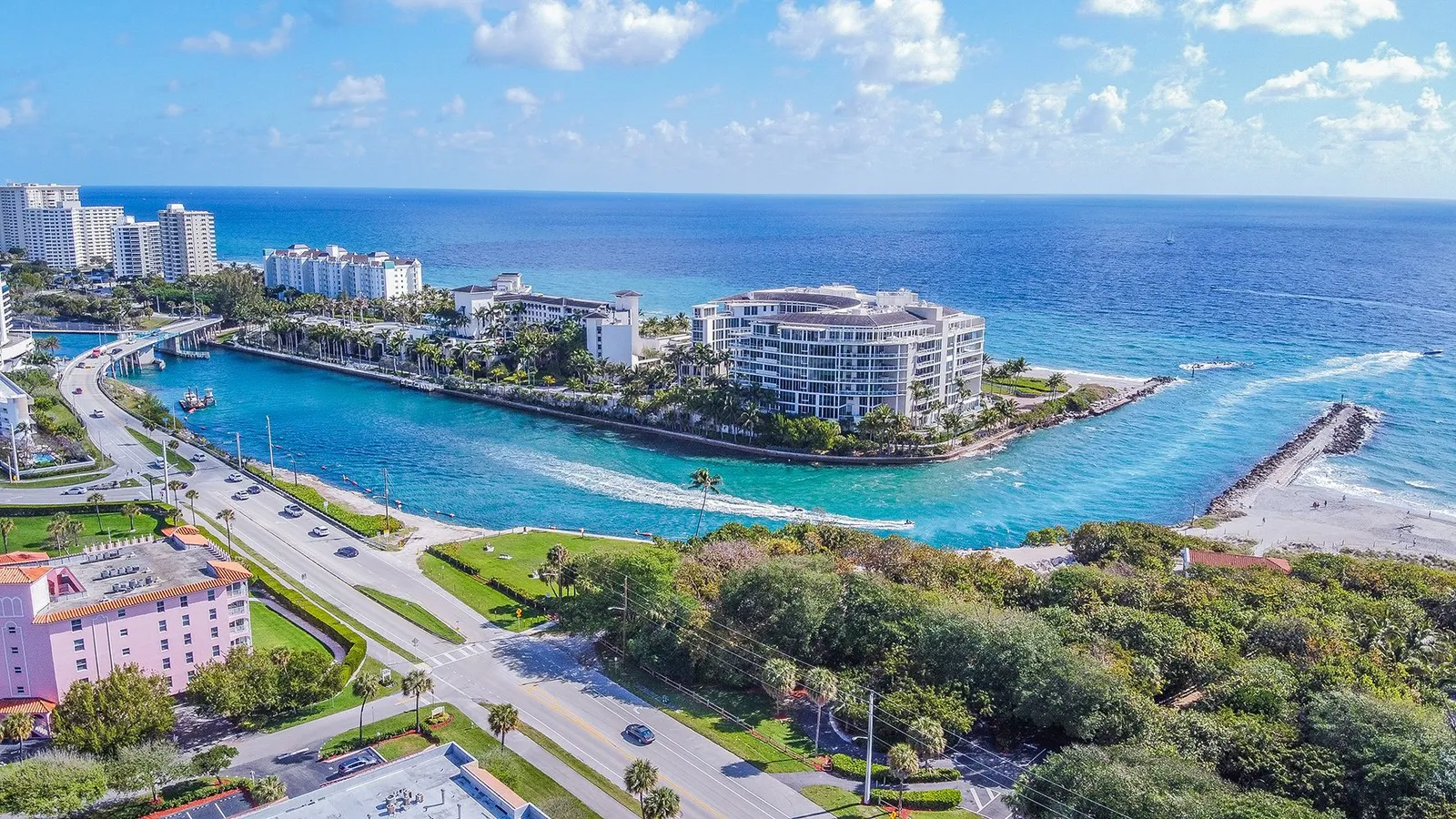
Renters insurance is an important part of budgeting for a rental home or apartment in Florida. While the monthly premium may seem relatively small compared with rent, the cost can vary depending on where you live and the risks associated with the property.
For renters comparing Boca Raton, Deerfield Beach, and Palm Coast, proximity to the coast can be one factor that influences insurance costs. However, being closer to the ocean does not automatically mean a higher renters insurance premium. Insurers may consider several factors, including the property's location, construction, claims history, coverage limits, deductible, and exposure to weather-related risks.
Understanding these differences can help renters build a more realistic moving budget.
What Does Renters Insurance Usually Cover?
Renters insurance is designed to help protect tenants financially when unexpected events damage their belongings, create liability concerns, or temporarily make their rental home unlivable. While the exact protection depends on the policy, renters insurance generally includes three important areas of coverage: personal property, liability, and additional living expenses.
Understanding what renters insurance does and does not cover can help tenants make better decisions when choosing a policy, especially in areas where weather and flood risks may be a concern.
1. Personal Belongings
One of the primary purposes of renters insurance is to protect a tenant's personal possessions.
Depending on the policy and the cause of the loss, covered belongings may include:
Furniture
Clothing
Electronics
Household appliances
Kitchen items
Personal belongings
Certain valuables, subject to policy limits
For example, if a covered event damages your furniture, clothing, or electronics, your renters insurance may help pay for repair or replacement, subject to the policy's deductible, limits, exclusions, and other conditions.
Tenants should keep an inventory of their belongings and, when practical, keep photographs, receipts, or other documentation for valuable items. This can make it easier to document ownership and potential losses if a claim needs to be filed.
2. Liability Protection
Renters insurance can also provide liability protection.
Liability coverage may help protect you financially if you are legally responsible for certain accidental injuries to another person or accidental damage to someone else's property, depending on the circumstances and policy terms.
For example, a covered liability claim could arise if an accident in your rental results in an injury to another person or causes covered damage to property belonging to someone else.
Liability coverage is different from personal-property coverage. Personal-property coverage is designed to protect your belongings, while liability coverage is intended to protect you against certain covered claims for which you may be legally responsible.
3. Additional Living Expenses
Another important feature of many renters insurance policies is additional living expense (ALE) coverage.
If a covered event makes your rental home temporarily unlivable, ALE coverage may help pay certain additional costs while the property is being repaired or restored, subject to the policy's terms and limits.
Potential expenses can include certain additional housing and living costs. The exact expenses covered vary by policy, so renters should review their policy carefully rather than assuming every temporary expense will be reimbursed.
The Insurance Information Institute identifies personal possessions, liability protection, and additional living expenses as three key areas of renters insurance protection.
What Renters Insurance Usually Does Not Cover
A common mistake is assuming that renters insurance covers every type of damage to a rental property or everything a tenant owns.
Renters insurance generally has exclusions and limitations. Coverage depends on the specific policy, the cause of damage, coverage limits, deductibles, and other conditions.
One particularly important exclusion for many renters is flood damage.
Standard Renters Insurance Generally Does Not Cover Flooding
The National Flood Insurance Program (NFIP) explains that standard renters insurance generally does not cover flood damage. This means that if rising floodwater damages a tenant's furniture, clothing, electronics, or other personal belongings, a standard renters policy may not provide coverage for that loss.
This distinction is especially important for renters in coastal communities and other areas exposed to flooding.
A landlord's property insurance also generally protects the building rather than a tenant's personal belongings. Therefore, renters should not assume that the landlord's insurance will replace their furniture, electronics, clothing, or other possessions after a flood.
Separate Flood Insurance May Protect Personal Belongings
Renters can obtain separate flood insurance designed to protect their personal property against covered flood damage.
The NFIP offers contents-only flood insurance for renters. This type of coverage is separate from a landlord's insurance policy and is intended to protect eligible personal belongings inside the rental property.
Flooding can result from several sources, including heavy rainfall, overflowing rivers or lakes, and coastal flooding. Importantly, flood risk is not limited to properties directly next to the ocean.
Renters Insurance vs. Flood Insurance
It is helpful to think of these policies as addressing different risks.
Coverage | What it generally protects |
Renters insurance | Personal belongings, liability, and additional living expenses for covered events |
Landlord's property insurance | The rental building and the landlord's covered property |
Flood insurance for renters | Eligible personal belongings damaged by covered flooding |
These policies are not interchangeable. A tenant may need renters insurance for everyday covered risks while also considering separate flood insurance if flood exposure is a concern.
Read the Policy Before You Buy
Not every renters insurance policy provides exactly the same protection. Tenants should review:
Personal-property coverage limits
Deductible
Covered causes of loss
Liability limits
Additional living expense limits
Special limits for certain valuables
Exclusions
Replacement-cost versus actual-cash-value coverage
Whether separate flood insurance may be appropriate
It is also important to understand how the policy defines covered events. Water damage does not automatically mean that the damage is considered a flood. For example, the NFIP distinguishes flooding from other types of water damage, such as certain plumbing leaks or roof-related water intrusion.
Renters insurance can provide valuable financial protection for tenants. A standard policy generally focuses on personal belongings, liability protection, and additional living expenses, rather than the physical structure of the rental property.
However, renters should pay particular attention to flood exclusions. Standard renters insurance generally does not cover flood damage, and a landlord's policy generally does not replace a tenant's personal belongings damaged by flooding.
For renters in coastal or flood-prone areas, understanding the difference between renters insurance and separate flood insurance can help prevent an unexpected coverage gap.
Before purchasing or renewing a policy, renters should carefully review the policy documents and discuss their specific risks and coverage needs with a qualified insurance professional.
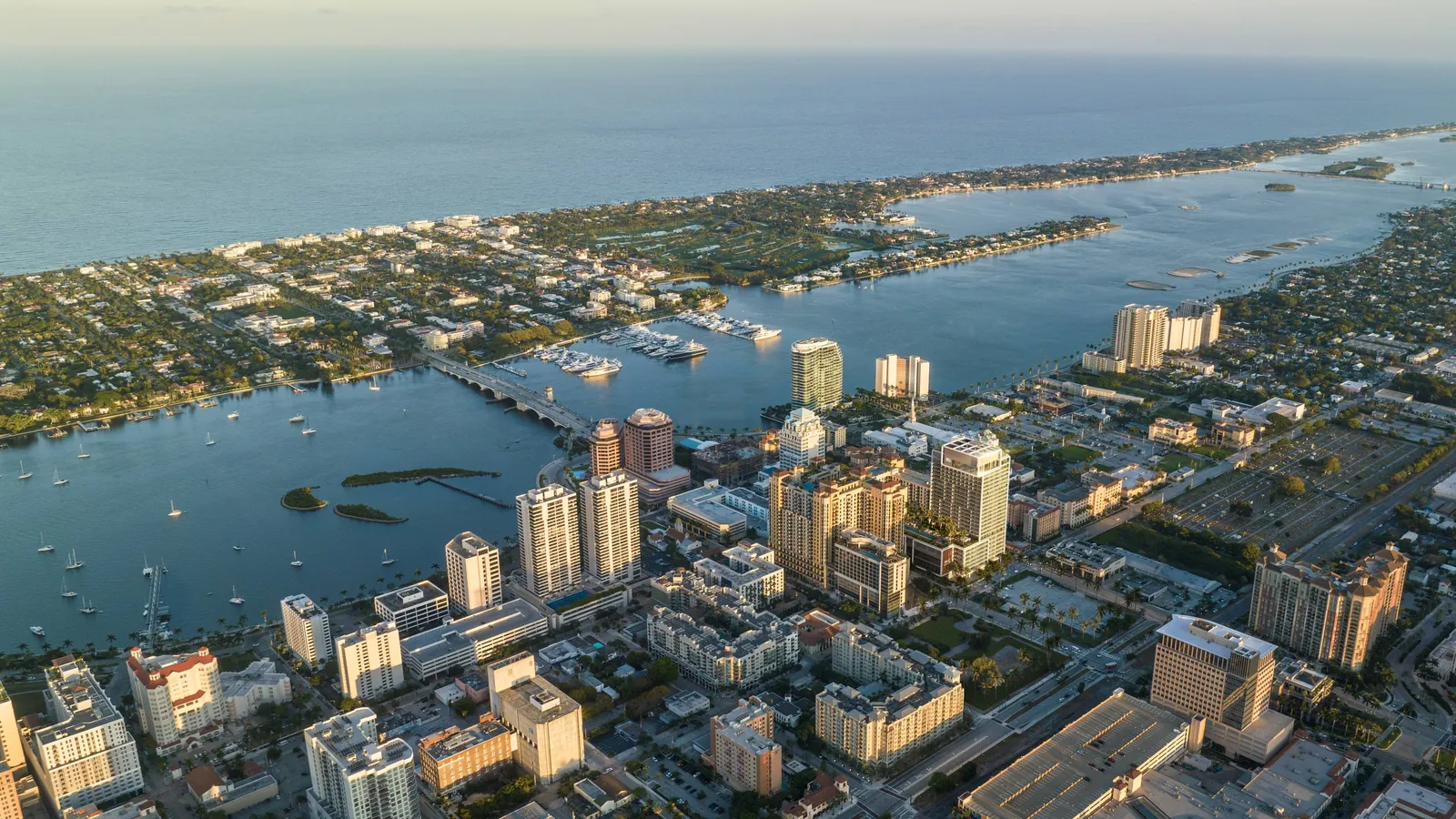
Why Coastal Proximity Matters in Florida
Florida's extensive coastline makes coastal proximity an important consideration for renters, homeowners, and property managers. Living closer to the ocean or another major water source can increase exposure to certain hazards, including storm surge, coastal flooding, heavy rainfall, and hurricanes.
However, coastal proximity does not automatically determine whether a property is at high risk. Flood exposure can vary significantly from one property to another, even within the same community.
Coastal Location Can Influence Flood Exposure
Properties located near the Atlantic Ocean, the Gulf of Mexico, rivers, canals, or other water sources may face different types of flooding.
The National Flood Insurance Program (NFIP) considers several factors when evaluating flood risk, including:
Distance from the coast or another water source
Flood frequency
Elevation
Type of flooding
Building characteristics
The property's location within a flood-risk area
These factors help explain why two rental properties in the same city can have very different levels of exposure.
Storm Surge Is an Important Coastal Risk
For Florida renters, hurricanes can create multiple types of risk. One of the most significant coastal hazards is storm surge, which occurs when hurricane winds push seawater onto normally dry land.
A property closer to the coastline may be exposed to storm surge sooner or more severely than a property farther inland, although actual exposure depends on the property's elevation, surrounding geography, flood defenses, and other factors.
Renters should therefore look beyond a simple "near the beach" or "inland" distinction when evaluating a property.
Elevation Can Make a Difference
Elevation is another important consideration.
A property located at a relatively low elevation may have greater exposure to certain types of flooding than a property at a higher elevation. Even properties that are relatively close together can have different flood characteristics because of differences in terrain.
For renters comparing properties, checking the property's flood zone and elevation information can provide more useful information than simply looking at its distance from the beach.
The Unit's Location Within a Building Matters
The location of the rental unit can also affect potential flood exposure.
For example, a ground-floor apartment may have a different exposure to floodwater than a unit located on a higher floor of the same building. The building itself may also have characteristics that affect how water could enter or damage different areas.
This is one reason renters should evaluate the specific property and unit rather than assuming every apartment in the same building has identical risk.
Coastal Proximity Does Not Tell the Whole Story
It is tempting to assume that a rental property farther from the ocean automatically has lower flood risk. That is not always the case.
Flooding can occur from sources other than direct coastal surge. Heavy rainfall, overflowing waterways, drainage problems, and other conditions can contribute to flooding in areas that are not immediately next to the beach.
The NFIP emphasizes that flood risk exists in communities across the country, not only in areas directly adjacent to the coast.
For this reason, renters should investigate the property's actual flood exposure rather than relying solely on its location within a city.
Why This Matters for Renters Insurance
Coastal proximity is particularly important when renters are evaluating insurance needs.
A standard renters insurance policy generally provides protection for personal belongings against covered causes of loss, along with liability and potentially additional living expense coverage. However, standard renters insurance generally does not cover flood damage.
The NFIP offers separate flood insurance coverage for renters that can help protect eligible personal belongings against covered flood losses.
This creates an important distinction for Florida renters: a property can have renters insurance and still have a potential flood-related coverage gap.
Don't Compare Insurance Costs by City Name Alone
Renters comparing Boca Raton, Deerfield Beach, Palm Coast, Fort Lauderdale, or another Florida community should avoid assuming that everyone in the same city will pay the same insurance costs.
Insurance pricing can depend on numerous factors, including:
The property's location
Flood exposure
Building characteristics
Coverage limits
Deductible
Personal property value
Claims history
Insurance company underwriting
The specific risks covered by the policy
The exact premium should therefore be obtained from an insurance provider based on the specific rental property and coverage selected.
Questions Florida Renters Should Ask
Before signing a lease, renters in coastal or potentially flood-prone areas may want to ask:
Is the property located in a designated flood-risk area?
What type of flooding could affect the property?
Is the rental unit on the ground floor or an upper floor?
Has the property experienced flooding previously?
Does the renters insurance policy exclude flood damage?
Would separate flood insurance be appropriate?
What are the policy's personal-property limits and deductible?
Are there special coverage limits for expensive electronics, jewelry, or other valuables?
Coastal proximity is an important factor when evaluating Florida rental properties, but distance from the ocean alone does not determine flood risk or insurance costs.
Flood exposure can depend on elevation, the type and frequency of flooding, nearby water sources, building characteristics, and the specific location of the rental unit.
For Florida renters, the best approach is to evaluate the individual property, understand its potential flood exposure, and carefully review renters insurance exclusions. In coastal communities especially, understanding whether separate flood insurance may be necessary can help renters avoid an unexpected coverage gap.
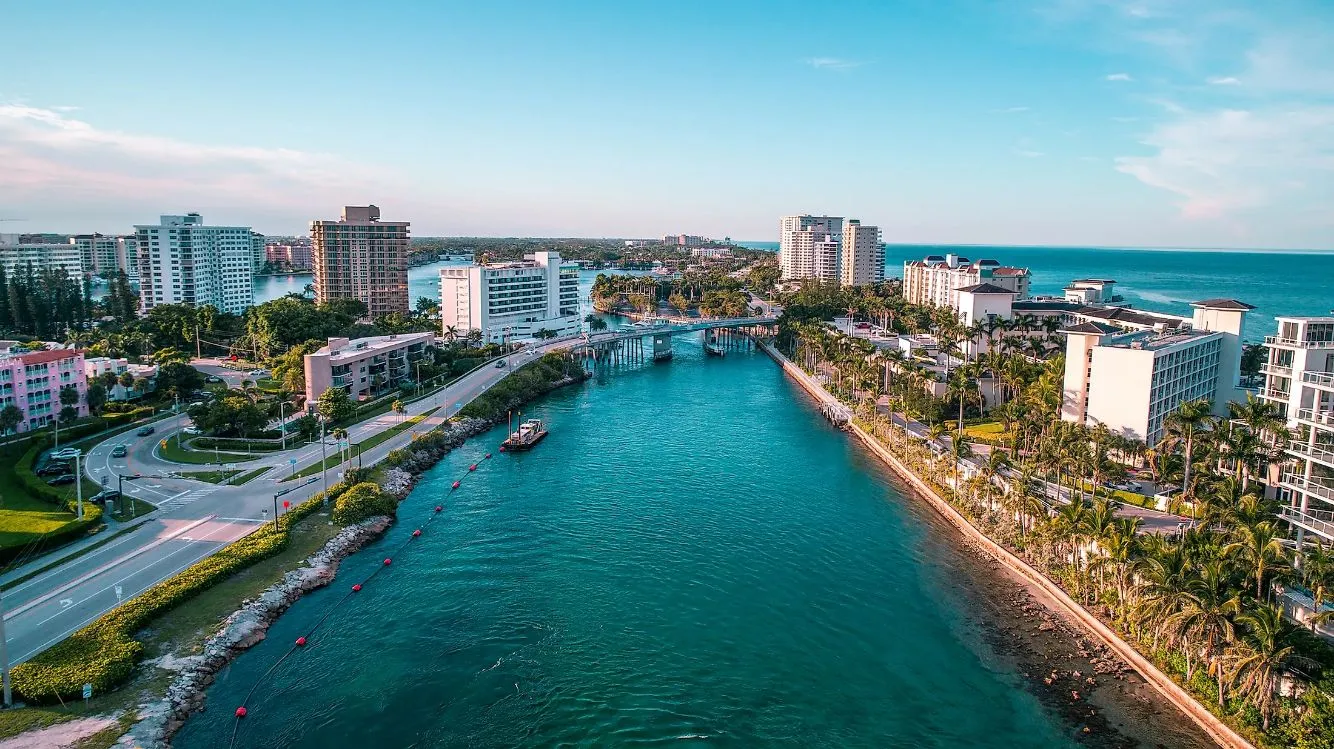
Boca Raton: Coastal Location and Higher Exposure
Boca Raton is a well-known coastal community in Palm Beach County, Florida. Its location along the Atlantic Ocean, combined with the Intracoastal Waterway, canals, and other waterways, makes flood and storm exposure an important consideration for renters.
However, living in Boca Raton does not mean every rental property has the same level of risk. A property's exact location, elevation, construction characteristics, and proximity to water can all affect its exposure.
Coastal Proximity Can Affect Insurance Considerations
A rental property located close to the beach may face different weather-related risks from a property farther inland.
When comparing rentals in Boca Raton, tenants should consider factors such as:
Flood zone designation
Property elevation
Distance from the coastline or waterways
Storm-surge exposure
Ground-floor versus upper-floor location
Building construction and characteristics
Personal-property coverage limits
Wind-related coverage and exclusions
Policy deductibles
The Federal Emergency Management Agency (FEMA) provides flood maps that can help property owners and renters understand whether a particular location is within a mapped flood-risk area.
Flood Risk Can Vary Within Boca Raton
One of the most important points for renters to understand is that citywide location alone does not determine flood risk.
Two apartments in Boca Raton may be only a few miles apart but have different flood characteristics because of differences in elevation, nearby waterways, drainage, building design, and location within a flood zone.
Even properties in the same apartment complex may have different exposure depending on the floor where a rental unit is located.
Ground-Floor vs. Upper-Floor Rentals
A ground-floor apartment can have different exposure to floodwater than an apartment several floors above ground level.
This does not mean an upper-floor unit is automatically protected from every type of flood-related loss. Floodwater can affect buildings in different ways, and renters should evaluate the entire property rather than relying solely on the floor of the apartment.
For renters, the unit's location is one additional factor to consider when evaluating overall insurance needs.
Storm Exposure Is Another Consideration
Boca Raton's coastal location also means renters should consider hurricane-related risks.
Florida hurricanes can produce strong winds, heavy rainfall, and storm surge. Coastal areas can be particularly vulnerable to storm surge, while heavy rainfall can contribute to flooding in areas farther from the immediate coastline.
The National Flood Insurance Program (NFIP) explains that flood risk is not limited to properties directly on the coast. Flooding can occur in many different locations and from different sources.
For that reason, renters should investigate the specific property rather than assuming that being farther from the beach automatically eliminates flood concerns.
Renters Insurance and Rising Floodwater
One of the most important insurance distinctions for Boca Raton renters involves flood coverage.
A standard renters insurance policy may protect personal belongings against certain covered causes of loss and can also provide liability and additional living expense coverage, depending on the policy.
However, standard renters insurance generally does not cover damage caused by flooding.
The NFIP explains that renters can purchase separate flood insurance coverage for eligible personal belongings. This can be particularly important for tenants who live in areas with potential flood exposure.
For example, if rising floodwater damages a renter's:
Furniture
Clothing
Television
Computer
Electronics
Household belongings
the tenant should not automatically assume that a standard renters insurance policy will pay for those losses.
Don't Rely on the Landlord's Insurance
Another common misunderstanding is assuming that the landlord's property insurance will replace a tenant's belongings after a flood or other disaster.
Generally, the landlord's insurance is intended to protect the building and the landlord's covered interests, not the tenant's personal possessions.
Renters should therefore consider their own insurance needs rather than relying on the property owner's policy.
What Boca Raton Renters Should Check
Before signing a lease, renters should consider researching the property's specific characteristics.
A useful checklist includes:
1. Check the Flood Zone
Use FEMA's Flood Map Service Center to research the property's mapped flood risk.
2. Consider the Property's Elevation
Elevation can be an important factor when evaluating potential flood exposure.
3. Identify the Unit's Floor
Ask whether the apartment is on the ground floor, an elevated level, or a higher floor.
4. Review Your Renters Insurance
Understand exactly what your policy covers, including personal property, liability, deductibles, exclusions, and additional living expenses.
5. Ask About Flood Insurance
If the property has meaningful flood exposure, ask an insurance professional whether separate flood insurance for renters would be appropriate.
6. Understand Wind Coverage
Because Boca Raton is a coastal Florida community, renters should carefully review policy language concerning wind-related losses and any applicable exclusions or limitations.
A Beachfront Rental Isn't Automatically the Same as an Inland Rental
Location matters, but it should not be viewed as a simple "beach versus inland" calculation.
A rental close to the Atlantic Ocean may have greater exposure to certain coastal hazards, while an inland property could still face flooding from heavy rainfall, drainage issues, canals, or other waterways.
Consequently, renters should compare the specific property and its insurance requirements, rather than assuming that every Boca Raton rental has the same insurance profile.
Boca Raton's coastal location is one of its biggest attractions, but it also makes understanding storm and flood exposure particularly important for renters.
Before choosing a rental, tenants should look beyond the monthly rent and consider the property's flood zone, elevation, location within the building, potential storm exposure, and insurance requirements.
Most importantly, renters should remember that standard renters insurance generally does not cover flood damage. If rising floodwater is a concern, separate flood insurance may be necessary to protect eligible personal belongings.
Understanding these potential coverage gaps before moving in can help Boca Raton renters make more informed decisions and avoid unexpected financial losses.
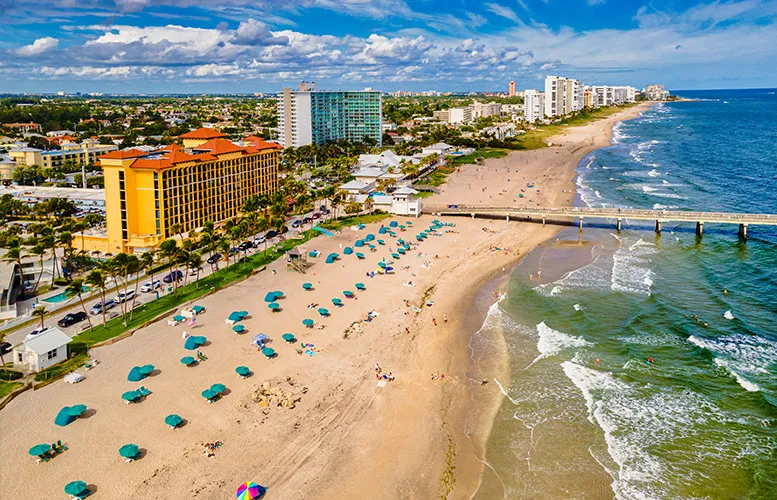
Deerfield Beach: Location Can Make a Difference
Deerfield Beach is a popular coastal community in Broward County, Florida, with rental properties ranging from beachfront apartments and condominiums to homes farther inland. Because of its location near the Atlantic Ocean and Intracoastal Waterway, coastal exposure can be an important consideration when evaluating a rental property and its insurance needs.
However, renters should avoid assuming that every property in Deerfield Beach has the same insurance risk. Location, building characteristics, flood exposure, coverage choices, and other factors can all influence the overall insurance picture.
Coastal Location Can Influence Risk
Properties located close to the Atlantic Ocean or Intracoastal Waterway may have greater exposure to certain coastal hazards, including storm surge and flooding.
The National Flood Insurance Program (NFIP) emphasizes that flood risk depends on more than simply whether a property is located in a coastal city. Factors such as flood zone, elevation, flooding source, and the characteristics of the property can all matter.
For Deerfield Beach renters, this means a property near the beach may have different insurance considerations from a rental located farther inland.
Two Rentals in the Same City Can Be Different
Renters comparing properties should not assume that two apartments in Deerfield Beach will have identical insurance requirements or premiums.
Differences can include:
Distance from the coastline
Elevation
Building construction
Floor level
Flood exposure
Personal-property coverage limits
Deductible
Policy exclusions
Claims history and underwriting factors
For example, a ground-floor rental near a waterway may have different flood considerations from an upper-floor apartment located farther inland.
This is why renters should evaluate the specific property and unit, rather than judging insurance risk based only on the city name.
Flood Exposure Is Particularly Important
Flood risk is one of the most important issues for coastal renters to understand.
FEMA's flood maps identify areas with different levels of mapped flood risk. However, being outside a high-risk flood zone does not necessarily mean a property cannot flood. Flooding can result from heavy rainfall, overflowing waterways, drainage problems, storm surge, and other circumstances.
Renters considering a Deerfield Beach property should therefore investigate the property's location and potential exposure before signing a lease.
Inland Does Not Always Mean Lower Insurance Costs
It may seem logical to assume that a rental farther inland will always have cheaper renters insurance than a property immediately next to the ocean.
That assumption is too simple.
Insurance premiums can depend on many factors, including:
The amount and type of coverage selected
Personal-property value
Deductible
Property characteristics
Location-specific risks
Coverage limits
Claims and underwriting considerations
Insurance company pricing
As a result, an inland rental may have different insurance considerations from a beachfront property, but distance from the ocean alone does not determine the final premium.
Renters should obtain actual quotes based on the specific property and coverage they need.
Don't Focus Only on Monthly Rent
When comparing Deerfield Beach rentals, it can be tempting to focus exclusively on the advertised monthly rent.
For example, one apartment might appear cheaper because its monthly rent is lower. However, renters should also consider other housing expenses, including:
Renters insurance
Possible flood insurance
Security deposit
Application fees
Utility costs
Parking fees
Pet fees
Other lease-related expenses
Insurance is only one part of the total cost of renting, but understanding it before moving in can help prevent unexpected expenses.
Standard Renters Insurance and Flooding
Another important issue for Deerfield Beach renters is the distinction between renters insurance and flood insurance.
Standard renters insurance generally provides coverage for personal belongings against certain covered causes of loss and may include liability and additional living expense protection.
However, standard renters insurance generally does not cover flood damage.
The NFIP states that renters can purchase flood insurance to protect eligible personal belongings against covered flood losses. This can be particularly relevant for renters in coastal communities where flooding is a potential concern.
Renters should therefore review their policy carefully instead of assuming that any type of water damage will automatically be covered.
Questions to Ask Before Renting
Before choosing an apartment or home in Deerfield Beach, renters may want to ask:
Is the property located in a FEMA-mapped flood-risk area?
What is the property's elevation?
Is the rental on the ground floor or an upper floor?
Is the property close to the ocean, Intracoastal Waterway, canal, or another water source?
Does the renters insurance policy exclude flood damage?
Would separate flood insurance be appropriate?
What deductible applies to the policy?
Are there coverage limits for valuable personal belongings?
Are there wind-related exclusions or limitations?
What insurance costs should be included in the rental budget?
Deerfield Beach's coastal location makes flood and storm exposure an important consideration for renters, but location alone does not determine insurance costs.
Two rental properties in the same city can have very different risk characteristics because of differences in elevation, construction, floor level, flood exposure, coverage limits, deductibles, and other factors.
A property farther inland may have a different risk profile from one immediately adjacent to the coastline, but that does not guarantee a lower renters insurance premium.
The best approach is to compare the specific property, the specific unit, and the specific insurance policy. Renters should review coverage carefully, understand flood exclusions, and obtain an insurance quote based on the actual property before making a final rental decision.
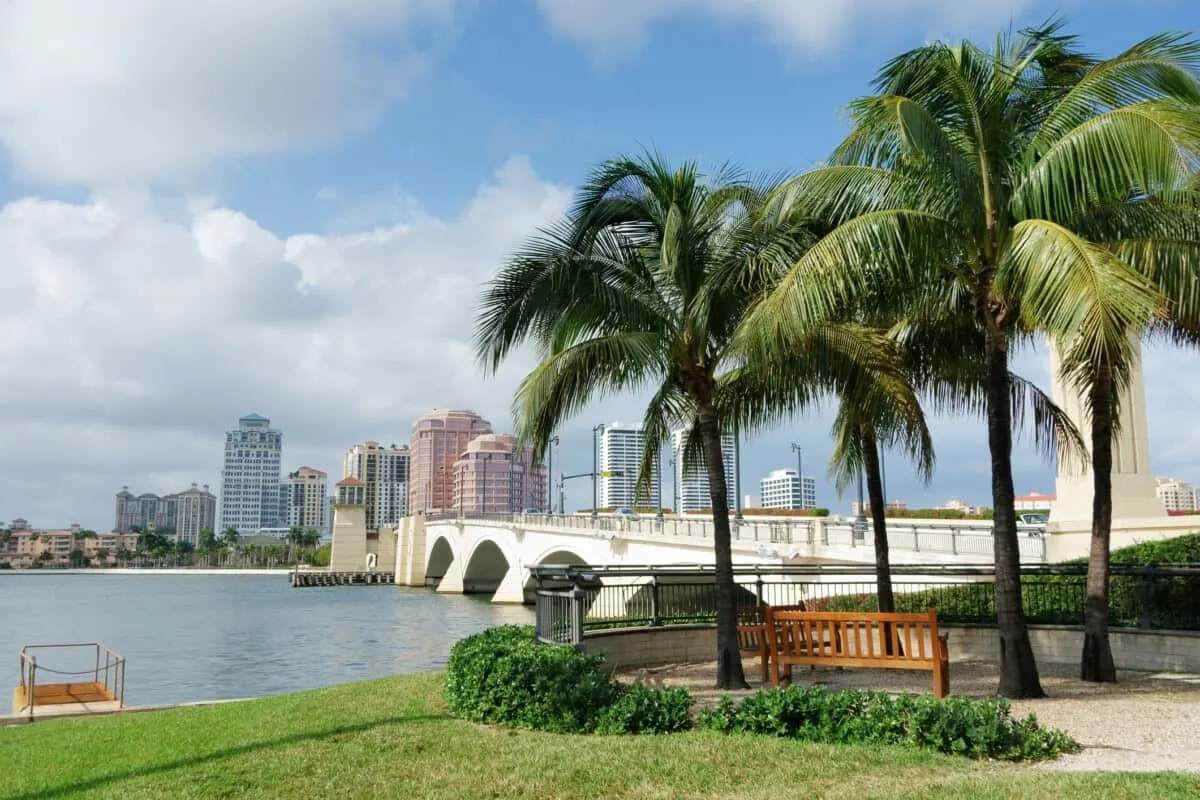
Palm Coast: Coastal, but Not Every Rental Has the Same Risk
Palm Coast provides an excellent example of why renters should look beyond a city name when evaluating flood exposure and insurance needs. Located along Florida's Atlantic coast, Palm Coast includes neighborhoods with different geographic characteristics, including properties closer to the ocean, homes farther inland, and residences located along canals and other waterways.
As a result, not every Palm Coast rental property has the same flood or storm exposure.
For renters, understanding the specific location of the property can be more useful than simply comparing Palm Coast with another Florida city.
Location Matters
A Palm Coast rental located close to the Atlantic Ocean may face different coastal risks from a property farther inland.
At the same time, an inland property located near a canal or other waterway may have its own flood considerations.
The Federal Emergency Management Agency (FEMA) and National Flood Insurance Program (NFIP) provide flood-risk information that considers multiple factors rather than relying solely on a property's distance from the coastline.
Important considerations can include:
Distance from the ocean or another water source
Flood frequency
Type of flooding
Elevation
Building characteristics
Location of the individual unit within a building
This means that renters should evaluate the individual property and unit rather than assuming every rental in Palm Coast has the same insurance requirements.
1. How Close Is the Property to the Ocean?
Distance from the Atlantic Ocean is one factor renters may want to consider.
Properties closer to the coast can have greater exposure to certain coastal hazards, including storm surge. However, distance alone does not determine a property's complete flood risk.
Other factors, such as elevation, surrounding terrain, waterways, and building characteristics, also matter.
Renters should therefore avoid using a simple rule such as "farther from the beach always means safer."
2. Is the Property Near a Canal or Waterway?
Palm Coast includes numerous neighborhoods with canals and waterways.
Being away from the ocean does not necessarily eliminate flood concerns. A rental near a canal, river, or other water source can have different exposure from a property located farther from those features.
When viewing a rental, renters should pay attention to nearby waterways and investigate the property's mapped flood risk.
3. What Is the Property's Elevation?
Elevation is another important factor when evaluating flood exposure.
Two properties that are relatively close together may have different flood characteristics because of differences in elevation.
Renters should consider checking available flood-risk information for the specific address instead of relying on general information about Palm Coast.
FEMA's Flood Map Service Center allows users to search for flood maps and information related to specific locations.
4. Is the Rental on the Ground Floor?
The location of the rental unit within a building can also matter.
A ground-floor apartment can have different exposure to floodwater from an upper-floor apartment in the same building.
This does not mean an upper-floor unit is automatically protected from all flood-related losses. Instead, the unit's location should be considered as one part of the property's overall risk profile.
For renters, this is another reason why comparing buildings only by neighborhood or city may not provide enough information.
5. Does the Property Have a History of Flooding?
Past flooding can provide useful information when evaluating a rental.
Renters can ask property owners or managers whether the property has experienced previous flooding or significant storm-related damage.
However, past experience should not be treated as a guarantee of future conditions. A property that has never flooded could still experience flooding under different weather or drainage conditions.
6. What Does the Renters Policy Exclude?
Before purchasing renters insurance, tenants should carefully review the policy's exclusions.
A standard renters policy can provide protection for personal belongings against certain covered causes of loss and may also provide liability and additional living expense coverage.
However, standard renters insurance generally does not cover flood damage.
The NFIP explains that renters can purchase separate flood insurance coverage for eligible personal belongings.
This distinction is particularly important for renters in coastal communities or properties located near waterways.
7. Would Separate Flood Coverage Be Appropriate?
Renters who live in an area with potential flood exposure may want to discuss separate flood insurance with a qualified insurance professional.
Flood insurance for renters can provide coverage for eligible personal belongings damaged by covered flooding, subject to the policy's terms, limits, and exclusions.
Renters should not assume that the landlord's insurance will replace their personal possessions after a flood. The landlord's insurance generally protects the building and the landlord's covered interests, while renters need their own coverage for their belongings.
Palm Coast Rental Insurance Is Not One-Size-Fits-All
One of the biggest lessons from Palm Coast is that insurance considerations can vary significantly between individual properties.
Two rentals with similar monthly rents could have different insurance considerations because of differences in:
Location
Elevation
Nearby waterways
Building construction
Floor level
Flood exposure
Coverage limits
Deductibles
Policy exclusions
Therefore, renters should not assume that an average insurance cost for Palm Coast will accurately represent what they will pay for a particular rental.
The best way to understand potential costs is to obtain an insurance quote using the specific rental property's address and the coverage the renter needs.
Questions Palm Coast Renters Should Ask
Before signing a lease, consider asking:
How close is the property to the Atlantic Ocean?
Is the property near a canal, river, or other waterway?
What flood zone is the property located in?
What is the property's elevation?
Is the rental unit on the ground floor?
Has the property experienced flooding previously?
Does the renters insurance policy exclude flooding?
What deductible applies?
What are the personal-property coverage limits?
Should separate flood insurance be considered?
Palm Coast demonstrates why coastal proximity should be evaluated at the property level rather than simply at the city level.
Some rentals may be closer to the Atlantic Ocean, while others may be farther inland or located near canals and other waterways. Elevation, building characteristics, and the location of the individual rental unit can also influence potential flood exposure.
For renters, the goal should not be to assume that one Palm Coast neighborhood is automatically "safe" or "risky." Instead, investigate the specific property, understand its flood exposure, and carefully review the insurance policy before signing a lease.
Most importantly, renters should remember that standard renters insurance generally does not cover flood damage. If flooding is a concern, separate flood coverage may be worth discussing with an insurance professional.
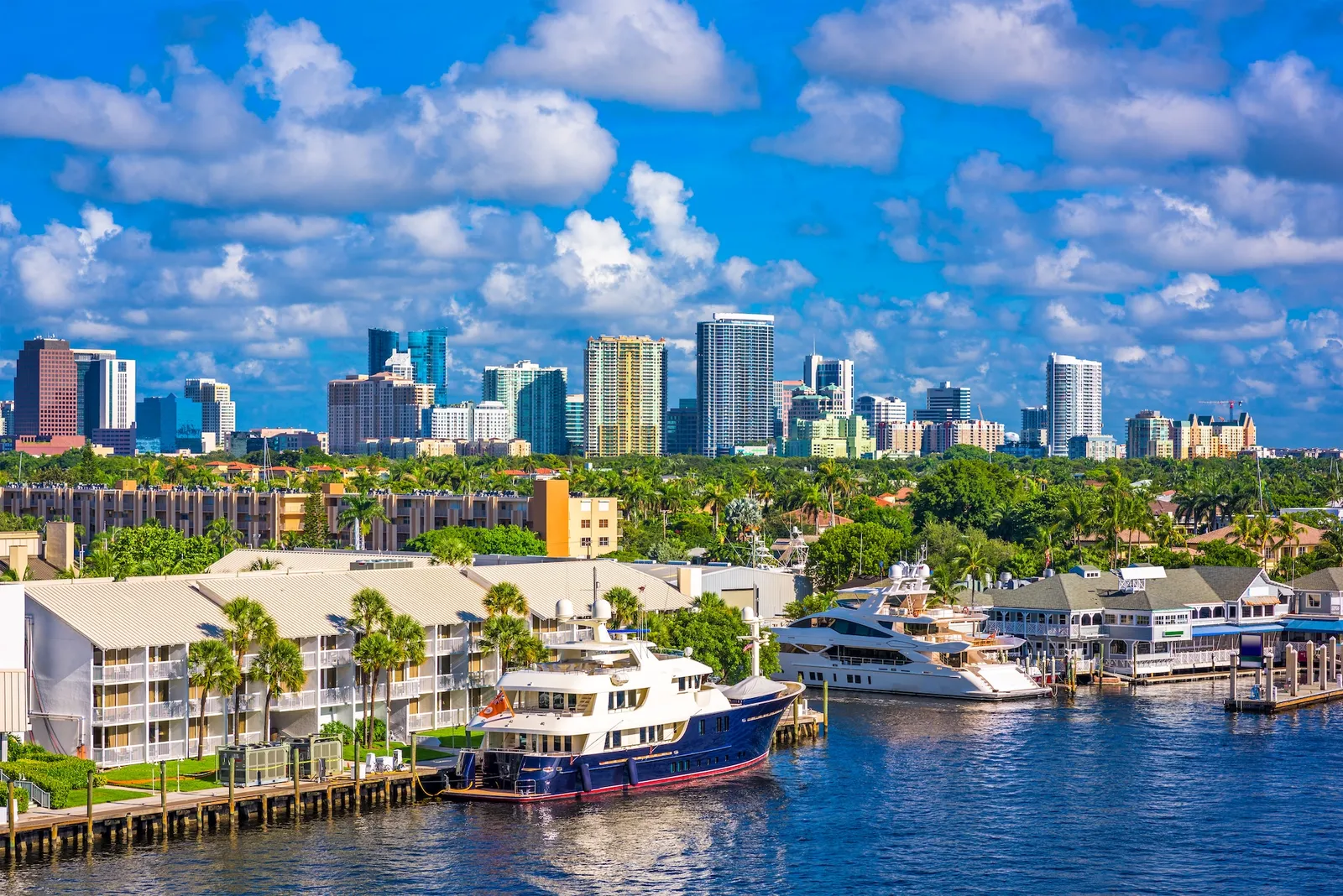
Boca Raton vs. Deerfield Beach vs. Palm Coast: Comparing Renters Insurance Considerations
When comparing rental properties in Boca Raton, Deerfield Beach, and Palm Coast, it can be tempting to assume that one city will consistently offer cheaper renters insurance than another.
That approach can be misleading.
All three communities have coastal or water-related exposure, but the characteristics of individual rental properties can vary considerably. The specific property, building, unit location, coverage selected, deductible, and potential flood exposure can all influence a renter's insurance needs and cost.
For that reason, renters should compare actual properties and insurance quotes rather than relying solely on citywide averages.
Comparing the Three Florida Communities
Factor | Boca Raton | Deerfield Beach | Palm Coast |
Coastal exposure | Can be significant | Can be significant | Varies by location |
Flood considerations | Important near coast and waterways | Important near coast and waterways | Important near coast, canals, and low-lying areas |
Ground-floor risk | Property-specific | Property-specific | Property-specific |
Storm exposure | Important | Important | Important |
Flood coverage | Often separate from renters insurance | Often separate from renters insurance | Often separate from renters insurance |
Best comparison method | Compare exact properties | Compare exact properties | Compare exact properties |
Boca Raton: Coastal Exposure Can Vary
Boca Raton is located along Florida's Atlantic coast, with properties ranging from beachfront and Intracoastal locations to neighborhoods farther inland.
A rental close to the ocean or a waterway may have different flood and storm considerations from a property farther inland.
Renters should consider:
Flood zone
Elevation
Proximity to water
Building characteristics
Ground-floor versus upper-floor location
Personal-property coverage
Deductible
Policy exclusions
The important point is that living in Boca Raton does not automatically determine the cost of renters insurance. The specific property's characteristics and the coverage selected are more useful when obtaining an actual insurance quote.
Deerfield Beach: Property Location Matters
Deerfield Beach also has significant coastal exposure, particularly for properties close to the Atlantic Ocean and Intracoastal Waterway.
Two rentals in Deerfield Beach could have different insurance considerations because one may be closer to the coastline, while another may be farther inland or located in a different flood-risk area.
Renters should investigate the specific property and consider:
Distance from the coast
Elevation
Flood exposure
Building construction
Unit floor level
Coverage limits
Deductible
Being farther from the beach does not automatically guarantee cheaper renters insurance. Insurance companies consider multiple factors when determining premiums.
Palm Coast: Different Locations, Different Exposure
Palm Coast provides another example of why citywide comparisons can be misleading.
The community includes properties with different relationships to the Atlantic Ocean, canals, and other waterways. Some rental homes may be closer to coastal areas, while others are located farther inland.
Renters should therefore consider the property's:
Exact location
Flood zone
Elevation
Distance from waterways
Building characteristics
History of flooding
Unit location
A rental in Palm Coast may have a very different risk profile from another Palm Coast property, even when the two homes are relatively close together.
Flood Insurance Is a Separate Consideration
One of the most important comparisons between these three communities is not necessarily the cost of standard renters insurance, but whether a renter needs to consider separate flood insurance.
Standard renters insurance generally covers personal belongings against certain covered causes of loss and may provide liability and additional living expense coverage. However, standard renters insurance generally does not cover flood damage.
The National Flood Insurance Program (NFIP) explains that renters can purchase flood insurance coverage for eligible personal belongings.
This distinction is particularly important in Florida because a property can have meaningful flood exposure even when it is not directly on the beach.
Why Ground-Floor Rentals Deserve Attention
The location of the individual rental unit can also matter.
A ground-floor apartment can have different exposure to floodwater than an upper-floor apartment in the same building. This does not mean that upper-floor units are automatically protected from all flood-related losses, but the floor level is one factor renters should consider.
When comparing apartments, renters should look at the specific unit, not just the building or neighborhood.
Citywide Averages Can Be Misleading
A citywide insurance average may provide a general point of reference, but it should not be treated as a quote for a particular rental.
Insurance costs can vary because of:
Property location
Flood exposure
Building characteristics
Personal-property value
Coverage limits
Deductible
Policy exclusions
Insurance company underwriting
Claims and loss history considerations
Therefore, a renter should not automatically conclude that Boca Raton will be more expensive than Deerfield Beach, or that Palm Coast will always be cheaper than either Broward or Palm Beach County community.
The actual premium depends on the individual risk and coverage.
The Best Way to Compare Rental Properties
Instead of asking, "Which city has the cheapest renters insurance?", renters may get more useful information by asking:
"Which specific property provides the best combination of rent, location, risk, and insurance cost?"
A practical comparison could include:
Property 1: Boca Raton
Monthly rent
Estimated renters insurance
Potential flood exposure
Deductible
Distance from the coast
Unit floor
Property 2: Deerfield Beach
Monthly rent
Estimated renters insurance
Potential flood exposure
Deductible
Distance from the coast
Unit floor
Property 3: Palm Coast
Monthly rent
Estimated renters insurance
Potential flood exposure
Deductible
Distance from waterways
Unit floor
Looking at the total monthly housing cost rather than rent alone can give renters a more realistic comparison.
Questions to Ask Before Choosing a Rental
Before signing a lease in any of these communities, renters should consider asking:
What flood zone is the property in?
Is the property near the ocean, Intracoastal Waterway, canal, or another water source?
What is the property's elevation?
Is the rental on the ground floor?
Has the property experienced flooding?
What does the renters insurance policy exclude?
What deductible applies?
What are the personal-property coverage limits?
Does the policy cover additional living expenses after a covered loss?
Should separate flood insurance be considered?
FEMA's Flood Map Service Center can be used to research mapped flood-risk information for a specific location.
Boca Raton, Deerfield Beach, and Palm Coast all offer attractive rental opportunities, but their coastal and water-related characteristics can vary significantly from one property to another.
The biggest takeaway is simple: do not assume that one city always has the cheapest renters insurance.
Instead, compare the exact properties, review their flood and storm exposure, examine the insurance coverage available, and obtain quotes based on the specific rental address.
For Florida renters, understanding the difference between standard renters insurance and separate flood coverage is especially important. A lower monthly rent does not necessarily mean a lower overall housing cost if the property requires additional insurance or has other risk-related expenses.

Don't Confuse Renters Insurance With Flood Insurance
For Florida renters, understanding the difference between renters insurance and flood insurance is one of the most important parts of protecting personal belongings.
The two types of coverage serve different purposes, and having renters insurance does not necessarily mean that a tenant is protected against flood damage. This distinction is especially important in coastal communities such as Boca Raton, Deerfield Beach, and Palm Coast, where renters may face exposure to storm surge, heavy rainfall, and other sources of flooding.
What Does Renters Insurance Generally Cover?
A standard renters insurance policy generally provides coverage for a tenant's personal belongings against certain covered causes of loss. Depending on the policy, it may also include liability protection and additional living expense coverage.
Covered personal belongings can include items such as:
Furniture
Clothing
Electronics
Household goods
Appliances
Other eligible personal property
However, coverage depends on the policy's terms, limits, deductibles, and exclusions.
One of the most important exclusions for Florida renters to understand is flood damage.
Standard Renters Insurance Generally Does Not Cover Flooding
Renters sometimes assume that if water damages their belongings, their renters insurance will automatically pay for the loss.
That is not necessarily the case.
Standard renters insurance generally does not cover damage caused by flooding. The National Flood Insurance Program (NFIP) explains that renters can obtain separate flood insurance to protect eligible personal belongings against covered flood losses.
This means that a renter could have an active renters insurance policy and still have a significant coverage gap if floodwater damages their possessions.
What Is Considered Flooding?
Flood insurance uses a specific definition of flooding. In general, flood damage involves water affecting normally dry land under qualifying circumstances, such as water overflowing from a body of water or an accumulation of water from certain weather-related events.
This is important because not every type of water damage is considered a flood.
For example, damage from a covered plumbing problem may be treated differently from damage caused by rising floodwater. Renters should review their policy language and discuss specific situations with an insurance professional.
What About the Landlord's Insurance?
Another common misunderstanding is assuming that the landlord's insurance will protect a tenant's belongings.
Generally, the landlord's property insurance is designed to protect the building and the landlord's covered interests. It generally does not replace a tenant's personal belongings.
For example, if floodwater damages a renter's:
Sofa
Clothing
Television
Computer
Kitchen items
Other personal possessions
the tenant should not automatically assume that the landlord's insurance will pay for those belongings.
Renters need to consider their own insurance needs separately.
Flood Insurance for Renters
The NFIP provides flood insurance options for renters through contents coverage.
According to the NFIP, renters can obtain up to $100,000 of coverage for eligible personal property, subject to the applicable policy terms, conditions, deductibles, exclusions, and limitations.
This coverage is intended to address eligible personal belongings rather than the physical structure of the rental property.
The distinction can be summarized simply:
Type of Coverage | Primary Purpose |
Renters insurance | Protects eligible personal belongings against covered causes of loss and may provide liability and additional living expense coverage |
Landlord's insurance | Generally protects the rental building and landlord's covered interests |
Renters flood insurance | Provides eligible contents coverage for covered flood losses |
Why This Matters in Coastal Florida
Flood insurance can be particularly important for renters in coastal communities.
Boca Raton, Deerfield Beach, and Palm Coast all have properties with varying degrees of proximity to the Atlantic Ocean, waterways, canals, and other potential sources of flooding.
However, flood risk is not limited to homes directly on the beach. Heavy rainfall, storm surge, overflowing waterways, and other conditions can contribute to flooding.
FEMA's Flood Map Service Center provides maps and information that renters can use to research the mapped flood risk associated with a property.
A Beachfront Apartment Is Not the Only Property Worth Considering
It is easy to assume that flood insurance is only relevant for renters living directly next to the ocean.
That is not necessarily true.
A rental property farther inland can still have potential flood exposure depending on its elevation, nearby waterways, drainage characteristics, and other factors.
Similarly, two units in the same building can have different exposure depending on their location within the building.
Renters should therefore evaluate the specific property and unit, rather than relying solely on the neighborhood or city name.
Check Your Coverage Before You Need It
Insurance is most useful when renters understand their coverage before a loss occurs.
Before moving into a Florida rental, tenants should review:
Personal-property coverage limits
Deductible
Covered causes of loss
Flood exclusions
Liability coverage
Additional living expense coverage
Special limits for valuable belongings
Whether separate flood insurance is available or appropriate
Renters should also consider creating a home inventory with photographs, receipts, or other records for valuable possessions. Good documentation can make it easier to demonstrate what belongings were owned if a covered loss occurs.
Questions to Ask an Insurance Professional
If you are renting in a coastal or potentially flood-prone area, consider asking:
Does my renters policy cover flood damage?
What exactly does my policy consider a flood?
How much personal-property coverage do I have?
What deductible would apply?
Would separate flood insurance be appropriate for this rental?
What belongings would be covered by flood insurance?
Are there special limits for electronics, jewelry, or other valuables?
What exclusions should I be aware of?
Getting clear answers before purchasing a policy can help prevent misunderstandings later.
Renters insurance and flood insurance are not the same thing.
A standard renters insurance policy can provide valuable protection for a tenant's belongings, liability, and certain additional living expenses. However, it generally does not cover damage caused by flooding.
At the same time, a landlord's insurance policy generally protects the building rather than the tenant's personal possessions.
For Florida renters, particularly those living in coastal communities, understanding this distinction is essential. If rising floodwater damages furniture, clothing, electronics, or other belongings, tenants should not automatically assume that their standard renters policy or their landlord's insurance will cover the loss.
The best approach is to review the specific renters policy, investigate the property's flood exposure, and determine whether separate flood insurance is appropriate.

How to Budget for Renters Insurance
When planning the cost of renting a home or apartment in Boca Raton, Deerfield Beach, or Palm Coast, the advertised monthly rent is only one part of the overall housing budget.
Renters should also account for insurance, deposits, utilities, parking, moving costs, and other property-specific expenses. This is particularly important in Florida, where the location and characteristics of a rental property can affect insurance considerations.
Start With the Total Cost of Moving In
Before signing a lease, create a list of both one-time expenses and recurring monthly costs.
Your initial budget may include:
Monthly rent
Security deposit
Application fees
Utility deposits
Renters insurance
Possible flood insurance
Parking fees
Pet-related fees
Moving expenses
Other property-specific charges
Separating these costs into one-time and recurring expenses can make it easier to determine how much money you will need before moving in and how much you will need each month afterward.
Don't Forget Renters Insurance
Renters insurance is often a relatively small part of the overall rental budget, but it can provide important financial protection.
The Insurance Information Institute identifies three key areas of renters insurance protection: personal possessions, liability protection, and additional living expenses. A landlord's insurance generally protects the building rather than the tenant's personal belongings.
When budgeting, renters should obtain an actual insurance quote rather than assuming that a general statewide or citywide average will apply to their property.
Consider the Deductible
The premium is not the only insurance cost worth considering.
A deductible is the amount the policyholder is responsible for paying toward a covered loss before the insurer pays its portion.
When comparing policies, renters should consider both:
The recurring premium
The deductible they could reasonably afford if they needed to make a claim
A policy with a lower premium may have different deductibles or coverage limits than another policy, so renters should compare policies based on the overall protection provided rather than price alone.
Factor in Possible Flood Insurance
Florida renters should pay particular attention to the difference between renters insurance and flood insurance.
Standard renters insurance generally does not cover flood damage. The NFIP offers flood insurance for renters to protect eligible personal belongings against covered flood losses.
This means some renters may need to budget for both:
Renters insurance + possible separate flood insurance
Whether separate flood coverage makes sense depends on the property's location, flood exposure, the value of the renter's belongings, and the coverage available.
Location Can Affect the Budget
A rental in Boca Raton, Deerfield Beach, or Palm Coast may have different insurance considerations depending on its specific characteristics.
Factors can include:
Proximity to the coast
Nearby canals or waterways
Flood exposure
Elevation
Building characteristics
Ground-floor versus upper-floor location
Coverage limits
Deductible
The NFIP notes that renters flood-insurance pricing can consider factors such as building characteristics, the location of contents, and flood risk.
Therefore, renters should avoid assuming that a property farther from the coast will automatically have the lowest insurance cost.
Build a Monthly Rental Budget
A simple monthly housing budget might look like this:
Expense | Monthly Budget |
Rent | $_____ |
Renters insurance | $_____ |
Possible flood insurance | $_____ |
Utilities | $_____ |
Parking | $_____ |
Pet fees | $_____ |
Other recurring fees | $_____ |
Estimated monthly total | $_____ |
Then create a separate list for one-time costs:
One-Time Expense | Estimated Cost |
Security deposit | $_____ |
Application fees | $_____ |
Utility deposits | $_____ |
Moving expenses | $_____ |
Pet deposit | $_____ |
Other fees | $_____ |
Total move-in costs | $_____ |
This approach gives renters a clearer picture of the actual financial commitment associated with a property.
Compare Insurance Quotes for the Exact Property
Insurance costs can vary from one property to another and from one insurer to another.
The Insurance Information Institute recommends comparison shopping when purchasing insurance.
For renters, that means getting quotes using the actual rental property's information whenever possible.
Instead of asking:
"What is the average renters insurance cost in Boca Raton?"
a more useful question is:
"What will renters insurance cost for this specific apartment or house?"
The same approach can be used when comparing rentals in Deerfield Beach and Palm Coast.
Don't Base Your Decision on Rent Alone
A rental with a lower advertised monthly price is not necessarily the least expensive option overall.
For example, two properties could have similar rents but different:
Insurance costs
Parking charges
Utility expenses
Pet fees
Deposits
Flood-insurance considerations
Moving costs
Looking at the total cost of renting can help you make a more realistic comparison
Budgeting for a Florida rental involves more than calculating the monthly rent.
Renters in Boca Raton, Deerfield Beach, and Palm Coast should consider renters insurance, potential flood insurance, deposits, utilities, parking, pet-related costs, moving expenses, and other property-specific charges.
Because insurance premiums depend on the individual property, insurer, coverage, and other risk factors, renters should obtain an actual quote for the specific rental rather than relying on a citywide estimate.
A careful budget can help renters understand both their upfront move-in costs and their ongoing monthly expenses before signing a lease.
Questions to Ask Before Signing a Lease
Before moving into a coastal Florida rental, ask:
1. Is renters insurance required by the lease?
Some landlords require tenants to maintain renters insurance and may specify minimum liability coverage.
2. What does the policy exclude?
Do not assume that every type of water damage is covered.
3. Is flood insurance necessary?
Check the property's flood exposure and determine whether separate contents coverage is appropriate.
4. What is the deductible?
A lower premium may come with a higher deductible, so compare the entire policy rather than just the monthly price.
5. How much personal property coverage do you need?
Create an inventory of furniture, electronics, clothing, and other valuable belongings to estimate how much coverage would be appropriate.
6. Is the rental on the ground floor?
The location of an individual unit within a building can affect its flood exposure.
Renters insurance in Boca Raton, Deerfield Beach, and Palm Coast can vary considerably because insurance pricing depends on more than simply the city where you live.
Coastal proximity matters because it can affect exposure to flooding and severe weather, but it is only one part of the calculation. Property elevation, distance to water, building characteristics, floor level, coverage limits, deductibles, and the insurer's underwriting rules can all influence the final cost.
For Florida renters, the most important lesson is to compare the actual property and the actual policy, rather than assuming that a coastal rental automatically has a certain insurance price.
And remember: standard renters insurance generally does not cover flood damage. If you are renting in a coastal or flood-prone area, ask about separate flood coverage for your personal belongings before signing the lease.
Sources
National Flood Insurance Program (NFIP), FEMA:Understanding Flood Insurance for Renters
National Flood Insurance Program (NFIP), FEMA:Renters Insurance: Important Protection, with a Risky Coverage Gap
Insurance Information Institute (III):Renters Insurance
National Flood Insurance Program (NFIP), FEMA:What Is a Flood?
FEMA / National Flood Insurance Program (NFIP): Flood risk and flood insurance information. FloodSmart.gov
FEMA: National Flood Insurance Program information and resources. FEMA.gov
FEMA Flood Maps: Information for evaluating a property's mapped flood risk. FEMA Flood Map Service Center
FEMA Flood Map Service Center:FEMA Flood Maps
FEMA, Flood Insurance:FEMA Flood Insurance Resources
Federal Emergency Management Agency (FEMA), National Flood Insurance Program:FloodSmart.gov
FEMA Flood Map Service Center:FEMA Flood Map Service Center
FEMA, Flood Insurance:FEMA Flood Insurance Resources
National Flood Insurance Program, Renters: NFIP Renters Flood Insurance Information
Insurance Information Institute (Triple-I), Your Renters Insurance Guide:Insurance Information Institute
Insurance Information Institute, Renters Insurance:Renters Insurance Guide
FEMA / National Flood Insurance Program, Flood Insurance for Renters:NFIP Flood Insurance for Renters
National Flood Insurance Program, Get Insured:FloodSmart.gov
FEMA, Renters Can Buy Flood Insurance:FEMA Flood Insurance Information for Renters
National Flood Insurance Program (NFIP), What’s Your Flood Risk?FEMA/NFIP Flood Risk Information
National Flood Insurance Program (NFIP), Understanding Flood Insurance for RentersNFIP Flood Insurance for Renters
National Flood Insurance Program (NFIP), Buy a Flood Insurance PolicyFloodSmart Flood Insurance Information
FEMA/NFIP, Renters Flood Insurance Brochure
National Flood Insurance Program (NFIP), Buy a Flood Insurance PolicyFloodSmart Flood Insurance Information