Renter’s insurance on the coast: wind/flood/mold coverage for Boca & Deerfield beachside vs. Palm Coast canal-front areas

Living near Florida water — whether it’s the Atlantic surf in Boca Raton and Deerfield Beach or the quieter canals of Palm Coast — changes what you should expect from renter’s insurance. Standard renters policies are useful and inexpensive, but they have important gaps that matter more the closer you live to the water. Below I explain what typical policies do and don’t cover, how coastal geography (oceanfront vs. canal) changes your risk and your premium, and exactly what to buy or ask your agent for in each area.
What a standard renters policy usually covers (quick recap)
Most renters policies protect three things:
Understanding Personal Property Coverage: Protection from Named Perils Like Fire, Theft, Wind, Hail, and Water Damage
When you rent or own a home, your personal belongings—furniture, electronics, clothing, jewelry, and other valuables—represent a significant investment. That’s where personal property coverage in renters or homeowners insurance comes in. This coverage helps pay to repair or replace your possessions if they’re damaged or destroyed by specific events, known as “named perils.”
What Are Named Perils?
A named perils policy explicitly lists the events or risks that are covered. If the cause of damage is not listed, it’s generally not covered. Common named perils include:
Fire or lightning – Damage caused by accidental fires or lightning strikes.
Theft – Losses due to burglary or break-ins, whether at home or sometimes even while traveling.
Windstorm or hail – Damage from strong winds, hurricanes, or hailstorms, though in coastal areas (like Florida’s beaches), special hurricane or windstorm deductibles may apply.
Vandalism or malicious mischief – Protection against intentional damage caused by others.
Water damage (from certain sources) – Typically covers sudden and accidental discharges, such as from a burst pipe or appliance malfunction. However, flooding from storm surge or overflowing water bodies is usually excluded and requires separate flood insurance.
Smoke damage – Even if there’s no major fire, smoke can ruin clothing, furniture, and electronics.
Falling objects or weight of ice/snow – Less common in Florida, but still part of standard named perils lists.
Replacement Cost vs. Actual Cash Value
When a covered peril damages your property, your policy will reimburse you either for the replacement cost (what it costs to buy a new item of similar kind and quality) or the actual cash value (replacement cost minus depreciation). Many renters and homeowners choose replacement cost coverage for better protection, especially for high-value items like electronics or furniture.
Coastal Considerations: Florida Example
In coastal areas such as Boca Raton, Deerfield Beach, and Palm Coast, policies may have windstorm exclusions or require separate coverage through specialized insurers or state-backed programs like Citizens Property Insurance Corporation. It’s essential for renters and homeowners near the coast to confirm that their personal property coverage includes—or is supplemented by—protection from wind and hail, since these are among the most frequent perils in Florida.
Why It Matters
Without personal property coverage, even a small event—a kitchen fire, a broken pipe, or a theft—could lead to thousands in losses. Having insurance against named perils ensures that you can recover quickly without major financial strain.
Liability Coverage: Protecting Yourself if Someone Is Injured in Your Rented Home
When you rent a home, condo, or apartment, you may assume the landlord’s insurance covers everything that happens on the property. However, that’s only partly true. While a landlord’s policy protects the building itself, it doesn’t protect you personally if a guest or visitor is injured inside your rented unit. That’s where personal liability coverage—a standard feature of renters insurance—comes in.
What Is Liability Coverage?
Liability coverage helps protect you financially if someone is hurt or their property is damaged due to your actions or negligence within your rental. It typically covers:
Medical expenses for injuries sustained by guests in your home (for example, if a friend slips on a wet floor or trips over a rug).
Legal defense costs if you are sued because of the incident.
Damages awarded in a lawsuit, up to the policy’s coverage limit.
Even if the injury seems minor, medical bills and legal fees can quickly add up. Without liability insurance, you could be responsible for paying those costs out of pocket.
Examples of Covered Situations
Here are a few real-world examples of what liability coverage can protect you from:
A guest trips over a step in your entryway and breaks their ankle. Your policy could cover medical bills and legal fees if they sue.
Your child accidentally knocks over a candle, causing smoke damage to a neighbor’s furniture. Liability coverage can help pay for those repairs.
You forget to turn off the sink, leading to water damage in the unit below. The coverage may help pay for your neighbor’s repairs.
Typical Coverage Limits
Most renters insurance policies include $100,000 to $300,000 in personal liability protection. You can often increase this limit for a modest premium, depending on your risk level or lifestyle. For additional peace of mind, some renters also purchase an umbrella policy to extend their liability protection beyond standard limits.
Florida Renters: Why It Matters
In high-density housing areas such as Boca Raton, Deerfield Beach, and Palm Coast, where many properties share walls, floors, or common spaces, accidental damage or injury can easily involve neighboring units. Liability insurance not only safeguards your finances but can also help maintain a good relationship with your landlord and neighbors by ensuring damages are quickly covered.
What’s Not Covered
Liability insurance typically does not cover:
Injuries to you or household members (that’s what health insurance is for)
Intentional acts causing harm or damage
Business-related incidents unless you add a specific endorsement
Personal liability coverage is an affordable yet powerful layer of protection within your renters insurance. It ensures that if an accident happens in your rented home, you’re not left paying for costly medical bills, repairs, or lawsuits on your own.
Loss of Use Coverage: Protection When Your Rental Becomes Uninhabitable
If a fire, storm, or other covered event forces you out of your rental home, the financial strain can be overwhelming. Suddenly, you may face the cost of hotel stays, eating out, and extra transportation—on top of your regular bills. That’s where Loss of Use coverage, also known as Additional Living Expenses (ALE), becomes essential.
What Is Loss of Use Coverage?
Loss of Use coverage is a standard feature in most renters and homeowners insurance policies. It helps pay for temporary living expenses if your rental unit becomes uninhabitable due to a covered peril—such as fire, windstorm, or certain types of water damage. This coverage allows you to maintain your normal standard of living while repairs are being made.
What It Covers
Loss of Use or ALE coverage can reimburse you for:
Hotel or temporary housing costs – If you need to stay in a hotel, short-term rental, or another apartment while your home is repaired.
Food expenses – The additional cost of eating out if you can’t cook at home.
Transportation costs – Increased commuting expenses due to your temporary relocation.
Laundry or storage fees – Costs for temporary services you wouldn’t normally need if you were still living at home.
For example, if a fire damages your kitchen and you must move out for two weeks, your insurer may pay the difference between your normal grocery budget and your restaurant bills during that period.
What Triggers the Coverage
Loss of Use coverage applies only when the unit becomes uninhabitable because of a covered peril listed in your policy—such as fire, smoke damage, windstorm, or certain water leaks.However, it does not cover losses caused by:
Flooding or storm surge (unless you have separate flood insurance)
Mold or maintenance issues due to neglect
Eviction or voluntary relocation
Coastal Florida Considerations
In coastal areas like Boca Raton, Deerfield Beach, and Palm Coast, renters are particularly vulnerable to wind and storm damage. After a hurricane or tropical storm, many tenants may need to move out temporarily while power is restored or repairs are made. Having Loss of Use coverage ensures that those extra living costs—often running into thousands of dollars—are reimbursed by your insurer, not paid from your savings.
Coverage Limits
Policies generally set a maximum payout limit for Loss of Use, often calculated as a percentage of your total personal property coverage (for example, 20%–30%). Always review your policy to understand the dollar limit and the types of documentation your insurer may require (such as hotel receipts or meal expenses).
Why It Matters
Even short-term displacement can create major financial pressure. Loss of Use coverage provides peace of mind by ensuring you have a safe, comfortable place to stay while your rental is repaired or rebuilt—without facing unexpected out-of-pocket costs.
However, flooding from outside sources (storm surge, coastal flooding, river or canal overflows) is not covered by a standard renters policy — flood protection requires a separate flood policy (private or NFIP).
Flood (storm surge, coastal flooding, heavy rain)
Key Point: Flood = Separate Policy for Renters in Coastal Florida
If you’re renting near the water—whether it’s beachside in Boca Raton or Deerfield Beach, or along the canals in Palm Coast—you already know that coastal living comes with a few extra risks. One of the most important to understand is flooding. While your landlord’s insurance protects the building, it does not cover your personal belongings inside it.
That means if storm surge, heavy rain, or canal overflow sends water into your rental, your landlord’s flood insurance will pay to repair the structure — but your couch, clothes, and electronics won’t be covered. To protect your possessions, you’ll need a contents-only flood insurance policy of your own.
Why Flood Requires a Separate Policy
Standard renters insurance policies do not cover flood damage. Even though they protect against certain kinds of water damage (like a burst pipe or roof leak), they specifically exclude flooding caused by rising water or storm surge.
Flood insurance must be purchased separately through:
The National Flood Insurance Program (NFIP), managed by FEMA; or
A private flood insurer offering similar or expanded coverage.
Contents-Only Flood Insurance for Renters
Renters can buy contents-only flood insurance, which covers personal property such as:
Furniture and rugs
Electronics and appliances
Clothing, books, and personal items
Curtains, lamps, and décor
This type of policy doesn’t include coverage for the building itself — that’s the landlord’s responsibility — but it ensures your own belongings are financially protected.
Coverage Limits and Costs
NFIP contents-only policies have lower coverage limits than full homeowner flood policies. The typical maximum limit is $100,000 for personal property. This can be enough for most renters but may not fully cover high-value items like professional equipment, designer furniture, or fine art.
You should review your inventory and discuss options with a licensed insurance agent to determine if you need higher limits or a supplemental private policy.
Why It Matters for Coastal Tenants
Flooding is the most common and costly natural disaster in Florida, and even minor events can cause thousands of dollars in damage. Areas like Boca Raton’s beachside communities and Palm Coast’s canal-front neighborhoods are especially vulnerable to storm surge, heavy rain, and drainage backups. Without flood insurance, you could lose everything inside your unit — and have no financial recourse.
If you rent near the coast, remember this key rule:
Wind and rain may be covered under renters insurance — but flood is not.
A separate contents-only flood policy from the NFIP or a private insurer is the only way to protect your belongings from rising water.
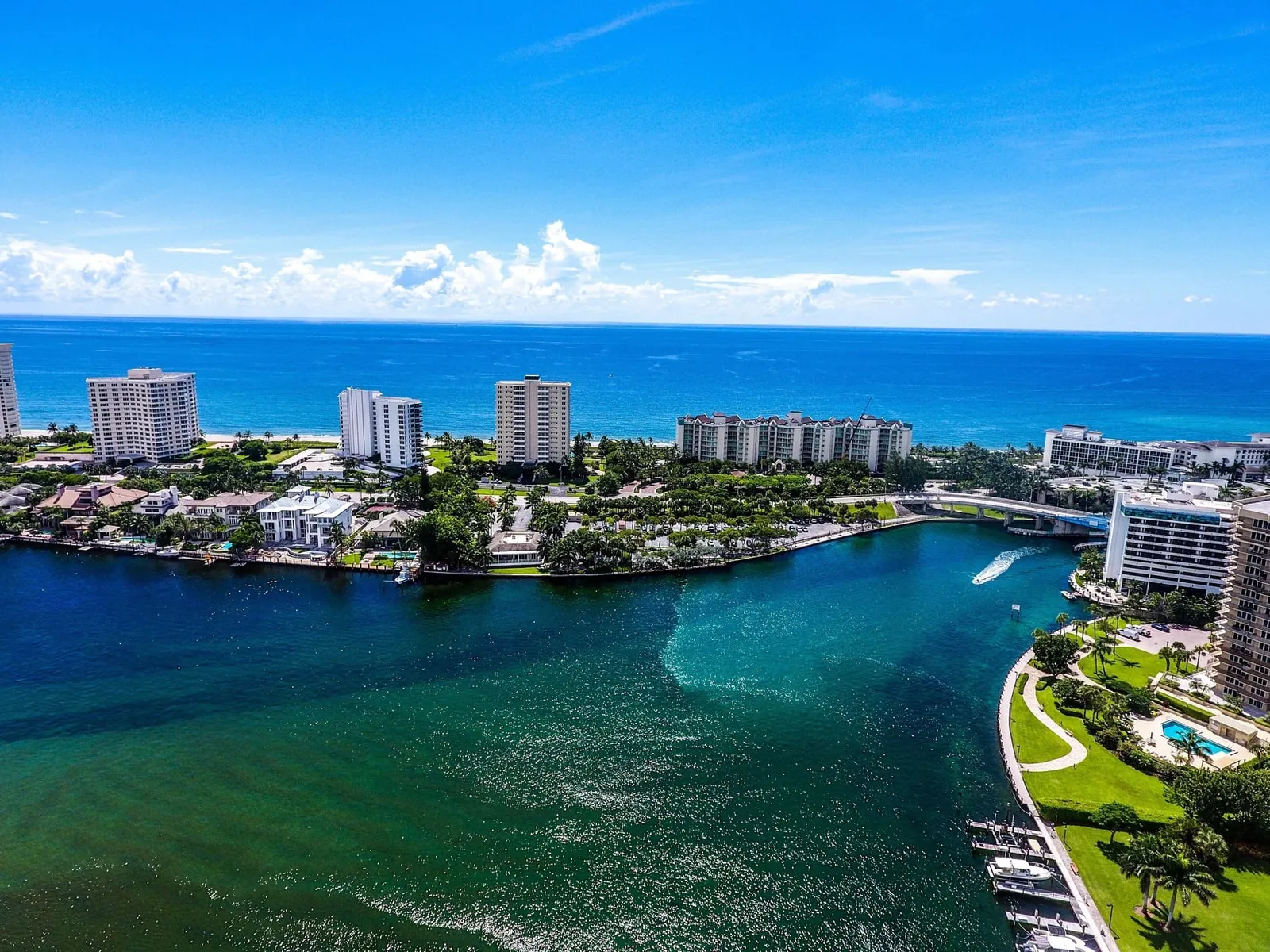
Boca & Deerfield Beach Oceanfront: High Flood Risk and Insurance Implications
Living along the ocean in Boca Raton or Deerfield Beach offers unmatched views and lifestyle perks — but it also comes with significant flood risk. These oceanfront and near-coastal properties are among the most vulnerable areas in South Florida when it comes to storm surge and coastal flooding.
High-Risk Flood Zones and FEMA Maps
Most oceanfront properties in Boca and Deerfield fall within FEMA-designated high-risk flood zones, such as Zone AE or VE. These zones identify areas with a 1% or higher annual chance of flooding — what’s often called the “100-year floodplain.” The designation means homeowners, landlords, and even some renters face stricter insurance requirements and higher premiums.
If a property is located in one of these FEMA zones and has a federally backed mortgage (through Fannie Mae, Freddie Mac, FHA, or VA), flood insurance is mandatory. Even for those without a mortgage, coverage is strongly encouraged given the region’s exposure to hurricanes and tropical storms.
Why the Risk Is So High
The Atlantic Ocean and Intracoastal Waterway leave much of Boca Raton and Deerfield Beach vulnerable to storm surge, especially during hurricane season. Surge occurs when powerful winds push seawater onto land, inundating homes, roads, and businesses.
Even renters or homeowners who live a few blocks inland can experience flooding from surge, heavy rainfall, or overwhelmed drainage systems. Localized flooding has become more common as rising sea levels and king tides strain coastal infrastructure.
The Cost of Protection
Because of the heightened risk, flood insurance premiums are typically higher for oceanfront and canal-adjacent properties. The cost depends on:
FEMA flood zone designation
Building elevation relative to base flood level
Type of structure (condo, single-family, multi-unit)
Coverage amount and deductible choices
Even renters, though not responsible for insuring the building, should consider a contents-only flood policy to protect personal belongings like furniture, electronics, and clothing.
Inland Doesn’t Mean Immune
While oceanfront units face the greatest surge exposure, nearby inland neighborhoods can also flood due to coastal runoff and heavy rainfall. FEMA data and recent storm events show that floodwaters can reach well beyond the immediate beachfront, particularly in low-lying parts of eastern Boca and Deerfield.
If you rent or own along the Boca Raton or Deerfield Beach oceanfront, flood insurance isn’t just a box to check — it’s a practical safeguard. Between storm surge, high tides, and changing weather patterns, even properties slightly inland should treat flood coverage as essential, not optional.
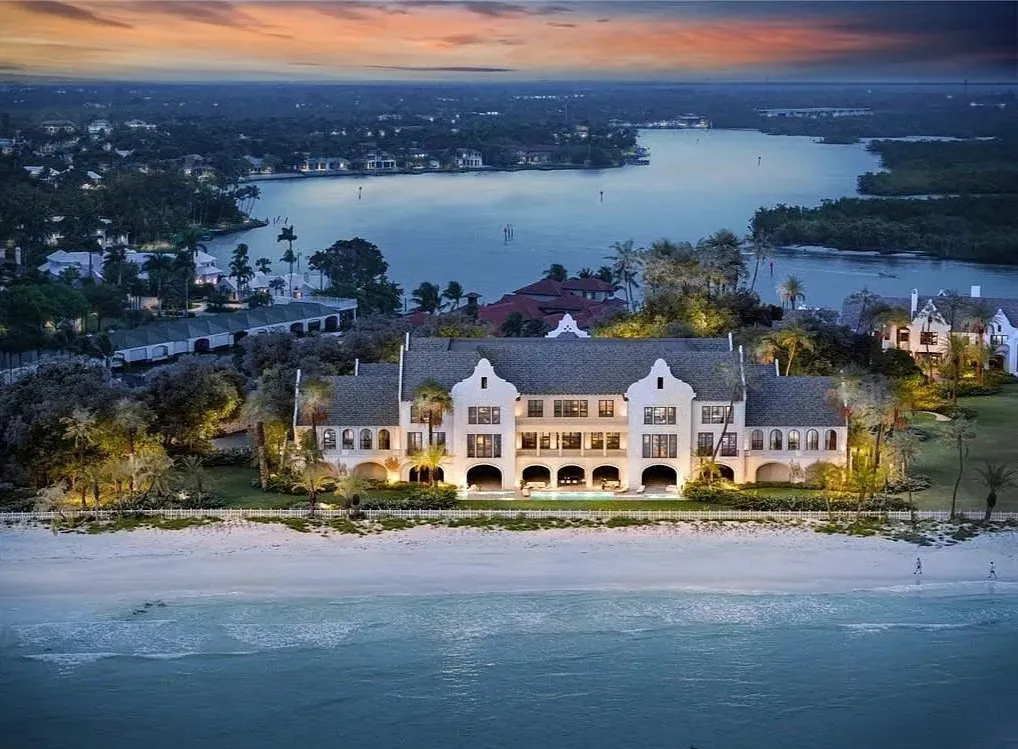
Palm Coast Canal-Front Living: Understanding Flood Risk Along the Intracoastal and Lagoon Systems
Palm Coast is known for its scenic network of canals, lagoons, and Intracoastal waterways, offering residents and renters beautiful waterfront views and easy access to boating and recreation. However, living near these waterways also brings elevated flood risk, particularly during periods of heavy rain, tropical storms, or hurricanes.
Why Canal-Front Properties Face Flood Risk
Unlike oceanfront communities exposed to direct storm surge, Palm Coast’s canal-front homes are vulnerable to flooding from within the waterway system itself. Several factors can cause water levels to rise and overflow:
Heavy rainfall that quickly fills drainage canals and retention ponds
Tidal backup or overflow from the Intracoastal Waterway during storms
Hurricane-related surge pushing water inland through the canal network
Limited drainage capacity when multiple systems are saturated at once
Even if a property seems protected or slightly elevated, floodwaters can spread unpredictably when canal levels exceed their banks.
FEMA Flood Zone Designations Vary
In Palm Coast, not all canal-front properties are treated the same under FEMA flood maps. Some are designated as high-risk flood zones (often labeled AE or VE), meaning they have a 1% or greater annual chance of flooding. Others are classified as moderate- or low-risk zones (Zone X), depending on elevation and local drainage.
Because the designations can differ from street to street—or even from one side of a canal to another—it’s crucial for homeowners and renters to check their specific flood zone using the FEMA Flood Map Service Center. These maps are updated periodically and can affect both insurance requirements and premium costs.
Insurance Implications
Property owners with federally backed mortgages in high-risk zones are required to carry flood insurance.
Renters in canal-front homes or apartments should consider contents-only flood insurance, as the landlord’s policy covers only the building—not tenants’ personal belongings.
Premiums vary based on elevation, distance to the canal, and the property’s risk zone classification.
Even if your home isn’t in a “mandatory” zone, remember that 25% of all flood claims come from areas considered moderate or low risk.
Preparing for Canal Flooding
Residents can reduce their exposure by:
Keeping drainage areas and seawalls maintained
Elevating electrical systems or valuables in ground-level homes
Having a plan for temporary relocation during tropical systems
Palm Coast’s canal and lagoon system is one of the city’s defining features—but it also makes many properties more vulnerable to flooding than they may appear. Whether you rent or own, checking your FEMA flood map designation and securing appropriate insurance is the best way to protect your home and belongings from unexpected water damage.
Practical Action: Why Every Coastal or Low-Lying Renter Should Consider a Contents-Only Flood Policy
If you rent anywhere near the ocean, canals, or low-lying areas in Florida, flood protection shouldn’t be an afterthought — it’s a smart, practical safeguard. Even a few inches of water inside your unit can destroy furniture, electronics, and clothing, leading to thousands of dollars in losses. Fortunately, a contents-only flood insurance policy can provide affordable, peace-of-mind protection.
Why Flood Insurance Matters for Renters
Standard renters insurance policies do not cover flood damage caused by rising water, storm surge, or overflowing canals. While your landlord’s policy protects the building structure, it doesn’t cover your personal belongings inside the unit.
A contents-only flood policy fills this gap, covering your possessions if floodwaters enter your home due to heavy rain, canal backup, or coastal surge.
What a Contents-Only Flood Policy Covers
Flood insurance for renters typically covers:
Furniture and rugs
Electronics and appliances
Clothing and personal items
Curtains, décor, and small furnishings
This coverage is available through the National Flood Insurance Program (NFIP), administered by FEMA, or through private flood insurers offering similar or expanded protection.
Affordable Protection with Big Benefits
Even a basic NFIP contents-only policy can make a major difference after a storm. With coverage limits up to $100,000 for personal property, it can help replace essentials that might otherwise be unaffordable to replace all at once.
For many Florida renters, these policies cost less per month than a streaming subscription, yet can save thousands of dollars in out-of-pocket expenses after flooding.
How to Get Coverage
Ask your insurance agent whether your city or county participates in the NFIP (most Florida communities do).
Request quotes for both NFIP and private flood policies — private insurers may offer higher limits or shorter waiting periods.
Don’t wait until a storm is approaching — NFIP policies typically have a 30-day waiting period before coverage takes effect.
Flooding can happen far beyond the beach. Canal-front homes, lagoon neighborhoods, and even inland low-lying areas can flood after heavy rainfall or drainage backup. A contents-only flood policy ensures your belongings are protected, no matter what happens to the property itself.
It’s one of the simplest, most practical steps any Florida renter can take to protect their financial future.
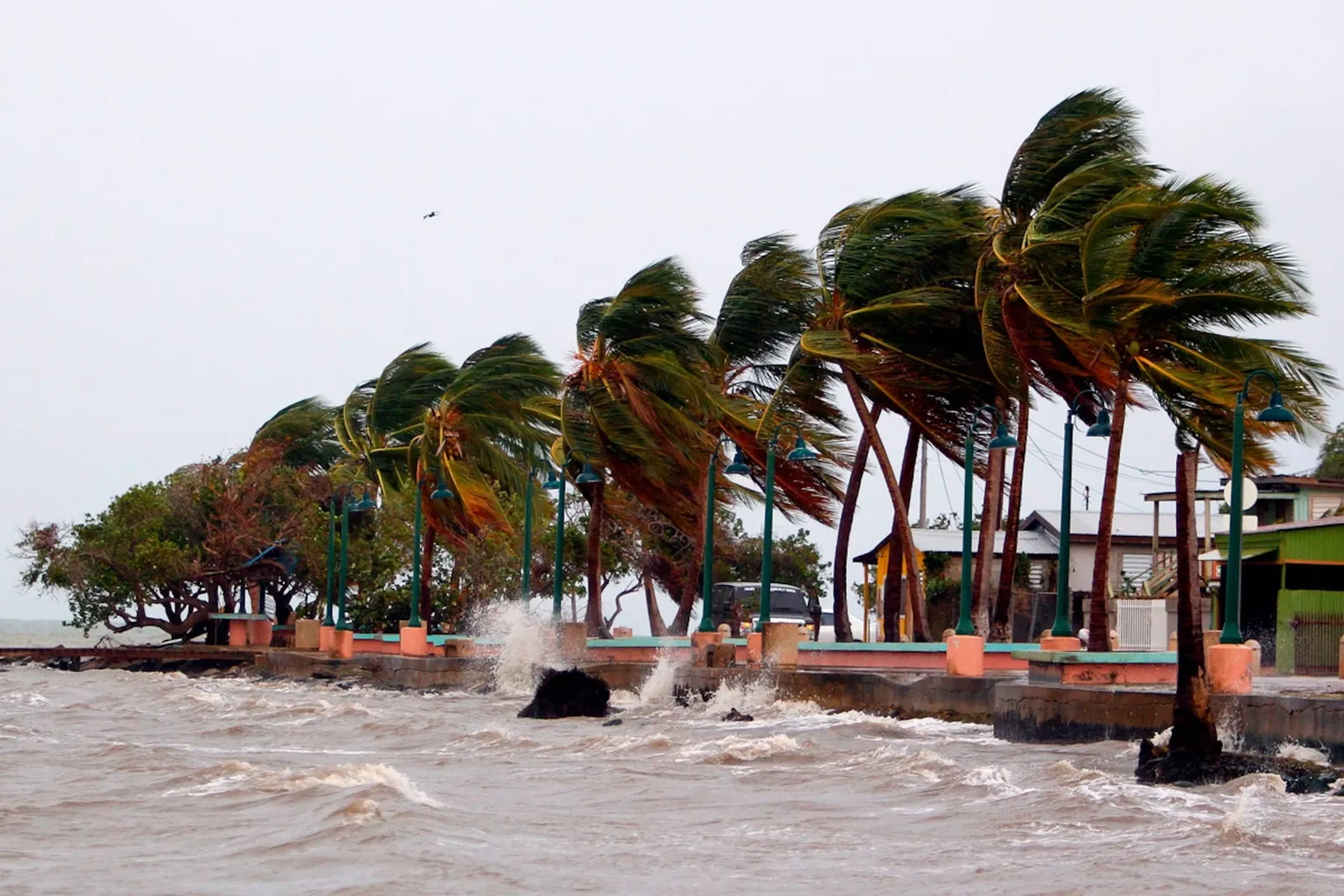
Wind and hurricane damage (wind, flying debris, some water damage)
Typical Renters Coverage in Florida: Wind and Storm Protection Comes with Important Deductible Details
Renters insurance in Florida typically includes coverage for wind and storm-related perils, such as wind, hail, and lightning. These protections are crucial in a state that faces frequent thunderstorms and hurricanes. However, what many renters don’t realize is that even when wind damage is covered, special hurricane or windstorm deductibles can significantly affect how much money they receive after a claim.
What’s Usually Covered
Most standard renters insurance policies protect personal property — your furniture, electronics, clothing, and other belongings — against named perils like:
Wind and hail from storms or hurricanes
Lightning strikes and related fire or electrical damage
Falling objects caused by strong winds
If a covered storm damages your personal items, your policy can help pay for repairs or replacements, up to the coverage limits.
The Catch: Wind and Hurricane Deductibles
In Florida, because of the state’s hurricane exposure, many insurance companies apply a separate deductible specifically for wind or hurricane damage. This deductible is higher than the standard one you might pay for other claims (like theft or fire).
There are two common types:
Percentage-based deductibles – Calculated as a percentage of your total coverage amount (often 2–5%). For example, if you have $50,000 in personal property coverage and a 5% hurricane deductible, you would pay the first $2,500 of any covered loss yourself.
Flat windstorm deductibles – A higher fixed amount (such as $1,000 or $2,500) that applies only to wind-related claims.
These higher deductibles help insurers manage the financial risk of large-scale storm events — but they also mean renters may face higher out-of-pocket costs before coverage kicks in.
Why It Matters for Renters
Even if your unit isn’t directly on the coast, strong tropical systems can still cause damage inland — from broken windows to soaked furniture. Many renters assume wind damage is automatically covered under their standard deductible, but hurricane deductibles can make smaller claims impractical to file.
It’s important to:
Review your policy’s deductible section carefully to understand what applies to wind, hurricane, or named-storm events.
Ask your agent to explain how your deductible would work in different storm scenarios.
Consider your location risk — renters in coastal areas like Boca Raton, Deerfield Beach, and Palm Coast may have higher hurricane deductibles than those inland.
Wind and storm coverage is standard in most Florida renters insurance policies, but the details of your deductible can make a big difference in how much help you actually get after a storm. Knowing the percentage or flat amount upfront helps you plan financially — and avoid surprises when the next hurricane season rolls through.
Boca & Deerfield Beach: Understanding Wind Risk and Hurricane Deductibles for Beachside Rentals
Renting or owning property along the beachside areas of Boca Raton and Deerfield Beach comes with undeniable advantages — ocean views, breezes, and proximity to South Florida’s coastal lifestyle. However, that same ocean exposure brings heightened risk from hurricane-force winds and wind-driven rain, which can significantly affect insurance costs and coverage terms.
Higher Wind Exposure = Higher Premiums
Beachside buildings are on the front line of hurricane impact zones, where sustained winds and gusts can reach severe levels. Because of this, insurers typically factor in ocean proximity when calculating premiums. The closer the property is to the shoreline, the greater the perceived risk — and the higher the cost to insure personal property against wind-related damage.
In addition to higher premiums, beachside properties often face:
More frequent use of wind-specific or hurricane deductibles
Higher deductible percentages or minimum dollar amounts
Stricter underwriting standards that may include higher coverage minimums or policy limitations
Understanding Wind and Hurricane Deductibles
Florida insurers commonly apply special wind or hurricane deductibles, which differ from standard all-peril deductibles. These can be structured in two main ways:
Percentage-based deductibles – Typically 2%–5% of your insured property value. For instance, with $60,000 in personal property coverage and a 5% hurricane deductible, you’d be responsible for the first $3,000 of any covered wind loss.
Flat windstorm deductibles – A set amount, often ranging from $1,000 to $5,000, that applies only to wind-related claims.
Because these amounts can vary widely, it’s crucial to verify the deductible type, the dollar or percentage amount, and how it’s calculated.
Ask About Contents vs. Building Deductibles
If you’re a renter, your landlord’s policy covers the building structure — but not your belongings. You’ll need to confirm whether your own renters insurance applies a wind or hurricane deductible to personal property claims, since not all policies treat contents and structures the same way.
In some cases, the hurricane deductible applies only to building damage, while in others, it may also reduce payouts for damaged contents. Understanding this distinction upfront can prevent unpleasant surprises after a storm.
For residents of Boca Raton and Deerfield Beach’s beachside communities, the key takeaway is simple: ocean exposure drives both higher insurance costs and specialized deductible structures. Always review your policy details and discuss with your insurance agent:
How your wind or hurricane deductible applies
Whether it affects your personal property or just the structure
How the insurer calculates and enforces those deductibles after a named storm
Taking time to clarify these points before hurricane season can help you make informed choices — and recover faster if the winds turn your way.
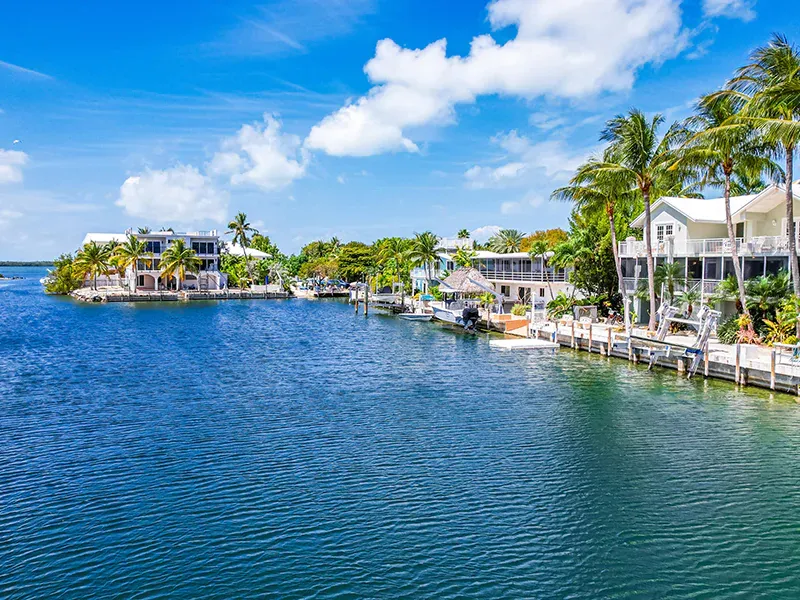
Palm Coast Canal-Front Homes: Balancing Wind and Flood Risk
Living along Palm Coast’s canal and Intracoastal waterways offers scenic views and convenient access to boating, but it also brings unique considerations for insurance coverage. While these homes face many of the same wind hazards as coastal properties during a hurricane, their risk profile differs in important ways.
Wind Exposure
Canal-front homes are subject to intense hurricane-force winds, just like oceanfront properties. Roof damage, broken windows, and debris impact are all possible during strong storms. However, because canal homes are set back from the barrier islands and direct ocean waves, the risk from storm surge and direct wave action is typically lower than for beachside properties.
This relative difference can result in modestly lower wind-risk insurance premiums compared to oceanfront homes. Still, wind-specific or hurricane deductibles often apply and should be reviewed carefully.
Flood and Water Backup Risk
Although direct ocean flooding may be less of a concern, canal-front properties are often at higher risk of flooding from heavy rainfall, canal overtopping, or drainage backup. In some neighborhoods, local topography and water management systems can exacerbate flooding during storms, making flood insurance essential.
Many renters and homeowners mistakenly assume that lower direct ocean exposure reduces the need for flood coverage — but in Palm Coast, both wind and flood risk must be evaluated together. Contents-only flood policies may be required for renters, while homeowners may need combined building and flood coverage.
Practical Steps
Check FEMA flood zone designations for your specific canal neighborhood.
Verify both wind and flood coverage with your insurance agent.
Understand deductibles — many policies have separate wind/hurricane deductibles, in addition to standard deductibles.
Evaluate supplemental coverage if high-value personal property or water-sensitive items are present.
Palm Coast canal-front living offers beautiful waterfront access, but insurance planning requires careful attention to both wind and water exposure. While premiums for wind coverage may be lower than oceanfront properties, flood and backup risks can be higher, so renters and homeowners alike should ensure they have adequate protection for all potential hazards.
Palm Coast Canal-Front Homes: Balancing Wind and Flood Risk
Living along Palm Coast’s canal and Intracoastal waterways offers scenic views and convenient access to boating, but it also brings unique considerations for insurance coverage. While these homes face many of the same wind hazards as coastal properties during a hurricane, their risk profile differs in important ways.
Wind Exposure
Canal-front homes are subject to intense hurricane-force winds, just like oceanfront properties. Roof damage, broken windows, and debris impact are all possible during strong storms. However, because canal homes are set back from the barrier islands and direct ocean waves, the risk from storm surge and direct wave action is typically lower than for beachside properties.
This relative difference can result in modestly lower wind-risk insurance premiums compared to oceanfront homes. Still, wind-specific or hurricane deductibles often apply and should be reviewed carefully.
Flood and Water Backup Risk
Although direct ocean flooding may be less of a concern, canal-front properties are often at higher risk of flooding from heavy rainfall, canal overtopping, or drainage backup. In some neighborhoods, local topography and water management systems can exacerbate flooding during storms, making flood insurance essential.
Many renters and homeowners mistakenly assume that lower direct ocean exposure reduces the need for flood coverage — but in Palm Coast, both wind and flood risk must be evaluated together. Contents-only flood policies may be required for renters, while homeowners may need combined building and flood coverage.
Practical Steps
Check FEMA flood zone designations for your specific canal neighborhood.
Verify both wind and flood coverage with your insurance agent.
Understand deductibles — many policies have separate wind/hurricane deductibles, in addition to standard deductibles.
Evaluate supplemental coverage if high-value personal property or water-sensitive items are present.
Palm Coast canal-front living offers beautiful waterfront access, but insurance planning requires careful attention to both wind and water exposure. While premiums for wind coverage may be lower than oceanfront properties, flood and backup risks can be higher, so renters and homeowners alike should ensure they have adequate protection for all potential hazards.
Boca & Deerfield Beach (oceanfront): Oceanfront properties face high storm-surge risk and usually show up in FEMA high-risk flood zones. That raises the cost and sometimes the requirement for flood insurance (especially if a mortgage or federal backing is involved). Even renters inland a short distance can be at risk from surge and coastal flooding.
Living along the ocean in Boca Raton or Deerfield Beach offers unmatched views and lifestyle perks — but it also comes with significant flood risk. These oceanfront and near-coastal properties are among the most vulnerable areas in South Florida when it comes to storm surge and coastal flooding.
High-Risk Flood Zones and FEMA Maps
Most oceanfront properties in Boca and Deerfield fall within FEMA-designated high-risk flood zones, such as Zone AE or VE. These zones identify areas with a 1% or higher annual chance of flooding — what’s often called the “100-year floodplain.” The designation means homeowners, landlords, and even some renters face stricter insurance requirements and higher premiums.
If a property is located in one of these FEMA zones and has a federally backed mortgage (through Fannie Mae, Freddie Mac, FHA, or VA), flood insurance is mandatory. Even for those without a mortgage, coverage is strongly encouraged given the region’s exposure to hurricanes and tropical storms.
Why the Risk Is So High
The Atlantic Ocean and Intracoastal Waterway leave much of Boca Raton and Deerfield Beach vulnerable to storm surge, especially during hurricane season. Surge occurs when powerful winds push seawater onto land, inundating homes, roads, and businesses.
Even renters or homeowners who live a few blocks inland can experience flooding from surge, heavy rainfall, or overwhelmed drainage systems. Localized flooding has become more common as rising sea levels and king tides strain coastal infrastructure.
The Cost of Protection
Because of the heightened risk, flood insurance premiums are typically higher for oceanfront and canal-adjacent properties. The cost depends on:
FEMA flood zone designation
Building elevation relative to base flood level
Type of structure (condo, single-family, multi-unit)
Coverage amount and deductible choices
Even renters, though not responsible for insuring the building, should consider a contents-only flood policy to protect personal belongings like furniture, electronics, and clothing.
Inland Doesn’t Mean Immune
While oceanfront units face the greatest surge exposure, nearby inland neighborhoods can also flood due to coastal runoff and heavy rainfall. FEMA data and recent storm events show that floodwaters can reach well beyond the immediate beachfront, particularly in low-lying parts of eastern Boca and Deerfield.
If you rent or own along the Boca Raton or Deerfield Beach oceanfront, flood insurance isn’t just a box to check — it’s a practical safeguard. Between storm surge, high tides, and changing weather patterns, even properties slightly inland should treat flood coverage as essential, not optional.
Mold in Rental Units: When Is It Covered by Insurance?
Mold is a common concern in Florida rentals, especially given the state’s high humidity and frequent rain. While it can be costly to remediate, it’s important to understand when renters insurance actually provides coverage for mold damage.
Baseline Coverage
Most standard renters insurance policies do not broadly cover mold remediation caused by:
Long-term leaks
Ongoing moisture problems
Neglect or poor maintenance by the tenant or landlord
However, mold may be covered if it results from a covered peril, such as:
Sudden and accidental water damage (for example, a burst pipe or overflowing appliance)
Storm-related water damage that’s included under your policy
Even then, many policies limit payouts for mold claims. Coverage might include repair or replacement of personal property affected by the mold, but rarely does it pay for structural remediation unless specified.
Common Exclusions
Pre-existing mold – Mold present before you moved in is generally excluded.
Negligent maintenance – If mold results from ignored leaks, poor ventilation, or delayed repairs, insurers often deny claims.
Slow leaks – Damage that accumulates gradually is usually not covered, since policies focus on sudden and accidental events.
Practical Tips for Renters
Document everything – Take photos of leaks, mold growth, and affected items.
Notify your landlord promptly – Many policies require timely reporting and maintenance to keep coverage valid.
Consider endorsements or additional coverage – Some insurers offer optional mold riders or higher limits for personal property protection.
Maintain your unit – Regular cleaning, prompt leak repair, and humidity control reduce the chance of uncovered mold damage.
Mold coverage under renters insurance is limited and conditional. Policies are designed to protect against sudden, accidental water events, not long-term neglect. Renters should understand their policy terms, act quickly to address leaks, and consider supplemental coverage if mold is a significant concern in their unit.
Coastal Living and Mold Risk: What Renters Need to Know
Living near the water in Florida offers scenic views and a relaxed lifestyle, but coastal conditions can increase the risk of mold in rental units. Both beachside and canalfront properties face unique environmental factors that make mold more likely to develop — and understanding who is responsible for remediation is critical.
Why Coastal Properties Are Higher Risk
Beachside Rentals
High humidity and constant salt-laden air can accelerate moisture buildup in walls, ceilings, and floors.
Storm-related water intrusion from hurricanes, tropical storms, or heavy rain can trigger sudden mold growth if water is not removed promptly.
Canalfront Homes
Proximity to canals and lagoons can lead to frequent dampness, even without visible flooding.
HVAC issues or poorly ventilated spaces increase the likelihood of mold accumulation.
Slow water removal after heavy rainfall or minor flooding events can exacerbate the problem.
Insurance Considerations
Mold coverage under renters insurance is generally limited to mold caused by sudden, accidental events, such as a burst pipe or covered water damage. Most policies exclude mold resulting from long-term leaks, negligence, or poor maintenance.
If mold develops because the landlord failed to repair leaks or maintain the property, the landlord may be held responsible. However, insurance claims can still be denied if:
The tenant did not take reasonable steps to mitigate the mold, such as cleaning or reporting leaks promptly.
The damage was caused by pre-existing conditions or slow, ongoing water intrusion.
Practical Tips for Renters
Inspect your rental regularly for leaks, damp spots, and signs of mold.
Report issues immediately to your landlord in writing.
Document any water damage and affected personal items.
Consider supplemental coverage or riders for mold if your policy limits payouts.
Coastal humidity, salt air, and storm exposure increase mold risk in Florida rentals, especially along beaches and canals. Understanding your responsibilities and your landlord’s obligations, combined with proper insurance and mitigation steps, can help protect both your health and personal property.
Practical Steps for Renters: Protecting Yourself from Mold Damage
Mold can develop quickly in Florida’s humid coastal and canal areas, and understanding how to protect yourself can make a big difference when it comes to insurance claims. Taking proactive steps ensures that if mold affects your rental or personal property, you have the documentation and coverage needed to support a claim.
1. Document Leaks Immediately
If you notice a leak or water intrusion, report it to your landlord in writing immediately. Timely reporting:
Helps demonstrate that you fulfilled your duty to mitigate damage
Increases the likelihood that the landlord addresses the issue quickly
Strengthens any potential insurance claim for sudden water-related mold
2. Maintain Receipts and Records
Keep receipts for:
Repairs or mitigation efforts (like water extraction, drying equipment, or cleaning services)
Replacement items damaged by water or mold
Routine maintenance or upgrades that help prevent mold
These records provide proof of value for personal property claims and demonstrate responsible behavior.
3. Document Your Personal Property
Take photos or videos of your belongings and note serial numbers for electronics or high-value items. This makes it easier to file a claim if mold affects your property.
4. Consider Policy Add-Ons or Endorsements
Standard renters insurance policies often limit mold coverage or exclude it entirely. If you’re particularly concerned:
Ask your insurance agent about riders or endorsements that expand mold coverage
Review sublimits, which cap how much the insurer will pay for mold damage
Ensure the policy addresses both personal property and any temporary living expenses if displacement occurs
5. Read Exclusions Carefully
Not all mold events are covered. Common exclusions include:
Long-term leaks or slow water damage
Pre-existing mold conditions
Negligence or failure to maintain the property
Understanding these exclusions upfront helps you avoid surprises if a claim arises.
Being proactive — reporting leaks promptly, maintaining documentation, and reviewing your policy for mold endorsements — is the best way to protect yourself. Small actions taken today can save thousands of dollars and headaches if mold damages your belongings in the future.
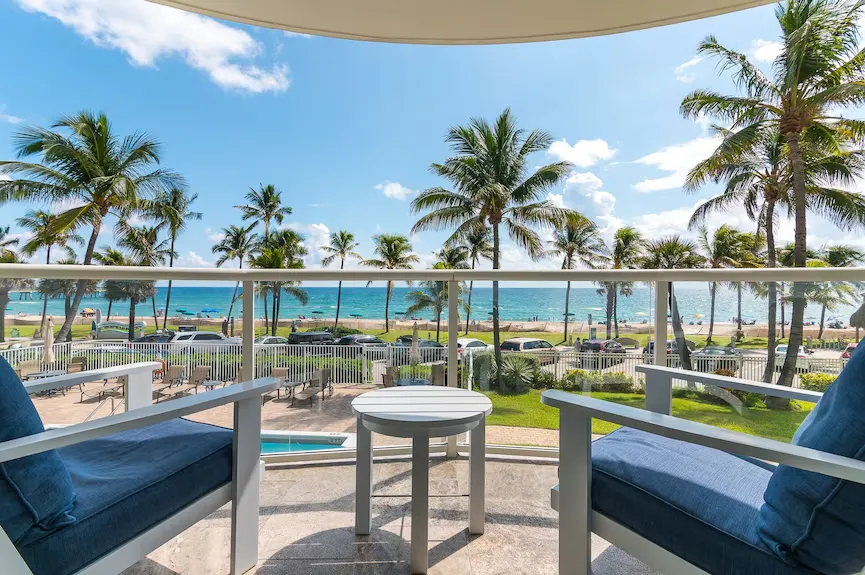
Price and Availability Differences in Florida Coastal Rentals: Boca & Deerfield Beach Oceanfront
Renting along the oceanfront in Boca Raton or Deerfield Beach offers stunning views and beach access, but it also comes with higher insurance costs and more complex coverage considerations compared with inland or canal-front properties. Understanding these differences is crucial for both renters and property owners.
Higher Premiums and Stricter Underwriting
Oceanfront properties face direct exposure to storm surge and hurricane-force winds, which significantly increases risk for insurers. As a result:
Premiums are generally higher than for inland or canal-front units.
Insurers may apply stricter underwriting standards, including higher minimum coverage requirements, building inspections, or limitations on certain high-risk units.
Multi-unit beachfront condos often involve complex master policies, where coverage for the building and common areas is handled by the condominium association, while individual units and tenants may require separate policies.
Wind/Hurricane Deductibles
Beachfront rentals are more likely to carry windstorm or hurricane-specific deductibles, which are often higher than standard deductibles. These can be:
Percentage-based: Calculated as a percentage of the insured value, potentially thousands of dollars out-of-pocket for tenants or owners.
Flat-dollar deductibles: Fixed amounts applied specifically to wind or hurricane claims.
Tenants should confirm whether their renters insurance or condominium master policy covers contents versus structure and how the deductible applies to each.
Flood Insurance Considerations
Because oceanfront units are typically located in FEMA high-risk flood zones, flood insurance premiums are usually higher. Policies may also be required if the property has a federally backed mortgage. Even renters may want contents-only flood insurance to protect personal belongings, as landlords’ policies generally cover only the building structure.
Availability Challenges
Limited insurer options: Some insurers avoid high-risk beachfront areas entirely, leading to fewer choices and higher rates.
Complex coverage structures: Multi-unit buildings require coordination between master policies and tenant policies, which can affect policy availability and claims handling.
Oceanfront rentals in Boca Raton and Deerfield Beach offer lifestyle benefits, but tenants and owners must plan for higher premiums, stricter underwriting, elevated deductibles, and mandatory flood coverage. Understanding these factors helps ensure adequate protection and avoids unpleasant surprises during hurricane season.
Price and Availability Differences in Florida Rentals: Palm Coast Canal-Front Properties
Living along Palm Coast’s canals offers scenic waterfront views and recreational access, but it also comes with insurance considerations that differ from both inland and oceanfront properties. Understanding how premiums and coverage vary can help renters and homeowners make informed decisions.
Wind Exposure and Premiums
Canal-front homes in Palm Coast are still exposed to hurricane-force winds, so renters and property owners face elevated wind risk compared to fully inland locations. However, because these properties are set back from the ocean, premiums for wind coverage are often lower than direct oceanfront units. Windstorm or hurricane deductibles may still apply and should be reviewed carefully when choosing a policy.
Flood Risk and FEMA Zones
Flood risk is the primary factor influencing contents or building coverage pricing for canal-front properties. Rates depend heavily on:
FEMA flood zone designation – High-risk zones (AE, VE) carry higher premiums than moderate- or low-risk zones.
Elevation relative to the canal – Properties built above base flood elevation may benefit from reduced rates, while lower-lying homes may face increased costs.
Even small differences in elevation or local topography can dramatically affect flood insurance premiums, making it essential to check maps and property specifics before purchasing coverage.
Private vs. NFIP Flood Insurance
While the National Flood Insurance Program (NFIP) provides standard flood coverage for canal-front renters and homeowners, private flood insurance may offer:
Higher coverage limits
Shorter waiting periods
Flexible policy terms
However, private flood market availability can vary depending on the exact location, elevation, and risk assessment. Renters and owners should consult their insurance agent to compare options.
Canal-front properties in Palm Coast balance desirable waterfront living with moderate insurance costs. Wind premiums are often lower than beachfront units, but flood exposure can be significant, depending on FEMA zones and elevation. Careful review of both wind and flood policies ensures adequate protection for personal property and temporary living expenses.
Checklist: What Every Coastal Renter Should Do to Protect Their Home and Belongings
Living near the ocean, canals, or low-lying areas in Florida offers unique lifestyle benefits — but it also comes with elevated risks from storms, flooding, and humidity-related damage. Coastal renters should take proactive steps to protect both their personal property and financial well-being. Here’s a comprehensive checklist.
1. Buy a Standard Renters Insurance Policy
A standard renters policy typically includes:
Personal property coverage for furniture, electronics, clothing, and other belongings
Liability protection if someone is injured in your rental
Loss of use/additional living expenses if your unit becomes temporarily uninhabitable
This forms the baseline of protection against everyday risks.
2. Buy Separate Flood Insurance
Flooding is not covered by standard renters insurance. If you live near the ocean, canals, low-lying areas, or in FEMA high-risk flood zones, consider:
Contents-only NFIP flood insurance
Private flood insurance policies
Even if your landlord carries flood coverage for the building, it does not protect your personal belongings.
3. Confirm Wind/Hurricane Deductibles
Florida renters policies often include windstorm or hurricane-specific deductibles, which can differ from standard deductibles. Ask your insurer for:
The deductible amount (percentage or flat dollar)
Examples of how it would apply in a real claim
Understanding this can prevent surprises if a hurricane or strong storm damages your belongings.
4. Document Your Belongings
Maintain a detailed record of your personal property:
Take photos or videos
List serial numbers and receipts for electronics or high-value items
Keep backups of your inventory offsite or in the cloud
This documentation is critical when filing claims for water, storm, or mold damage.
5. Report Leaks and Maintenance Issues Promptly
Always report plumbing leaks, water intrusion, or mold concerns to your landlord in writing, and keep copies. Timely reporting:
Demonstrates proactive behavior for insurance claims
Helps mitigate damage
Supports potential coverage for mold or water-related claims
6. Shop Multiple Agents and Compare Policies
Ask about NFIP vs private flood insurance options
Verify that contents limits are adequate for your belongings
Compare pricing, waiting periods, and additional coverage options
Multiple quotes can ensure you get the best protection for your risk profile.
Coastal renters face elevated risks from wind, storm surge, flooding, and mold. Following this checklist — securing renters insurance, flood coverage, documenting belongings, understanding deductibles, reporting issues promptly, and shopping multiple agents — helps safeguard both your property and your peace of mind.
The NFIP is the principal way many renters buy affordable flood-content coverage, but the program’s status and congressional renewals occasionally create short-term disruptions for new policies. That can affect the ability to start new NFIP policies quickly in certain time windows, so check current program status with your agent or FEMA when you buy.
Sources:
Insurance Information Institute (iii.org) – What Does Renters Insurance Cover?Florida Office of Insurance Regulation – Understanding Property Insurance Coverage
Insurance Information Institute (iii.org) – What Does Renters Insurance Cover?Florida Office of Insurance Regulation – Renters Insurance Overview
Federal Emergency Management Agency (FEMA) – Flood Insurance for Renters (NFIP)Florida Office of Insurance Regulation – Flood Insurance Resources
Federal Emergency Management Agency (FEMA) – Flood Map Service CenterAssociated Press (AP News) – Florida canal communities face complex flood risks as tides and rainfall rise (apnews.com)
Federal Emergency Management Agency (FEMA) – Flood Insurance for Renters | agents.floodsmart.govFlorida Office of Insurance Regulation – Flood Insurance Information
Progressive Insurance – What Does Renters Insurance Cover?Florida Office of Insurance Regulation – Understanding Hurricane and Windstorm Deductibles
Landau Law Group – Florida Hurricane and Windstorm Insurance ClaimsFlorida Office of Insurance Regulation – Understanding Wind and Hurricane Deductibles
Bellken Insurance – Flood and Wind Risk in Florida Canal CommunitiesFederal Emergency Management Agency (FEMA) – Flood Map Service Center
Associated Press (AP News) – Florida’s coastal flood risks rising as sea levels climb and storms intensify (apnews.com)Federal Emergency Management Agency (FEMA) – Flood Map Service Center
Progressive Insurance – Does Renters Insurance Cover Mold?Florida Office of Insurance Regulation – Understanding Renters Insurance Coverage
Louis Law Group – Mold in Coastal Properties and Renters InsuranceFlorida Office of Insurance Regulation – Renters Insurance Overview
Progressive Insurance – Does Renters Insurance Cover Mold?Florida Office of Insurance Regulation – Renters Insurance Overview
Associated Press (AP News) – Florida’s coastal flood and wind risks raise insurance costs for beachfront properties (apnews.com)Florida Office of Insurance Regulation – Understanding Property Insurance in High-Risk Coastal Areas
Federal Emergency Management Agency (FEMA) – Flood Insurance for Renters and Homeowners | agents.floodsmart.govFlorida Office of Insurance Regulation – Property Insurance Overview
Federal Emergency Management Agency (FEMA) – Flood Insurance for RentersFlorida Department of Financial Services (FLDFS) – Understanding Renters InsuranceProgressive Insurance – Tips for Protecting Your RentalAllstate Insurance – Flood Insurance Options for Renters
FEMA — Flood Insurance overview & NFIP (including renters/contents coverage). fema.gov+1
FloodSmart / NFIP agents material: “Flood Insurance for Renters” and educational pages. agents.floodsmart.gov+1
Florida Chief Financial Officer — consumer info on Florida’s hurricane deductible. FLDFS
Progressive — renters insurance coverage FAQs (wind, storm, mold). progressive.com+1
Insurance industry and consumer explainers on renter flood, wind and mold coverage (Allstate, ValuePenguin, Lemonade, and other insurer resources). Allstate+2ValuePenguin+2
Florida Office of Insurance Regulation — wind mitigation and consumer resources. FLOIR
AP / recent reporting on NFIP status and flood insurance challenges. AP News+1
Associated Press (AP News) – Florida’s coastal flood risks rising as sea levels climb and storms intensify, Federal Emergency Management Agency (FEMA) – Flood Map Service Center
Bellken Insurance – Flood and Wind Risk in Florida Canal CommunitiesFederal Emergency Management Agency (FEMA) – Flood Map Service Center