Raising a Dog in a Rental: Yards, Fences, and Nearby Green Space
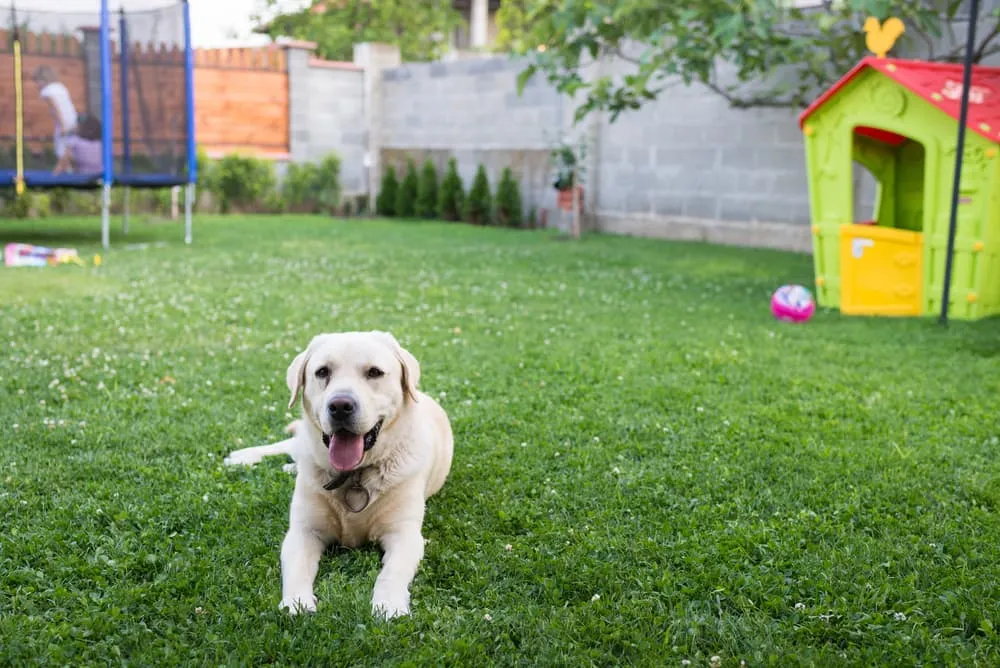
Finding the right rental home is about more than bedrooms, bathrooms, and monthly rent when you have a dog. Your pet’s daily routine should also be part of the decision. Access to a yard, safe fencing, nearby parks, sidewalks, and green space can make a major difference in convenience and quality of life.
Whether you are renting a single-family home, townhouse, or apartment, here are important factors to consider before signing a lease.
Decide Whether You Really Need a Yard When Renting With a Dog
For renters with dogs, a private yard can seem like an essential feature. It can make bathroom breaks easier, provide a convenient place for your dog to get fresh air, and give you additional outdoor space at home. However, having a yard does not necessarily mean your dog will receive enough exercise or stimulation.
Before choosing a rental, consider your dog’s individual needs and your daily routine.
Consider Your Dog’s Size, Age, and Energy Level
Every dog has different exercise and outdoor requirements. A small or lower-energy dog may be perfectly comfortable living in a rental without a private yard, especially if you are able to provide regular walks and access to nearby parks or other suitable green spaces.
On the other hand, a young, active, or high-energy dog may benefit from having more opportunities to move around outdoors. In these cases, a yard can be a useful convenience, but it should generally be considered an addition to regular walks and other activities rather than a complete replacement for them.
Think about how much time you realistically have each day for walks, play, and outdoor activities. The best rental is one that fits both your dog's needs and your lifestyle.
Look Beyond the Yard
If a rental does not have a private yard, check what outdoor options are available nearby. A neighborhood with sidewalks, parks, walking paths, or other pet-friendly green spaces may provide excellent opportunities for daily exercise.
Location can sometimes be more important than having a large yard. A smaller rental close to convenient outdoor spaces may work better for you and your dog than a larger property with a yard but few suitable places to walk.
Check What the Lease Says About the Yard
If the rental includes a yard, don't assume that you can use it however you want. Review the lease carefully to determine whether the yard is included in the leased premises and whether there are specific rules governing its use.
For example, the lease or property rules may address fencing, landscaping, gardening, outdoor structures, or other modifications. If you are considering installing a dog run, adding temporary fencing, or making another change to the yard, get permission from the landlord when required.
Think About Convenience, Not Just Property Size
A yard can make life with a dog easier, particularly for quick bathroom breaks or short periods outdoors. But it should be viewed as one part of a broader pet-friendly rental decision.
Before signing a lease, consider:
Does your dog actually need a private yard?
Are there parks or green spaces within a convenient distance?
Is the neighborhood suitable for daily walks?
Is the yard part of the leased property?
Are there restrictions on how you can use the yard?
Does the property have fencing that is appropriate for your dog?
Will the rental support your dog's needs as its age and activity level change?
Ultimately, choosing the right rental is about finding a balance between the property, the neighborhood, and your dog's everyday needs. A private yard can be a valuable convenience, but a well-located rental with nearby green space may be just as suitable for many dog owners.

Check Whether the Yard Is Actually Fenced Before Renting With a Dog
A rental listing may advertise a “backyard,” but that does not necessarily mean the space is secure or appropriate for a dog. For pet owners, having outdoor space is only useful if the area can safely contain the dog and prevent accidental escapes.
Before signing a lease, inspect the entire yard and its boundaries rather than relying solely on listing photos or a landlord’s description.
Inspect the Entire Fence Line
Walk around the complete perimeter of the property and look carefully for potential escape points. Pay particular attention to:
Gaps underneath or between fence panels
Broken, damaged, or loose sections
Gates that do not close or latch securely
Low areas where a dog could potentially get out
Landscaping, furniture, or other objects that could help a dog climb
Areas where the property shares fencing with neighboring homes
Even a small opening may be important depending on your dog's size and behavior. Check the fence from your dog's perspective, not just from an adult's eye level.
Don't Assume a Fence Means the Yard Is Private
Some rental properties may have fencing that separates the yard from the street but still share boundaries with neighboring properties. Others may have partially fenced yards or common outdoor areas.
Ask the landlord or property manager exactly which outdoor areas are included in your rental. Confirm whether the entire yard is private and whether any portion is shared with neighbors.
Ask About Fence Repairs
If you notice a damaged gate, broken fence panel, or another issue during your inspection, ask who is responsible for repairing it.
If the property is otherwise suitable for you and your dog, consider requesting that necessary repairs be completed before you move in. Get any agreement about repairs in writing so there is a clear record of what was promised.
What If the Property Isn't Fenced?
A rental without a fence may still work for a dog, depending on your lifestyle and the property's location. However, if a secure yard is important to you, ask the landlord whether installing a fence is permitted.
Never assume you can install, modify, or permanently attach anything to the property without permission. Ask for the landlord's approval in writing and clarify who will pay for the work, what type of fencing is allowed, and what happens to the fence when you move out.
Check the Lease and Property Rules
Before signing, review the lease for provisions related to pets, outdoor areas, fencing, landscaping, and property modifications. If the property is located within a homeowners association or other community with additional rules, ask whether there are restrictions that could affect your plans.
Having these details confirmed before moving in can help prevent disagreements later.
Make a Fence Inspection Part of Your Rental Checklist
A fenced yard can be a valuable feature for dog owners, but the quality and security of the fence matter just as much as the existence of the yard itself.
Before signing the lease, take time to inspect the entire perimeter, test the gates, identify potential escape points, and confirm who is responsible for repairs. If you want to add or change fencing, obtain written permission first.
A careful inspection can help you choose a rental that is better suited to both your home and your dog's everyday needs.

Understand Who Maintains the Yard When Renting With a Dog
When renting a home with a dog, it is easy to focus on the size of the yard, fencing, and nearby green space. However, another important question is often overlooked: Who is responsible for maintaining the yard?
Lawn care can become a regular responsibility, and the terms of the rental agreement should clearly explain who handles routine maintenance.
Find Out Who Is Responsible for Lawn Care
Before signing a lease, ask the landlord or property manager exactly what is included in the rental. Depending on the property, responsibility for yard maintenance may fall on the landlord, property manager, tenant, or a hired landscaping company.
Ask specifically about:
Mowing the lawn
Trimming grass and weeds
Maintaining shrubs and landscaping
Removing leaves and other yard debris
Maintaining trees and plants
Watering the lawn or landscaping
General cleanup of outdoor areas
Do not rely only on a verbal agreement. If the landlord says lawn service is included, make sure the lease or another written agreement clearly reflects that arrangement.
Check the Rules About Dog Waste
Pet waste can also be part of the tenant's responsibilities. Even when a landlord or landscaping company handles regular lawn maintenance, the tenant may still be expected to pick up dog waste promptly.
Ask whether the property has specific rules about waste disposal, where waste should be placed, and how frequently it must be removed.
Keeping the yard clean is important not only for the appearance of the property but also for maintaining a pleasant outdoor environment for your household and neighbors.
Consider the Time and Expense
If you are responsible for maintaining the yard, think about the additional work involved before choosing the rental.
A small yard may require relatively little maintenance, while a larger property with extensive landscaping can require regular mowing, trimming, watering, and cleanup. You may also need to purchase or arrange access to lawn-care equipment and supplies.
If you do not want to handle the work yourself, ask whether you can hire a professional lawn-care service and whether the lease has any restrictions on doing so.
Clarify Maintenance Before Moving In
It is also a good idea to document the condition of the yard when you move in. Take photographs of the lawn, landscaping, fences, trees, and other outdoor features as part of your move-in inspection.
This can help establish the property's original condition and provide a useful record when it is time to move out.
Read the Lease Carefully
Yard maintenance may seem like a minor detail, but it can become a significant responsibility during a long-term rental. Understanding the rules before signing can help you avoid unexpected work, expenses, or disagreements with the landlord.
Before signing, confirm:
Who mows the lawn?
Who handles landscaping and trimming?
Who is responsible for watering?
Who removes leaves and yard debris?
Who handles dog waste?
Are professional lawn services allowed?
Are there specific landscaping requirements?
Are outdoor modifications or changes permitted?
A clear understanding of yard maintenance responsibilities can make renting with a dog much easier. By discussing these details in advance and getting important agreements in writing, you can choose a property that fits both your lifestyle and your pet's needs.

Look Beyond the Property for Green Space When Renting With a Dog
A private yard can be a convenient feature for dog owners, but it is not the only way to provide your dog with regular access to outdoor space. In some cases, a rental without a yard may be an excellent choice if it is located near parks, walking trails, and other suitable green spaces.
When comparing rental properties, look beyond the boundaries of the home and consider what the surrounding neighborhood offers.
Search for Nearby Outdoor Spaces
Before signing a lease, research the area surrounding the rental. Depending on your dog's needs and your daily routine, useful outdoor options may include:
Public parks
Walking and hiking trails
Dog-friendly recreation areas
Open green spaces
Sidewalks and pedestrian paths
Pet-friendly community areas
Beaches or other permitted outdoor areas
Having several options nearby can make daily walks and outdoor activities more convenient, especially if you do not have a private yard.
Don't Rely Only on a Map
Online maps can be helpful when researching a neighborhood, but they do not always tell the whole story.
A park may appear to be only a few minutes away, but the actual walking route could involve crossing a busy road, navigating an area without sidewalks, or dealing with other obstacles. A route that looks convenient on a map may not be practical for everyday walks with your dog.
If possible, visit the neighborhood before signing the lease and walk from the rental property to the nearby park or green space. This gives you a better understanding of the distance, sidewalks, traffic, crossings, and overall convenience.
Consider Your Everyday Routine
Think about how you will actually use the nearby outdoor areas. If you expect to walk your dog several times a day, convenience matters.
A park that is slightly farther away but accessible through a comfortable pedestrian route may be more useful than a larger park that requires driving or crossing difficult roads.
Also consider whether there are multiple options nearby. Having more than one place to walk can give you flexibility and make your daily routine more enjoyable.
Check the Rules for Dogs
Not every park or green space allows dogs, and some may have specific requirements. Before relying on a particular location, check whether dogs are permitted and whether they must remain on a leash.
Also look for information about designated dog areas, waste-disposal requirements, operating hours, and other local rules.
If a property is located within a planned community or residential development, check whether there are pet-related rules governing shared outdoor spaces.
Think About Weather and Accessibility
Your preferred outdoor area should also be practical throughout the year. Consider whether the route provides shade, whether sidewalks are well maintained, and whether the area remains accessible during different weather conditions.
For dog owners, these details can make a significant difference to the practicality of a rental over the long term.
A Good Location Can Make Up for the Lack of a Yard
A rental does not necessarily need a private yard to be suitable for a dog. A well-located home with convenient access to parks, walking paths, and other pet-friendly outdoor spaces can provide plenty of opportunities for regular activity.
When evaluating a rental, consider the entire neighborhood, not just the property itself. A smaller home without a yard may ultimately be a better fit than a larger property if it makes your daily dog-walking routine easier and provides convenient access to appropriate outdoor spaces.

Check Local Rules and Community Restrictions Before Renting With a Dog
Finding a rental that accepts pets is an important first step, but it does not necessarily mean every type of pet or every type of pet-related activity is allowed. Rental communities, homeowners associations (HOAs), condominiums, and apartment complexes may have additional rules that affect dog owners.
Before signing a lease, take the time to understand all applicable pet policies and make sure they work for your household.
Check How Many Pets Are Allowed
Some properties may limit the number of pets a tenant can keep. For example, a landlord may allow dogs but impose a limit on the total number of animals in the home.
If you already have more than one pet or are considering getting another pet in the future, confirm the rules before signing the lease.
Look for Breed or Size Restrictions
Pet policies may include restrictions related to a dog's size, weight, or breed. These rules can vary between properties and communities.
Do not assume that a property advertised as “pet-friendly” automatically accepts every dog. Ask for the specific requirements and make sure your dog meets them before paying a deposit or committing to the rental.
Understand Deposits and Pet Fees
Ask about all costs associated with having a pet. Depending on the property and local requirements, these may include pet deposits, pet fees, or additional rent.
Make sure you understand whether any payment is refundable, when it is due, and what conditions apply to receiving a deposit back.
Check Leash and Walking Requirements
Community rules may specify where dogs can be walked and whether they must be kept on a leash outside the rental unit.
Some communities may designate specific areas for dog walking or restrict pets from certain shared spaces. These rules can have a major effect on your daily routine, particularly if the property does not have a private yard.
Understand Common-Area Rules
If you are renting an apartment, condominium, or home within a managed community, your dog may share outdoor areas with other residents.
Ask whether pets are allowed in:
Hallways and elevators
Lobbies
Courtyards
Community parks
Pools and pool decks
Other shared recreational areas
There may also be designated entrances or routes that residents with pets are expected to use.
Pay Attention to Noise Rules
Noise restrictions can be especially important for dog owners. Some communities have rules concerning excessive barking or other disturbances.
If your dog is sensitive to unfamiliar sounds or tends to bark frequently, consider how the property's layout and community environment might affect your daily life. Apartments and condominiums can also have neighbors living close to your unit, making noise policies particularly relevant.
Check Waste Disposal Requirements
Many communities have specific rules requiring owners to pick up dog waste immediately and dispose of it properly. Some properties may provide designated pet-waste stations, while others may have additional requirements for disposal.
Understanding these rules before moving in can help you avoid complaints, fines, or conflicts with neighbors.
Ask for the Rules in Writing
One of the most important steps is to request the complete pet policy and community rules in writing.
Do not rely solely on a listing description or a verbal statement that the property is pet-friendly. Ask the landlord, property manager, HOA, or condominium association for the applicable rules and review them carefully before signing the lease.
If the rental is subject to HOA or condominium rules, make sure you understand whether those rules are separate from the lease and whether violations could create additional problems.
Make Sure the Rules Fit Your Lifestyle
A property may look perfect during a viewing but become less convenient once you understand its pet restrictions. Before committing, consider whether the rules allow your dog to live comfortably and whether you can realistically follow all of the community requirements.
Check:
How many pets are permitted?
Are there breed, size, or weight restrictions?
Are pet deposits or fees required?
Where can your dog be walked?
Are leashes required?
Which common areas allow pets?
Are there barking or noise restrictions?
Where must dog waste be disposed of?
Are there additional HOA or condominium rules?
Taking the time to answer these questions before signing a lease can help you avoid unexpected restrictions and expenses later.
A truly dog-friendly rental is not simply one that allows pets. It should also have rules and a surrounding environment that fit your dog's needs and your everyday routine.
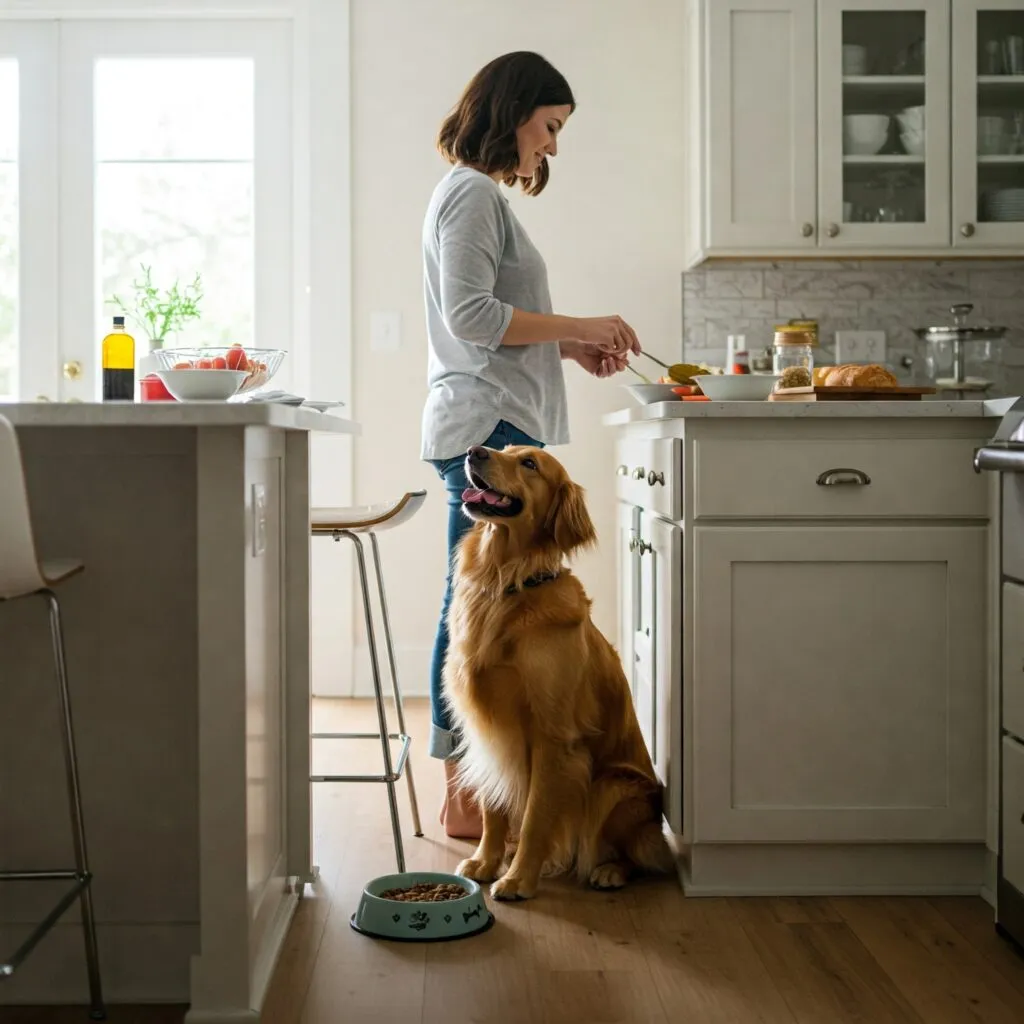
Think About Your Dog’s Daily Routine
When choosing a rental with a dog, it is easy to focus on the property itself. You may compare the size of the home, whether there is a yard, and how much rent costs. However, one of the most important considerations is how well the property fits your dog's everyday routine.
A rental may look great during a viewing but become inconvenient if taking your dog outside is difficult several times a day. Thinking through your typical routine before signing a lease can help you choose a home that works better over the long term.
Plan for the Morning
Start by imagining your first few minutes of the day.
Where will your dog go outside in the morning? Is there a private yard, or will you need to walk outside the property? If there is no yard, is there a convenient grassy area nearby?
For apartment or condominium renters, also consider how easy it is to get from your unit to the outdoors. If you are on an upper floor, the distance to an elevator or exit can become an important part of your daily routine.
Consider Evening Walks
Your dog's outdoor routine does not end in the morning. Think about where you will go for walks after work, school, or other daily activities.
Look for parks, sidewalks, walking paths, and other suitable outdoor areas within a practical distance. If you expect to walk your dog after dark, consider whether the route is adequately lit and comfortable to navigate.
A location that makes regular walks convenient can be especially valuable when you are renting for several months or longer.
Examine the Walking Route
Distance alone does not tell you whether an outdoor space is genuinely convenient.
A nearby park may require you to cross a busy road or walk along a street without sidewalks. If possible, physically walk the route before signing the lease.
Pay attention to:
Sidewalk availability and condition
Road crossings
Traffic levels
Street lighting
Walking distance
Nearby green space
Areas where dogs are permitted
Accessibility during different times of day
These details can make a significant difference to your everyday experience.
Think About Hot Weather
Weather should also be part of your rental decision, particularly if you live in a warm climate.
Look for shaded walking routes and outdoor areas where your dog can take breaks from direct sunlight. Consider whether the property itself has shaded areas where your dog can comfortably spend time outdoors.
You should also think about the type of surfaces along your regular walking route. During hot weather, some surfaces can become very warm, so having alternative shaded or suitable routes can be helpful.
Consider Your Schedule
Your dog's needs should fit realistically into your daily schedule.
If you work long hours, commute regularly, or have other responsibilities, think about how easily you can provide outdoor breaks and exercise. A rental close to appropriate green space may make your routine much easier than a property that requires driving every time your dog needs outdoor activity.
You can also consider whether nearby pet-care services, dog walkers, or other resources are available if you occasionally need additional help.
Think About Weekends and Longer Stays
Don't evaluate the property only based on a typical weekday. Consider what your dog's routine will look like on weekends and during longer periods at home.
Are there nearby parks or trails where you can spend more time outdoors? Is there enough variety to keep your walks interesting? Are there pet-friendly areas within a reasonable distance?
These factors can become increasingly important when the rental will be your home for many months or longer.
Test the Routine Before Signing
One of the best ways to evaluate a dog-friendly rental is to pretend you already live there.
Walk outside the property in the morning and evening. Try the route to the nearest suitable green space. Check where your dog could take a bathroom break and consider how the routine would work during hot weather or after dark.
Ask yourself:
Where will my dog go outside first thing in the morning?
Where will we take evening walks?
Is there a convenient green space nearby?
Will I need to cross busy roads?
Are sidewalks available?
Is there enough shade?
Can I realistically manage the routine every day?
Will the location still be convenient several months from now?
A dog-friendly rental is about more than allowing pets. The property and neighborhood should support a practical daily routine that works for both you and your dog.

Consider the Neighborhood Environment When Renting With a Dog
When searching for a rental with a dog, it is easy to concentrate on the house, apartment, yard, or monthly rent. However, the surrounding neighborhood can have just as much influence on your dog's everyday experience.
A property may be perfect inside, but if the surrounding streets are difficult to walk, excessively noisy, or lack suitable outdoor spaces, your daily routine may become much less convenient.
Look for Walkable Streets
If you plan to walk your dog regularly, examine the streets surrounding the rental.
Look for:
Sidewalks and pedestrian paths
Reasonable traffic levels
Safe and convenient street crossings
Green spaces nearby
Streets where residents regularly walk their dogs
Areas that are comfortable to navigate on foot
A neighborhood with convenient sidewalks can make daily walks much easier, particularly if the rental does not have a private yard.
Pay Attention to Traffic
Traffic is another important consideration. A busy road near your rental may make walking more complicated, particularly if you need to cross it to reach a park or other outdoor area.
During your neighborhood visit, observe how vehicles move through the area and whether there are safe places to cross. Consider the route you would most likely take for your dog's morning and evening walks.
Consider Noise and Other Environmental Factors
Your dog's comfort can also be affected by the surrounding environment.
Pay attention to:
Traffic noise
Construction activity
Loud businesses
Nearby events or entertainment venues
Heavy pedestrian activity
Other neighborhood disturbances
Some dogs may be particularly sensitive to unfamiliar or persistent sounds. If the property is close to a busy commercial area, construction site, or major roadway, consider how that environment might affect your dog throughout the day.
Visit at Different Times
One of the best ways to evaluate a neighborhood is to visit more than once.
A property may appear peaceful during a midday viewing, but the neighborhood could be significantly different during morning or evening hours. Traffic may increase during commuting periods, nearby businesses may become busier, and more people may be outside walking their dogs.
If possible, visit during:
Morning commute hours
Midday
Evening
Weekends
This can give you a much more realistic picture of what living there will be like.
Watch How Other Residents Use the Area
While visiting, observe how people use the neighborhood.
Do residents regularly walk their dogs? Are people using sidewalks and nearby green spaces? Are there designated pet areas? Does the neighborhood appear comfortable for pedestrians?
You can also ask current residents or nearby businesses about the area's typical noise and traffic patterns. Their observations may reveal details that aren't obvious during a short property showing.
Think About Your Dog's Personality
Every dog responds differently to its surroundings. A calm dog may adapt easily to a busy neighborhood, while another may be more sensitive to traffic, unfamiliar sounds, or frequent activity.
Consider your dog's normal behavior when evaluating the environment. The goal is not necessarily to find the quietest neighborhood, but to find one that is compatible with your dog's needs and your everyday routine.
Evaluate the Whole Neighborhood Before Signing
A dog-friendly rental should work both inside and outside the property. A comfortable home, suitable walking routes, reasonable traffic, and convenient green space can all contribute to a better rental experience.
Before signing a lease, take time to explore the neighborhood rather than relying solely on photographs or a single daytime showing.
The right rental is not just a place where your dog is allowed. It is a place where both you and your dog can comfortably live day after day.
Ask About Pet Damage and Security Deposits
When renting a home with a dog, it is important to understand what could happen if your pet accidentally damages the property. Scratched doors, damaged flooring, chewed fixtures, or landscaping problems can potentially lead to additional costs at the end of a tenancy.
Before signing a lease, make sure you understand the landlord's expectations for pet-related damage, security deposits, and any additional pet fees.
Document the Property Before Moving In
One of the most important steps is to document the property's condition before you move in.
Take clear photographs and, when appropriate, videos of the home before placing your belongings inside. Keep written notes about existing damage and make sure the landlord or property manager receives the documentation if required by the lease.
Pay particular attention to areas that could be affected by a dog, including:
Doors and door frames
Floors and carpeting
Walls and baseboards
Fences and gates
Landscaping
Outdoor structures
Patios and other outdoor areas
If you notice scratches, stains, broken fencing, damaged landscaping, or other problems that existed before your tenancy, record them promptly.
Understand Normal Wear and Pet Damage
Not every mark or change to a rental property is necessarily the same as tenant-caused damage. Normal wear and tear can occur naturally as a property is used over time, while damage caused by a tenant or pet may be treated differently under the lease and applicable local law.
Because rules vary by location, read the lease carefully and ask the landlord to explain how pet-related damage will be handled.
Ask About Pet Deposits and Fees
A landlord may require additional charges related to having a pet, depending on the property and applicable laws.
Before signing, ask:
Is a pet deposit required?
Is there a separate pet fee?
Is the pet deposit refundable?
Are there additional monthly pet charges?
What types of pet-related damage could be deducted from a security deposit?
Are there specific cleaning requirements when moving out?
Make sure these terms are clearly stated in the lease or other written rental documents.
Pay Special Attention to Outdoor Areas
If the property includes a yard, pet-related responsibilities may extend beyond the interior of the home.
For example, a dog could potentially damage grass, plants, landscaping, fencing, or other outdoor features. Ask whether the lease contains specific rules about maintaining the yard and repairing pet-related damage.
If you are responsible for the landscaping, clarify whether the landlord expects the property to be returned in a particular condition when you move out.
Keep Records Throughout the Tenancy
Your documentation should not stop after move-in. If something becomes damaged during your tenancy, notify the landlord or property manager promptly when appropriate.
Keep copies of relevant communications, photographs, repair requests, and receipts. Maintaining a clear record can make it easier to establish what happened and when.
Read the Lease Before Signing
Pet policies and security-deposit terms should never be treated as minor details. Understanding your responsibilities before moving in can help you avoid unexpected expenses later.
Before signing, confirm:
What pet-related damage is your responsibility?
What deposits or fees are required?
Which pet charges are refundable?
What condition must the property be in when you move out?
Are there special rules for yards, fences, or landscaping?
How are security-deposit deductions handled?
A careful move-in inspection combined with a clear understanding of the lease can give you greater peace of mind throughout your tenancy.
When renting with a dog, document first, understand the lease, and keep good records. These simple steps can help prevent disagreements about the property's condition and your security deposit when it is time to move out.
Consider Florida’s Outdoor Conditions When Renting With a Dog
For renters with dogs, Florida’s outdoor environment deserves special consideration. Warm temperatures, strong sunshine, humidity, and seasonal weather can all affect how comfortable it is to spend time outdoors.
A rental may have a yard or be located near a park, but those features are much more useful when you can comfortably access them at appropriate times of day.
Think About Heat and Sun Exposure
Florida’s heat can make outdoor activities uncomfortable for both people and pets. A yard that receives direct sunlight throughout the day may provide limited relief during the hottest periods.
When viewing a rental, look for areas that offer natural or constructed shade, such as mature trees, covered patios, or other sheltered spaces. If the property has a yard, consider how much of it remains shaded at different times of day.
You should also think about the route you would take for daily walks. A neighborhood with some shade can make regular walks more manageable than one dominated by exposed pavement and direct sunlight.
Plan Outdoor Activities Around Comfortable Hours
Instead of assuming you will use the yard or nearby park whenever you want, consider how the outdoor environment changes throughout the day.
Morning and evening may be more practical times for walks during periods of extreme heat. Before choosing a rental, think about whether nearby parks, sidewalks, and walking routes will be convenient during the times when you are most likely to take your dog outside.
A property that works well with your normal schedule can make maintaining a consistent routine much easier.
Look for Shaded Walking Routes
When exploring a potential neighborhood, don't just measure the distance to the nearest park. Look at the actual route.
Consider whether it includes:
Tree-lined sidewalks
Shaded areas
Green spaces
Comfortable pedestrian paths
Safe places to stop and rest
Convenient access to parks or other suitable outdoor areas
If possible, visit the neighborhood at different times of day. The amount of shade can change considerably as the sun moves, and a route that looks comfortable during a morning showing may be much more exposed later in the day.
Consider the Yard's Layout
If the property has a yard, inspect more than its size.
Ask yourself whether there is a comfortable shaded area, whether the yard is exposed to direct sun for most of the day, and whether your dog would have a suitable place to take a break from the heat.
A fenced yard can still be useful, but during very hot conditions you may prefer shorter outdoor periods combined with walks or activities during cooler times.
Don't Forget Florida's Changing Weather
Florida's outdoor conditions are not limited to heat and sunshine. Heavy rain, thunderstorms, and other seasonal weather can also affect your dog's daily routine.
When evaluating a rental, consider whether there is a covered area near the entrance and whether there are convenient alternatives for short outdoor breaks when weather conditions are unfavorable.
Think About the Neighborhood, Not Just the Home
A rental's location can make a significant difference. Nearby green spaces, shaded sidewalks, and convenient walking routes may be especially valuable when the weather makes long outdoor trips less comfortable.
If the rental does not have a private yard, look for nearby outdoor options that can accommodate your normal routine. If it does have a yard, consider how useful that yard will actually be during the hottest parts of the day.
Make Florida's Climate Part of Your Rental Checklist
Before signing a lease, consider:
Is there adequate shade around the property?
Does the yard receive intense direct sunlight?
Are nearby walking routes shaded?
Is there a convenient park or green space?
Can you comfortably walk your dog during cooler parts of the day?
Is there a covered area for short outdoor breaks during rain?
Does the neighborhood support your dog's daily routine throughout the year?
Choosing a dog-friendly rental in Florida means looking beyond whether pets are permitted. The property's outdoor conditions and surrounding environment should also support a safe and practical daily routine.
Make a Dog-Friendly Rental Checklist
Finding a rental that accepts dogs is only the beginning. A truly dog-friendly home should also provide a practical and comfortable environment for your pet, while the lease should clearly explain your responsibilities as a tenant.
Before signing a rental agreement, use a checklist to evaluate the property, neighborhood, lease, and move-in condition. Taking a few extra minutes to check these details can help prevent unexpected problems later.
Property Checklist
Start by examining the rental itself. A yard can be convenient, but its size and security are just as important as whether one exists.
Ask yourself:
Is there a yard?
Is the yard private or shared?
Is the yard securely fenced?
Are there gaps underneath or between fence panels?
Does the gate close and latch securely?
Is there adequate shade?
Are there areas where a dog could potentially escape?
Are there landscaping features that could be damaged by a pet?
If the yard is not fenced, ask whether the landlord allows tenants to install fencing. Get permission in writing before making any changes to the property.
Neighborhood Checklist
The surrounding neighborhood can be just as important as the rental itself.
Before signing the lease, check:
Are sidewalks available?
Is there a nearby park or green space?
Are walking routes convenient?
Are there safe places to cross roads?
Is traffic manageable?
Are there shaded walking areas?
Are dogs permitted in nearby parks or recreational spaces?
If possible, visit the neighborhood at different times of day. A street that seems quiet during a daytime showing may be much busier during morning or evening hours.
Lease Checklist
Never assume that “pet-friendly” means there are no restrictions.
Review the lease and community rules carefully and confirm:
Are dogs permitted?
Are there pet fees or deposits?
Are there breed, size, or weight restrictions?
Is there a limit on the number of pets?
Are there rules about yards and common areas?
Are leashes required?
Where can dogs be walked?
Are there noise or barking restrictions?
What are the rules for pet waste?
Who is responsible for lawn maintenance?
Who is responsible for pet-related damage?
If the property is part of an HOA, condominium, or managed community, ask for the applicable rules in writing before signing.
Move-In Checklist
Once you decide to rent the property, document its condition before moving in.
Take photographs and written notes showing the condition of:
Doors and door frames
Flooring and carpeting
Walls and baseboards
Fences and gates
Landscaping
Patios and outdoor areas
Existing scratches, stains, or other damage
Pay particular attention to areas that could later be mistaken for damage caused by your dog.
Keep copies of your photographs, notes, inspection forms, and communications with the landlord or property manager.
Understand Your Pet-Related Responsibilities
Before moving in, make sure you understand what you are expected to maintain or repair during the tenancy.
For example, your responsibilities may include picking up dog waste, following community leash rules, maintaining the yard, or paying for certain types of damage caused by your pet.
The exact requirements depend on the lease and applicable local laws, so make sure you understand the terms before signing.
A Simple Final Checklist
Before committing to a dog-friendly rental, ask:
Property
☐ Is there a yard?
☐ Is it private?
☐ Is it securely fenced?
☐ Is the gate safe?
☐ Is there adequate shade?
Neighborhood
☐ Are sidewalks available?
☐ Is there a nearby park?
☐ Are walking routes convenient?
☐ Is traffic manageable?
☐ Are nearby outdoor spaces dog-friendly?
Lease
☐ Are dogs permitted?
☐ Are pet fees or deposits required?
☐ Are there breed or size restrictions?
☐ Are there rules for yards and common areas?
☐ Who handles lawn maintenance?
☐ What are the rules regarding pet-related damage?
Move-In
☐ Have you photographed the property?
☐ Have you documented the fence and gate?
☐ Have you checked doors and flooring for existing damage?
☐ Have you recorded the condition of the landscaping?
☐ Do you understand your responsibilities for pet-related damage?
Choose a Rental That Works for Both of You
A dog-friendly rental should be more than a property where pets are technically allowed. It should provide a practical environment for your dog's daily routine and clear expectations for you as a tenant.
By checking the property, neighborhood, lease, and move-in condition before committing, you can make a more informed rental decision and reduce the chance of unpleasant surprises later.
The goal is simple: find a rental where your dog can live comfortably and where you clearly understand your responsibilities from day one.
The best rental for a dog isn't necessarily the home with the biggest yard. A secure outdoor area, a walkable neighborhood, nearby green space, and clear pet-friendly lease terms can be more important than square footage alone.
Before signing, evaluate both the property and the surrounding neighborhood from your dog's perspective. Taking the time to check yards, fences, walking routes, community rules, and nearby parks can help you choose a rental that works well for both you and your pet.
Sources
American Kennel Club (AKC) – How Much Exercise Does a Dog Need?
American Kennel Club (AKC) – Dog-Proofing Your Yard
American Kennel Club – Dog-Friendly Home and Yard Tips
U.S. Environmental Protection Agency – Healthy Lawns and Landscaping
U.S. Department of Housing and Urban Development – Assistance Animals
American Kennel Club – Pet-Friendly Housing Tips
American Veterinary Medical Association – Pets and Hot Weather
U.S. Department of Housing and Urban Development – Renting and Security Deposits
Consumer Financial Protection Bureau – Renting a Home
American Kennel Club – Pet-Friendly Housing Tips
American Veterinary Medical Association – Hot Weather Safety for Pets
American Kennel Club – How to Keep Your Dog Safe in Hot Weather
Florida Department of Health – Extreme Heat and Heat-Related Illness
American Kennel Club – Pet-Friendly Housing Tips
U.S. Department of Housing and Urban Development – Fair Housing and Assistance Animals
Consumer Financial Protection Bureau – Renting a Home
Humane Society of the United States – Pets and Housing
American Kennel Club – Dog-Friendly Home and Yard Safety