Questions to ask before renting a furnished home
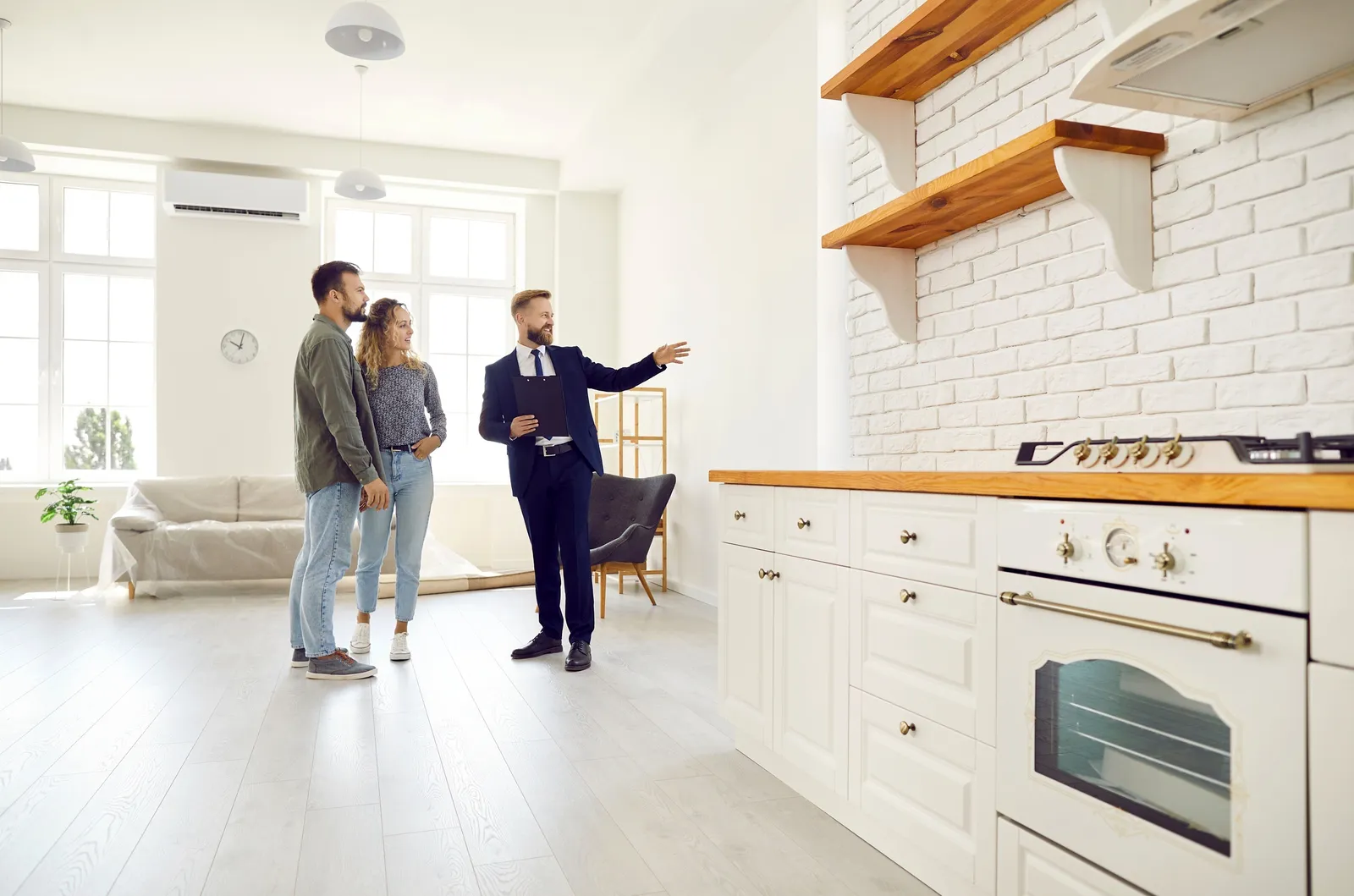
Renting a furnished home can be convenient, flexible, and cost-effective—especially for short-term stays, relocations, or tenants who want to avoid the expense of buying furniture. However, furnished rentals come with unique considerations that go beyond a typical lease. Before signing, it’s important to ask the right questions to protect your finances, comfort, and legal rights.
What Exactly Is Included in the Furnishing?
When searching for a furnished rental, one of the most important questions to ask is: what does “furnished” actually include? The term can vary widely from one property to another, and assumptions can easily lead to frustration or unexpected expenses.
Some rentals are fully furnished, offering a complete living setup that includes everything from major furniture pieces to everyday essentials. Others may be partially furnished, providing only the basics—such as a bed, sofa, and dining table—without additional household items. In some cases, a “furnished” unit might include little more than large furniture, leaving tenants responsible for smaller but essential items.
To avoid confusion, always request a detailed inventory list before signing a lease. This list should clearly outline what is included in the rental, such as:
Furniture: Beds, couches, dining tables, chairs, desks, and storage units
Appliances: Refrigerator, stove, microwave, dishwasher, washer, and dryer
Household items: Dishes, cookware, utensils, linens, and decorative elements
Having this information in writing helps set clear expectations for both tenant and landlord. It also allows you to plan ahead—whether that means bringing your own belongings, budgeting for missing items, or confirming that the property meets your lifestyle needs.
In addition, reviewing the inventory list can protect you when it’s time to move out. By documenting the condition and presence of each item at move-in, you reduce the risk of disputes over missing or damaged furnishings.
Ultimately, understanding exactly what is included ensures a smoother transition into your new home and helps you avoid unnecessary purchases or surprises after move-in.

Is There an Inventory Checklist or Condition Report?
Before moving into a furnished rental, it is essential to ask whether there is a formal inventory checklist or condition report. This document serves as a detailed record of all items included in the property and their condition at the time you take possession.
An inventory checklist should go beyond simply listing items—it should clearly describe the state of each piece of furniture, appliance, and household item. For example, it may note scratches on a table, minor wear on a sofa, or any existing issues with appliances. This level of detail creates a shared understanding between tenant and landlord from day one.
If the landlord or property manager does not automatically provide this document, you should request one before signing the lease or moving in. Carefully review it and ensure it accurately reflects what you see in the unit.
Why It Matters
Having a written inventory and condition report is not just a formality—it offers important protections:
Protects your security deposit: You won’t be held responsible for damage that existed before you moved in
Prevents disputes: Clear documentation reduces disagreements when it’s time to move out
Clarifies responsibility: It establishes which damages are pre-existing versus those that may occur during your tenancy
Best Practices for Tenants
In addition to reviewing the official report, take extra steps to protect yourself:
Document everything: Take clear photos or videos of each room and item during move-in
Focus on details: Capture any scratches, stains, dents, or malfunctions
Keep records सुरक्षित: Store your photos and a copy of the checklist in a safe place for future reference
If possible, share your documentation with the landlord and request written acknowledgment. This creates an additional layer of transparency and accountability.
Ultimately, an inventory checklist and condition report act as a safeguard for both parties. By taking the time to review and document the property thoroughly at the beginning of your lease, you can avoid unnecessary stress and ensure a smoother move-out process.

Who Is Responsible for Maintenance and Repairs?
In any rental, understanding who handles maintenance and repairs is essential—but in a furnished rental, this becomes even more important. In addition to the property itself, responsibility may extend to furniture, appliances, and other included items.
While landlords are typically responsible for maintaining a safe and habitable living environment, the specifics can vary depending on the lease agreement. That’s why tenants should clearly clarify maintenance responsibilities before moving in.
What to Clarify מראש
Before signing your lease, make sure you understand how repairs and maintenance are handled by asking questions such as:
Who repairs or replaces broken furniture?
If a bed frame breaks or a sofa becomes unusable through normal use, confirm whether the landlord will fix or replace it.
What happens if appliances stop working?
Appliances like refrigerators, microwaves, or washing machines are often included in furnished rentals. Ask whether repairs are covered and if there are any conditions (such as misuse) that could shift responsibility to you.
How quickly are repairs handled?
Timeliness matters, especially for essential items. Find out the expected response time for maintenance requests and whether there is an emergency repair process.
Why This Matters
Clarifying these details upfront helps prevent misunderstandings and ensures that issues are resolved efficiently. Without clear terms, tenants may face delays, unexpected costs, or disputes over responsibility.
A well-defined agreement will:
Reduce confusion: Both tenant and landlord know their roles
Ensure habitability: Essential items are repaired promptly
Protect your finances: You won’t be unfairly charged for normal wear and tear
Best Practices for Tenants
To protect yourself, always:
Review the lease carefully: Look for clauses related to maintenance and repairs
Get everything in writing: Verbal agreements can be difficult to enforce
Report issues promptly: Notify the landlord as soon as a problem arises
Keep records: Save emails, messages, and repair requests for reference
In furnished rentals, furniture and appliances are part of what you’re paying for. Ensuring there is a clear agreement on how they are maintained will give you peace of mind and help create a smoother rental experience.
Is Rent Higher Compared to Unfurnished Units?
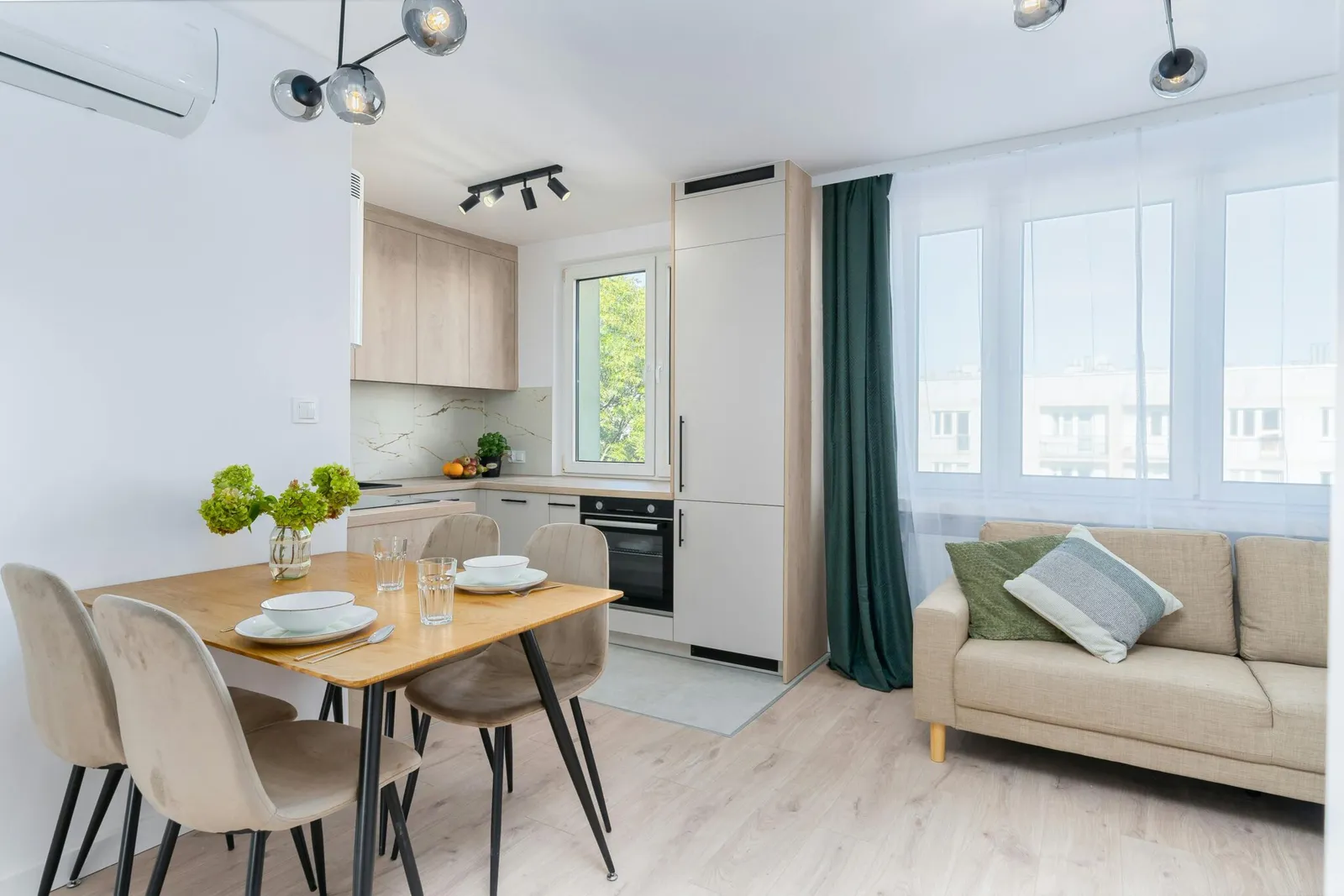
One of the most common questions renters have is whether a furnished home costs more than an unfurnished one—and in most cases, the answer is yes. Furnished rentals typically come at a premium, reflecting the added convenience and value of included furniture, appliances, and household items.
However, the price difference can vary depending on the location, quality of furnishings, and lease terms. That’s why it’s important to compare the rent of a furnished unit with similar unfurnished properties in the same area. This gives you a clearer picture of how much extra you’re paying for the convenience of a move-in-ready home.
What to Compare Beyond Base Rent
Rent alone doesn’t always tell the full story. To understand the true cost, ask about additional expenses that may be included—or added on top:
Are utilities included?
Some furnished rentals bundle electricity, water, internet, or cable into the monthly rent, while others charge separately.
Is there a cleaning fee?
Landlords may require a one-time or recurring cleaning fee, especially for short-term or fully furnished units.
Are there additional charges for furniture use?
In some cases, there may be fees for maintaining or using the provided furnishings, or higher deposits tied to them.
Why This Matters
Understanding the full cost structure helps you avoid surprises and plan your budget more effectively. A furnished rental with a higher monthly rent may actually be a better deal if it includes utilities and essential services. On the other hand, a lower advertised rent with multiple add-on fees could end up costing more overall.
Smart Budgeting Tips
To make an informed decision:
Calculate total monthly costs: Include rent, utilities, and any extra fees
Compare similar listings: Look at both furnished and unfurnished options in the same neighborhood
Evaluate your needs: Consider whether the convenience of furnished living outweighs the added cost
Ultimately, furnished rentals offer flexibility and ease—especially for short-term stays or relocations—but understanding the full pricing structure ensures you’re making a financially sound choice.
What Is the Lease Term and Flexibility?
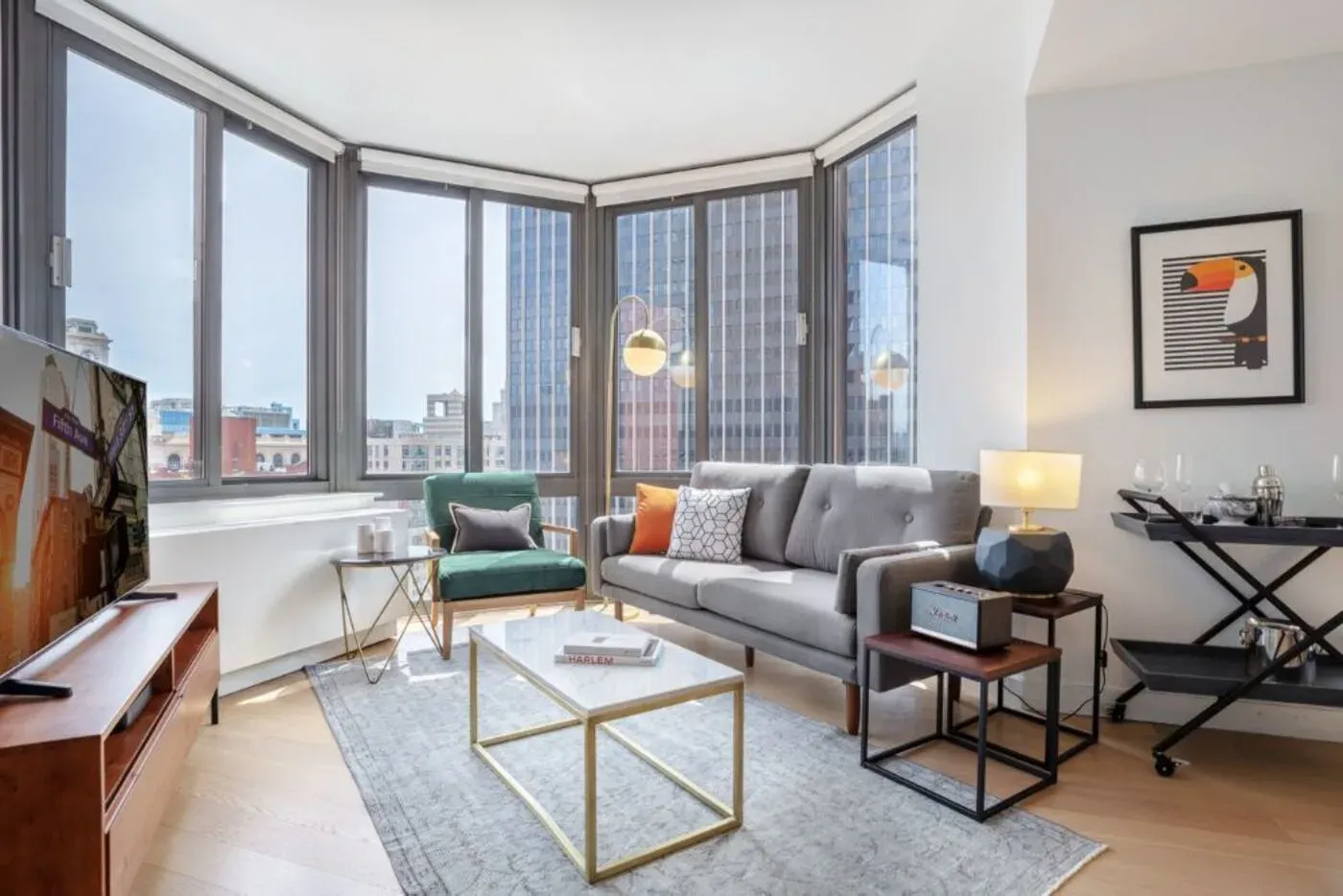
One of the key advantages often associated with furnished rentals is flexibility—but not all leases are as flexible as they appear. While many furnished properties are marketed toward short-term renters, the actual lease terms can vary significantly depending on the landlord, location, and type of property.
Before committing, it’s important to clearly understand the lease duration and any flexibility options available to you.
Key Questions to Ask
To avoid unexpected restrictions, ask the following:
What is the minimum lease period?
Some furnished rentals allow short stays of one to three months, while others may still require a standard six- or twelve-month lease.
Are month-to-month options available?
Month-to-month leases provide maximum flexibility, but they may come at a higher monthly cost or with specific conditions.
Are there penalties for early termination?
If your plans change, breaking a lease early could result in fees, loss of deposit, or continued rent obligations. Make sure you understand these terms upfront.
Why Lease Flexibility Matters
Lease flexibility is especially important for renters who are relocating, traveling for work, or uncertain about how long they plan to stay. A flexible lease can provide peace of mind, while a rigid agreement may create financial stress if circumstances change.
Understanding the terms in advance helps you:
Avoid costly penalties if you need to move out early
Plan your timeline with confidence
Choose a rental that matches your lifestyle needs
Tips for Renters
To protect yourself and maintain flexibility:
Get all terms in writing: Ensure lease duration and exit clauses are clearly stated
Ask about renewal options: Some leases automatically renew unless notice is given
Negotiate if possible: Landlords may offer more flexible terms, especially for furnished units
Review notice requirements: Understand how much advance notice is needed before moving out
Furnished rentals can offer convenience and adaptability, but only if the lease terms align with your plans. Taking the time to clarify these details upfront can help you avoid unnecessary costs and make your rental experience smoother and more predictable.
Is There a Security Deposit or Furniture Deposit?
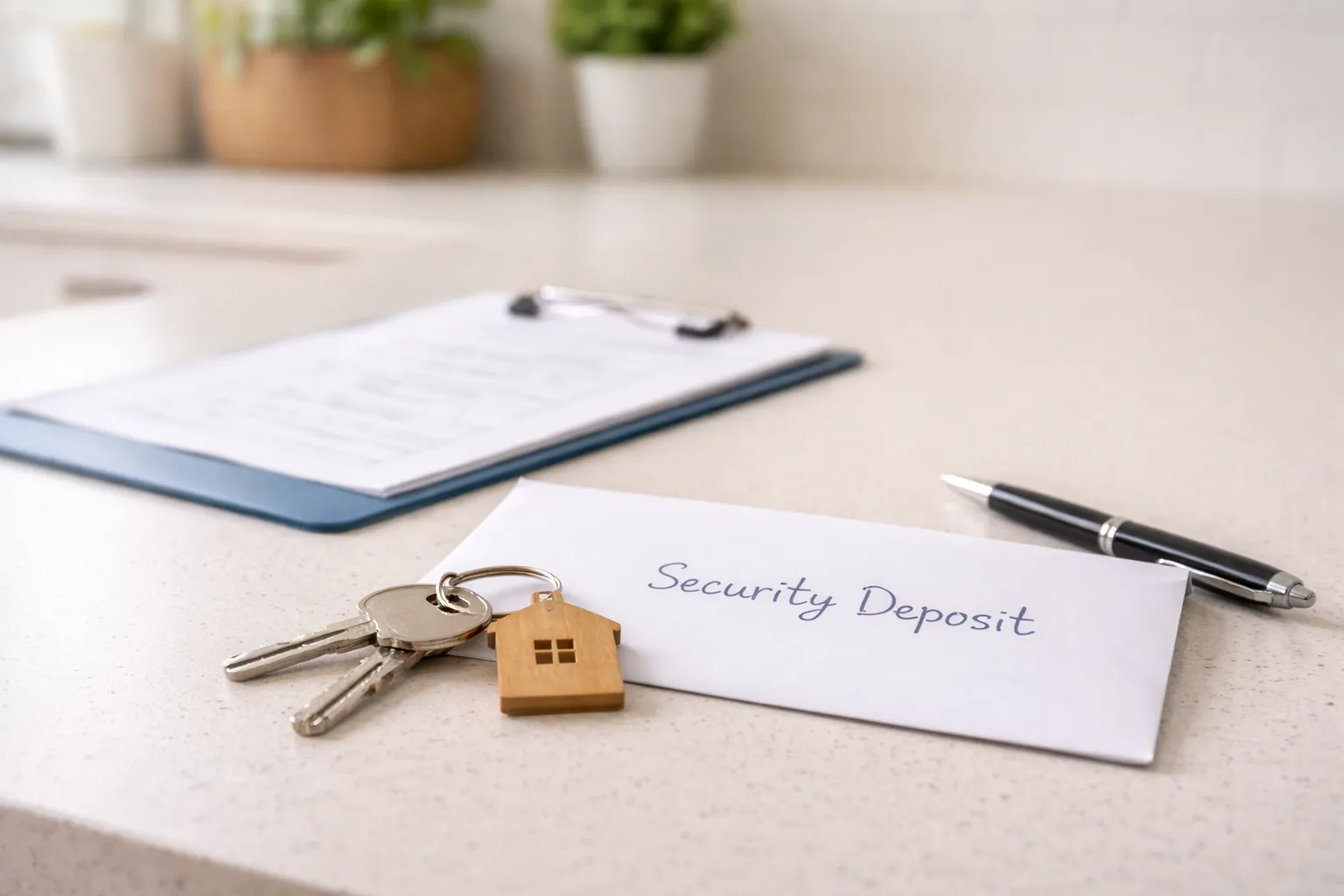
When renting a furnished home, it’s common for landlords to require a security deposit that is higher than usual—or even a separate furniture deposit. This is because furnished properties include valuable items such as sofas, beds, appliances, and décor that need protection against damage or loss.
Before signing a lease, it’s important to clearly understand how these deposits work and what financial obligations you may have upfront.
What to Clarify
Make sure you ask for detailed information about the deposit structure, including:
Total deposit amount:
Confirm whether there is just one security deposit or an additional deposit specifically for furniture. Some landlords combine these, while others separate them.
Conditions for deductions:
Ask what situations may lead to deductions. This could include damage beyond normal wear and tear, missing items, stains, or broken furniture.
Timeline for deposit return:
Find out how long it will take to receive your deposit after moving out. Many regions have legal timeframes, but they can vary depending on local regulations.
Why This Matters
Understanding deposit terms in advance helps you avoid unexpected financial surprises and ensures transparency between you and the landlord. Furnished rentals often involve more detailed inspections at move-out, since multiple items must be accounted for and assessed.
Clear deposit terms will:
Protect your money: You’ll know exactly what could affect your refund
Reduce disputes: Both parties have agreed expectations about property condition
Encourage accountability: Tenants are more aware of how to care for furnishings
Tips for Tenants
To safeguard your deposit:
Review the lease carefully: Ensure all deposit terms are clearly written
Document everything at move-in: Take photos or videos of furniture and appliances
Request a receipt: Get written confirmation of any deposit paid
Maintain the property well: Treat furnishings with care to avoid deductions
Furnished rentals offer convenience, but they also come with added responsibility. By fully understanding the deposit requirements and conditions, you can protect your finances and enjoy a smoother rental experience from move-in to move-out.

Are There Rules About Modifying or Removing Furniture?
Furnished rentals are designed to be convenient and move-in ready—but they may not always match your personal style or functional needs. You might want to rearrange the layout, bring in your own furniture, or remove items you don’t plan to use. Before making any changes, it’s important to understand the rules surrounding modifying or removing furniture.
Lease agreements for furnished properties often include specific terms about how the furniture must be handled. Failing to follow these rules could lead to penalties, fees, or even loss of your security deposit.
Key Questions to Ask
To avoid misunderstandings, clarify the following with your landlord:
Can furniture be moved or rearranged?
Some landlords allow minor rearrangements as long as items are returned to their original positions before move-out.
Can furniture be stored or removed?
If certain items are not needed, ask whether they can be placed in storage—or if the landlord is willing to remove them entirely.
Are you allowed to bring your own furniture?
In some cases, tenants may add personal items, but space limitations or lease terms may restrict this.
Why This Matters
Understanding these rules helps ensure you can comfortably live in the space without violating your lease. It also protects the landlord’s property, which is often part of the rental’s value.
Clear guidelines will:
Prevent lease violations: Unauthorized changes could result in fines or penalties
Protect your deposit: Damage or missing items may lead to deductions
Improve your living experience: Knowing your options allows you to personalize the space within allowed limits
Best Practices for Tenants
To stay on the safe side:
Get permission in writing: Always confirm any changes via email or written agreement
Document original setup: Take photos before moving or removing items
Handle items with care: Store furniture properly if permitted
Restore before move-out: Return everything to its original condition and placement
While furnished rentals offer convenience, they come with shared responsibility. By clearly understanding and respecting the rules around furniture use and modifications, you can enjoy a more comfortable living space without risking penalties or disputes.

Is Renters Insurance Required?
When renting a furnished home, the question of renters insurance becomes especially important. Because furnished rentals include valuable items such as furniture, appliances, and décor, landlords often require tenants to carry an insurance policy as part of the lease agreement.
Even when it’s not mandatory, having renters insurance is a smart way to protect yourself financially in case of unexpected events.
What to Confirm
Before signing your lease, clarify the insurance requirements with your landlord:
Is renters insurance mandatory?
Some landlords require proof of an active policy before you can move in, while others may strongly recommend it but leave it optional.
What type of coverage is required?
Policies typically include:
Liability coverage: Protects you if someone is injured in your rental or if you accidentally cause damage to the property
Personal property coverage: Covers your belongings in case of theft, fire, or certain types of damage
In furnished rentals, landlords may also expect coverage that helps protect their furnishings in situations where tenant negligence is involved.
Why This Matters
Renters insurance benefits both tenants and landlords by reducing financial risk. Accidents can happen at any time—such as water damage, fire, or theft—and without insurance, you could be responsible for significant out-of-pocket costs.
Having proper coverage will:
Protect your belongings: Replace or repair your personal items if they are damaged or stolen
Limit liability risks: Cover legal or medical costs if someone is injured in your unit
Provide peace of mind: Ensure you’re financially prepared for unexpected situations
Tips for Tenants
To make the most of renters insurance:
Review policy details carefully: Understand what is covered and any exclusions
Choose appropriate coverage limits: Make sure your policy reflects the value of your belongings
Keep documentation: Save receipts or photos of valuable items for claims
Provide proof if required: Submit your policy details to your landlord if it’s part of the lease terms
While it may seem like an extra step, renters insurance is a relatively low-cost way to protect yourself and meet lease requirements—especially in furnished rentals where the stakes are higher.

What Are the Cleaning Expectations?
When renting a furnished home, cleaning expectations are often more detailed—and sometimes stricter—than in unfurnished rentals. Because the property includes furniture, appliances, and household items, landlords typically require the unit to be returned in a clean and well-maintained condition.
Understanding these expectations before you move in can help you avoid unexpected fees and ensure a smooth move-out process.
Key Questions to Ask
To stay prepared, clarify the following with your landlord:
Is professional cleaning required?
Some landlords require tenants to hire a professional cleaning service before moving out, while others allow tenants to clean the unit themselves as long as it meets certain standards.
Are there specific cleaning standards?
Ask what level of cleanliness is expected. This may include deep cleaning of kitchens and bathrooms, vacuuming upholstery, washing linens, and ensuring appliances are spotless.
Will cleaning fees be deducted from your deposit?
Find out if there is a fixed cleaning fee or if costs will only be deducted if the property is not returned in acceptable condition.
Why This Matters
Furnished rentals involve more items to clean and maintain, which increases the likelihood of deductions if standards are not met. Clear expectations help you plan ahead and avoid disputes with your landlord.
Knowing the rules will:
Protect your security deposit: You’ll understand what is required to receive a full refund
Prevent misunderstandings: Both parties agree on the expected condition of the property
Save time and stress: You can prepare properly before move-out
Tips for Tenants
To meet cleaning expectations and avoid extra costs:
Document the condition at move-in: Take photos or videos to show how the property looked when you arrived
Follow a checklist: Clean each room thoroughly, including furniture and appliances
Keep receipts: If you hire a professional cleaner, save proof of service
Ask for clarification: If expectations are unclear, request written guidelines from your landlord
Furnished homes offer convenience, but they also require extra care. By understanding and meeting cleaning expectations, you can leave the property in good condition and maximize your chances of getting your full deposit back.

Is the Property Suitable for Your Lifestyle?
While furnished rentals offer convenience and flexibility, it’s important to look beyond what’s included and ask a more personal question: does the space actually fit your lifestyle? A property may be fully equipped, but if it doesn’t align with your daily habits and comfort preferences, it can quickly feel limiting.
Before committing, take time to evaluate whether the furnished setup truly supports the way you live.
What to Consider
To make the right decision, think about how the space functions for you day-to-day:
Comfort and quality of furniture
The appearance of furniture is one thing, but comfort is another. Test the bed, sofa, and chairs if possible. Since these are items you’ll use daily, their quality can significantly impact your overall living experience.
Storage space for your belongings
Furnished homes often come with pre-filled closets, cabinets, or storage areas. Make sure there’s enough room for your personal items without creating clutter.
Style and functionality of the space
Consider whether the layout and design match your needs. For example, is there a suitable workspace if you work remotely? Is the kitchen functional for how often you cook?
Why This Matters
A furnished home should not only be convenient—it should feel comfortable and livable. If the setup doesn’t suit your lifestyle, you may find yourself frustrated despite the ease of moving into a ready-made space.
Choosing the right property will:
Improve your daily comfort: You’ll enjoy living in a space that works for you
Reduce the need for adjustments: Less time and money spent modifying the setup
Enhance overall satisfaction: A better fit leads to a more positive rental experience
Tips for Renters
To ensure the property is a good match:
Visit in person if possible: Photos don’t always reflect comfort or functionality
Visualize your routine: Think about how you’ll use each area of the home
Ask questions: Clarify anything that may affect your lifestyle, such as workspace, lighting, or storage limitations
Trust your instincts: If something feels off, it’s worth exploring other options
Ultimately, a furnished rental should do more than check boxes—it should feel like a place you can truly live in. Taking the time to assess whether it fits your lifestyle will help you make a more confident and satisfying choice.
Renting a furnished home offers flexibility and ease, but it also requires careful evaluation. By asking the right questions about inventory, costs, responsibilities, and lease terms, you can avoid surprises and make a confident, informed decision. Always review your lease thoroughly and document everything before moving in to ensure a smooth rental experience.
Source:
Investopedia – Furnished Apartment Definition
Zillow Rental Manager – What Does Furnished Mean in a Rental?
Apartments.com – Furnished vs. Unfurnished Apartments Guide
U.S. Department of Housing and Urban Development (HUD) – Tenant Rights and Responsibilities
Nolo – Security Deposits: What Landlords Can Deduct
The Balance – Apartment Walk-Through Checklist Guide
U.S. Department of Housing and Urban Development (HUD) – Tenant Rights and Responsibilities
Nolo – Repairs and Maintenance in Rental Properties
Apartments.com – Landlord vs. Tenant Maintenance Responsibilities
Investopedia – Furnished Apartment Definition and Costs
Zillow Rental Manager – Furnished vs. Unfurnished Rentals: Cost Differences
Apartments.com – Average Rent Comparisons and What’s Included
Nolo – Understanding Rental Lease Agreements
Investopedia – Lease Agreements and Tenant Flexibility
Apartments.com – Short-Term vs. Long-Term Lease Guide
Nolo – Security Deposits: What Landlords Can Deduct
Investopedia – Rental Security Deposits Explained
Apartments.com – Understanding Security Deposits and Fees in Rentals
Nolo – Lease Agreements and Tenant Responsibilities
Apartments.com – Furnished Apartment Rules and Guidelines
Zillow Rental Manager – What Tenants Should Know About Furnished Rentals
Insurance Information Institute – What Is Renters Insurance?
Nolo – Renters Insurance Basics for Tenants
Zillow Rental Manager – Do You Need Renters Insurance?
Nolo – Security Deposits and Cleaning Responsibilities
Apartments.com – Move-Out Cleaning Tips for Renters
Zillow Rental Manager – What Landlords Expect When You Move Out
Apartments.com – How to Choose the Right Apartment for Your Lifestyle
Zillow Rental Manager – Tips for Renting a Furnished Apartment
The Balance – Factors to Consider When Choosing a Rental Home
U.S. Department of Housing and Urban Development – Renting and tenant rights guidelines
Consumer Financial Protection Bureau – Rental and lease education resources
Nolo – Legal advice on rental agreements and tenant protections
RentPrep – Best practices for renting furnished properties