Living Here Might Actually Improve Your Skin
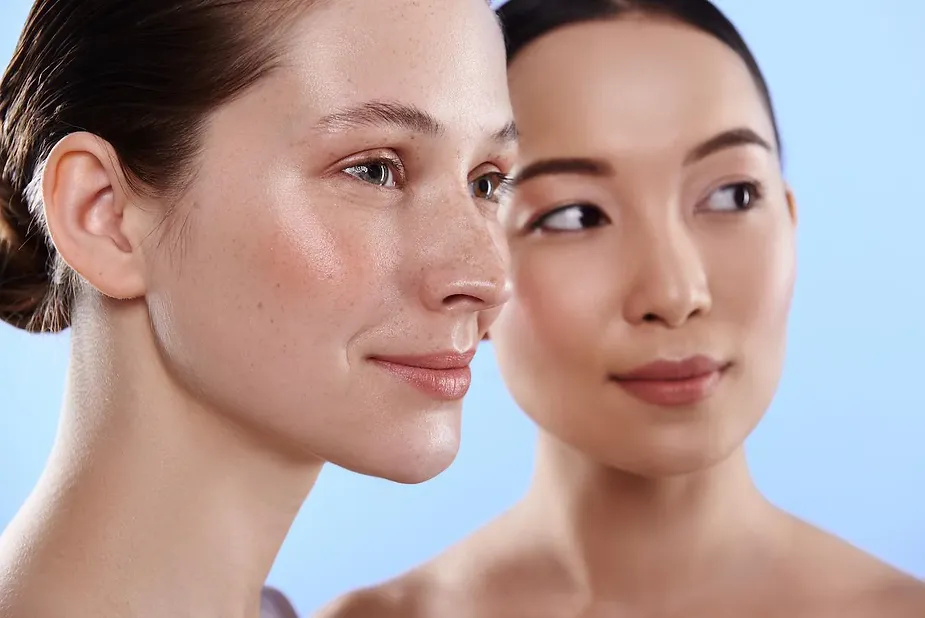
When thinking about glowing, healthy skin, we often attribute results to skincare routines, genetics, or diet. But what if the place you live in could be one of the most powerful factors in improving your complexion? As it turns out, certain locations around the world offer unique environmental benefits that can naturally enhance skin health — and moving to one of these places might be the best beauty investment you’ll ever make.
The Power of Clean Air and Low Pollution: Why Where You Live Matters for Your Skin
In the world of skincare, much attention is paid to serums, sunscreens, and high-tech beauty treatments. But one of the most overlooked contributors to skin health isn’t something you can buy in a bottle — it’s the air you breathe every day. The quality of the air in your environment has a direct and lasting impact on the health and appearance of your skin. In fact, living in areas with clean air and low pollution may be one of the most powerful ways to preserve a youthful, radiant complexion.
How Pollution Affects Your Skin
Air pollution, especially in urban areas, is full of harmful particles such as nitrogen dioxide, polycyclic aromatic hydrocarbons (PAHs), ozone, and particulate matter (PM2.5). These microscopic pollutants don’t just settle on the surface of your skin — they can penetrate the skin barrier and reach the deeper layers. Once inside, they trigger oxidative stress, inflammation, and the breakdown of collagen and elastin, accelerating the aging process and leading to wrinkles, dullness, uneven skin tone, and acne.
A 2016 study published in the Journal of Investigative Dermatology found that long-term exposure to air pollution was associated with a significant increase in pigment spots and wrinkles, even after adjusting for other factors like sun exposure. The skin, being the body’s largest organ and outermost defense system, is on the front lines when it comes to pollution-related damage.
Clean Air: Nature’s Skin Rejuvenator
In contrast, living in areas with low levels of pollution — such as remote regions of Scandinavia, the Pacific Northwest in the U.S., or parts of New Zealand — offers the skin a natural reprieve from environmental aggressors. Clean air reduces the amount of oxidative stress placed on the skin, allowing it to retain its moisture barrier, heal more efficiently, and remain more youthful in appearance.
When the air is clean, the skin can focus on regeneration instead of defense. This can lead to fewer breakouts, more even tone, and a smoother texture. People living in such environments often report needing fewer skincare products to maintain a healthy glow.
What You Can Do — Even If You Don’t Live in a Pollution-Free Zone
While not everyone can move to a forested mountain town or coastal village, there are still ways to protect your skin from the harmful effects of pollution:
Use antioxidants: Topical antioxidants like vitamin C, niacinamide, and resveratrol can neutralize free radicals caused by pollution.
Cleanse thoroughly: Gentle but effective cleansing helps remove microscopic pollutants from the skin’s surface.
Barrier support: Moisturizers that strengthen the skin barrier help keep pollutants from penetrating deeply.
Air purifiers: Investing in an air purifier for your home can improve indoor air quality, especially in cities.
The air around you plays a far greater role in your skin health than many realize. Clean air helps your skin repair itself, while polluted air accelerates aging and inflammation. Choosing to live in a cleaner environment — or taking steps to simulate one — could be one of the smartest decisions you make for your skin’s long-term health.

Humidity: Nature’s Moisturizer – How Moist Air Helps Your Skin Thrive
When we think about achieving soft, glowing skin, we usually picture fancy moisturizers, hydrating serums, and a well-planned skincare routine. But there’s a natural skincare factor many overlook — the humidity in the air around you. Believe it or not, where you live (or even vacation) can significantly affect the moisture levels in your skin.
Humidity — the amount of water vapor in the air — plays a crucial role in maintaining your skin’s hydration and overall health. While low humidity can leave your skin dry, itchy, and prone to irritation, moderate to high humidity can work as a natural moisturizer, helping your skin retain water and stay supple.
What Happens to Skin in Dry Air?
Dry air, common in cold climates and air-conditioned environments, strips the skin of its natural moisture. When there’s little humidity in the air, water from your skin evaporates more easily, leading to:
Flakiness and rough texture
Itchiness and sensitivity
Fine lines and a dull appearance
Exacerbation of conditions like eczema or psoriasis
This is why many people notice their skin becoming tight, irritated, or more prone to breakouts during the winter months or after spending long periods in dry, indoor environments.
Why Humid Environments Are Skin-Friendly
Regions with higher humidity — like coastal Hawaii, parts of Southeast Asia, or tropical rainforests — provide a moisture-rich atmosphere that helps skin thrive. Here’s why:
Enhanced Skin Barrier Function: Moist air supports the outer layer of the skin (the stratum corneum), helping it retain water and function as a strong, protective barrier.
Improved Elasticity: Hydrated skin is more elastic and resilient, making it less prone to wrinkles or cracking.
Fewer Moisturizers Needed: In naturally humid environments, the air does part of the job of your moisturizer — keeping your skin soft without needing to layer on as many products.
Smoother Texture: The increased water content in the skin can lead to a visibly smoother, plumper surface.
A Word of Caution
While humidity is generally skin-friendly, too much of it — especially combined with heat — can cause issues like increased sweating, clogged pores, and acne for some people. This is why maintaining a good cleansing routine is important in humid climates.
Also, people with oily or acne-prone skin may need to be mindful of using lightweight, non-comedogenic products to prevent congestion in high-humidity environments.
How to Recreate Humidity Benefits Anywhere
Even if you don’t live in a tropical paradise, you can still give your skin some of the perks of a humid climate:
Use a humidifier: Adding moisture to your indoor air (especially during winter or in air-conditioned spaces) can significantly reduce skin dryness.
Seal in moisture: After cleansing, use humectants like hyaluronic acid and follow up with an occlusive moisturizer to trap hydration.
Avoid harsh soaps: Gentle, hydrating cleansers help preserve the skin’s natural moisture barrier.
Humidity might not be the first thing that comes to mind when thinking about skincare, but it can have a profound effect on the way your skin looks and feels. If you’re lucky enough to live in — or travel to — a region with balanced humidity, you may notice your skin thanking you with fewer flakes, more bounce, and that coveted healthy glow.

Sunlight — in Moderation: Why Smart Sun Exposure Can Benefit Your Skin
Sunlight has long been a double-edged sword in the world of skincare. On one hand, we’re warned about the dangers of overexposure — premature aging, sunburn, and skin cancer. On the other, we’re told that sunlight can lift our mood and strengthen our immune system. So where’s the balance?
As it turns out, moderate, controlled exposure to sunlight can actually support skin health — and may even play a vital role in skin repair and function. The key is to enjoy sunlight safely and understand how to make the most of its benefits without crossing the line into damage.
The Vitamin D Connection
One of the most essential roles sunlight plays in our health is the production of vitamin D. When ultraviolet B (UVB) rays hit the skin, they trigger the body’s natural synthesis of vitamin D — a hormone that supports bone health, immune function, and cellular repair.
For skin in particular, vitamin D contributes to:
Faster wound healing
Improved skin cell growth and turnover
Reduced inflammation
Defense against certain infections and skin disorders
Low vitamin D levels have been associated with conditions like psoriasis, eczema, and even acne. While you can obtain vitamin D from foods and supplements, natural sunlight remains the most efficient source for most people.
The Sweet Spot: Balanced Sunlight Exposure
Cities like San Diego, Barcelona, or Cape Town — known for their mild, sunny climates with regular cloud cover — offer an ideal balance. In these areas, residents often get enough sunlight to maintain healthy vitamin D levels without being exposed to the intense, skin-damaging UV radiation seen in more extreme climates.
For most people, 5 to 30 minutes of sun exposure to the face, arms, or legs two to three times per week is typically sufficient, depending on skin tone and location. This modest exposure can provide significant health benefits without leading to sunburn or increased skin cancer risk — especially when done outside peak UV hours (typically 10 a.m. to 4 p.m.).
How to Sun Smartly
If you're looking to safely benefit from sunlight, follow these simple tips:
Time it right: Aim for morning or late afternoon sun when UV intensity is lower.
Don’t skip sunscreen entirely: Even during short exposures, applying SPF to the most vulnerable areas (like the face) can prevent cumulative damage.
Be mindful of skin type: Fairer skin types require less sun to produce adequate vitamin D, while darker skin may need longer exposure.
Avoid prolonged exposure: More time in the sun does not necessarily mean more benefits — once your body has produced enough vitamin D for the day, excess UV exposure only increases risk.
Sunlight, in moderation, is not the enemy — in fact, it can be a powerful ally in maintaining skin health. When approached with awareness and care, controlled sun exposure can boost vitamin D production, support the immune system, and even help certain skin conditions heal faster. Like all things in skincare, balance is everything.

Natural Mineral Waters and Hot Springs: A Timeless Remedy for Radiant Skin
Across cultures and continents, natural mineral springs and hot springs have long been revered for their healing properties. From ancient Roman bathhouses to traditional Japanese onsen culture, these geologically rich waters are more than just relaxing — they’re believed to offer powerful therapeutic benefits, especially for the skin.
Today, science is beginning to confirm what many civilizations have known for centuries: soaking in mineral-rich waters can help calm, soothe, and even treat certain skin conditions. Living near or regularly visiting these springs could be a hidden gem in your skincare strategy.
What Makes Mineral Springs Special?
Natural hot springs and mineral waters are heated by geothermal activity and often flow through underground rocks that enrich them with a potent mix of minerals. Some of the most common skin-benefiting minerals found in these waters include:
Sulfur: Known for its antibacterial and anti-inflammatory properties, sulfur helps reduce acne, eczema, and seborrheic dermatitis.
Magnesium: Helps retain skin moisture, improve the skin’s barrier function, and reduce inflammation.
Calcium: Promotes skin regeneration and supports healthy cell turnover.
Sodium and Potassium: Maintain hydration balance and soothe irritated or dry skin.
Together, these elements create a unique environment that supports skin repair, detoxification, and relaxation.
Skin Benefits of Mineral Water Bathing
Regular exposure to these mineral-rich waters may offer several skincare advantages:
Reduced Inflammation: Ideal for conditions like psoriasis, eczema, and rosacea.
Clearer Skin: Antibacterial properties in sulfur-rich springs can help manage acne-prone skin.
Improved Hydration: Minerals help the skin retain moisture, leaving it soft and supple.
Faster Healing: Thermal waters may aid in recovery from rashes, irritations, and minor wounds.
A study published in Clinical, Cosmetic and Investigational Dermatology found that balneotherapy (the therapeutic use of bathing in mineral springs) can significantly reduce symptoms in people with chronic skin conditions, particularly eczema and psoriasis.
Global Hotspots for Healing Waters
Some destinations are globally renowned for their mineral springs, not only for their beauty but also for their therapeutic reputation:
Baden-Baden, Germany: This historic spa town boasts 29 thermal springs, known for their calcium and magnesium-rich waters that support joint and skin health.
Beppu, Japan: With over 2,000 hot spring sources, Beppu’s onsens are particularly rich in minerals like sulfur and iron, making them a go-to for people with chronic skin issues.
Blue Lagoon, Iceland: The milky, silica-rich waters are famous for soothing psoriasis and giving skin a noticeable glow.
How to Get the Benefits — Even If You Don’t Live Near One
Not everyone can relocate to a spa town, but you can still mimic the effects of mineral water bathing at home:
Use mineral-rich bath salts: Look for Epsom salts (magnesium sulfate) or sulfur-containing bath soaks.
Thermal spring water sprays: Popular in skincare, these can hydrate and calm sensitive skin on the go.
DIY spa days: Create a bath ritual that includes mineral salts, warm water, and relaxation to simulate the experience.
Natural mineral waters and hot springs offer more than just relaxation — they represent a time-honored method of supporting skin health. Whether you visit a geothermal paradise or simply bring mineral elements into your home routine, tapping into the power of earth’s healing waters may be one of the most luxurious — and effective — ways to care for your skin.

Fresh, Local Diets: How Regional Eating Habits Can Transform Your Skin
You’ve probably heard the saying, “You are what you eat.” When it comes to skin health, this couldn’t be more accurate. What you put on your plate can have just as much impact on your complexion as what you apply to your skin. And in regions where fresh, local foods are part of daily life — like the Mediterranean — glowing, healthy skin is often the natural result.
Local diets rich in whole, seasonal foods are packed with antioxidants, healthy fats, vitamins, and minerals that nourish the body from the inside out. In these areas, good skin isn’t just a product of skincare routines — it’s a lifestyle.
How Diet Impacts Your Skin
The skin is your body’s largest organ and a direct reflection of your overall health. Nutrient-rich foods help to:
Combat oxidative stress (a major cause of aging and inflammation)
Strengthen the skin barrier
Support collagen and elastin production
Improve hydration and elasticity
On the other hand, processed foods, refined sugars, and trans fats can contribute to dullness, breakouts, inflammation, and premature aging.
The Mediterranean Diet: A Blueprint for Radiant Skin
One of the most widely praised regional diets for skin health is the Mediterranean diet — common in places like Greece, Italy, and southern France. This diet is centered around:
Fresh fruits and vegetables: Packed with antioxidants like vitamin C, beta-carotene, and flavonoids that fight free radicals and help repair skin.
Olive oil: Rich in monounsaturated fats and vitamin E, it supports skin hydration and elasticity.
Fish: Fatty fish like salmon and sardines are loaded with omega-3 fatty acids, which reduce inflammation and help maintain skin's moisture barrier.
Whole grains and legumes: High in fiber, they support gut health — which is directly linked to skin clarity.
Herbs and spices: Ingredients like rosemary, basil, and turmeric provide additional anti-inflammatory benefits.
This way of eating isn’t about restriction — it’s about quality, balance, and variety. The result? A lifestyle that supports healthy, vibrant skin at any age.
Beyond Diet: The Role of Lifestyle
It’s not just the food that makes the Mediterranean region a skincare goldmine — it's the overall lifestyle. Long, leisurely meals, reduced stress, and time spent outdoors all contribute to lower cortisol levels (the stress hormone), which can otherwise lead to skin inflammation and breakouts.
Slower, more intentional living may be one of the reasons people in these regions maintain not just better skin, but also longer, healthier lives.
How to Adopt a Skin-Loving Local Diet
Even if you don’t live by the sea in Crete or in the hills of Tuscany, you can still incorporate these principles into your routine:
Shop local when possible: Visit farmers’ markets or join a local produce co-op to access seasonal, unprocessed foods.
Cook more meals at home: Preparing meals yourself gives you control over ingredients and helps you avoid processed additives.
Emphasize color and variety: A colorful plate usually means a wider range of antioxidants.
Swap unhealthy fats for healthy ones: Use olive oil instead of butter or margarine.
Limit sugar and refined carbs: These spike insulin levels, which can trigger inflammation and acne.
Your skin’s health isn’t just about what you apply topically — it’s deeply connected to what you eat. Fresh, local diets like those found in the Mediterranean offer a sustainable, delicious path to radiant skin. By nourishing your body from within, you're giving your skin the nutrients it needs to thrive naturally.

Reduced Stress and a Slower Pace of Life: A Natural Boost for Your Skin
In today’s fast-paced world, stress is almost inescapable — and unfortunately, your skin often pays the price. Chronic stress doesn’t just impact your mental well-being; it has very real effects on your body’s largest organ. Skin issues such as acne, eczema, psoriasis, and rosacea are often made worse or triggered by elevated stress levels. But what happens when you remove some of that pressure from daily life?
It turns out that where you live — and the pace at which life moves there — can significantly affect your skin health. In quieter, more tranquil settings like the French countryside or the serene mountain villages of Switzerland, the slower lifestyle may be doing more than just calming the mind; it’s calming the skin, too.
The Stress-Skin Connection
The relationship between stress and skin problems is backed by science. When you’re under stress, your body produces more cortisol, the primary stress hormone. Elevated cortisol can lead to:
Increased oil production, which clogs pores and leads to breakouts
Weakened skin barrier function, making skin more sensitive and prone to irritation
Exacerbation of inflammatory skin conditions, like eczema and psoriasis
Delayed wound healing, due to reduced immune response
Put simply: when your mind is overwhelmed, your skin often follows suit.
How a Slower Lifestyle Supports Skin Health
In contrast to high-stress urban living, regions with a calmer pace of life naturally foster lower baseline stress levels. Areas like Provence in France, the Dolomites in Italy, or Swiss alpine towns offer:
More time in nature: Spending time in green spaces has been shown to lower cortisol levels and improve mood. It also reduces oxidative stress, which benefits the skin.
Less noise and air pollution: These environmental stressors are common in cities and can accelerate skin aging and inflammation.
Improved sleep: Slower-paced regions typically support more regular sleep patterns — and sleep is essential for skin repair and regeneration.
Mindful living: Cultures that emphasize balance, family meals, and time off help reduce the mental load and, by extension, stress-related skin issues.
The Science of Cortisol and Inflammation
According to research published in the Journal of Investigative Dermatology, chronic stress disrupts the skin’s natural barrier, promotes inflammation, and impairs its ability to repair itself. Reducing stress through lifestyle changes can lead to visibly healthier, more resilient skin over time.
Bringing the Calm to Your Own Life
You don’t need to relocate to a mountaintop to reap the skin benefits of a slower life. Try adopting habits that reduce daily stress:
Incorporate daily walks outdoors, especially in green spaces
Prioritize sleep and downtime — treat rest as a necessity, not a luxury
Practice mindfulness or meditation, even just for 10 minutes a day
Unplug regularly from screens and notifications
Adopt slower rituals around meals, skincare, or morning routines
A peaceful mind can often be the first step toward peaceful skin. Whether it’s living in a stress-free village or simply carving out calm in your current environment, slowing down can significantly reduce skin issues driven by stress. Sometimes, the glow you’re looking for isn’t in a product — it’s in a lifestyle.
How Where You Live Affects Your Skin — and What You Can Do About It
Your skin is more than just a protective barrier — it's a dynamic, living organ that responds directly to its environment. From the quality of the air you breathe to the type of water in your shower, and even the pace of your daily routine, where you live plays a powerful role in shaping your skin’s health. Urban pollution, humidity levels, UV exposure, and even dietary culture all leave their mark.
But while most people can’t simply relocate to a skin-friendly paradise, there’s good news: by understanding the environmental factors that affect your skin, you can take practical steps to mimic those benefits, no matter your zip code.
Environmental Factors That Influence Skin Health
1. Air Quality
Polluted air — especially in urban and industrial areas — contains particulate matter, smoke, and chemicals that can settle on your skin, clog pores, and increase oxidative stress. This leads to dullness, inflammation, and accelerated aging. Conversely, areas with cleaner air, such as coastal towns or mountain villages, expose skin to far fewer harmful pollutants.
What You Can Do : Use antioxidant-rich skincare (vitamin C, niacinamide), cleanse thoroughly at night, and consider an indoor air purifier to reduce exposure.
2. Humidity and Climate
Dry air can lead to dehydrated, flaky skin and exacerbate conditions like eczema. On the flip side, very humid climates can cause excess oil production and breakouts. Skin tends to thrive in moderate humidity, which helps maintain its moisture barrier.
What You Can Do : Adapt your skincare to your climate — use humectants like hyaluronic acid in dry environments and oil-balancing products in humid ones. Humidifiers can also help balance indoor air during colder months.
3. Sunlight Exposure
Sunlight triggers vitamin D production, which is essential for immune and skin function. However, overexposure to UV rays can lead to premature aging and skin cancer. Locations with balanced sun exposure (like coastal California or the Mediterranean) offer the benefits of sun without the year-round harshness.
What You Can Do : Get 10–15 minutes of daily sun safely, and always wear broad-spectrum sunscreen. Supplement vitamin D if you live in an area with limited sunshine.
4. Water Quality
Hard water — high in minerals like calcium and magnesium — can disrupt your skin's pH, clog pores, and leave skin feeling dry and irritated. Softer water, more common in some coastal or rural regions, is gentler on the skin.
What You Can Do : Install a shower filter to remove harsh minerals and avoid over-cleansing, which can strip natural oils.
5. Diet and Lifestyle
Some regions naturally promote skin-healthy diets and slower, less stressful lifestyles. For example, the Mediterranean diet — rich in antioxidants, healthy fats, and fresh produce — supports skin health. Likewise, slower-paced communities tend to experience less stress, which reduces cortisol-driven skin issues like acne and eczema.
What You Can Do : Adopt a skin-friendly diet rich in vegetables, fruits, omega-3s, and hydration. Practice stress-reducing activities like yoga, mindfulness, or simply taking time to unwind.
While your environment undeniably affects your skin, the key takeaway is that you have control over many of these influences. By understanding how factors like air quality, humidity, sunlight, water, and lifestyle affect your skin, you can make smarter choices to protect and enhance your complexion — even if you can’t move to a spa town or beachside village tomorrow.
Healthy skin isn't just about where you live — it’s about how you live.
Sources:
Krutmann, J., Moyal, D., Liu, W., Kandahari, S., & Lee, G. (2016). Pollution and skin: from epidemiological and mechanistic studies to clinical implications. Journal of Investigative Dermatology, 136(5), 945–949. https://doi.org/10.1016/j.jid.2016.01.035
Draelos, Z. D. (2012). Physiology of the Skin: Humidity and Skin Health. Dermatologic Clinics, 30(1), 87–91. https://doi.org/10.1016/j.det.2011.09.006
National Institutes of Health. (2022). Vitamin D: Fact Sheet for Health Professionals. Office of Dietary Supplements. https://ods.od.nih.gov/factsheets/VitaminD-HealthProfessional/
Gloor, M., & Gehring, W. (2018). Balneotherapy in dermatology. Clinical, Cosmetic and Investigational Dermatology, 11, 499–507. https://doi.org/10.2147/CCID.S179138
Calder, P. C. (2020). Nutrition and skin health: Lessons from the Mediterranean diet. Nutrients, 12(3), 676. https://doi.org/10.3390/nu12030676
Arck, P., Slominski, A., Theoharides, T. C., Peters, E. M., & Paus, R. (2006). Neuroimmunology of stress: skin takes center stage. Journal of Investigative Dermatology, 126(8), 1697–1704. https://doi.org/10.1038/sj.jid.5700319
Lee, J. Y., & Jin, S. P. (2021). Environmental factors and skin aging: The influence of climate, pollution, and lifestyle on skin health. Dermatology and Therapy, 11(3), 833–845. https://doi.org/10.1007/s13555-021-00518-2