Lease Terms Decoded: The Clauses Renters Skim Past and Shouldn't

Signing a lease is an exciting step toward moving into a new home, but it's also a legally binding agreement that deserves careful attention. Many renters focus on the monthly rent, security deposit, and move-in date while quickly skimming the rest of the document. Unfortunately, some of the most important rights and responsibilities are hidden in the fine print.
Understanding key lease clauses before signing can help you avoid unexpected costs, disputes with your landlord, and unnecessary stress throughout your tenancy. Here's a breakdown of the lease terms every renter should read carefully.
Rent Due Dates and Late Fees
Before signing a lease, it's essential to understand exactly how and when your rent must be paid. While many renters focus on the monthly rent amount, overlooking the payment terms can result in avoidable late fees, strained relationships with landlords, or even lease violations. Taking a few minutes to review the payment clause can help you stay on track throughout your tenancy.
Review the Monthly Rent Amount
The lease should clearly state the monthly rent you are responsible for paying. Confirm that the amount matches what you agreed to during the application process or property tour. If additional monthly charges, such as parking, pet rent, or utility fees, apply, make sure they are clearly listed so you understand your total monthly housing cost.
Know the Exact Due Date
Every lease should specify the date your rent is due each month. While many landlords require payment on the first day of the month, others may have different schedules. Knowing the exact due date allows you to budget appropriately and schedule payments in advance to avoid accidental delays.
Confirm Accepted Payment Methods
Landlords and property management companies often offer multiple payment options, but not every method is accepted. Your lease should explain whether you can pay by:
Online payment portal
Bank transfer (ACH)
Personal or cashier's check
Money order
Automatic recurring payments
Using the preferred payment method can help ensure your payment is received and documented on time.
Understand Any Grace Period
Some leases include a grace period that gives tenants a few extra days after the due date before late fees are charged. However, not all leases provide this benefit, and the length of any grace period varies by landlord and state law.
Keep in mind that a grace period does not usually change the official rent due date. Rent may still be considered late even if a fee is temporarily waived.
Review Late Fee Policies Carefully
Late fee provisions differ from one lease to another. Your agreement should clearly explain:
The amount of the late fee
When the fee begins to apply
Whether additional daily or recurring fees may be charged
Any maximum fee limits required by state or local law
Some landlords charge a flat fee, while others calculate the penalty as a percentage of the monthly rent. Understanding these terms before signing can help you avoid unexpected expenses if a payment is delayed.
Keep Payment Records
Always save proof of every rent payment. Whether you pay electronically or by check, maintain receipts, confirmation emails, bank records, or screenshots. Good documentation can help resolve disputes if there is ever a question about whether rent was paid on time.
Set Up Payment Reminders
One of the easiest ways to avoid late fees is to schedule reminders on your phone or calendar. If your landlord offers automatic payments, consider enrolling if it fits your budgeting style. Consistent, on-time payments can help build a positive rental history and make future lease renewals or rental applications easier.
The payment clause is one of the most important sections of any lease agreement. Before signing, make sure you understand the monthly rent amount, the exact due date, accepted payment methods, any grace period, and how late fees are calculated. Paying attention to these details can prevent unnecessary penalties, reduce stress, and help you maintain a positive relationship with your landlord throughout your tenancy.
Lease Length and Renewal Terms: What Every Renter Should Know
When reviewing a lease agreement, many renters focus on the monthly rent, security deposit, and maintenance responsibilities. However, one section that deserves just as much attention is the lease length and renewal terms. Understanding how long your lease lasts and what happens when it ends can help you avoid unexpected rent increases, unplanned moves, or accidentally transitioning into a month-to-month tenancy.
Check the Lease Start and End Dates
Every lease should clearly state when your tenancy begins and when it expires. These dates establish your legal right to occupy the property and determine when important deadlines apply.
Mark both dates on your calendar as soon as you sign the lease. Waiting until the final month of your lease to review the agreement can leave you with little time to make informed decisions.
Does the Lease Renew Automatically?
Not every lease automatically renews.
Some rental agreements include an automatic renewal clause, meaning the lease continues for another term unless either the landlord or tenant provides written notice before the expiration date.
Other leases simply end on the stated expiration date, requiring both parties to sign a new agreement if they wish to continue the tenancy.
If your lease is unclear about renewal, ask your landlord or property manager for clarification before signing.
Understand the Required Notice Period
Most leases require advance written notice if you plan to move out.
The notice period varies depending on the lease and local laws, but common requirements include:
30 days
60 days
90 days
Failing to provide notice on time could result in additional rent obligations, forfeiture of part of your security deposit, or other penalties outlined in the lease.
Submitting your notice early also gives you more flexibility when planning your next move.
Watch for Rent Increases at Renewal
Renewing your lease does not always mean your rent will remain the same.
Some lease agreements specify that rent may increase upon renewal, while others state that any increase will be communicated before the new lease term begins.
Before agreeing to renew, review:
The new monthly rental amount
Any additional fees
Changes to utilities or services
Updated lease conditions
If your landlord offers a renewal, compare the new terms with current market rental rates to determine whether the offer is competitive.
Avoid an Unintentional Month-to-Month Tenancy
In some cases, if neither the landlord nor tenant signs a new lease after the original term expires, the tenancy automatically converts to a month-to-month arrangement.
While month-to-month leases offer flexibility, they often allow either party to terminate the agreement with relatively short notice. Rent may also be adjusted more frequently, depending on local laws and the lease terms.
Understanding whether your lease transitions to month-to-month can help you avoid surprises and plan your housing needs more effectively.
Keep Important Deadlines Organized
One of the easiest ways to stay on top of your lease is to create reminders for key dates, including:
Lease expiration date
Renewal decision deadline
Required move-out notice date
Expected rent review date
Digital calendars and reminder apps can help ensure you never miss an important deadline.
Lease length and renewal terms play a significant role in your renting experience. By understanding your lease start and end dates, determining whether the lease renews automatically, knowing how much notice is required before moving out, and reviewing any potential rent increases, you can make informed decisions and avoid unnecessary stress.
Taking a few minutes to carefully review these provisions before signing—and again several weeks before your lease expires—can help you maintain control over your housing plans and prevent costly misunderstandings.

Security Deposit Rules: How to Protect Your Money Before You Move Out
A security deposit is one of the largest upfront costs renters pay when signing a lease. While most tenants expect to receive the deposit back at the end of the lease, many are surprised to learn that the refund depends on meeting the terms outlined in the rental agreement.
Understanding your lease's security deposit rules before moving in can help you avoid disputes and maximize the amount you receive when it's time to move out.
Understand What the Security Deposit Covers
Your lease should clearly explain the purpose of the security deposit.
In most cases, the deposit is intended to protect the landlord against financial losses caused by the tenant, such as:
Unpaid rent
Damage beyond normal wear and tear
Unpaid utility bills, if allowed by the lease
Cleaning costs when the property is left in unacceptable condition
Other lease violations that result in financial loss
A security deposit is not intended to cover ordinary maintenance or repairs that naturally occur over time.
Know When Deductions Are Allowed
Landlords generally cannot keep part or all of a security deposit without a valid reason.
Review your lease carefully to understand the situations in which deductions may be made. Common examples include:
Broken windows or doors
Large holes in walls
Damaged flooring or carpets
Missing appliances or fixtures
Excessive trash left behind
Unpaid rent or fees permitted under the lease
Ask for clarification if any deduction policies are vague or unclear before signing the agreement.
Review the Cleaning Expectations
Many leases require tenants to return the property in a clean condition.
Cleaning expectations may include:
Vacuuming carpets
Mopping floors
Cleaning kitchen appliances
Wiping cabinets and countertops
Sanitizing bathrooms
Removing all personal belongings and trash
Some landlords provide a move-out cleaning checklist to help tenants understand what is expected. Following these instructions can reduce the likelihood of cleaning-related deductions.
Understand Damage Versus Normal Wear and Tear
One of the most common sources of disagreement is the difference between damage and normal wear and tear.
Normal wear and tear refers to the natural deterioration that occurs through everyday use, such as:
Minor carpet wear
Small nail holes from hanging pictures
Faded paint from sunlight
Worn door handles
Slight scuff marks on floors
Damage, on the other hand, results from negligence, misuse, or accidents, including:
Large holes in walls
Broken windows
Burn marks on flooring
Missing fixtures
Water damage caused by tenant neglect
Knowing this distinction can help you better understand what repairs you may be responsible for when moving out.
Learn When the Deposit Must Be Returned
Your lease should explain when the landlord is required to return the security deposit after you vacate the property.
The exact timeframe varies by state or local law, but landlords are often required to:
Return the deposit within a specified number of days after move-out
Provide an itemized list of deductions if any portion is withheld
Return any remaining balance promptly
If deductions are made, carefully review the explanation and compare it with the lease agreement and applicable local laws.
Document the Property During Move-In
One of the best ways to protect your security deposit is to document the property's condition before moving in.
Take clear, time-stamped photos or videos of every room, including:
Walls and ceilings
Floors and carpets
Windows and doors
Appliances
Bathrooms
Cabinets and closets
Existing scratches, dents, or stains
Complete any move-in inspection form provided by the landlord and keep a copy for your records. This documentation can be valuable if there is a disagreement about damage when you move out.
Prepare for a Smooth Move-Out
Before returning the keys, perform your own inspection and compare the property's condition with the photos you took at move-in.
Repair minor damage you are responsible for, complete the required cleaning, and remove all personal belongings. Taking these extra steps can improve your chances of receiving your full security deposit back.
Security deposit rules are an important part of every lease agreement. By understanding what the deposit covers, when deductions are permitted, cleaning expectations, the difference between damage and normal wear and tear, and the timeline for returning the deposit, you can avoid unnecessary disputes and better protect your finances.
Carefully documenting the property's condition at move-in and maintaining the rental throughout your tenancy are two of the most effective ways to ensure a smooth move-out process and maximize your security deposit refund.

Maintenance Responsibilities: Know Who Handles What Before You Sign a Lease
One of the most overlooked sections of a lease agreement is the maintenance responsibilities clause. While many renters assume that the landlord is responsible for every repair, that is not always the case. Lease agreements often divide maintenance duties between the landlord and the tenant, making it important to understand who is responsible for specific tasks before moving in.
Reviewing this section carefully can help you avoid unexpected expenses, maintain a positive relationship with your landlord, and prevent disputes during your tenancy.
Why Maintenance Responsibilities Matter
A well-written lease outlines which maintenance tasks belong to the landlord and which are expected of the tenant. Understanding these responsibilities ensures that routine upkeep is completed on time and that repair requests are handled appropriately.
Failing to perform tenant-required maintenance could result in lease violations, repair charges, or deductions from your security deposit.
Changing Air Filters
Many leases require tenants to replace HVAC air filters on a regular schedule.
Changing air filters helps:
Improve indoor air quality
Maintain heating and cooling efficiency
Reduce energy costs
Prevent unnecessary wear on the HVAC system
If your lease assigns this responsibility to you, follow the recommended replacement schedule and keep receipts if requested by the landlord.
Lawn Care and Outdoor Maintenance
For single-family homes and some townhouses, tenants may be responsible for maintaining the yard.
Responsibilities may include:
Mowing the lawn
Watering landscaping
Trimming shrubs
Removing weeds
Raking leaves
Keeping sidewalks and driveways clear
In apartment communities, outdoor maintenance is often handled by the property management company, but always verify what your lease requires.
Pest Control
Pest control responsibilities vary by property and lease agreement.
Some landlords provide routine pest treatment throughout the lease, while others expect tenants to report infestations promptly or handle certain preventive measures.
Your lease may also require tenants to:
Keep the property clean
Dispose of garbage properly
Prevent conditions that attract pests
Report infestations immediately
Ignoring a pest problem can make it worse and may affect responsibility for treatment costs.
Replacing Light Bulbs
Replacing burned-out light bulbs is one of the most common tenant responsibilities.
Although it is a simple task, your lease may specifically state that tenants are responsible for replacing standard bulbs during the tenancy.
However, specialized lighting fixtures or electrical repairs are typically handled by the landlord or a qualified maintenance professional.
Minor Plumbing Issues
Some leases assign tenants responsibility for minor plumbing maintenance, such as:
Unclogging sinks caused by normal use
Keeping drains free of debris
Replacing showerheads if damaged by the tenant
Reporting leaks promptly
Major plumbing problems, including broken pipes, sewer backups, or water heater failures, are generally the landlord's responsibility unless the damage was caused by tenant negligence.
Appliance Maintenance
If appliances are provided with the rental property, your lease should explain who is responsible for maintaining and repairing them.
Landlords commonly repair appliances that fail due to normal use, such as:
Refrigerators
Ovens
Dishwashers
Washing machines
Dryers
However, tenants may be responsible for damage caused by misuse, neglect, or unauthorized repairs.
Always report appliance issues as soon as they occur to prevent additional damage.
Report Problems Promptly
Even when the landlord is responsible for repairs, tenants typically have a duty to report maintenance issues quickly.
Delaying the reporting of problems such as leaks, electrical issues, or malfunctioning appliances can lead to more extensive damage and may increase repair costs.
Prompt communication also helps ensure that repairs are completed before they become larger safety or maintenance concerns.
Keep Records of Maintenance Requests
Whenever you report a maintenance issue, keep a record of your communication.
Helpful documentation includes:
Emails or text messages
Maintenance request forms
Photos of the problem
Dates the issue was reported
Copies of repair invoices, if applicable
Maintaining accurate records can be useful if questions arise regarding repair responsibilities or response times.
Maintenance responsibilities vary from one lease to another, so never assume that every repair is the landlord's responsibility. Carefully reviewing the lease can help you understand who is responsible for changing air filters, lawn care, pest control, replacing light bulbs, minor plumbing issues, and appliance maintenance.
Knowing these responsibilities before you move in can prevent misunderstandings, reduce unnecessary expenses, and help maintain a positive landlord-tenant relationship throughout your lease.

Utility Responsibilities: Know What You're Paying for Before You Sign a Lease
When comparing rental properties, the monthly rent is only part of the total cost of living. One of the most important sections of a lease agreement explains which utilities are included in the rent and which are the tenant's responsibility. Assuming that all utilities are covered can lead to unexpected monthly expenses and make a rental seem less affordable than it first appears.
Before signing a lease, carefully review the utility responsibility clause so you know exactly what you will be paying each month.
Why Utility Responsibilities Matter
Utility costs can add hundreds of dollars to your monthly housing expenses. Knowing who pays for each service allows you to create an accurate budget and compare rental properties fairly.
Some landlords include certain utilities in the rent, while others require tenants to open accounts with utility providers and pay each bill separately.
Always ask questions if the lease does not clearly explain who is responsible for each service.
Electricity
Electricity is one of the most common tenant-paid utilities.
If electricity is not included in your rent, you may need to establish an account with the local electric provider before moving in.
Electricity typically covers:
Lighting
Air conditioning and heating (in some homes)
Kitchen appliances
Electronics
Charging devices
Understanding your expected electricity costs can help you budget throughout the year, especially during seasons with heavy heating or cooling use.
Water
Water service may be included in your rent or billed separately.
If tenants are responsible for water, the lease should explain:
How water usage is measured
Whether you receive an individual bill
Whether costs are shared among residents
Knowing how water is billed can help you better estimate your monthly living expenses.
Sewer
Sewer charges are often combined with water bills, but this varies by property and municipality.
Some landlords pay sewer fees as part of the property's operating expenses, while others pass the cost on to tenants.
Review your lease carefully to determine who is responsible for these charges.
Trash Collection
Trash collection may be included in the monthly rent or charged as a separate fee.
Your lease should specify:
Whether trash service is included
Any monthly waste collection fees
Community rules for garbage disposal
Recycling requirements, if applicable
Following community waste disposal guidelines can also help you avoid fines or lease violations.
Internet
Reliable internet service is essential for many renters, particularly those who work remotely, attend online classes, or stream entertainment.
Some apartment communities provide internet as part of the monthly rent, while others require tenants to choose and pay for their own internet provider.
Before signing the lease, ask about:
Included internet service
Available providers
Internet speeds
Installation fees
Equipment rental costs
These details can affect both your monthly budget and your daily convenience.
Cable Television
Although many households rely on streaming services, some renters still prefer traditional cable television.
If cable service is not included, determine:
Whether the property is wired for cable
Which providers serve the community
Any installation or activation fees
Knowing your entertainment options ahead of time can help you avoid delays after moving in.
Gas
Natural gas may be used for:
Heating
Water heaters
Stoves and ovens
Clothes dryers
If your rental uses gas, your lease should explain whether the landlord or tenant is responsible for paying the gas bill.
Gas costs may fluctuate seasonally, especially in colder climates where heating demand is higher.
Bundled Utilities vs. Separate Billing
Some apartment communities simplify budgeting by bundling utilities into the monthly rent. This means one monthly payment may cover services such as water, sewer, trash collection, and sometimes internet.
Other properties bill each utility separately, requiring tenants to manage multiple accounts and due dates.
When comparing rentals, look beyond the advertised rent and calculate the estimated total monthly cost, including all required utilities and service fees.
Ask Questions Before Signing
If anything about utility responsibilities is unclear, ask your landlord or property manager before signing the lease.
Helpful questions include:
Which utilities are included in the rent?
Which services require separate accounts?
Are there any monthly utility administration fees?
Are utility costs individually metered or shared among tenants?
Are there average monthly utility costs for the property?
Getting clear answers in advance can help you avoid unexpected bills after moving in.
Utility responsibilities are an essential part of every lease agreement. By understanding who pays for electricity, water, sewer, trash collection, internet, cable, and gas, you can create a realistic monthly budget and avoid financial surprises.
Some apartment communities bundle utilities into the rent, while others bill each service separately. Carefully reviewing your lease and asking questions before signing will help ensure you know the true cost of renting your new home.

Pet Rules: What Every Renter Should Know Before Bringing a Pet Home
Finding a pet-friendly rental can be exciting, but it is important to remember that "pet-friendly" does not mean there are no rules. Most landlords and property managers include detailed pet policies in the lease agreement that outline the responsibilities of pet owners and the conditions for keeping animals on the property.
Taking the time to review these rules before signing a lease can help you avoid unexpected costs, lease violations, and disputes with your landlord.
Why Pet Policies Matter
Pet policies are designed to protect the property, ensure the comfort of all residents, and establish clear expectations for responsible pet ownership.
Even if a property welcomes pets, the lease may include restrictions on the type, number, or size of animals allowed. Understanding these rules in advance can help you determine whether a rental is the right fit for you and your pet.
Allowed Breeds or Sizes
Many rental properties have restrictions on the breeds or sizes of pets they permit.
Your lease may specify:
Maximum weight limits
Approved dog breeds
Restrictions on certain breeds
Types of pets that are allowed, such as cats, dogs, birds, or fish
If you already own a pet, verify that it meets the property's requirements before signing the lease.
Number of Pets Permitted
Some landlords limit the number of pets that tenants may keep.
For example, a lease may allow:
One dog or one cat
Two household pets
Multiple pets with prior approval
If you plan to adopt another pet during your tenancy, check whether the lease requires written permission before bringing an additional animal into the home.
Pet Deposits and Monthly Pet Rent
Many landlords charge additional fees for tenants with pets.
Common charges include:
A refundable pet deposit
A non-refundable pet fee
Monthly pet rent
Fees for multiple pets
Understanding these costs before signing the lease will help you budget accurately and avoid unexpected expenses.
Vaccination Requirements
Property managers often require proof that pets are healthy and properly vaccinated.
The lease may require documentation showing that your pet is:
Current on vaccinations
Licensed, if required by local law
Protected against common diseases
Free from contagious illnesses
Keeping your pet's records up to date can make the move-in process much smoother.
Noise Expectations
Excessive noise is one of the most common reasons for pet-related complaints.
Most leases require tenants to ensure that pets do not disturb neighbors through:
Continuous barking
Excessive whining
Loud or disruptive behavior
If repeated complaints are received, landlords may issue warnings or take enforcement action as outlined in the lease.
Proper training and regular exercise can help minimize noise-related issues.
Waste Disposal Rules
Responsible pet ownership also includes cleaning up after your pet.
Your lease may require tenants to:
Pick up pet waste immediately
Use designated pet waste stations
Keep balconies and patios clean
Dispose of waste properly
Follow community sanitation rules
Failure to comply with these requirements may result in fines or lease violations.
Report Pets Honestly
Never assume you can keep a pet without notifying your landlord.
If the lease requires pet approval, disclose your pet during the application process and provide any requested documentation. Bringing an unauthorized pet into the property may violate the lease and could lead to penalties or even termination of the tenancy.
If you plan to adopt a pet after moving in, review your lease and obtain written approval if required.
Keep Records Throughout Your Tenancy
Maintain copies of important pet-related documents, including:
Vaccination records
Pet registration or licensing
Approval letters from the landlord
Receipts for pet deposits or fees
Records of any pet-related communications
Keeping organized records can be helpful if questions arise during your tenancy or when you move out.
Even pet-friendly properties usually have detailed pet policies that renters must follow. Before signing a lease, carefully review the rules regarding allowed breeds or sizes, the number of pets permitted, pet deposits or monthly pet rent, vaccination requirements, noise expectations, and waste disposal.
Ignoring these clauses could result in additional fees, lease violations, or enforcement actions. By understanding the pet policy in advance and being a responsible pet owner, you can enjoy a positive rental experience for both you and your furry companion.
Maintenance Request Procedures: How to Report Repairs the Right Way
No matter how well a rental property is maintained, repairs are sometimes unavoidable. Whether it's a leaking faucet, a broken air conditioner, or a malfunctioning appliance, knowing how to request maintenance is just as important as knowing who is responsible for the repair.
Most lease agreements include a section explaining the proper maintenance request procedures. Following these instructions helps ensure that your request is documented, reaches the appropriate person, and is addressed as quickly as possible.
Why Maintenance Request Procedures Matter
Reporting maintenance issues correctly benefits both tenants and landlords. A documented request creates a record of when the problem was reported and what repairs were requested, helping to prevent misunderstandings and delays.
Ignoring the procedures outlined in your lease or relying only on verbal conversations may make it more difficult to prove that you reported an issue if a dispute arises later.
Know Your Emergency Maintenance Contacts
Some repairs require immediate attention because they involve health, safety, or the risk of significant property damage.
Your lease should identify who to contact in the event of a maintenance emergency, such as:
Major plumbing leaks
Gas leaks
Electrical hazards
No heat during cold weather, where required by law
Flooding
Broken exterior doors or locks that affect security
Many property management companies provide a dedicated emergency phone number that is available outside normal business hours.
Before moving in, save these emergency contact numbers in your phone so they are easily accessible when needed.
Use the Online Maintenance Portal if Available
Many landlords and property management companies now offer online maintenance portals where tenants can submit repair requests.
These systems often allow you to:
Describe the issue
Upload photos or videos
Track the status of your request
Receive updates when repairs are scheduled
Review previous maintenance requests
Using the designated portal helps create a clear record of your request and can improve communication throughout the repair process.
Understand When Written Notice Is Required
Some lease agreements require maintenance requests to be submitted in writing.
Written notice may be provided through:
Email
An online maintenance system
A written maintenance request form
Certified mail, in certain situations
Even if your landlord accepts phone calls, following up with written communication creates documentation that can be helpful if questions arise later.
Include important details such as:
The location of the problem
When you first noticed it
How the issue affects the property
Whether the problem is getting worse
Providing complete information can help maintenance staff diagnose and resolve the issue more efficiently.
Understand Expected Repair Timelines
Not every maintenance request is handled on the same schedule.
Emergency repairs are generally addressed much more quickly than routine maintenance.
Examples of routine repairs may include:
Dripping faucets
Loose cabinet hardware
Minor appliance issues
Cosmetic repairs
Emergency issues that affect safety, habitability, or could cause significant property damage are usually prioritized.
Your lease may explain expected response times or refer to applicable local laws that govern landlord repair obligations.
Document Every Maintenance Request
Keeping your own records is one of the best ways to protect yourself during your tenancy.
Maintain copies of:
Maintenance request confirmations
Emails and text messages
Photos and videos of the issue
Dates the problem was reported
Dates repairs were completed
Good documentation can be valuable if repairs are delayed or questions arise about the property's condition.
Report Problems Promptly
Even if a repair seems minor, report it as soon as possible.
Small issues can quickly become larger and more expensive problems if left unaddressed. For example, a minor water leak can eventually lead to mold, damaged flooring, or structural repairs.
Prompt reporting also demonstrates that you fulfilled your responsibilities under the lease and gave the landlord an opportunity to make necessary repairs.
Maintenance request procedures are an important part of every lease agreement. Before moving in, understand how repairs should be reported, who to contact during emergencies, whether an online maintenance portal is available, if written notice is required, and what repair timelines you can reasonably expect.
Following the proper procedure helps ensure your maintenance request is documented, improves communication with your landlord or property manager, and increases the likelihood that repairs will be completed efficiently.

Entry by the Landlord: Understanding When a Landlord Can Enter Your Rental
When you rent a home or apartment, you have the right to enjoy your living space with a reasonable expectation of privacy. At the same time, landlords have legitimate reasons to access the property for maintenance, inspections, and other responsibilities. The lease agreement typically outlines when and how a landlord may enter the rental unit.
Understanding these rules before signing a lease can help prevent misunderstandings and ensure that both tenants and landlords respect their legal rights and obligations.
Why This Clause Is Important
Many renters assume that a landlord can enter the property whenever they choose. In reality, lease agreements and state or local laws generally establish specific circumstances under which entry is permitted.
Reviewing the entry clause helps you understand:
When a landlord may enter the property
How much notice you should receive
Situations that qualify as emergencies
Your responsibilities during inspections or maintenance visits
Knowing these rules creates clear expectations for both parties.
Required Notice Before Entry
In most situations, landlords are expected to provide advance notice before entering a rental property.
Your lease should explain:
How much notice is required
How notice will be delivered (email, text, phone call, or written notice)
The hours during which entry may occur
The required notice period varies depending on the lease and applicable state or local laws. Always review your lease carefully to understand the notice requirements that apply to your tenancy.
Emergency Exceptions
There are situations where a landlord may enter the property without advance notice to protect people or prevent significant property damage.
Examples of emergencies may include:
Fire
Gas leaks
Major water leaks or flooding
Burst pipes
Electrical hazards
Other situations posing an immediate safety risk
Emergency entry is generally limited to circumstances where immediate access is necessary.
Property Inspections
Many landlords conduct periodic inspections to ensure the property is being properly maintained.
Routine inspections may include checking:
Smoke and carbon monoxide detectors
HVAC systems
Plumbing fixtures
General property condition
Safety features
Your lease should explain whether inspections are scheduled regularly and how much notice you will receive before they occur.
Scheduled Maintenance Visits
Repairs and routine maintenance often require landlords or authorized contractors to enter the property.
Examples include:
HVAC servicing
Appliance repairs
Pest control treatments
Plumbing work
Electrical repairs
Annual safety inspections
Providing access for scheduled maintenance helps keep the property in good condition and may prevent more serious repairs in the future.
Showings Before the Lease Ends
As your lease approaches its expiration date, landlords may need to show the property to prospective tenants or buyers.
Your lease should explain:
When showings are permitted
How much advance notice is required
Whether appointments must occur during reasonable hours
Any procedures for scheduling visits
Understanding these rules allows you to prepare for visits while protecting your privacy.
Protect Your Privacy
Although landlords have the right to enter the property under certain circumstances, tenants also have important privacy rights.
If you receive notice of entry, consider:
Securing valuables
Keeping pets safely contained
Asking questions if the purpose of the visit is unclear
Requesting confirmation if the scheduled time changes
Maintaining open communication with your landlord can help ensure that property visits are respectful and efficient.
Keep Records of Entry Notices
Whenever possible, save copies of:
Emails or text messages providing notice
Maintenance appointment confirmations
Inspection schedules
Communications regarding property showings
Keeping accurate records can help resolve questions about whether proper notice was provided and when access occurred.
Entry by the landlord is a standard part of most residential leases, but it should never come as a surprise. Before signing your lease, review the clauses explaining required notice before entry, emergency exceptions, property inspections, scheduled maintenance visits, and showings before the lease ends.
Understanding these rules protects both your privacy and the landlord's responsibilities, helping create a respectful and well-managed rental experience.
Early Termination Clause: What Renters Should Know Before Breaking a Lease
Signing a lease is a legal commitment, but life doesn't always go according to plan. A new job, family emergency, military relocation, or other unexpected event may require you to move before your lease expires. That's why it's important to understand the early termination clause before signing your rental agreement.
Reviewing this section of your lease can help you understand your options, avoid costly penalties, and make informed decisions if your circumstances change.
Why the Early Termination Clause Matters
An early termination clause explains what happens if you want or need to end your lease before the agreed-upon expiration date.
Without understanding these terms, you could face unexpected financial obligations, including lease break fees, continued rent payments, or other costs outlined in the lease.
Knowing your responsibilities in advance can help you plan ahead and reduce the risk of disputes with your landlord.
Is Early Termination Allowed?
Not every lease allows tenants to end the agreement early without consequences.
Some leases include a specific early termination provision that explains:
Whether early termination is permitted
The conditions that must be met
Any fees or financial obligations
The required notice process
If your lease does not contain an early termination clause, ask the landlord or property manager how early move-outs are handled before signing.
Understand the Required Notice Period
If you decide to end your lease early, you will likely be required to provide written notice.
The lease should specify:
How much advance notice is required
Whether notice must be submitted in writing
How notice should be delivered
The effective date of the termination
Providing notice within the required timeframe can help avoid additional penalties and give the landlord time to prepare the property for a new tenant.
Know the Lease Break Fees
Many leases require tenants to pay a lease break fee if they move out before the lease term ends.
Depending on the agreement, this fee may be:
A fixed dollar amount
One or more months' rent
Payment until a new tenant is found
A combination of fees outlined in the lease
Understanding these costs before signing the lease allows you to evaluate the financial impact of ending the agreement early.
Military Relocation and Other Legal Exceptions
Certain situations may allow tenants to terminate a lease without the standard penalties.
For example, federal law provides protections for eligible service members under the Servicemembers Civil Relief Act (SCRA), which allows qualifying military personnel to terminate residential leases under specific circumstances, such as certain permanent change of station orders or deployment.
Depending on your state or local laws, additional legal exceptions may also apply in situations involving:
Domestic violence protections
Uninhabitable living conditions
Certain landlord violations
Other circumstances recognized by law
If you believe a legal exception applies, review the applicable laws and seek appropriate guidance before ending your lease.
Can You Find a Replacement Tenant?
Some landlords allow tenants to reduce their financial responsibility by finding a qualified replacement tenant.
If permitted, your lease may explain:
Whether subleasing is allowed
Whether lease assignment is permitted
Approval requirements for a new tenant
Any administrative or transfer fees
Never assume you can transfer your lease without written permission if your lease requires landlord approval.
Communicate with Your Landlord Early
If your circumstances change, contact your landlord or property manager as soon as possible.
Open communication may allow you to:
Negotiate an early termination agreement
Arrange a payment plan
Discuss replacement tenant options
Minimize additional costs
Many landlords appreciate advance notice and may be more willing to work with tenants who communicate promptly.
Keep Copies of All Documentation
If you end your lease early, maintain copies of:
Your written notice
Emails or letters with the landlord
Signed termination agreements
Receipts for lease break fees
Move-out inspection reports
Keeping thorough records can help protect you if questions arise after your tenancy ends.
Life circumstances can change unexpectedly, making it necessary to move before your lease expires. Before signing a rental agreement, carefully review the early termination clause to understand whether early termination is allowed, the required notice period, any lease break fees, legal exceptions such as qualifying military relocation, and whether finding a replacement tenant is an option.
Breaking a lease without understanding the terms can become expensive. Taking the time to review these provisions and communicating with your landlord early can help make the process smoother and reduce the risk of unnecessary financial penalties.

Occupancy Limits: Why It’s Important to Know Who Can Legally Live in Your Rental
When signing a lease, most renters focus on rent, deposits, and maintenance responsibilities. However, one section that should never be overlooked is the occupancy clause. This part of the lease explains who is legally permitted to live in the rental property and under what conditions additional occupants may be added.
Understanding these rules helps ensure you remain in compliance with your lease and avoid potential violations that could lead to fees or other enforcement actions.
Why Occupancy Limits Matter
Occupancy limits are designed to protect the safety of residents, prevent overcrowding, and ensure that the property complies with local housing regulations and building codes.
The lease identifies the individuals who are authorized to occupy the property. Anyone not listed on the lease may be considered an unauthorized occupant if they move in without the landlord's approval.
Before allowing someone to live with you, review your lease carefully to understand the property's occupancy rules.
Maximum Number of Occupants
Most leases specify the maximum number of people who may live in the rental unit.
The allowable number of occupants may depend on factors such as:
The size of the home or apartment
The number of bedrooms
Local housing codes
Health and safety regulations
Occupancy limits help ensure that the property remains safe and suitable for everyone living there.
Rules About Adding Roommates
If you decide to have a roommate after moving in, your lease may require the landlord's approval before anyone new moves into the property.
The lease may explain:
Whether additional roommates are permitted
How approval must be requested
Whether new roommates must complete an application
Any additional screening or administrative fees
Never assume a friend or family member can move in simply because there is available space.
Requirements for New Residents
Many landlords require new adult residents to complete the same application process as the original tenants.
This process may include:
Rental applications
Background checks
Credit screening
Income verification
Identity verification
Once approved, the new resident may be added to the lease or required to sign a separate occupancy agreement.
Procedures for Updating the Lease
If your household changes during the lease term, your lease should explain how those changes must be documented.
Updating the lease may involve:
Submitting a written request
Completing new application forms
Signing a lease amendment
Paying any applicable administrative fees
Keeping the lease current ensures that everyone living in the property is properly documented and understands their responsibilities.
Guests Versus Occupants
Most leases distinguish between temporary guests and permanent occupants.
While guests are generally allowed to stay for short visits, a person who remains in the property for an extended period may be considered an occupant under the lease.
Many lease agreements establish limits on:
The number of consecutive nights a guest may stay
The total number of days a guest may stay within a certain period
When landlord approval becomes necessary
Review your lease carefully so you understand when a guest may need to be added as an authorized resident.
Why Unauthorized Occupancy Can Be a Problem
Allowing someone to move into the property without approval may violate your lease.
Potential consequences can include:
Lease violation notices
Additional fees
Required removal of the unauthorized occupant
Difficulty renewing the lease
Other enforcement actions permitted under the lease and applicable law
Communicating with your landlord before household changes occur can help prevent unnecessary complications.
Keep Your Landlord Informed
If your living situation changes, notify your landlord or property manager as soon as possible.
Providing accurate information about who lives in the rental helps ensure:
Lease records remain current
Emergency contact information is accurate
Occupancy complies with local regulations
Everyone understands their rights and responsibilities
Open communication can make future lease renewals and property management much smoother.
Occupancy limits are an important part of every lease agreement. Before signing, carefully review the rules regarding the maximum number of occupants, adding roommates, requirements for new residents, and the procedures for updating the lease.
Adding someone to your household without the landlord's approval may violate your lease and create unnecessary legal or financial complications. Understanding the occupancy clause from the beginning helps protect both you and your landlord while promoting a successful rental experience.

Prohibited Activities: Lease Rules Every Renter Should Understand
A lease agreement does more than outline how much rent you pay and when it is due. Most residential leases also include a section describing activities that are prohibited while you live on the property. These rules are designed to protect the property, promote a safe and peaceful living environment, and ensure that all residents comply with the terms of the lease.
Before signing a rental agreement, take the time to review the prohibited activities clause. Understanding these restrictions can help you avoid lease violations, unexpected fees, and potential eviction proceedings.
Why Prohibited Activities Matter
Every rental community has rules that help maintain the property's condition and protect the comfort and safety of its residents.
Violating these rules may result in:
Written warnings
Financial penalties, if permitted by the lease and applicable law
Responsibility for repair costs
Non-renewal of the lease
Lease enforcement actions, including possible termination in serious cases
Knowing what is—and is not—allowed helps you avoid misunderstandings with your landlord or property manager.
Smoking Restrictions
Many rental properties prohibit smoking inside the home or apartment.
Depending on the lease, restrictions may include:
No smoking inside the unit
No smoking in common areas
Smoking only in designated outdoor locations
Restrictions that apply to cigarettes, cigars, and other smoking products
Violating a no-smoking policy may lead to cleaning charges, repair costs for smoke damage, or other consequences outlined in the lease.
Short-Term Rentals
Some tenants consider renting out their home through short-term rental platforms when they travel. However, many leases prohibit this practice without the landlord's written permission.
Restrictions may include:
Listing the property on short-term rental websites
Renting a room to paying guests
Allowing temporary occupants for compensation
These rules help landlords maintain security, manage insurance requirements, and comply with local regulations.
Illegal Activities
Every lease prohibits the use of the rental property for illegal activities.
Examples include:
Criminal conduct
Illegal drug-related activity
Property damage resulting from unlawful behavior
Any activity prohibited by applicable laws
Illegal activities can result in immediate lease enforcement actions and may also have legal consequences beyond the lease itself.
Excessive Noise
Most leases require tenants to avoid disturbing neighbors.
Common noise-related rules include:
Keeping music and television at reasonable volumes
Limiting loud gatherings
Following designated quiet hours
Preventing repeated disturbances from occupants or guests
Being considerate of neighbors helps create a more enjoyable living environment for everyone in the community.
Running a Business from the Property
While remote work has become increasingly common, operating a business from a rental property may be restricted depending on the lease.
Some agreements prohibit business activities that involve:
Frequent customer visits
Employee traffic
Commercial equipment
Inventory storage
Activities that increase noise or parking demands
If you plan to operate any type of business from your rental, discuss it with your landlord before signing the lease.
Unauthorized Alterations
Many renters want to personalize their living space, but leases often limit modifications to the property.
Unauthorized alterations may include:
Painting walls
Installing shelves or fixtures
Replacing flooring
Making structural changes
Installing satellite dishes or security devices without approval
Before making any changes, review your lease and obtain written permission if required.
Review Community Rules
In addition to the lease itself, some apartment communities or homeowners' associations have separate community rules that tenants must follow.
These may cover topics such as:
Parking regulations
Balcony and patio use
Trash disposal
Amenity access
Pet behavior
Guest policies
Ask whether additional rules apply so you fully understand your responsibilities as a tenant.
Ask Questions Before Signing
If any prohibited activity listed in your lease is unclear, ask your landlord or property manager for clarification before signing.
Understanding the rules in advance can help you avoid accidental violations and ensure that your lifestyle is compatible with the property's policies.
Every lease contains rules that go beyond paying rent on time. Restrictions on smoking, short-term rentals, illegal activities, excessive noise, running a business from the property, and unauthorized alterations are common provisions designed to protect both the property and its residents.
By carefully reviewing the prohibited activities section of your lease and following the rules throughout your tenancy, you can avoid unnecessary disputes, protect your rental history, and enjoy a positive renting experience.
Insurance Requirements: Why Renters Insurance May Be Required Before You Move In
When preparing to rent a home or apartment, most people budget for rent, the security deposit, and moving expenses. However, many renters are surprised to learn that their lease may also require renters insurance before they receive the keys.
Although renters insurance is typically affordable, it provides valuable financial protection for your personal belongings and may help cover liability claims if you're responsible for accidental damage or injuries. Understanding your lease's insurance requirements before signing can help you avoid delays, remain compliant with the lease, and protect yourself from unexpected expenses.
Why Landlords Require Renters Insurance
Many landlords require renters insurance because it helps reduce financial risks for both tenants and property owners.
It's important to understand that a landlord's property insurance generally covers the building itself—not a tenant's personal belongings. If a fire, theft, burst pipe, or other covered event damages your possessions, your landlord's insurance typically will not reimburse you for those losses.
Renters insurance can help fill that gap by providing coverage for your belongings and, depending on the policy, personal liability and certain additional living expenses if your rental becomes temporarily uninhabitable due to a covered event.
Minimum Coverage Requirements
Some lease agreements specify the minimum amount of insurance coverage tenants must carry.
The lease may require:
A minimum amount of personal liability coverage
Coverage for personal property
Additional insured or interested party notifications, if applicable
Coverage that remains active throughout the lease term
Always review the required coverage limits carefully to ensure your policy meets the lease requirements.
Liability Insurance Requirements
Liability coverage is one of the most important parts of a renters insurance policy.
It may help protect you if you are found legally responsible for:
Accidental damage to another person's property
Certain injuries that occur in your rental home
Legal expenses related to covered liability claims
Many landlords require tenants to carry a minimum amount of liability coverage because it provides an additional layer of financial protection in the event of an accident.
Providing Proof of Insurance
Before move-in, your landlord or property manager may ask for proof that you have obtained renters insurance.
Acceptable documentation often includes:
An insurance declarations page
A certificate of insurance
Confirmation from the insurance company
A policy summary showing active coverage
Keep a copy of these documents for your records in case they are needed later.
Maintaining Coverage Throughout the Lease
Purchasing renters insurance before move-in is only part of the requirement.
Many leases require tenants to maintain continuous coverage for the entire lease term. If your policy expires or is canceled, you may be required to:
Renew the policy before it lapses
Provide updated proof of coverage
Notify the landlord of any policy changes
Allowing your insurance to lapse could place you in violation of your lease agreement.
What Renters Insurance Typically Covers
While coverage varies by insurer and policy, renters insurance commonly includes protection for:
Personal belongings damaged by covered events
Theft of personal property
Personal liability for covered accidents
Medical payments for certain guest injuries
Additional living expenses if your rental becomes temporarily uninhabitable due to a covered loss
Be sure to read your policy carefully so you understand what is covered, what exclusions apply, and any deductibles you must pay.
Understand What Isn't Covered
Not every type of loss is included in a standard renters insurance policy.
Coverage limitations and exclusions vary, but certain risks may require additional coverage or separate policies. Reviewing your insurance policy with your insurer can help you understand your protection and determine whether additional coverage is appropriate for your situation.
Compare Policies Before Choosing One
Before purchasing renters insurance, compare policies from several insurance providers.
Consider factors such as:
Coverage limits
Deductibles
Liability protection
Available discounts
Customer service and claims support
Selecting a policy that meets both your lease requirements and your personal needs can provide greater peace of mind throughout your tenancy.
Insurance requirements have become increasingly common in residential leases. Before signing a rental agreement, review the insurance section carefully to understand any minimum coverage amounts, liability insurance requirements, proof of insurance requirements, and deadlines for maintaining active coverage.
Renters insurance is often relatively inexpensive compared to the financial protection it can provide. By maintaining the required coverage throughout your lease, you can protect your personal belongings, reduce potential liability, and remain in compliance with your rental agreement.
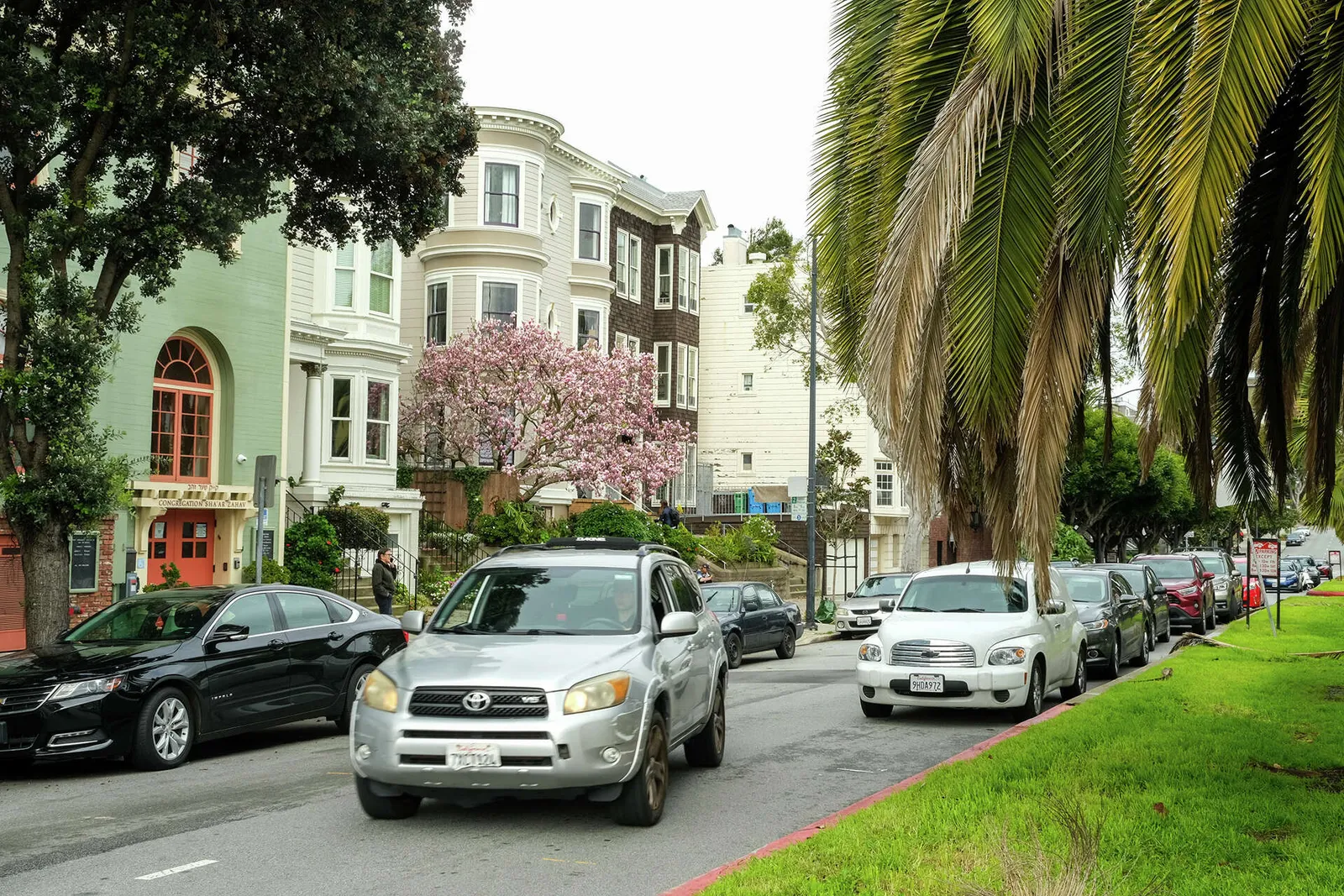
Parking Policies: Lease Rules Every Renter Should Understand
When reviewing a lease agreement, it's easy to focus on rent, utilities, and security deposits while overlooking the parking section. However, parking policies can have a significant impact on your daily convenience and may even result in unexpected fines or towing if they are ignored.
Whether you rent an apartment, townhouse, or single-family home, understanding the property's parking rules before moving in can help you avoid misunderstandings and ensure that your vehicle complies with community requirements.
Why Parking Policies Matter
Many rental communities have limited parking available, making clear parking rules essential for residents and their guests.
Your lease or community rules may explain:
Where tenants are allowed to park
How guest parking works
Whether vehicles must be registered
What types of vehicles are permitted
When vehicles may be towed
Reviewing these policies before signing the lease can save you time, money, and frustration later.
Assigned Parking Spaces
Some rental properties provide assigned parking spaces for each unit.
If your property offers assigned parking, your lease should specify:
Your designated parking space number
Whether multiple vehicles are allowed
Rules for using reserved spaces
Procedures for requesting an additional parking space
Parking in another resident's assigned space may result in warnings, fines, or towing, depending on the property's policies.
Guest Parking
If you frequently have visitors, review the guest parking rules carefully.
Your lease or community guidelines may explain:
Where guests may park
Time limits for guest parking
Whether guest permits are required
Overnight parking rules
Restrictions during holidays or special events
Sharing these rules with your visitors can help prevent parking violations.
Vehicle Registration Requirements
Many apartment communities require tenants to register their vehicles with the property management office.
Registration may include:
Vehicle make and model
License plate number
Parking permit information
Resident contact details
Keeping your vehicle registration current helps management identify authorized vehicles and can reduce the risk of accidental towing.
Towing Policies
One of the most important sections of the parking policy explains when vehicles may be towed.
Common reasons for towing include:
Parking in unauthorized spaces
Blocking driveways or fire lanes
Parking without the required permit
Parking in accessible spaces without authorization
Abandoned or inoperable vehicles
Expired vehicle registration or license plates, if prohibited by the lease or community rules
Understanding the towing policy can help you avoid expensive towing and storage fees.
Commercial Vehicle Restrictions
Some residential communities restrict or prohibit commercial vehicles.
Depending on the lease, restrictions may apply to:
Company-branded vehicles
Large work trucks
Trailers
Recreational vehicles (RVs)
Boats
Commercial equipment
If you drive a work vehicle, ask your landlord or property manager whether it is permitted before signing the lease.
Temporary Parking Rules
Some communities have additional rules for temporary situations, including:
Moving trucks
Delivery vehicles
Contractors
Maintenance service vehicles
Knowing these policies ahead of time can make move-in day and future service appointments much easier.
Follow Community Parking Signs
In addition to your lease, always pay attention to posted parking signs throughout the property.
These signs may identify:
Fire lanes
Reserved spaces
Visitor parking areas
Loading zones
Time-restricted parking
Accessible parking requirements
Ignoring posted signs can result in fines or towing even if the lease does not specifically mention every restriction.
Ask Questions Before Signing
If the parking section of your lease is unclear, ask your landlord or property manager for clarification.
Helpful questions include:
Is parking included in the rent?
Is my parking space assigned or unassigned?
Are guest parking permits required?
What vehicles are prohibited?
Under what circumstances can a vehicle be towed?
Getting clear answers before moving in can help prevent costly surprises later.
Parking policies are an important part of every lease agreement, yet they are often overlooked by renters. Before signing, review the rules regarding assigned parking spaces, guest parking, vehicle registration requirements, towing policies, and commercial vehicle restrictions.
Understanding these policies will help you park legally, avoid unnecessary fines or towing, and enjoy a smoother rental experience throughout your lease.

HOA and Community Rules: What Renters Need to Know Before Moving In
Renting a home or condominium in a homeowners association (HOA) community often comes with benefits such as well-maintained amenities, landscaped common areas, and neighborhood standards. However, these communities also have rules that residents—including tenants—are expected to follow.
If your rental property is located within an HOA, your lease may require you to comply not only with the lease agreement but also with the association's governing rules and regulations. Understanding these requirements before you move in can help you avoid unnecessary fines, conflicts, and lease violations.
What Is an HOA?
A homeowners association is an organization that manages and maintains a residential community. HOAs establish rules intended to preserve the appearance, safety, and quality of life within the neighborhood.
Although the property owner is typically the HOA member, tenants are often required to follow the same community rules through the terms of their lease.
Before signing your lease, ask whether the property is part of an HOA and request a copy of any rules that apply to tenants.
Why HOA Rules Matter
Your lease may include a clause stating that you agree to comply with all HOA regulations during your tenancy.
These rules are designed to promote:
A clean and attractive community
Safe use of shared amenities
Respect for neighbors
Consistent property maintenance
Orderly parking and common area use
Failure to follow HOA rules may result in warnings, fines, or other enforcement actions, depending on the governing documents and your lease agreement.
Trash Collection Schedules
Many HOA communities have detailed rules regarding trash and recycling.
These may include:
Designated collection days
Approved times for placing bins at the curb
Requirements for storing trash containers
Recycling procedures
Bulk trash collection policies
Following these schedules helps keep the neighborhood clean and may prevent violations.
Exterior Decorations
HOAs often regulate the appearance of homes and outdoor spaces.
Rules may address:
Seasonal or holiday decorations
Flags and banners
Outdoor furniture
Decorative lighting
Balcony or patio displays
Some communities place limits on how long decorations may remain outside after holidays.
If you plan to decorate your rental, review the HOA guidelines first.
Pool Access
If the community has a swimming pool or other recreational facilities, the HOA typically establishes rules for their use.
These may include:
Pool operating hours
Guest limits
Safety requirements
Food and beverage restrictions
Proper attire
Supervision of children
Following these rules helps ensure that amenities remain safe and enjoyable for all residents.
Quiet Hours
Many HOA communities establish quiet hours to reduce noise during evenings and overnight periods.
Quiet hour policies may apply to:
Music and television volume
Parties and gatherings
Outdoor activities
Construction or repair work
Being mindful of these rules helps maintain a peaceful living environment and reduces the likelihood of neighbor complaints.
Landscaping Responsibilities
If you rent a single-family home or townhouse, your lease or HOA rules may assign certain landscaping responsibilities.
These may include:
Lawn mowing
Watering plants
Weed control
Maintaining flower beds
Keeping sidewalks clear
In other communities, landscaping is handled entirely by the HOA. Your lease should explain who is responsible for routine yard maintenance.
Parking Regulations
Parking is one of the most commonly enforced HOA rules.
Community regulations may cover:
Assigned parking spaces
Guest parking
Parking permits
Commercial vehicle restrictions
Recreational vehicle or boat parking
Overnight street parking
Violating parking rules can result in warnings, towing, or fines, depending on the community's policies.
Amenity Use
HOA communities often provide shared amenities such as:
Fitness centers
Clubhouses
Tennis or pickleball courts
Playgrounds
Walking trails
Community meeting rooms
Rules may govern:
Hours of operation
Guest access
Reservation procedures
Capacity limits
Appropriate conduct
Understanding these policies helps you enjoy the amenities while respecting other residents.
Ask for HOA Documents Before Signing
Before committing to a rental in an HOA community, ask your landlord or property manager for copies of any rules that apply to tenants.
Review the documents carefully so you understand your responsibilities and can decide whether the community's requirements fit your lifestyle.
Living in an HOA community offers many advantages, but it also comes with additional responsibilities. If your lease requires compliance with HOA rules, take the time to understand policies regarding trash collection schedules, exterior decorations, pool access, quiet hours, landscaping, parking, and amenity use.
Violating HOA rules can sometimes result in fines or other enforcement actions that may ultimately affect tenants. By reviewing both your lease and the community's governing rules before moving in, you can avoid surprises and enjoy a smoother rental experience.
Sources
Consumer Financial Protection Bureau. Renting a Home: Understanding Your Lease and Rental Responsibilities.
Nolo. Residential Lease Agreements and Late Rent Fees.
U.S. Department of Housing and Urban Development. Tenant Rights, Responsibilities, and Rental Guidance.
U.S. Department of Housing and Urban Development (HUD). Rental Assistance and Tenant Rights: https://www.hud.gov/
Consumer Financial Protection Bureau. Renting and Tenant Resources: https://www.consumerfinance.gov/
Nolo. Residential Lease and Rental Agreement Guidance: https://www.nolo.com/
U.S. Department of Housing and Urban Development (HUD). Tenant Rights and Responsibilities: https://www.hud.gov/
Consumer Financial Protection Bureau. Resources for Renters: https://www.consumerfinance.gov/
Nolo. Security Deposits and Landlord-Tenant Law: https://www.nolo.com/
U.S. Department of Housing and Urban Development (HUD). Tenant Rights, Responsibilities, and Property Maintenance: https://www.hud.gov/
Consumer Financial Protection Bureau. Renting a Home: Understanding Your Lease: https://www.consumerfinance.gov/
Nolo. Landlord and Tenant Repair Responsibilities: https://www.nolo.com/
U.S. Department of Housing and Urban Development (HUD). Renting and Tenant Resources: https://www.hud.gov/
Consumer Financial Protection Bureau. Resources for Renters and Housing Costs: https://www.consumerfinance.gov/
Nolo. Residential Lease Agreements and Utility Responsibilities: https://www.nolo.com/
U.S. Department of Housing and Urban Development (HUD). Information for Renters and Fair Housing: https://www.hud.gov/
Consumer Financial Protection Bureau. Renting a Home: Understanding Lease Terms: https://www.consumerfinance.gov/
Nolo. Pet Policies in Residential Leases: https://www.nolo.com/
U.S. Department of Housing and Urban Development (HUD). Information for Renters and Property Maintenance: https://www.hud.gov/
Consumer Financial Protection Bureau. Resources for Renters: https://www.consumerfinance.gov/
Nolo. Landlord Repair Obligations and Tenant Rights: https://www.nolo.com/
U.S. Department of Housing and Urban Development (HUD). Tenant Rights and Responsibilities: https://www.hud.gov/
Consumer Financial Protection Bureau. Renting a Home and Understanding Lease Agreements: https://www.consumerfinance.gov/
Nolo. Landlord's Right of Entry and Tenant Privacy: https://www.nolo.com/
U.S. Department of Housing and Urban Development. Rental Housing and Tenant Resources: https://www.hud.gov/
Consumer Financial Protection Bureau. Renting a Home and Understanding Lease Agreements: https://www.consumerfinance.gov/
U.S. Department of Justice. Servicemembers Civil Relief Act (SCRA): https://www.justice.gov/servicemembers
Nolo. Breaking a Lease: Tenant Rights and Responsibilities: https://www.nolo.com/
U.S. Department of Housing and Urban Development. Rental Housing and Tenant Rights: https://www.hud.gov/
Consumer Financial Protection Bureau. Renting a Home: Understanding Lease Agreements: https://www.consumerfinance.gov/
Nolo. Occupancy Limits and Residential Lease Agreements: https://www.nolo.com/
U.S. Department of Housing and Urban Development. Rental Housing and Tenant Resources: https://www.hud.gov/
Consumer Financial Protection Bureau. Resources for Renters and Lease Agreements: https://www.consumerfinance.gov/
Nolo. Residential Lease Terms and Tenant Responsibilities: https://www.nolo.com/
U.S. Department of Housing and Urban Development. Rental Housing and Tenant Resources: https://www.hud.gov/
Consumer Financial Protection Bureau. Renting a Home: Understanding Your Financial Responsibilities: https://www.consumerfinance.gov/
Insurance Information Institute. Renters Insurance Overview: https://www.iii.org/
Nolo. Renters Insurance and Residential Lease Agreements: https://www.nolo.com/
U.S. Department of Housing and Urban Development. Rental Housing and Tenant Resources: https://www.hud.gov/
Consumer Financial Protection Bureau. Resources for Renters and Lease Agreements: https://www.consumerfinance.gov/
Nolo. Residential Lease Agreements and Tenant Responsibilities: https://www.nolo.com/
U.S. Department of Housing and Urban Development. Rental Housing and Tenant Resources: https://www.hud.gov/
Community Associations Institute. Homeowners Associations and Community Living Resources: https://www.caionline.org/
Consumer Financial Protection Bureau. Resources for Renters: https://www.consumerfinance.gov/
Nolo. Lease Agreements and HOA Rules for Renters: https://www.nolo.com/
U.S. Department of Housing and Urban Development (HUD) – Rental Housing Resources
Consumer Financial Protection Bureau (CFPB) – Renting a Home