Hurricane Season and Your Rental Home: What Tenants Should Know and What Owners Should Promise
Hurricane season is a reality for anyone living in coastal or storm-prone areas—especially in Florida. For renters and property owners alike, understanding responsibilities before a storm hits can prevent confusion, conflict, and costly mistakes. Clear expectations, proactive planning, and transparent communication are essential to protecting both people and property.
This guide outlines what tenants should know and what rental property owners should promise when hurricane season arrives.
Understanding Hurricane Season Basics
Living in Florida means enjoying warm weather, coastal beauty, and vibrant communities—but it also means preparing for hurricane season each year. Understanding the basics of hurricane season is essential for renters and property owners alike, especially when it comes to safety, property protection, and shared responsibilities.
When Is Hurricane Season?
In Florida, hurricane season officially runs from June 1 through November 30. While storms can occur outside these dates, the majority of hurricane activity happens within this window. Historically, the peak months are August through October, when ocean temperatures are warmest and atmospheric conditions are most favorable for storm development.
During peak season, storms can intensify rapidly, leaving little time for last-minute preparation. This makes early planning especially important for anyone living in a rental property.
Common Impacts of Hurricanes on Rental Homes
Hurricanes can affect rental housing in several ways, even if a property is not directly hit by a major storm. Common impacts include:
High winds that can damage roofs, windows, fences, and outdoor structures
Flooding from storm surge or heavy rainfall, especially in low-lying or coastal areas
Power outages that may last hours or days, affecting air conditioning, refrigeration, and internet access
Water damage from leaks, roof failures, or broken windows
Temporary evacuations ordered by local authorities for safety reasons
Even well-maintained homes can experience disruptions, which is why preparation and communication are critical.
Shared Responsibility: Tenants and Property Owners
Hurricane preparedness is not optional—it is a shared responsibility shaped by lease agreements, Florida law, and practical safety considerations.
Property owners are generally responsible for maintaining the structural integrity of the home, ensuring it meets habitability standards, and addressing storm-related repairs once conditions are safe.
Tenants are typically responsible for personal safety, protecting their belongings, following evacuation orders, and taking reasonable steps to secure the interior of the home (such as moving items away from windows).
Lease agreements often outline specific responsibilities related to storm preparation, emergency repairs, and insurance requirements. Reviewing these terms before hurricane season begins helps avoid confusion and stress when a storm approaches.
Why Early Preparation Matters
Because hurricanes can form and change paths quickly, waiting until a storm is announced may be too late. Early preparation allows renters and owners to:
Understand evacuation zones and emergency plans
Review insurance coverage, including renters insurance and flood insurance
Secure outdoor items and document property conditions
Establish clear communication plans before, during, and after a storm
Being informed and prepared helps protect not just the property, but also the safety and peace of mind of everyone involved.
What Tenants Should Know
Renters Insurance Is Essential
For tenants living in Florida, renters insurance is not just a smart financial decision—it is a critical part of hurricane preparedness. While landlords are responsible for maintaining the structure of a rental property, they are generally not responsible for damage to a tenant’s personal belongings caused by hurricanes or severe storms.
This means that without renters insurance, tenants may have to replace damaged or destroyed items out of pocket.
What Renters Insurance Typically Covers
A standard renters insurance policy can provide important protections during and after a hurricane, including:
Personal property coverage, which helps replace belongings such as furniture, clothing, electronics, and household items damaged by wind or rain
Additional living expenses (ALE) coverage, which can help pay for hotel stays, meals, or temporary housing if the rental unit becomes uninhabitable due to storm damage
Liability protection, which may apply in certain situations if someone is injured in the rental or if the tenant accidentally causes damage to others’ property
These protections can significantly reduce financial stress during an already challenging time.
Review Coverage Carefully
Not all renters insurance policies are the same. Tenants should carefully review their policy to confirm that windstorm and hurricane-related damage is included, as coverage can vary by insurer and location. In some cases, separate deductibles or exclusions may apply, particularly in coastal or high-risk areas.
It’s also important to note that flood damage is typically not covered under standard renters insurance policies and may require a separate flood insurance policy through the National Flood Insurance Program (NFIP) or a private insurer.
Preparing Before Storm Season
Tenants should secure renters insurance before hurricane season begins, not when a storm is approaching. Policies may have waiting periods, and insurers may restrict new coverage when a named storm is active.
Taking time to understand coverage now helps ensure protection when it matters most.
2. Know the Evacuation Plan
During hurricane season, understanding evacuation procedures can be a matter of personal safety. Tenants play a key role in preparing themselves for possible evacuations, especially in high-risk areas of Florida where storms can escalate quickly.
Know Your Evacuation and Flood Zone
Tenants should determine whether their rental property is located in a designated evacuation zone or flood zone. These zones are established by local emergency management authorities and are based on factors such as storm surge risk, elevation, and proximity to the coast or waterways.
Knowing your zone ahead of time helps you respond quickly and confidently when evacuation orders are issued.
Understand Routes and Shelter Options
Every tenant should be familiar with:
Local evacuation routes, including primary and alternate paths
Public shelter locations, including pet-friendly shelters if applicable
Transportation plans, especially for those without personal vehicles
Local emergency management offices regularly update this information, and tenants are encouraged to review it at the start of each hurricane season.
Follow Official Evacuation Orders
When local or state authorities issue an evacuation order, tenants should comply promptly. These orders are issued to protect life and safety, not property. Delaying evacuation increases the risk of injury, limited access to emergency services, and dangerous travel conditions.
Landlords cannot require tenants to remain in a rental property during an evacuation, nor can they prevent tenants from leaving when an official order is in place. Additionally, landlords are generally not responsible for injuries or losses that occur if a tenant chooses to ignore official evacuation warnings.
Preparation Reduces Risk
Having a clear evacuation plan before a storm forms helps tenants act quickly and reduces confusion during stressful situations. Preparation empowers tenants to make safe decisions when time and resources are limited.

3. Document the Condition of the Home
Proper documentation is one of the most effective—and often overlooked—steps tenants can take to protect themselves before hurricane season begins. Creating a clear record of a rental home’s condition helps establish accountability and can prevent disputes if storm-related damage occurs.
Create Visual Records Before Storm Season
Before hurricane season starts, tenants should:
Take dated photos or videos of the unit’s interior and exterior, including walls, ceilings, floors, windows, doors, appliances, and outdoor areas
Capture any existing wear, stains, cracks, or water marks to show pre-storm conditions
Store copies securely in cloud storage or an email account so they remain accessible even if devices are damaged
Visual documentation provides a clear baseline if questions arise about whether damage was pre-existing or storm-related.
Report Maintenance Issues Early
Tenants should promptly notify the landlord or property manager of any maintenance concerns that could worsen during a storm, such as:
Roof leaks or ceiling stains
Loose or damaged shutters and window seals
Poor drainage, standing water, or clogged gutters
Reporting these issues early gives the landlord an opportunity to make repairs before a storm hits and demonstrates that the tenant acted responsibly.
Why Documentation Matters
Clear documentation helps:
Support insurance claims
Reduce disagreements over security deposits
Clarify responsibility for repairs after a storm
Protect both tenants and property owners
In the event of hurricane damage, having proof of the home’s condition before the storm can save time, stress, and financial uncertainty.
4. Understand Rent Obligations After a Storm
After a hurricane or severe storm, one of the most common questions tenants have is whether rent is still owed. The answer depends largely on whether the rental unit remains habitable under Florida law.
When a Rental Becomes Uninhabitable
If storm damage renders a rental unit uninhabitable, Florida law may allow tenants to take specific actions. In general, tenants may have the right to:
Terminate the lease, if the damage is substantial and the unit cannot be safely occupied
Withhold rent, while the landlord completes necessary repairs to restore habitability
Habitability typically refers to basic living conditions, such as protection from the elements, functioning utilities, safe structural integrity, and sanitary facilities. Tenants should provide written notice to the landlord and follow legal procedures outlined in Florida statutes before taking action.
When Rent Is Still Due
If the rental unit remains livable, rent is generally still due—even if there are temporary disruptions. Common examples include:
Short-term power outages
Limited water service caused by municipal issues
Delayed internet or cable access
These disruptions, while inconvenient, do not automatically make a unit uninhabitable under Florida law.
Communicate and Document
After a storm, tenants should:
Communicate promptly with the landlord about damage
Document conditions with photos or videos
Review the lease for clauses addressing disasters or repairs
Clear communication helps both parties understand expectations and avoid unnecessary disputes during recovery.
Know Your Rights Before Withholding Rent
Tenants should never stop paying rent without understanding the legal process. Improperly withholding rent can lead to eviction or lease violations. When in doubt, tenants may wish to seek guidance from a local housing authority or legal aid organization.
What Owners Should Promise
1. A Structurally Safe Property
One of the most important promises a property owner makes to tenants—especially during hurricane season—is providing a structurally safe and habitable home. Florida law requires rental properties to meet basic safety and maintenance standards at all times, regardless of weather conditions.
Owner Responsibilities for Structural Safety
Property owners are responsible for maintaining key structural elements of the rental, including:
Roof integrity, ensuring the roof is sound, watertight, and free of known leaks
Windows and doors, which must close securely and protect the interior from wind and rain
Storm shutters, if they are provided as part of the rental, ensuring they are functional and properly maintained
Proper drainage and exterior maintenance, such as gutters, grading, and landscaping that help reduce flooding and water intrusion
Neglecting these elements can increase the risk of damage during a storm and may expose tenants to unsafe living conditions.
Habitability Standards Still Apply
Even during hurricane season, a rental property must meet basic habitability standards. This means the home should provide reasonable protection from the elements and remain structurally sound before a storm occurs. While property owners are not expected to prevent all storm damage, they are expected to address known issues and perform routine maintenance that reduces foreseeable risk.
Why This Matters During Hurricane Season
Proactive maintenance helps:
Protect tenant safety
Reduce the severity of storm-related damage
Support faster recovery and repairs after a storm
Minimize disputes between tenants and owners
Providing a structurally safe property is not only a legal obligation—it is a practical and ethical responsibility that benefits everyone involved.
2. Clear Communication Before and After Storms
Clear and timely communication is one of the most important responsibilities landlords have during hurricane season. Before, during, and after a storm, tenants rely on accurate information to make safe decisions and plan next steps. A lack of communication can quickly lead to confusion, frustration, and increased legal risk.
Communication Before a Storm
Before a storm approaches, landlords should:
Share emergency contact information, including after-hours phone numbers or property management contacts
Provide clear instructions for securing the property, such as using storm shutters, moving outdoor items, or adjusting thermostats if applicable
Explain expectations in advance, especially if the lease includes storm-related procedures or access requirements
Proactive communication helps tenants act quickly and reduces uncertainty during stressful situations.
Communication After a Storm
Once conditions are safe, landlords should:
Check in with tenants regarding property conditions and safety concerns
Communicate repair timelines, even if exact dates are not yet known
Explain next steps, including inspections, temporary repairs, or insurance assessments
Regular updates—even brief ones—help maintain trust and demonstrate good-faith efforts to restore the property.
Why Silence Creates Risk
When landlords go silent during emergencies, tenants may feel abandoned or unsure how to proceed. This can lead to:
Escalated disputes
Delayed reporting of damage
Claims of negligence or bad faith
Increased legal exposure under landlord-tenant laws
Consistent communication protects both tenants and property owners by setting expectations and documenting responsible action.
3. Timely Repairs After Damage
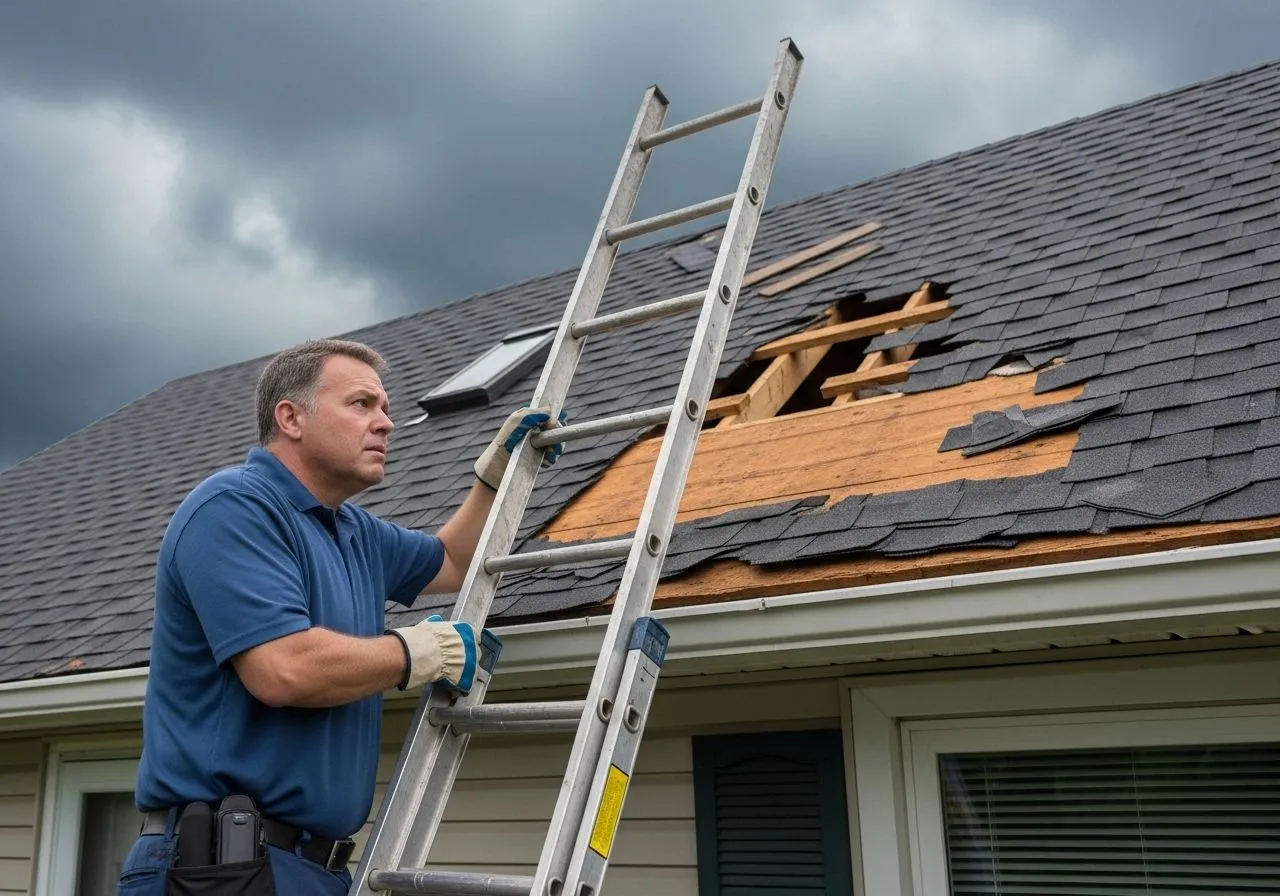
After a hurricane or severe storm, timely repairs are essential to protect tenant safety and meet legal obligations. While some delays may be unavoidable due to weather conditions or labor shortages, property owners are still required to act promptly and in good faith once it is safe to do so.
Prompt Assessment of Storm Damage
Property owners should begin by:
Assessing storm damage as soon as conditions allow
Documenting affected areas for insurance and repair planning
Communicating findings to tenants clearly and transparently
Early assessments help identify urgent issues and prevent minor damage from becoming more severe.
Address Safety Hazards First
Owners must prioritize repairs that impact health and safety, such as:
Roof leaks and structural damage
Broken windows or doors
Electrical hazards or exposed wiring
Mold risks caused by water intrusion
Addressing safety hazards quickly is a key component of maintaining a habitable rental under Florida law.
Restore Habitability
Beyond emergency fixes, owners are responsible for restoring the rental to a habitable condition within a reasonable timeframe. This includes essential services such as weather protection, sanitation, and safe living conditions. While cosmetic repairs may take longer, habitability-related issues should be resolved as a priority.
Consequences of Delayed Repairs
If an owner fails to act within a reasonable time, tenants may have legal options under certain circumstances, which can include:
Lease termination, if the unit remains uninhabitable
Rent reductions or withholding, following proper legal notice and procedures
These remedies exist to ensure tenants are not forced to live in unsafe or unsuitable conditions.
4. Transparency About Insurance and Responsibilities
Clear communication about insurance coverage and responsibilities is essential during hurricane season. While landlords typically insure the structure of the rental property, misunderstandings about what is covered—and what is not—can quickly lead to conflict after a storm. Transparency helps set expectations, protects both parties, and supports a smoother recovery process.
Explain What Landlord Insurance Covers
Landlords should clearly explain to tenants what their property insurance generally covers, such as:
Damage to the building structure, including roofs, walls, and fixed systems
Certain storm-related repairs, depending on policy terms
It is equally important to explain what landlord insurance does not cover, which typically includes tenant personal belongings and, in many cases, flood damage unless separately insured.
Clarify Tenant Insurance Responsibilities
Tenants should be informed that they are responsible for insuring their own belongings through renters insurance. Landlords should clearly communicate:
The expectation that tenants carry renters insurance
That personal property, temporary housing costs, and liability coverage fall under the tenant’s policy
Whether flood insurance is recommended or required based on the property’s location
This clarity helps tenants make informed decisions before hurricane season begins.
Outline the Claims and Repair Process
Landlords should also explain how insurance claims and repairs will be handled after a storm, including:
How and when damage should be reported
The general timeline for inspections and insurance adjusters
How repair priorities will be determined
While exact timelines may not always be predictable, outlining the process in advance reduces confusion and frustration.
Why Transparency Matters
Clear communication builds trust and reduces the likelihood of post-storm disputes over responsibility, delays, or coverage gaps. When tenants understand their role and limitations, recovery tends to be faster and more cooperative for everyone involved.
Shared Responsibility: Preparation Is Key
The most successful rental relationships during hurricane season are built before the first storm forms. Hurricanes may be unpredictable, but the way tenants and property owners prepare for them does not have to be.
Planning Ahead Reduces Risk and Stress
When hurricane season approaches, preparation is one of the most effective ways to reduce both physical risk and emotional stress for property owners and tenants. Many of the most challenging situations during severe weather arise not from the storm itself, but from uncertainty—about responsibilities, coverage, and next steps. Planning ahead helps eliminate that uncertainty.
Preparation should begin with a thorough review of the lease agreement. The lease is more than a formality; it is the primary document that defines who is responsible for maintenance, repairs, evacuation decisions, and emergency procedures. Clear and detailed lease terms can prevent confusion when time-sensitive decisions are required, such as securing the property, reporting damage, or temporarily relocating. When expectations are clearly outlined in advance, both landlords and tenants can act quickly and confidently during a storm.
Insurance planning is equally important. Property owners should confirm that their insurance adequately covers the structure, including wind and hurricane-related damage where applicable. Understanding deductibles, exclusions, and claim procedures ahead of time can significantly speed up recovery after a storm. Tenants, meanwhile, should ensure their renters insurance is active and suitable for hurricane risks. Renters insurance typically covers personal belongings and may include additional living expenses if the rental becomes temporarily uninhabitable—but it does not cover the building itself.
Knowing what is—and is not—covered by insurance allows both parties to plan realistically. Tenants can decide how to protect valuable belongings and prepare financially, while owners can plan for repairs and downtime. Open communication about insurance coverage and lease responsibilities fosters cooperation and reduces disputes during an already stressful time.
Hurricanes may be unpredictable, but preparation does not have to be. By reviewing lease agreements, confirming insurance coverage, and setting expectations well before a storm forms, both landlords and tenants can protect themselves, their property, and their peace of mind.
Communication Sets Expectations
Clear communication between property owners and tenants is one of the most overlooked—but most valuable—forms of hurricane preparation. While lease agreements define legal responsibilities, open and proactive discussions help translate those terms into real-world action when severe weather threatens.
Before hurricane season begins, both parties should discuss emergency expectations in detail. This includes how communication will take place during a storm or power outage, such as preferred phone numbers, email addresses, or messaging platforms. Knowing how and when to reach one another reduces confusion at critical moments and ensures important updates are not missed.
Access to the property is another key topic. Tenants should understand when and how landlords may need access for inspections, emergency assessments, or temporary repairs after a storm. Likewise, owners should clearly explain procedures for reporting damage and what steps tenants should take to protect the property if it is safe to do so. Addressing these details in advance helps avoid delays and misunderstandings during recovery.
Post-storm timelines should also be discussed openly. Repairs after a hurricane may take longer than usual due to contractor shortages, material delays, or widespread damage in the area. Setting realistic expectations about inspections, insurance claims, and repair schedules can reduce frustration and build trust during a stressful period.
When communication happens early and often, responses during emergencies tend to be faster and more cooperative. Tenants feel informed and supported, while landlords benefit from smoother coordination and fewer disputes. In hurricane-prone areas, strong communication is not just helpful—it is a critical part of responsible property management.
When both sides prepare in advance, recovery is smoother, disputes are fewer, and safety remains the top priority.
Preparation Makes the Difference
Severe weather is an unavoidable part of life in Florida—but unnecessary stress, confusion, and conflict are not. Thoughtful preparation transforms uncertainty into readiness and helps ensure that when storms arrive, everyone knows what to do next.
Sources
National Oceanic and Atmospheric Administration (NOAA), National Hurricane Center
Florida Division of Emergency Management (FDEM)
Federal Emergency Management Agency (FEMA), Hurricane Preparedness Resources
Florida Office of Insurance Regulation
National Association of Insurance Commissioners (NAIC)
Federal Emergency Management Agency (FEMA) – Renters Insurance and Flood Coverage
Florida Division of Emergency Management (FDEM)
Federal Emergency Management Agency (FEMA) – Evacuation Guidelines
National Hurricane Center (NOAA)
Federal Emergency Management Agency (FEMA) – Disaster Preparedness and Recovery
Florida Department of Agriculture and Consumer Services – Tenant and Landlord Rights
Insurance Information Institute (III)
Florida Statutes §83.56 – Termination of Rental Agreement
Florida Statutes §83.63 – Casualty Damage
Florida Department of Agriculture and Consumer Services – Landlord/Tenant Law
Florida Statutes §83.51 – Landlord’s Obligation to Maintain Premises
Florida Department of Agriculture and Consumer Services – Landlord/Tenant Law
Florida Division of Emergency Management (FDEM)
Florida Statutes §83.51 – Landlord’s Obligation to Maintain Premises
Florida Department of Agriculture and Consumer Services – Landlord/Tenant Law
Federal Emergency Management Agency (FEMA) – Disaster Response Best Practices
Florida Statutes §83.51 – Landlord’s Obligation to Maintain Premises
Florida Statutes §83.56 – Tenant Remedies for Landlord Noncompliance
Florida Department of Agriculture and Consumer Services – Landlord/Tenant Law
Florida Office of Insurance Regulation
National Association of Insurance Commissioners (NAIC)
Florida Statutes §83.51 – Landlord’s Obligation to Maintain Premises
Federal Emergency Management Agency (FEMA) – Hurricane Preparedness and Recovery Guidancehttps://www.fema.gov
Florida Office of Insurance Regulation – Homeowners and Renters Insurance Resourceshttps://www.floir.com
Florida Statutes, Chapter 83 – Florida Residential Landlord and Tenant Acthttps://www.leg.state.fl.us