How to Maintain a Rental Property Garden in Florida’s Climate
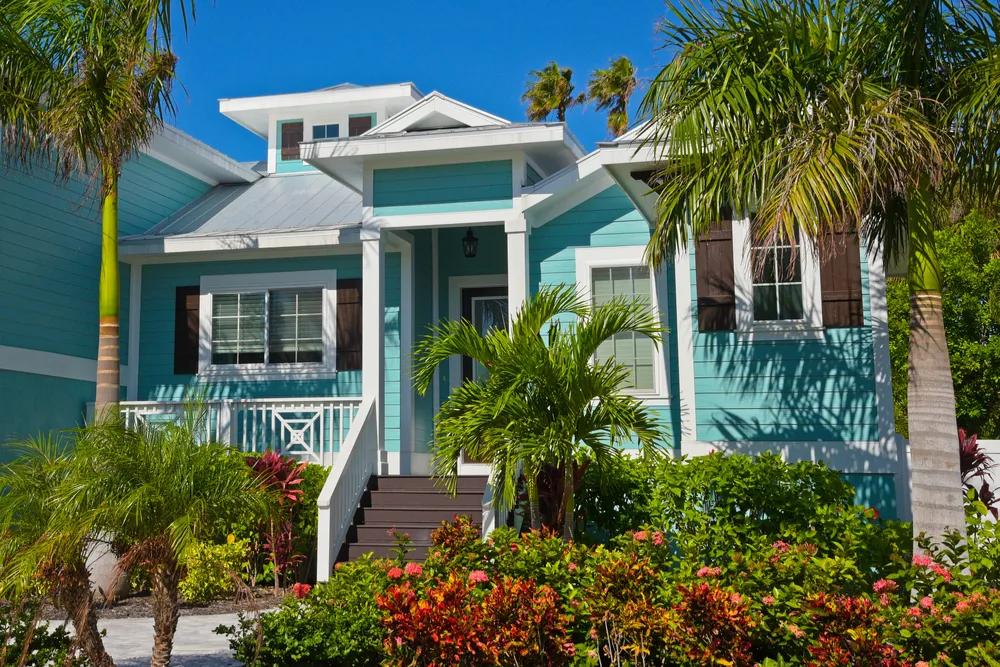
Florida’s lush, subtropical environment is perfect for vibrant, year-round gardens—but maintaining one on a rental property requires a careful balance of beauty, durability, and low-maintenance solutions. With high humidity, intense sun, seasonal storms, and varying soil conditions, successful landscaping in the Sunshine State depends on smart choices and sustainable practices.
Whether you’re a landlord looking to boost curb appeal or a tenant responsible for upkeep, here’s how to create and maintain a thriving garden that suits Florida’s unique climate:
Choosing Florida-Friendly Plants for Low-Maintenance Rental Property Gardens
Maintaining a beautiful garden in Florida’s subtropical climate can be a challenge—especially for rental properties where ease of upkeep and durability are key. The solution? Florida-friendly plants.
These native and drought-tolerant species are specially adapted to thrive in the Sunshine State’s heat, humidity, and unpredictable weather. They require less water, fertilizer, and maintenance than traditional landscape choices—making them ideal for property owners and renters alike.
Here’s why Florida-friendly plants should be your go-to choice—and which ones to plant.
Why Florida-Friendly Plants Make Sense for Rentals
Florida’s native and well-adapted plants have evolved over centuries to thrive in local soil, survive dry spells, and resist common pests and diseases. This means:
Lower water bills
Minimal fertilizer needs
Fewer pest control issues
More sustainable landscaping
Increased curb appeal with less effort
These advantages translate into savings and peace of mind for landlords, plus less yard work for tenants.
Top Florida-Friendly Plants to Try
Here are six standout options for Florida rental properties that deliver big visual impact with minimal upkeep:
🌿 Coontie (Zamia integrifolia)
A tough, low-growing cycad native to Florida
Tolerates drought and sandy soils
Attractive palm-like fronds and great for shady spots
Excellent foundation or border plant
🔥 Firebush (Hamelia patens)
Fast-growing shrub with bright orange-red flowers
Attracts butterflies and hummingbirds
Thrives in sun or partial shade
Heat and drought-tolerant once established
🌾 Muhly Grass (Muhlenbergia capillaris)
Ornamental grass with feathery pink-purple plumes in fall
Drought-resistant and low-maintenance
Great in mass plantings or as an accent
Handles salty air and poor soil conditions
🌼 Blanket Flower (Gaillardia pulchella)
Colorful wildflower with red and yellow daisy-like blooms
Blooms nearly year-round in warm climates
Tolerates sandy soil and heat
Attracts pollinators and adds bright pops of color
🌳 Simpson’s Stopper (Myrcianthes fragrans)
Compact evergreen shrub or small tree
Fragrant white flowers and edible orange-red berries
Drought-tolerant and great for privacy screening
Native alternative to boxwoods or ligustrums
🌴 Sea Grape (Coccoloba uvifera)
Coastal favorite with round, leathery leaves and grape-like fruit
Tolerates salt, drought, and wind—ideal for beachside rentals
Can be pruned into a hedge or left to grow naturally
Unique texture and year-round appeal
Choosing the right plants is one of the simplest and most effective ways to boost your rental property's appearance while minimizing ongoing maintenance. Florida-friendly plants are more than just sustainable—they’re stylish, functional, and resilient.
By incorporating these native favorites into your landscape design, you’re creating a garden that thrives naturally in Florida’s climate while saving time, water, and money. It's a win for property owners and renters alike.
Implement Smart Irrigation
Efficient Watering Solutions for Florida Rental Properties
Watering a garden in Florida is a delicate balancing act. The state’s subtropical climate brings periods of heavy rain followed by unexpected dry spells—especially during the winter months. For landlords and tenants managing rental property gardens, improper watering can result in more than just wilted plants—it can lead to costly damage, pest issues, and landscape replacement.
That’s where smart irrigation comes in.
Why Smart Irrigation Matters
In Florida, overwatering can quickly lead to fungus, root rot, and pest infestations, while underwatering can stress or kill even native plants. For rental homes, the goal is to minimize manual upkeep while still maintaining a vibrant, healthy yard.
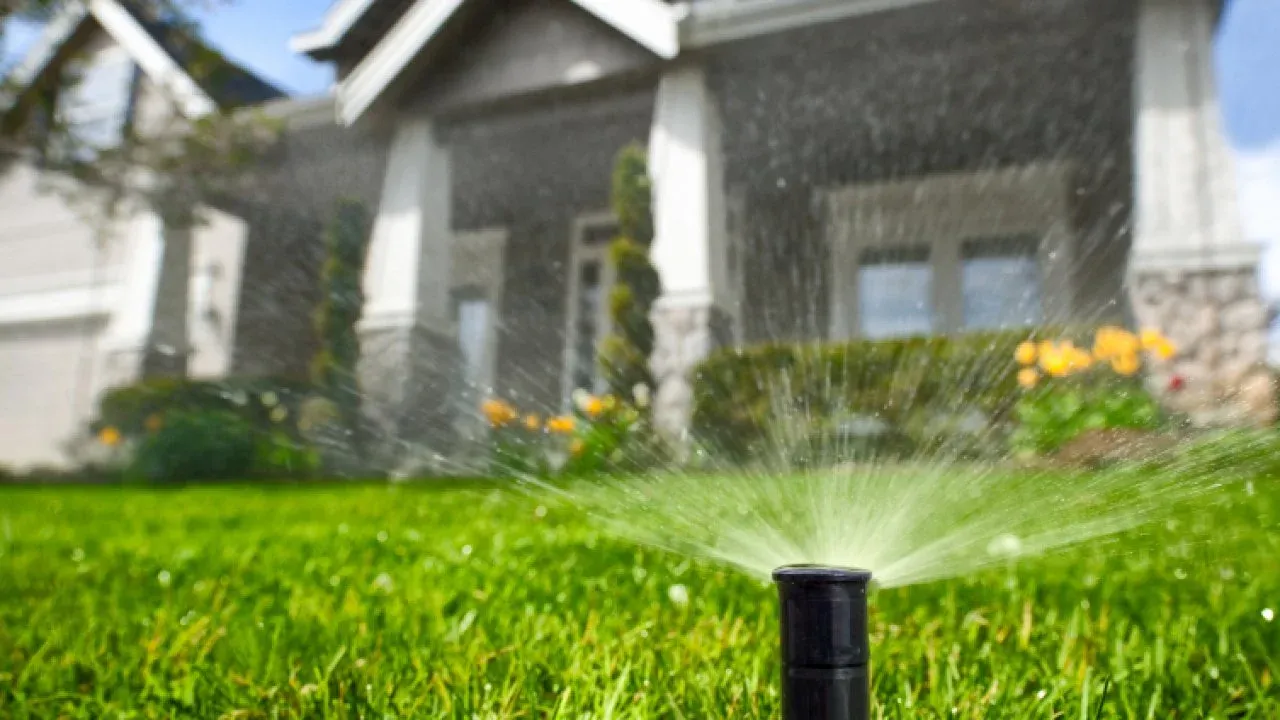
Smart irrigation systems do just that. They use technology to water landscapes only when needed—not on a timer, but based on actual conditions like rainfall, soil moisture, and temperature.
Smart Irrigation Tips for Florida Gardens
✅ Install Smart Irrigation Systems with Sensors Modern systems include rain sensors, soil moisture monitors, and weather-based controllers. These features ensure watering only occurs when necessary, reducing water waste and preventing over-saturation.
✅ Water Early in the MorningSet systems to irrigate between 4 a.m. and 9 a.m. when temperatures are cooler. This timing minimizes evaporation, reduces the risk of fungus, and ensures water reaches plant roots efficiently.
✅ Group Plants by Water Needs Design landscaping with hydrozones—groupings of plants with similar water requirements. This allows you to irrigate different areas more efficiently, giving thirsty plants what they need without drowning drought-tolerant species.
✅ Stay Compliant with Watering RestrictionsFlorida counties enforce strict seasonal watering restrictions to conserve water. Smart irrigation systems help you stay compliant by adjusting schedules automatically based on location and season.
Bonus Benefit: Lower Bills and Happier Tenants
Smart irrigation doesn’t just help the environment—it also saves money on utility bills and reduces maintenance calls from tenants reporting dying lawns or soggy soil. Plus, an attractive, well-kept yard enhances curb appeal and renter satisfaction.
Use Mulch to Conserve Moisture
An Easy Way to Boost Garden Health in Florida Rentals
In Florida’s hot and humid climate, maintaining a rental property garden can be a challenge—especially during seasonal dry spells and long summer heatwaves. One of the simplest and most effective strategies for supporting plant health and reducing maintenance needs is mulching.
Mulch acts as a protective layer for the soil, offering multiple benefits that both landlords and tenants will appreciate.
Why Mulch Matters
Whether you’re working with a low-maintenance native garden or a lush tropical landscape, mulch helps:
Conserve moisture by slowing evaporation from the soil
Regulate soil temperature, keeping roots cooler in the heat
Suppress weed growth, reducing competition for water and nutrients
Improve soil health over time as organic mulch decomposes
This is especially important in Florida, where sudden rain is often followed by long dry periods, and the sun can dry out soil in just hours.
Best Mulch Types for Florida Gardens
Not all mulch is created equal. For Florida rental properties, these mulch options are particularly effective and environmentally friendly:
🌲 Pine Bark – Long-lasting and widely available, pine bark is a great option for aesthetic and functional mulching.🌿 Eucalyptus Mulch – Grown in Florida and naturally insect-repellent, eucalyptus mulch has a pleasant scent and is sustainably sourced.🌴 Melaleuca Mulch – Made from invasive trees, this mulch helps support environmental management while delivering effective weed and moisture control.♻️ Recycled Yard Waste – If permitted by local ordinance, this eco-friendly option turns organic debris into garden gold.
How to Apply Mulch Properly
To get the most out of mulch:
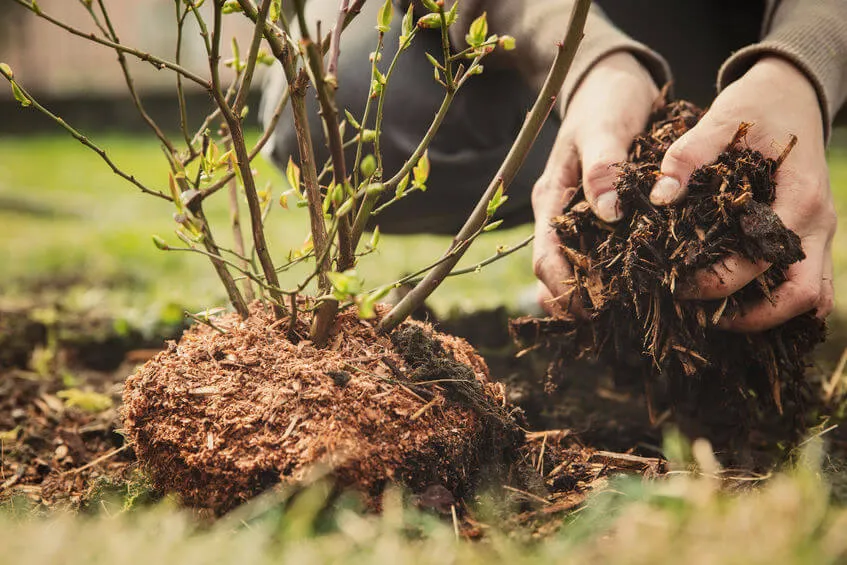
Apply 2 to 3 inches evenly across planting beds
Keep mulch a few inches away from plant stems or trunks to prevent moisture-related rot and pest problems
Refresh mulch once or twice a year as it decomposes or gets disturbed by weather
Regular mulching not only boosts curb appeal but also reduces ongoing watering and weeding needs—making it a smart move for busy property owners and tenants alike.
Plan for Storm Resilience
Smart Landscaping to Weather Florida’s Hurricane Season
Florida’s beauty comes with a price—hurricane season, which runs from June through November, brings heavy rain, strong winds, and the risk of severe property damage. For rental properties, storm-resilient landscaping is essential to protect tenants, minimize risk, and reduce costly post-storm cleanup.
Landlords and tenants alike can benefit from a yard that’s not just beautiful but also built to withstand extreme weather.
Storm-Smart Gardening Tips
A few proactive landscaping strategies can make a big difference when storm season hits:
🌴 Avoid Tall, Shallow-Rooted Trees Near Structures Trees like queen palms or silver buttonwood can become dangerous projectiles if uprooted in strong winds. Choose trees with deep root systems and keep them at a safe distance from buildings, driveways, and power lines.
🪴 Secure Outdoor Pots and Décor Heavy rain and hurricane-force winds can turn lightweight garden items into flying hazards. Anchor or bring inside all potted plants, garden gnomes, and patio furniture when a storm is approaching.
🌿 Use Wind-Tolerant Native Plants Plants like saw palmetto, yaupon holly, and dwarf firebush are naturally more resilient in Florida’s climate and can bounce back after high winds. Their low-growing, flexible forms make them less likely to become airborne or break apart.
✂️ Prune Regularly and Clean Up Debris Routine trimming keeps trees and shrubs in healthy form, reducing the chance of breakage. Remove dead limbs, fallen leaves, and yard debris frequently—especially as hurricane season approaches.
Why It Matters
A storm-resilient garden not only protects the property and its residents but also saves time and money in recovery efforts. These practices help preserve curb appeal, ensure tenant safety, and minimize insurance claims—making them a smart investment for Florida rental homes.
Low-Maintenance Landscaping is Key
Smart Garden Design for Effortless Curb Appeal in Florida Rentals
For landlords and tenants alike, the ideal Florida rental garden is beautiful, functional, and easy to maintain. With Florida’s intense sun, seasonal storms, and frequent watering restrictions, the more low-maintenance your landscaping is, the better.
Modern renters are looking for attractive outdoor spaces that don’t require constant upkeep—and smart design choices can deliver both style and simplicity.
Low-Effort Landscaping Ideas
🏡 Artificial Turf in High-Traffic AreasSynthetic grass has come a long way. It looks lush year-round, doesn’t require mowing, and holds up under foot traffic from kids, pets, and gatherings. It’s perfect for play areas, side yards, or under seating zones where natural grass may struggle to survive.
🪨 Hardscaping for Structure and StyleAdding stone pathways, gravel patios, or raised garden beds reduces the amount of lawn and plant space that needs regular watering or trimming. Hardscaping also adds curb appeal and provides tenants with defined outdoor areas for seating, grilling, or storage.
🪴 Container Gardens for FlexibilityPotted plants and container gardens allow tenants to personalize outdoor spaces without long-term planting or digging. They're easy to move, replace, and protect from storms, making them ideal for renters who want a garden feel without the maintenance burden.
Why It Works
Low-maintenance landscapes:
Reduce time and cost for landlords and property managers
Appeal to a wider range of tenants—including busy professionals and small families
Help maintain a clean, polished look throughout the year
Are more resilient to Florida’s weather extremes
These features show prospective renters that a property is designed with their lifestyle in mind, encouraging longer tenancies and better overall satisfaction.
Florida-Friendly Landscaping™: Sustainable Beauty for Every Florida Yard
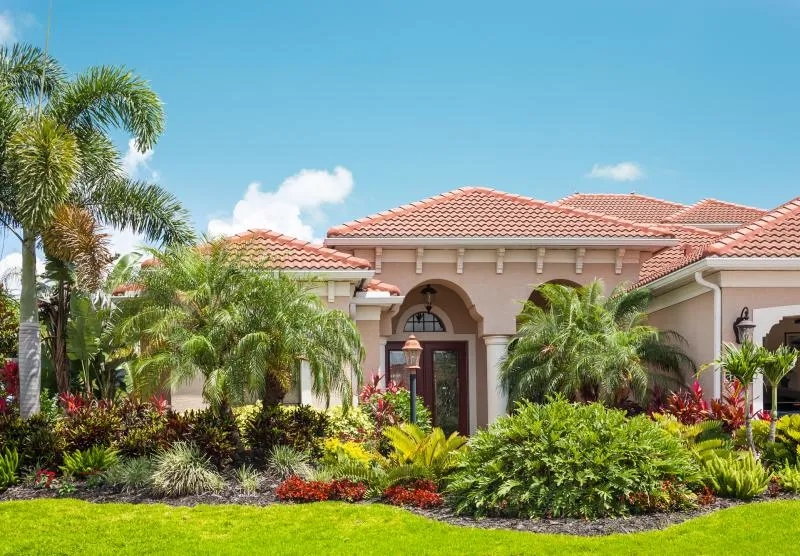
Florida’s unique climate—hot summers, rainy seasons, and sandy soils—requires thoughtful, sustainable landscaping strategies. That’s where the Florida-Friendly Landscaping™ (FFL) Program comes in. Developed by the University of Florida IFAS Extension, FFL is designed to help homeowners, renters, and property managers create beautiful, low-maintenance landscapes that protect natural resources and work with Florida’s environment—not against it.
What Is Florida-Friendly Landscaping™?
The FFL Program is a statewide initiative that promotes nine key principles of sustainable landscaping. These principles are aimed at conserving water, reducing pollution, and supporting local wildlife—while still keeping Florida yards functional and visually appealing.
The core principles include:
Right Plant, Right Place – Choosing plants suited to Florida’s climate and soil to reduce water and chemical use.
Water Efficiently – Encouraging smart irrigation practices to prevent waste.
Fertilize Appropriately – Minimizing runoff and pollution by fertilizing wisely.
Mulch – Using natural mulch to conserve moisture and reduce weeds.
Attract Wildlife – Creating habitats for birds, butterflies, and other pollinators.
Manage Yard Pests Responsibly – Using integrated pest management (IPM) to control bugs with minimal chemicals.
Recycle Yard Waste – Composting and reusing clippings to enrich soil.
Reduce Stormwater Runoff – Designing yards to absorb rainwater and reduce pollution.
Protect the Waterfront – Keeping chemicals and debris away from water bodies.
Why It Matters for Rental and Investment Properties
For landlords and property managers, applying FFL principles can:
Lower maintenance costs through drought-tolerant, pest-resistant landscaping
Increase curb appeal with vibrant, sustainable plantings
Meet local water restrictions and environmental guidelines
Appeal to eco-conscious tenants who appreciate sustainable living
With Florida’s increasing population and environmental pressures, FFL offers a proactive solution that balances aesthetic appeal with environmental responsibility.
Getting Started
The FFL program offers a wealth of free resources, including plant databases, regional landscaping tips, and even on-site evaluations in some counties. Whether you're designing a new garden or renovating an older yard, the program helps you create a landscape that’s both stunning and sustainable.
Stay Compliant with Local Guidelines: Gardening the Right Way in Florida
Maintaining a rental property garden in Florida isn’t just about beauty and curb appeal—it’s also about following the rules. From irrigation restrictions to pesticide regulations, Florida municipalities often have strict landscaping codes that vary by city and county.
Ignoring these guidelines can lead to fines, wasted resources, and even damage to the environment. For landlords and property managers, staying informed is key to maintaining both compliance and sustainability.
Know Before You Grow
Before making major changes to your landscaping—like installing a new irrigation system or removing existing plants—it's important to:
✅ Check with your local UF/IFAS Extension office: These offices provide region-specific guidance on what’s allowed and recommended in your area.
✅ Consult your local water management district: Florida’s five water management districts enforce watering restrictions and help regulate responsible irrigation.
✅ Review local ordinances: Some counties and cities have detailed rules on tree removal, turfgrass limitations, and pesticide use—especially in coastal or high-risk areas.
Follow Florida-Friendly Landscaping™ Guidelines
One of the easiest ways to stay compliant while also being environmentally conscious is to follow the Florida-Friendly Landscaping™ (FFL) principles. These state-supported guidelines emphasize:
Using native and drought-tolerant plants
Smart, water-efficient irrigation
Responsible fertilization and pesticide application
Reducing stormwater runoff and protecting nearby waterways
By aligning with FFL principles, landlords can maintain beautiful landscapes that are both cost-effective and code-compliant—something tenants and local officials alike will appreciate.
Why It Matters for Property Owners
🚫 Avoid fines and violations
💧 Conserve water and reduce utility costs
🏡 Boost property value and appeal
🌎 Support Florida’s ecosystems
Whether you manage one rental or a dozen, taking the time to learn local landscaping laws and apply Florida-Friendly practices can save you time, money, and hassle in the long run.
Maintaining a rental property garden in Florida doesn't have to be overwhelming. With the right plant choices, smart irrigation, and a thoughtful maintenance plan, landlords and tenants can enjoy a beautiful, low-stress outdoor space that thrives year-round. Prioritizing native plants, storm resilience, and efficient water use will not only save time and money—but also make your property stand out in a competitive market.
Sources:
University of Florida IFAS Extension. Florida-Friendly Landscaping™ Guide to Plant Selection & Landscape Design.https://ffl.ifas.ufl.edu/
University of Florida IFAS Extension. Smart Irrigation Technology.https://gardeningsolutions.ifas.ufl.edu/water
University of Florida IFAS Extension. Mulch for the Landscape.https://gardeningsolutions.ifas.ufl.edu/care/planting/mulch.html
University of Florida IFAS Extension. Hurricane Preparation: Landscape and Treeshttps://edis.ifas.ufl.edu/publication/EP291
Florida-Friendly Landscaping™ Program – University of Florida IFAS Extensionhttps://ffl.ifas.ufl.edu/
Florida-Friendly Landscaping™ Program – University of Florida IFAS Extensionhttps://ffl.ifas.ufl.edu/