How to compare two rental homes fairly: a simple decision checklist

Choosing between two rental homes can feel overwhelming—especially when both seem like good options. Without a clear method, it’s easy to focus on small details or emotions instead of what truly matters for your lifestyle and budget. A simple, structured checklist can help you compare rental homes fairly and make a confident decision.
How to Compare Two Rental Homes Fairly: A Simple Decision Checklist
Start With the True Cost (Not Just Rent)
When comparing rental properties, it’s easy to focus on the monthly rent as the primary factor. However, this approach can be misleading. The true cost of a rental goes far beyond the base rent, and overlooking additional expenses can result in an inaccurate comparison—and unexpected financial strain.
To make a fair and informed decision, you need to evaluate the total monthly cost of each property. This broader perspective ensures you’re comparing homes based on what you’ll actually spend, not just what’s advertised.
Look Beyond the Rent Price
A lower rent doesn’t always mean a better deal. Many properties come with additional costs that can quickly add up. When comparing options, make sure to include:
Utilities: Electricity, water, gas, and internet can vary significantly depending on the property’s size, age, and efficiency. Some rentals include certain utilities, which can make a higher rent more cost-effective overall.
Parking Fees: In some areas, especially urban or high-demand locations, parking may come at an extra monthly cost. If you own a car, this is a necessary expense to factor in.
Maintenance or Service Fees: Condos or managed properties often charge fees for maintenance, security, or shared amenities. These recurring costs can impact your monthly budget.
Commuting Costs: Transportation is often underestimated. Consider fuel, public transport fares, tolls, and even the value of your time. A home farther from work or daily activities may cost less in rent but more in travel expenses.
Consider Value, Not Just Price
A slightly more expensive rental may actually be the smarter financial choice if it reduces other costs. For example, a property closer to your workplace could significantly lower commuting expenses and save time each day. Similarly, a rental that includes utilities or parking might offer better overall value than a cheaper option with multiple add-ons.
Make an Apples-to-Apples Comparison
To fairly compare two properties, calculate a monthly total cost estimate for each one. This allows you to see the real financial picture and avoid surprises after moving in. A simple breakdown for each property can help:
Base rent
Utilities
Parking
Fees
Transportation costs
= Total monthly cost
By focusing on the full cost rather than just the rent, you’ll be in a much stronger position to choose a home that fits both your lifestyle and your budget.
Evaluate Location Based on Your Daily Life
When choosing a rental home, many people fall into the trap of asking, “Which area is better?” The truth is, there’s no universal answer. The best location isn’t about popularity or trends—it’s about how well it fits your daily routine and lifestyle.
A beautiful home in the wrong location can quickly become inconvenient, while a modest property in the right area can make everyday life easier and more enjoyable.
Shift the Question: From “Best Area” to “Best for Me”
Instead of focusing on general opinions, evaluate each location based on how you actually live. Start by asking practical, day-to-day questions:
How long is the commute to work or school?
Time spent commuting affects not only your schedule but also your energy, stress levels, and transportation costs. A shorter, more predictable commute can significantly improve your overall well-being.
Are essential services nearby?
Access to grocery stores, healthcare facilities, pharmacies, and other daily needs is crucial. Living close to these essentials saves time and makes routine tasks more convenient—especially during busy weeks.
What is the neighborhood like during your active hours?
A location that feels quiet during the day might be noisy at night, or vice versa. Visit or research the area at the times you’ll typically be home to get an accurate sense of traffic, noise levels, and overall atmosphere.
Convenience Impacts Quality of Life
Location plays a major role in shaping your daily experience. A convenient area can:
Reduce travel time and transportation expenses
Provide easier access to services and amenities
Support a more balanced and less stressful routine
In many cases, renters find that sacrificing a bit of space or modern design is worth it for a location that better supports their lifestyle.
Think Long-Term, Not Just First Impressions
It’s easy to be impressed by a stylish interior or new appliances, but those features don’t offset daily inconvenience. Over time, long commutes, limited access to essentials, or an unsuitable neighborhood environment can become major frustrations.
By prioritizing location based on your real needs, you make a more sustainable and satisfying housing choice.
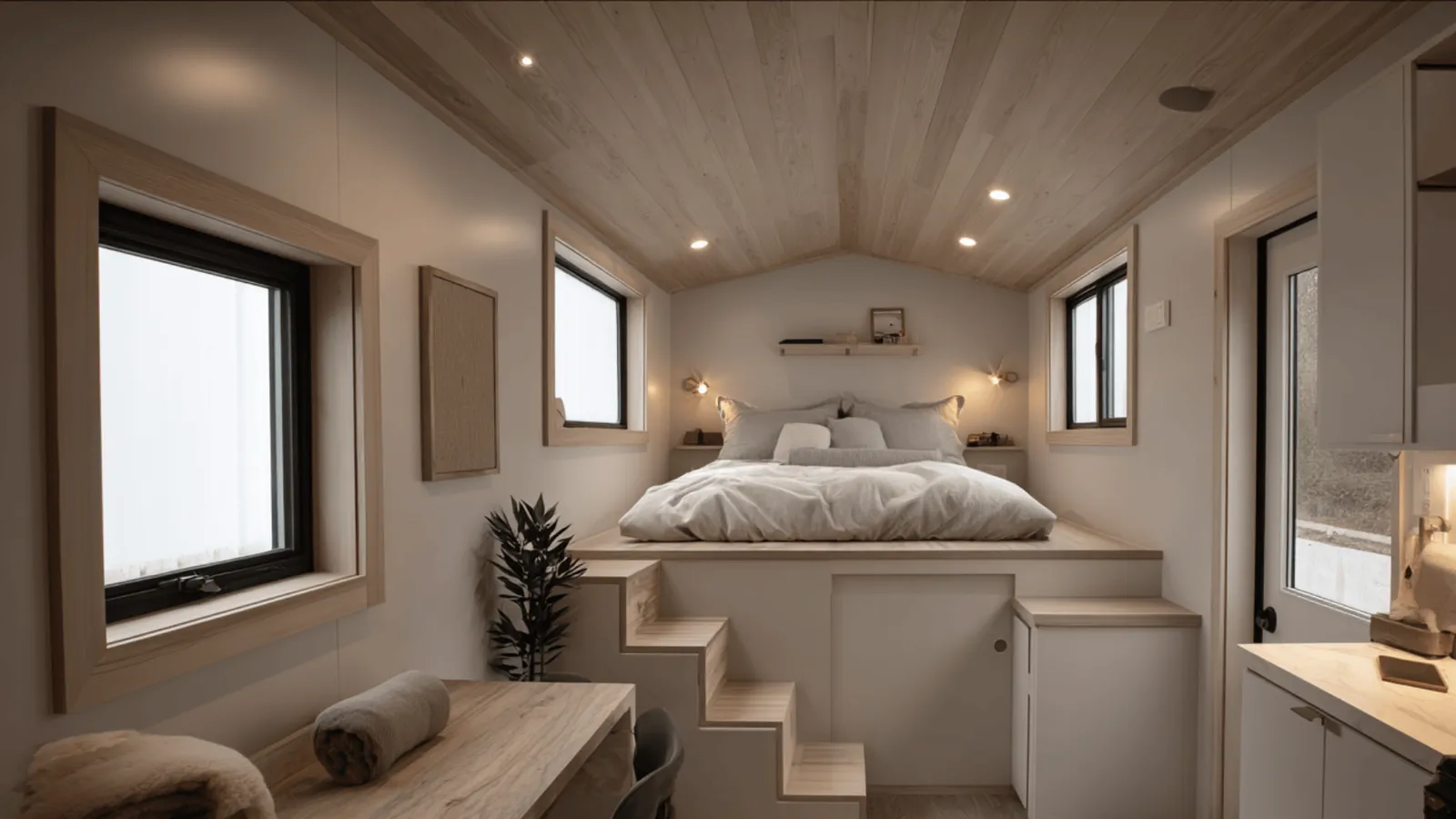
Compare Space and Layout (Not Just Size)
When evaluating rental homes, it’s tempting to focus on square footage as the main indicator of value. While size does matter, it doesn’t tell the whole story. Two properties with the same square footage can feel completely different depending on how the space is designed and used.
To make a fair comparison, shift your attention from how big a home is to how well the space works for your daily life.
Why Layout Matters More Than Square Footage
A larger home isn’t always more comfortable. Poor layouts can lead to wasted space, awkward furniture placement, and limited functionality. On the other hand, a smaller home with a smart design can feel open, efficient, and easy to live in.
Instead of asking “How big is it?”, ask “How usable is it?”
Key Factors to Evaluate
Functional Layout (Open vs. Segmented Spaces)
Open layouts can make a home feel more spacious and connected, especially for socializing or multitasking. Segmented layouts, with separate rooms, may offer more privacy and quiet—ideal for families or remote work. The best choice depends on your lifestyle.
Storage Availability
Adequate storage is essential for keeping your home organized. Look for closets, cabinets, and built-in storage solutions. A lack of storage can quickly make even a large space feel cluttered and cramped.
Natural Light and Ventilation
Homes with good natural light feel more inviting and can even reduce electricity costs during the day. Proper ventilation improves air quality and comfort, especially in warmer climates.
Furniture Fit and Usability
Consider whether your existing furniture will fit comfortably. Awkward room shapes or tight corners can limit how you arrange your space, affecting both function and aesthetics.
Comfort Comes From Design, Not Just Size
A well-designed smaller home can often provide a better living experience than a larger but poorly planned one. Efficient layouts maximize every square meter, improve movement flow, and create a more pleasant environment.
Visualize Your Daily Living
Before deciding, imagine your typical day in each space:
Can you move around easily?
Is there enough room to work, relax, and store your belongings?
Does the layout support your routines?
By focusing on layout and usability—not just size—you’ll choose a home that truly fits your needs.

Check Condition and Maintenance
When viewing a rental property, it’s easy to be impressed by fresh paint, modern furniture, or stylish décor. However, appearances can be deceiving. A home that looks new on the surface may still have underlying maintenance issues that affect comfort, safety, and long-term livability.
To make a smart decision, it’s essential to look beyond aesthetics and carefully assess the overall condition and upkeep of the property.
Why Condition Matters More Than Appearance
A well-maintained home provides a more reliable and stress-free living experience. On the other hand, hidden problems—such as faulty systems or unnoticed damage—can lead to frequent repairs, unexpected costs, and daily inconvenience.
Rather than focusing on how the property looks, focus on how well it functions.
Key Areas to Inspect
Signs of Moisture, Mold, or Leaks
Check ceilings, walls, and corners for stains, peeling paint, or musty odors. These can indicate water damage or mold, which may affect both the structure and your health if left unresolved.
Air Conditioning Performance
In warm or humid climates, a properly functioning air conditioning system is essential. Test the unit to ensure it cools effectively and runs quietly. Poor performance could mean higher energy bills or discomfort later.
Plumbing and Water Pressure
Turn on faucets and showers to check water pressure and drainage. Slow drains, unusual noises, or inconsistent pressure may signal plumbing issues that could worsen over time.
Appliance Condition
Inspect included appliances such as the refrigerator, stove, washing machine, and microwave. Make sure they are clean, functional, and not excessively worn. Replacing or repairing faulty appliances can be inconvenient if not addressed upfront.
Don’t Assume “New” Means Problem-Free
Newer or recently renovated properties can still have poor workmanship or overlooked issues. Likewise, an older home that has been properly maintained may offer greater reliability and comfort.
Think Ahead to Avoid Future Problems
Taking time to inspect the property thoroughly before signing a lease can save you from future headaches. If you notice potential issues, ask the landlord or property manager:
Will repairs be completed before move-in?
Who is responsible for ongoing maintenance?
How quickly are repair requests typically handled?
A proactive approach helps ensure you’re choosing a home that will remain comfortable and functional throughout your stay.
Review Lease Terms Carefully
When comparing rental homes, it’s easy to focus on visible features like price, location, and design. However, one of the most important—yet often overlooked—factors is the lease agreement. Two homes that seem nearly identical can come with very different terms, and those differences can significantly impact your flexibility, financial risk, and overall renting experience.
Before making a decision, take the time to read and compare lease terms in detail. What’s written in the contract will ultimately define your rights and responsibilities as a tenant.
Why Lease Terms Matter
A lease is a legally binding agreement. Even small differences in wording can affect how easy it is to move out, get your deposit back, or handle unexpected situations. Choosing a property with fair and flexible terms can save you stress—and money—down the line.
Key Terms to Compare
Lease Length and Flexibility
Some rentals require long-term commitments (e.g., 12 months), while others offer shorter or more flexible arrangements. Consider your future plans—if your situation might change, flexibility can be more valuable than a slightly better property.
Security Deposit and Return Conditions
Look at how much deposit is required and under what conditions it will be returned. Clear, reasonable terms reduce the risk of disputes when you move out.
Maintenance Responsibilities
Understand who is responsible for repairs and upkeep. Some landlords cover most maintenance, while others may expect tenants to handle minor issues. Clear responsibilities help avoid misunderstandings.
Penalties for Early Termination
Life circumstances can change unexpectedly. Check the penalties or conditions for ending the lease early. High fees or strict rules can limit your ability to adapt if needed.
Balance Features With Flexibility
A property that looks perfect may come with rigid or risky lease terms. On the other hand, a slightly less attractive home with clear, fair, and flexible conditions can provide a more secure and manageable living experience.
Protect Yourself Before You Sign
Before committing:
Read the entire lease carefully
Ask questions about anything unclear
Request written clarification if needed
Taking these steps ensures you fully understand the agreement and can confidently choose the option that best fits your lifestyle and plans.

Consider Amenities and Lifestyle Fit
When comparing rental homes, amenities can be a major selling point. Features like pools, gyms, or modern shared spaces often make a property feel more attractive. However, not all amenities add real value to your daily life. The key is to evaluate which features genuinely support your routine—and which ones simply look good on paper.
Instead of being influenced by a long list of extras, focus on how each property aligns with your actual lifestyle needs.
Focus on What You’ll Truly Use
Amenities often come at a cost, either directly through higher rent or indirectly through maintenance fees. To make a smart decision, ask yourself: Will I realistically use this सुविधा on a regular basis?
Here are some of the most important amenities to evaluate:
Parking Availability
If you own a car, secure and convenient parking is essential. Consider whether the space is included, reserved, or comes at an extra cost—and how easy it is to access ყოველდღi.
Laundry सुविधाएँ (In-Unit vs. Shared)
Having an in-unit washer and dryer can save significant time and effort. Shared laundry facilities may be more affordable but can be less convenient, especially during busy hours.
Security Features
Safety should never be overlooked. Look for features such as secure entry systems, surveillance cameras, on-site staff, or gated access. These can provide peace of mind, particularly if you live alone or return home late.
Gym, Pool, or Shared Spaces
While these amenities can enhance your lifestyle, they only add value if you actually use them. A gym may save you a membership fee—but only if it replaces your current routine. Otherwise, it’s just an added cost.
Avoid Paying for “Nice-to-Have” Extras
It’s easy to be drawn to impressive सुविधाएँ during a property tour, but over time, unused features become unnecessary expenses. A rental with fewer amenities—but ones you use regularly—often delivers better overall value.
Match the Home to Your Daily Routine
Think about how your typical day unfolds:
Do you need quick and easy parking?
Is doing laundry at home important to you?
Will you realistically use fitness or leisure सुविधाएँ?
Choosing a home that aligns with your habits can improve convenience, reduce stress, and even save money.
Practical Living Over Perceived Luxury
A property doesn’t need to be packed with amenities to be the right choice. What matters most is whether it supports your lifestyle in a practical, meaningful way. Prioritizing function over luxury helps ensure that you’re not just renting a space—but enhancing how you live.
Assess Noise, Safety, and Environment
When comparing rental properties, it’s easy to prioritize visual appeal—modern finishes, stylish interiors, or newly renovated spaces. However, long-term comfort often depends far more on noise levels, safety, and the surrounding environment than on cosmetic details.
These factors directly affect your daily experience, sleep quality, and overall sense of well-being. That’s why it’s essential to evaluate not just the home itself, but also what it feels like to live there.
Visit at Different Times of Day
A neighborhood can feel completely different depending on the time. A quiet street in the morning might become busy and noisy in the evening, while a lively area during the day could feel isolated at night.
If possible, visit each property:
During peak traffic hours
In the evening or nighttime
On both weekdays and weekends
This gives you a more realistic understanding of what living there will actually be like.
Key Factors to Observe
Traffic Noise
Pay attention to nearby roads, intersections, or public transport routes. Constant traffic noise can become tiring over time, especially if you work from home or are sensitive to sound.
Neighbor Activity
Notice how close neighboring units are and how sound travels between them. Loud neighbors, thin walls, or busy shared spaces can affect your privacy and comfort.
Lighting and Security in Common Areas
Well-lit entrances, hallways, parking areas, and walkways contribute to both safety and convenience. Poor lighting or lack of visible security measures can make a property feel less secure, particularly at night.
Environment Shapes Daily Living
Beyond noise and safety, consider the overall atmosphere:
Does the area feel calm or chaotic?
Is it clean and well-maintained?
Do you feel comfortable walking around at different times?
These subtle impressions often become more important over time than design features inside the home.
Prioritize Long-Term Comfort
A visually appealing property may lose its charm quickly if it comes with constant noise, safety concerns, or an uncomfortable environment. On the other hand, a simpler home in a peaceful and secure setting can provide a far better living experience.
By carefully assessing these external factors, you ensure that your choice supports not just where you live—but how you live every day.

Use a Simple Scoring System
When comparing rental homes, emotions can easily influence your decision. A stylish interior, a great first impression, or even a friendly landlord can make one property feel like the obvious choice—even if it’s not the most practical option. To stay objective, it’s helpful to use a simple scoring system that allows you to evaluate each home fairly and consistently.
Why a Scoring System Works
A structured approach helps you move beyond gut feelings and focus on what truly matters. By assigning scores to key categories, you create a clear, side-by-side comparison that highlights strengths and weaknesses in a measurable way.
This method is especially useful when two properties seem equally appealing but differ in subtle yet important ways.
Choose Your Key Categories
Start by identifying the factors that matter most to your decision. Common categories include:
Cost – Total monthly expenses, not just rent
Location – Convenience, commute, and access to essentials
Condition – Maintenance quality and overall reliability
Space/Layout – Functionality and comfort of the living space
Amenities – Features that support your lifestyle
Lease Terms – Flexibility and financial risk
You can adjust these categories based on your personal priorities.
Rate Each Property
Assign a score to each category using a simple scale, such as 1 to 5:
1 = Poor
3 = Average
5 = Excellent
Be consistent in how you rate each property. For example, if one home has a shorter commute, it should receive a higher score in the location category.
Add Up the Scores
Once you’ve rated all categories, calculate the total score for each property. The results give you a clearer picture of which home performs better overall.
You may also choose to weight certain categories more heavily. For example, if location is your top priority, you can give it more influence in your final score.
Reduce Emotional Bias
A scoring system doesn’t remove personal preference entirely—but it helps balance emotion with logic. It ensures that one attractive feature doesn’t overshadow multiple drawbacks.
Make a Confident Decision
By turning your evaluation into a simple, structured comparison, you gain:
Greater clarity
More confidence in your choice
A decision based on facts, not just feelings
In the end, the goal isn’t just to pick the home that looks best—it’s to choose the one that truly fits your needs across all important aspects.

Identify Deal Breakers First
When searching for a rental home, it’s easy to get distracted by attractive features—modern interiors, great amenities, or a seemingly good price. However, before you begin comparing options in detail, it’s critical to define your deal breakers—the non-negotiable criteria that a property must meet.
This step helps you avoid wasting time on homes that will never truly work for your situation, no matter how appealing they may seem.
What Are Deal Breakers?
Deal breakers are the essential requirements that directly impact your ability to live comfortably and sustainably in a home. If a property fails to meet even one of these criteria, it should be eliminated from consideration—no exceptions.
By setting these boundaries early, you create a clear filter that simplifies your decision-making process.
Common Non-Negotiables to Define
Maximum Budget
Determine the absolute maximum you can afford, including all monthly costs. Staying within budget is essential for long-term financial stability. Even a slightly higher rent can become a burden over time if it stretches your finances.
Minimum Number of Bedrooms (or Space Needs)
Consider how much space you truly need—whether for family members, roommates, or a home office. Compromising too much on space can lead to discomfort and lack of functionality.
Required Location or Commute Time
Set clear limits on how far you’re willing to travel for work, school, or daily activities. A long or stressful commute can significantly impact your quality of life.
Why This Step Matters
Without clearly defined deal breakers, it’s easy to justify compromises in the moment—only to regret them later. For example, a beautiful home might tempt you to exceed your budget or accept a longer commute, but those trade-offs often become ongoing frustrations.
Eliminate Before You Compare
Once your deal breakers are set:
Immediately rule out any property that doesn’t meet them
Focus only on options that fit your core requirements
Then compare the remaining homes using other criteria (cost, layout, amenities, etc.)
This approach keeps your search efficient and grounded in reality.
Stay Disciplined in Your Decision
The most challenging part is sticking to your own rules. A property might seem “worth it” despite missing a key requirement—but exceptions often lead to compromises that affect your daily life.
By identifying deal breakers first, you protect yourself from emotional decisions and ensure that every option you consider is truly viable.
Trust Logic First, Then Instinct
Choosing between two rental homes can feel overwhelming—especially when both options seem appealing in different ways. After evaluating cost, location, layout, and lease terms, you may still find yourself unsure. This is where many renters rely purely on instinct. While intuition has its place, it should come after a clear, logical evaluation—not before.
Start With the Facts
By the time you’ve completed a structured comparison—reviewing total costs, scoring key categories, and eliminating options that don’t meet your deal breakers—you’ve already done the most important work. The data you’ve gathered should point toward a practical front-runner.
Logic helps you answer critical questions:
Which home fits your budget best?
Which location supports your daily routine?
Which option minimizes long-term risk?
If one property consistently performs better across these factors, that’s a strong indicator it’s the right choice.
When Options Are Still Close
Sometimes, even after a thorough comparison, two homes may appear nearly equal on paper. In this situation, it’s reasonable to consider your personal comfort and intuition as a final deciding factor.
Ask yourself:
Where do I feel more at ease?
Which space can I see myself living in day-to-day?
Does one option simply “feel right” after all practical needs are met?
These subtle preferences can matter—especially when all major criteria are already satisfied.
Avoid Letting Emotion Lead Too Early
Relying on instinct too soon can lead to biased decisions. A property might stand out بسبب design, staging, or first impressions, even if it falls short in more important areas like cost or location. This is how renters end up choosing homes that look great initially but create challenges later.
By putting logic first, you protect yourself from overlooking key details.
Balance Head and Heart
The best decisions combine objective analysis with personal comfort. Think of it as a two-step process:
Use logic to narrow down your options and identify the strongest candidate
Use instinct to confirm your final choice when options are close
This balance ensures that your decision is both practical and satisfying.
Make a Confident Choice
At the end of the process, you want to feel confident—not just excited. A decision grounded in facts, with intuition as a final check, gives you the clarity to move forward without second-guessing.
Because the right home isn’t just the one that looks best—it’s the one that works best for your life.
A fair comparison isn’t about finding the “perfect” rental—it’s about choosing the one that best fits your needs, budget, and lifestyle. By using a structured checklist, you can avoid common decision traps and feel confident in your choice.
Source:
Consumer Financial Protection Bureau (CFPB) – “Before You Rent”
U.S. Department of Housing and Urban Development (HUD) – Rental affordability guidelines
Investopedia – “The True Cost of Renting a Home”
Urban Land Institute – “Housing and Community Preferences”
U.S. Department of Transportation – Commuting and Quality of Life Studies
Investopedia – “The Importance of Location in Real Estate”
National Association of Home Builders (NAHB) – “What Home Buyers Really Want”
Architectural Digest – “How Layout Impacts Living Space”
Investopedia – “How to Evaluate Real Estate Value Beyond Square Footage”
U.S. Department of Housing and Urban Development (HUD) – “Rental Inspection Checklist”
Centers for Disease Control and Prevention (CDC) – “Mold and Indoor Air Quality”
Consumer Reports – “Home Maintenance and Appliance Reliability Guidelines”
Consumer Financial Protection Bureau (CFPB) – “What to Know Before You Sign a Lease”
U.S. Department of Housing and Urban Development (HUD) – Rental Agreements Guide
Nolo – “Understanding Residential Lease Agreements”
National Apartment Association (NAA) – “Resident Preferences and Amenities Report”
Urban Land Institute – “Housing Preferences Study”
Investopedia – “Evaluating Rental Property Value and Features”
World Health Organization (WHO) – “Environmental Noise Guidelines”
U.S. Department of Housing and Urban Development (HUD) – “Neighborhood and Safety Considerations”
National Institute of Environmental Health Sciences (NIEHS) – “Built Environment and Health”
Harvard Business Review – “A Better Way to Make Decisions”
Consumer Financial Protection Bureau (CFPB) – “Choosing the Right Housing Option”
MindTools – “Decision Matrix Analysis: Making a Choice Using a Scoring System”
Consumer Financial Protection Bureau (CFPB) – “Setting a Housing Budget and Priorities”
Harvard Business Review – “Make Better Decisions by Defining Constraints”
Investopedia – “How to Set Financial Limits When Renting”
Harvard Business Review – “When to Trust Your Gut (and When Not To)”
Psychology Today – “The Role of Intuition in Decision Making”
Consumer Financial Protection Bureau (CFPB) – “Making Informed Housing Decisions”
U.S. Department of Housing and Urban Development (HUD) – Rental Guidance
Consumer Financial Protection Bureau (CFPB) – Renting and Housing Resources
Investopedia – Cost Comparison and Budgeting Principles
Zillow Research – Rental Decision Factors and Market Insights