How to Choose a Rental Property with the Best Hurricane Protection Features
Renting a home in hurricane-prone areas comes with its own set of challenges, especially during storm season. Beyond finding a place that suits your lifestyle and budget, it’s crucial to prioritize safety — specifically, the home’s ability to withstand hurricanes. From structural reinforcements to emergency preparedness, the right features can make a major difference in protecting both property and lives. Here's how to choose a rental property with the best hurricane protection features.
1. Check for Hurricane-Resistant Windows and Doors
When evaluating a rental property in a hurricane-prone area, one of the most crucial safety features to inspect is the windows and doors. These entry points are highly vulnerable during a storm, and their failure can lead to severe structural damage, water intrusion, and injury from flying debris.
Why It Matters
Impact-resistant windows and doors are engineered with reinforced glass and durable frames to withstand high winds and airborne projectiles. Unlike standard windows, they won’t shatter into dangerous shards upon impact. This not only protects the integrity of the building but also reduces the chances of internal pressure buildup, which can lead to roof or wall collapse.
What to Look For
Impact-Resistant Glass: Also known as laminated glass, this type features a shatter-resistant film that holds the window together even if cracked.
Storm Shutters: If impact windows aren’t installed, the next best thing is properly fitted storm shutters. Look for roll-down or accordion-style shutters—they are easier and faster to deploy than panel shutters in the rush before a storm.
Window and Door Labels: Check for labels indicating compliance with standards like ASTM E1996/E1886 or Miami-Dade County Product Approval, which ensure products meet rigorous wind and impact testing.
Questions to Ask the Landlord
Are the windows and doors hurricane-rated or impact-resistant?
Are storm shutters provided for all glass surfaces?
When were the windows and doors last inspected or upgraded?
Don’t underestimate the importance of hurricane-resistant windows and doors when choosing a rental property in a coastal or high-risk area. Investing a few extra minutes to check for these features could make all the difference in your safety during a storm.
2. Evaluate the Roof Condition and Type
A secure roof is one of the most important features to assess when choosing a rental property in a hurricane-prone region. The roof serves as the first line of defense against high winds and heavy rain. If compromised, it can lead to catastrophic structural damage, water intrusion, and even complete roof loss.
Why It Matters
During a hurricane, the roof is exposed to extreme pressure differentials and uplift forces that can rip away roofing materials or detach the entire roof structure. Properties with well-maintained and reinforced roofs are far more likely to withstand the brunt of a storm. Understanding the type, condition, and construction of a roof can give you better insight into how safe the property really is.
What to Look For
Recently Updated Roofing Systems: A roof that has been installed or replaced in the last 10–15 years is more likely to comply with modern building codes. Newer roofs also tend to be better sealed and structurally sound.
Hurricane Clips or Straps: These metal connectors reinforce the connection between the roof and the walls of the building. Visible in the attic, hurricane straps help hold the roof down during high winds. Ask the landlord or property manager if these reinforcements are installed, and request documentation if available.
Roof Type and Material:
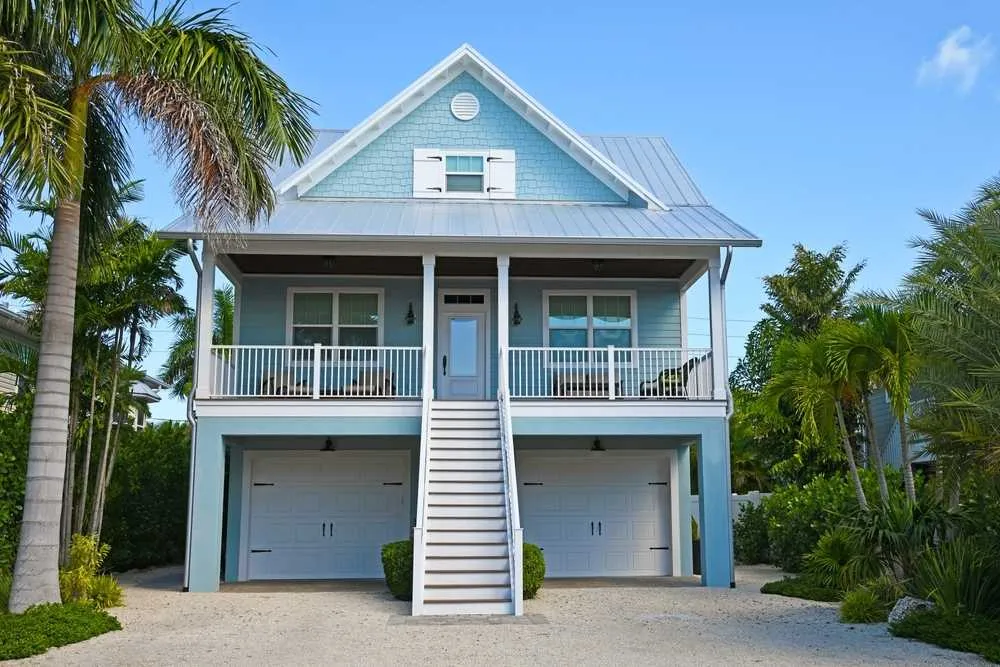
Metal Roofs: These offer superior wind resistance and durability compared to traditional asphalt shingles.
Hip Roofs: Designed with slopes on all four sides, hip roofs are more aerodynamic and less likely to be damaged by wind.
Flat Roofs: While common in some regions, flat roofs are more vulnerable to wind uplift and pooling water and require careful inspection for wear.
Absence of Visible Damage: Look for signs of wear such as cracked or missing shingles, soft spots, sagging, or debris accumulation. These could indicate existing damage or poor maintenance that may lead to failure under storm conditions.
Pro Tip
Ask if the property has undergone a wind mitigation inspection. These inspections evaluate key features that reduce storm damage and may even result in lower insurance costs for the owner—an indicator of a well-prepared rental.
In hurricane-prone areas, roof condition is a non-negotiable factor when selecting a rental property. A durable, well-maintained roof—especially one with hurricane clips and impact-resistant design—can be the difference between minimal damage and total loss during a severe storm.
3. Check the Elevation and Flood Zone
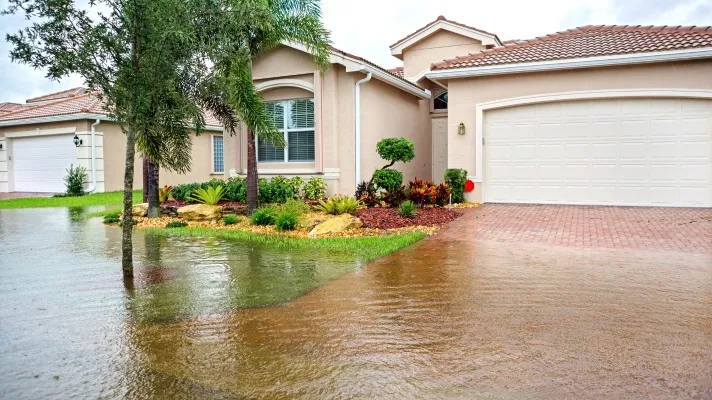
While strong winds often capture the headlines during a hurricane, flooding is typically the most destructive and costly impact. Even properties that survive the wind with minimal damage can be rendered uninhabitable by floodwaters. That’s why checking the elevation and flood zone status of a rental property is essential before signing a lease in a hurricane-prone area.
Why It Matters
Floodwater can enter homes quickly during a storm, damaging electrical systems, flooring, furniture, and even the structure itself. Properties in low-lying areas or near bodies of water are especially vulnerable. Choosing a rental that is located in a lower-risk flood zone — and elevated above expected flood levels — significantly reduces the likelihood of flood damage and costly displacement.
What to Look For
Flood Zone Classification: Properties are categorized into flood zones ranging from low to high risk. Zones labeled “A” or “V” are considered high-risk, while zones “X” or “C” are typically lower risk. High-risk zones may require mandatory flood insurance, even for renters.
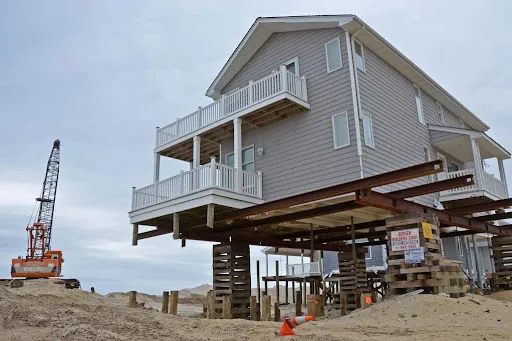
Elevation Above Base Flood Level: Homes built on raised foundations, piers, or stilts are better equipped to withstand rising waters. Higher elevation not only improves flood resilience but may also influence insurance premiums.
Construction Features: Look for flood vents, sealed crawlspaces, or elevated HVAC systems — all signs that a home has been designed with flood mitigation in mind.
How to Check
Use FEMA's Flood Map Service Center at msc.fema.gov to:
Search the property address
View flood zone maps
Check elevation relative to the base flood elevation (BFE)
You can also request an Elevation Certificate from the landlord or property manager, which provides detailed information about a structure’s elevation and flood risk.
Evaluating a property's elevation and flood zone is a critical step in protecting yourself from one of the most devastating effects of hurricanes. Prioritize elevated homes in low-risk zones, and use FEMA’s resources to make informed decisions before renting.
4. Inspect Drainage and Landscaping
Effective drainage and smart landscaping are often overlooked when evaluating a rental property, but they play a crucial role in hurricane resilience. Poor water management around a home can lead to flooding, erosion, and long-term structural issues — even if the house itself is elevated or built to modern codes.
Why It Matters
During heavy rains and storm surge, water naturally seeks the lowest point. If the property’s grading or drainage system doesn’t channel water away from the structure, it can quickly infiltrate basements, crawlspaces, or ground floors. Additionally, poorly maintained landscaping can increase risks from falling trees or clogged drainage systems.
What to Look For
Proper Grading: The land around the property should slope away from the foundation. This helps prevent water from pooling near the structure and seeping inside.
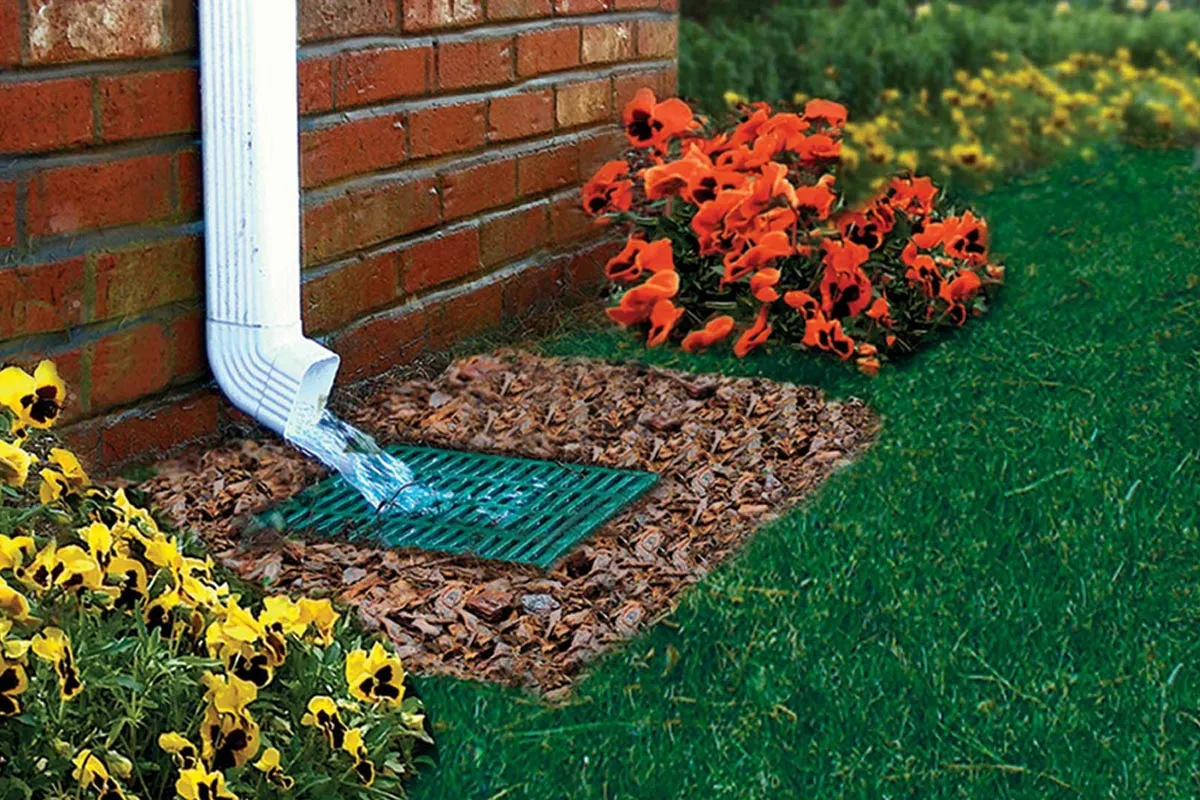
Functional Gutters and Downspouts: Ensure gutters are securely attached and free of debris. Downspouts should extend several feet away from the foundation to carry water away efficiently.
Drainage Systems: Look for French drains, swales (shallow ditches), or catch basins — these features help redirect surface water during storms and reduce pooling.
Tree Placement: Large or aging trees located close to the home pose a significant hazard during hurricanes. High winds can snap branches or topple entire trees, causing roof and structural damage.
Smart Tips
Avoid Properties With:
Large, leaning trees near the house
Standing water or soggy ground after rainfall
Gutters that drain directly at the base of the home
Look For:
Gravel or permeable landscaping materials for better runoff control
Strategic tree trimming or removal by the property owner
Landscaping that includes rain gardens or retention areas for stormwater
A rental property’s ability to handle water runoff and landscaping challenges can make or break its storm-readiness. Thoughtful drainage and landscaping don’t just prevent nuisance flooding — they protect the structure from major hurricane-related damage.
5. Ask About Emergency Preparedness Features
When evaluating a rental property in a hurricane-prone area, it’s not just about the structure — it’s also about how prepared the property (and community) is for an extended emergency. Power outages, road closures, and evacuation orders are all common during hurricanes. Properties equipped with emergency preparedness features offer a safer and more manageable experience during these high-stress events.
Why It Matters
A home that’s structurally sound is a great start, but it’s the extras — like backup power or access to a shelter — that can determine your comfort and safety in the aftermath of a storm. Extended outages can last for days or even weeks. During this time, you may lose refrigeration, air conditioning, communication tools, and medical equipment access unless there’s a reliable contingency in place.
Key Features to Look For
Backup Generators: These provide electricity when the grid goes down. Whole-house generators are ideal, but even a portable unit can keep basic appliances running.
Pre-Installed Hurricane Shutters: Permanent shutters (accordion, roll-down, or Bahama-style) make storm prep faster and safer, especially when compared to plywood boards or DIY solutions.
Storm-Resistant Storage: A safe space to store outdoor furniture, grills, and bikes before a storm hits can reduce property damage and flying debris.
Community Shelter Access: In larger complexes or gated communities, ask if there's a designated storm shelter or common area that becomes a safe haven during severe weather.
Questions to Ask the Landlord or Property Manager
Is there a backup power source on the property? If yes, find out how it operates, whether it’s maintained, and what it powers (e.g., refrigerator, lights, HVAC).
Are there pre-installed hurricane shutters or panels? Make sure you know how to deploy them, and if the landlord expects you to do it yourself.
Does the property have an emergency plan? Ask for written guidance on what to do before, during, and after a hurricane — especially for multifamily rentals or communities.
Is there access to a storm shelter? This is especially important if you have special medical needs or are unable to evacuate quickly.
Emergency preparedness features can significantly ease the burden during and after a hurricane. Asking the right questions and choosing a rental that offers support beyond the basics will help keep you safe, comfortable, and informed throughout the storm season.

6. Review the Building Code Compliance and Construction Year
When it comes to hurricane protection, not all homes are created equal. Building codes — which dictate how structures are constructed — have evolved significantly in recent decades, especially in hurricane-prone states. Choosing a rental built under updated codes can dramatically improve your chances of weathering a storm safely.
Why It Matters
Stronger building codes mean stronger buildings. Homes constructed after major code revisions are designed to withstand higher wind speeds, better resist flying debris, and remain structurally sound during extreme weather. From roof attachment systems to reinforced windows and doors, newer homes typically offer better protection.
If you’re considering an older rental, it’s essential to confirm whether it has been retrofitted or updated to meet current code requirements. Otherwise, it may lack the structural integrity needed to handle hurricane-force winds and flooding.
What to Look For
Year of Construction: Use the year a home was built as a quick reference for likely code compliance.
In Florida, homes built after 2002 follow the Florida Building Code (FBC), which mandates hurricane-resistant design features.
In Louisiana, building codes were strengthened after 2006 in response to Hurricane Katrina.
Wind Load Rating: Ask if the property was built to meet local wind load requirements — especially important in high-velocity hurricane zones (HVHZ).
Retrofitting or Upgrades: For older homes, ask if hurricane clips, impact-rated windows, or other code-required upgrades have been added.
Permits and Inspections: Inquire whether the home has passed recent inspections or obtained permits for renovations that align with hurricane code standards.
Pro Tip
Don’t hesitate to ask the landlord or property manager for documentation regarding the building year and compliance with local codes. You can also check with the local building department or county property appraiser’s website for public records on the property.
Choosing a rental built under updated building codes offers an extra layer of protection during hurricane season. Whether you’re in Florida, Louisiana, or any coastal region, newer construction often means better materials, smarter design, and enhanced safety. Make the year built part of your rental checklist—it’s a simple way to boost peace of mind.
7. Insurance and Lease Terms
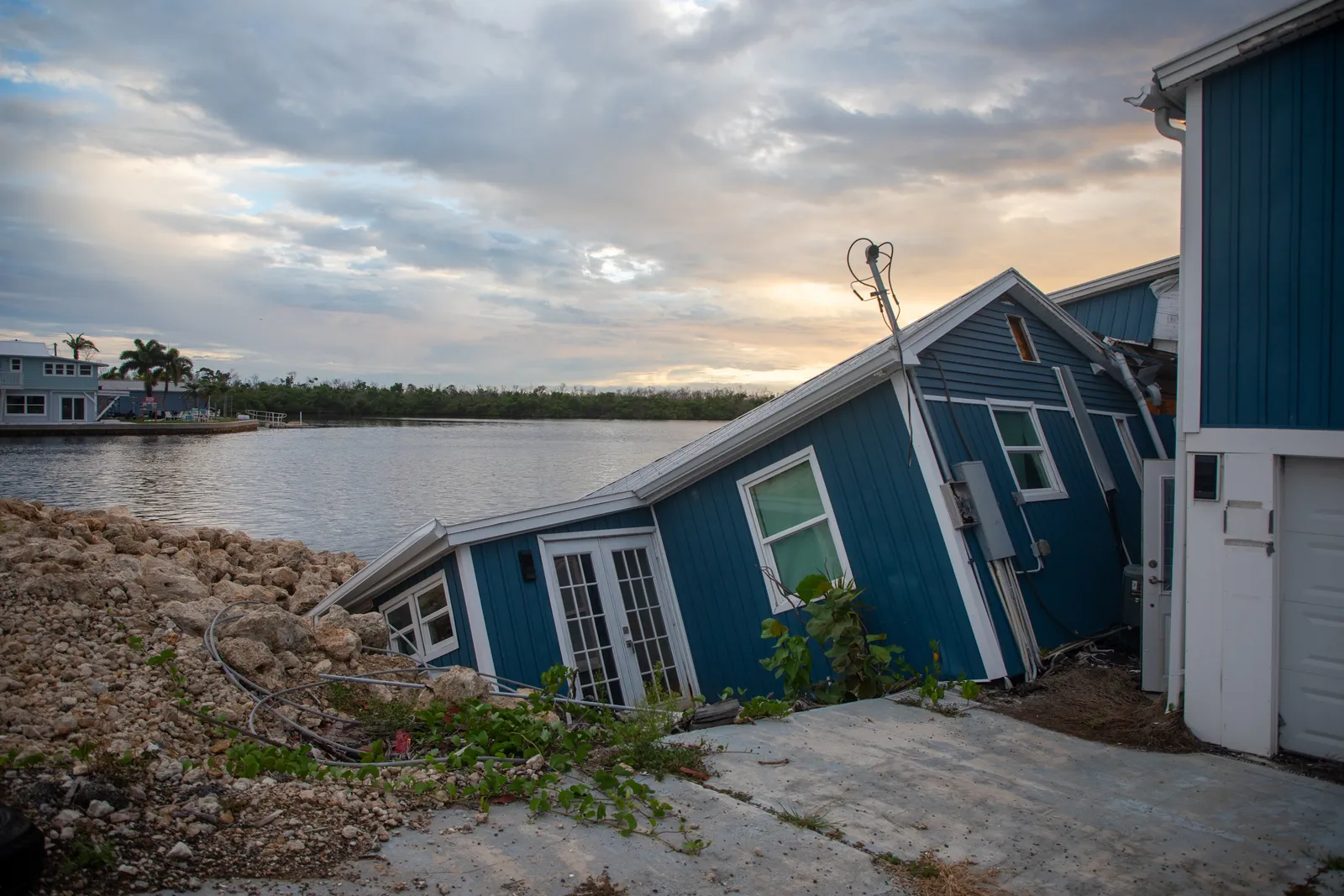
When renting in a hurricane-prone area, having a secure property is only part of the equation — understanding your insurance options and lease responsibilities is just as critical. In the aftermath of a storm, your ability to recover quickly often depends on whether you’re properly insured and aware of what your lease does and does not cover.
Why It Matters
Landlords typically carry insurance that covers the structure itself, but this coverage does not extend to your personal belongings or temporary living expenses if the property becomes uninhabitable. That’s where renter’s insurance comes in — it can help protect your possessions and provide peace of mind in the event of hurricane damage.
Equally important are the lease terms themselves. Some leases include special clauses that address evacuation procedures, rent payments during property repairs, or tenant responsibilities for storm preparation. Knowing these details in advance can prevent confusion — and disputes — during an already stressful time.
What to Look For
Renter’s Insurance with Hurricane Coverage:
Covers personal belongings (clothes, electronics, furniture, etc.).
May also include loss-of-use coverage, which pays for temporary housing if you’re forced to evacuate or the property becomes uninhabitable.
Important Note: Most standard renter’s insurance policies do not cover flood damage — even if caused by a hurricane. If the property is in or near a flood-prone zone, consider purchasing a separate flood insurance policy through the National Flood Insurance Program (NFIP) or a private provider.
Lease Provisions to Review:
What happens if the property is damaged or uninhabitable?
Who is responsible for securing windows or outdoor furniture before a storm?
Are there any rules for evacuation or notification during a hurricane warning?
Does the lease allow you to terminate early due to extended storm damage?
Questions to Ask
Do you (the landlord) require renter’s insurance?
Does my policy need to include windstorm or hurricane coverage?
Can I add flood coverage to my renter’s policy?
What does the lease say about rent payment if the unit is damaged?
Being prepared for a hurricane goes beyond sandbags and storm shutters — it includes knowing your legal and financial protections. Take the time to review your insurance coverage and lease agreement, and don’t hesitate to ask questions. A little clarity now can save a lot of stress later.
Sources:
Federal Alliance for Safe Homes (FLASH). “Hurricane Protection: Windows, Doors, and Shutters.” https://www.flash.org
Federal Emergency Management Agency (FEMA). "Protecting Your Home or Small Business From Disaster." https://www.fema.gov
Federal Emergency Management Agency (FEMA). “Flood Map Service Center.” https://msc.fema.gov
Federal Emergency Management Agency (FEMA). "Landscaping and Drainage for Flood-Prone Areas." https://www.fema.gov
Federal Emergency Management Agency (FEMA). “Disaster Preparedness for Renters.” https://www.fema.gov
Federal Emergency Management Agency (FEMA). “Building Codes Save: A Nationwide Study.” https://www.fema.gov
National Association of Insurance Commissioners (NAIC). “Renters Insurance: What You Need to Know.” https://content.naic.org
https://www.paradiseexteriors.com