How Newly Built Homes Cut Your Summer AC Bill in Florida
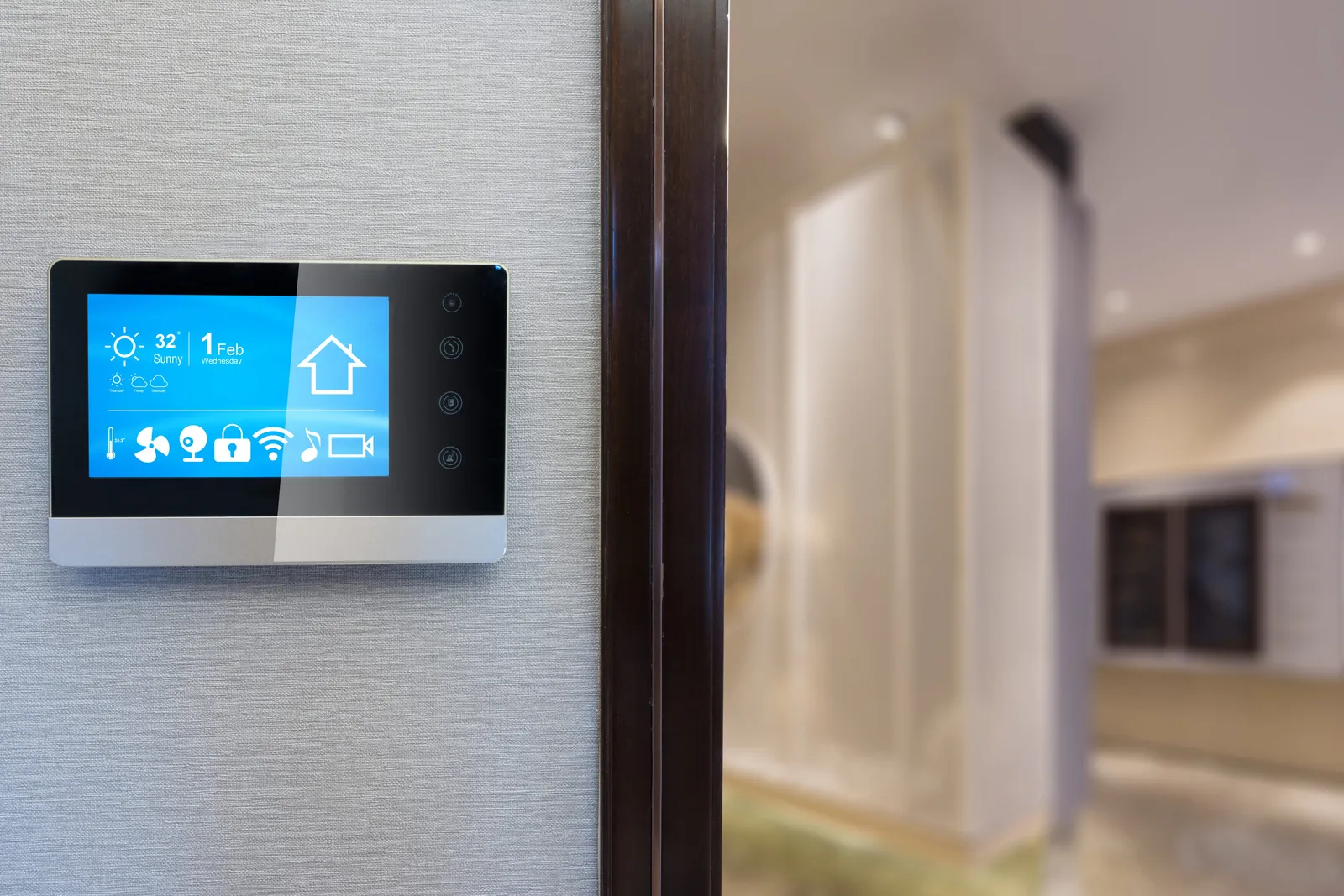
Florida summers are known for their intense heat, high humidity, and long cooling seasons. For many homeowners, air conditioning is one of the largest monthly household expenses, especially between May and September. While no home can completely eliminate cooling costs, newly built homes are designed with modern energy-saving features that can significantly reduce electricity usage compared to older properties.
If you're considering buying a home in Florida, understanding how new construction improves energy efficiency can help you save money for years to come.
Better Insulation Keeps Cool Air Inside
One of the greatest advantages of purchasing a newly built home in Florida is the improved insulation built into today's construction. Modern homes are designed to meet updated energy efficiency standards, helping homeowners stay comfortable while reducing cooling costs during the state's long, hot summers.
Unlike older homes that may have outdated or deteriorated insulation, new construction typically includes better-insulated walls, ceilings, and attic spaces. These improvements create a stronger thermal barrier that slows the transfer of heat from the outside into your living space.
How Better Insulation Reduces Cooling Costs
High-quality insulation offers several important benefits:
Reduces heat entering through walls and ceilings. By slowing heat transfer, your home stays cooler even during the hottest afternoons.
Keeps conditioned air inside longer. Your air conditioner doesn't have to replace cooled air as frequently, allowing it to operate more efficiently.
Minimizes indoor temperature fluctuations. Rooms remain more comfortable throughout the day with fewer hot spots and more consistent temperatures.
Reduces how often the AC system runs. Shorter and less frequent cooling cycles can lower electricity usage and reduce wear on HVAC equipment.
Better Comfort Throughout the Summer
Florida's summer temperatures often exceed 90°F (32°C), combined with high humidity. Without proper insulation, heat quickly penetrates the home, forcing the air conditioner to work continuously.
Modern insulation helps maintain a stable indoor environment, making it easier to keep your preferred temperature while improving overall comfort for your family.
Long-Term Energy Savings
Lower energy consumption doesn't just reduce monthly utility bills—it can also extend the lifespan of your HVAC system. Since the air conditioner cycles less frequently, components experience less wear and tear, potentially reducing maintenance and replacement costs over time.
For homeowners planning to stay in their property for many years, improved insulation can provide ongoing savings that add up season after season.
Built to Meet Today's Standards
Current Florida building codes include stricter energy efficiency requirements than those in place decades ago. New homes are generally constructed with higher insulation values and better air sealing practices, helping improve overall home performance.
When combined with energy-efficient windows, sealed ductwork, and modern HVAC systems, quality insulation becomes an important part of keeping cooling costs under control.
Better insulation is one of the key reasons newly built homes can be more energy efficient than older properties. By reducing heat gain, keeping cool air inside, and allowing the air conditioning system to operate more efficiently, modern insulation helps homeowners enjoy greater comfort while lowering summer energy bills.
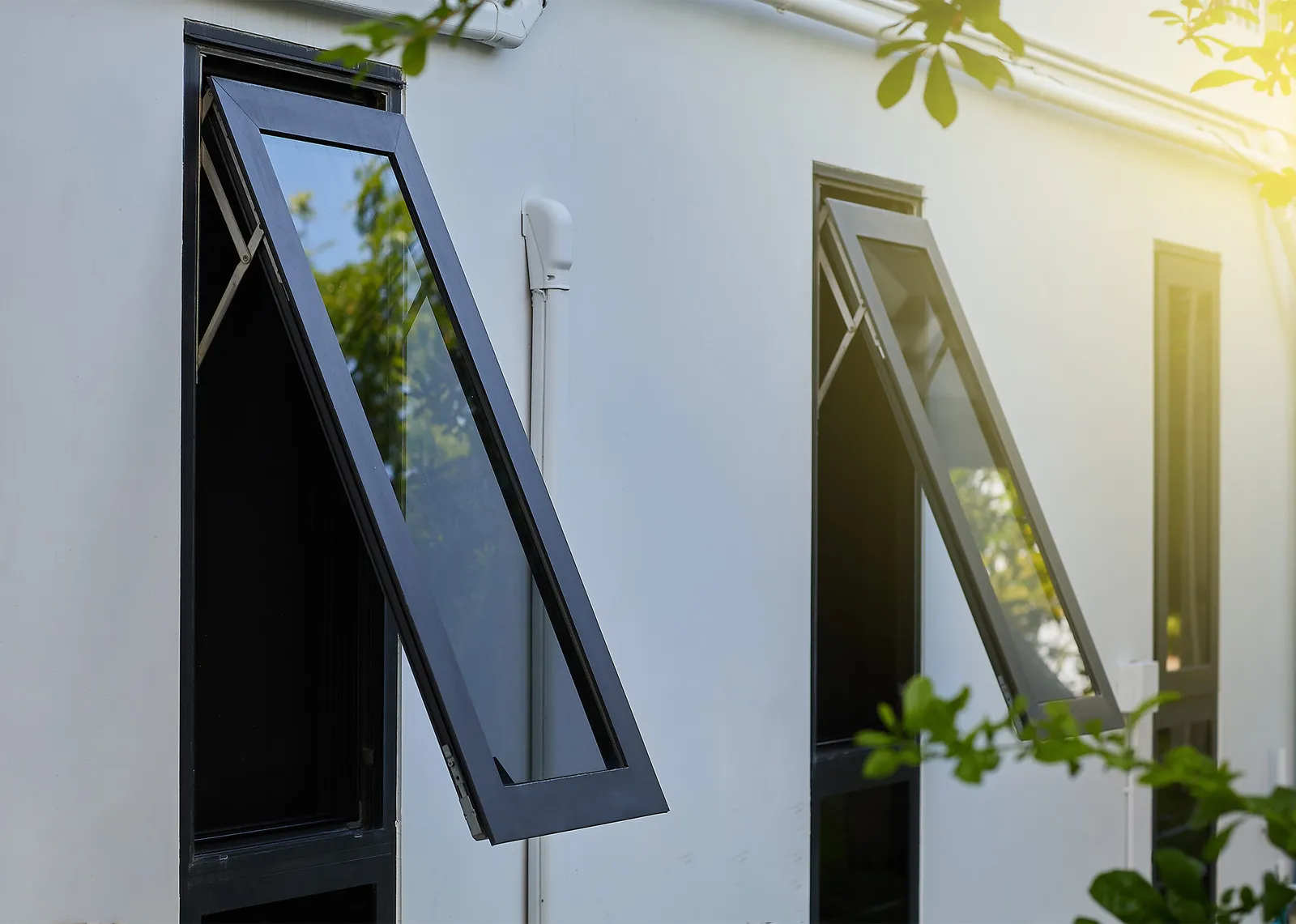
Energy-Efficient Windows Reduce Solar Heat
Windows play a major role in your home's energy efficiency, especially in a warm climate like Florida. While natural light is a welcome feature, older windows can allow significant amounts of solar heat to enter the home, causing indoor temperatures to rise and forcing the air conditioner to work harder.
One of the key advantages of newly built homes is the use of modern, energy-efficient windows that are specifically designed to reduce heat transfer while maintaining bright, comfortable living spaces.
Why Older Windows Increase Cooling Costs
Many older homes still have single-pane windows or outdated glass that provides limited insulation. These windows allow more of the sun's radiant heat to pass through, making rooms warmer during the day.
As indoor temperatures rise, the HVAC system must run more frequently to maintain a comfortable temperature. This increased workload often leads to higher electricity bills, particularly during Florida's long summer season.
Features of Modern Energy-Efficient Windows
Today's new homes commonly include several window technologies that improve energy performance:
Double-pane or insulated windows that create an insulating air or gas-filled space between panes to reduce heat transfer.
Low-E (low-emissivity) glass coatings that reflect a significant portion of the sun's infrared heat while allowing visible light to enter.
Improved window seals that help prevent cooled indoor air from escaping and reduce unwanted air leaks.
Energy-efficient window frames made from materials designed to minimize heat transfer and improve durability.
Together, these features help create a more comfortable indoor environment while reducing energy consumption.
Keeping Your Home Cooler Naturally
Florida receives abundant sunshine throughout the year, making solar heat gain a major factor in home cooling costs. Energy-efficient windows are designed to block much of this unwanted heat before it enters the home.
The result is:
More consistent indoor temperatures.
Reduced hot spots near windows.
Less strain on your air conditioning system.
Improved comfort throughout the day.
Because the home stays cooler naturally, the HVAC system cycles less often, helping lower electricity usage.
Additional Benefits Beyond Energy Savings
Modern windows provide advantages beyond lower cooling bills. Many also help reduce outside noise, improve indoor comfort during colder weather, minimize condensation, and protect furniture, flooring, and fabrics by blocking a large percentage of harmful ultraviolet (UV) rays that can cause fading.
These benefits contribute to a more comfortable and durable living environment year-round.
A Smart Investment for Florida Homeowners
When combined with quality insulation, efficient HVAC systems, and proper air sealing, energy-efficient windows become an important part of a home's overall energy performance.
For homeowners in Florida, where cooling costs can account for a significant portion of monthly utility bills, modern windows help improve comfort while reducing long-term energy expenses.
Energy-efficient windows are one of the most valuable features found in newly built homes. With insulated glass, Low-E coatings, improved seals, and advanced frame materials, today's windows help reduce solar heat gain, keep conditioned air inside, and lower the workload on your air conditioner. The result is a cooler, more comfortable home and lower energy costs throughout Florida's hot climate.
Better Air Sealing Prevents Energy Loss
When it comes to keeping a home cool in Florida, insulation is only part of the equation. Even the best insulation cannot perform effectively if cool air is constantly escaping through small gaps and cracks. That's why modern new construction places a strong emphasis on creating a tighter building envelope that minimizes air leakage and improves overall energy efficiency.
By reducing unwanted air movement, homeowners enjoy greater comfort, lower utility bills, and less strain on their air conditioning system.
Why Air Sealing Matters
Small air leaks around doors, windows, vents, plumbing penetrations, and electrical openings may seem insignificant, but together they can have a major impact on a home's energy performance.
These openings allow:
Cool, conditioned air to escape from the home.
Hot outdoor air to enter.
Humid air to increase indoor moisture levels.
The HVAC system to run longer and more frequently.
In Florida's hot and humid climate, preventing these air leaks is essential for maintaining a comfortable indoor environment.
How New Homes Improve Air Sealing
Today's builders use advanced construction methods to create tighter, more energy-efficient homes. These improvements often include:
Improved weather stripping around exterior doors and windows to reduce drafts and air leakage.
Advanced sealing techniques using caulks, sealants, and expanding foam around joints, gaps, and utility penetrations.
Better duct installation with sealed duct connections that minimize air loss before conditioned air reaches each room.
Modern framing methods that reduce unnecessary gaps and improve the overall integrity of the building envelope.
Together, these features help prevent conditioned air from escaping while blocking hot, humid outdoor air from entering the home.
Less Work for Your Air Conditioner
A well-sealed home allows the HVAC system to cool the living space more efficiently because it isn't constantly replacing lost conditioned air.
This leads to several important benefits:
Lower energy consumption.
More stable indoor temperatures.
Improved humidity control.
Reduced wear and tear on HVAC equipment.
Greater overall comfort throughout the home.
Because the air conditioner operates more efficiently, homeowners often experience lower monthly electricity bills while extending the lifespan of their cooling system.
Improved Indoor Comfort
Beyond energy savings, better air sealing also enhances everyday living. Eliminating drafts helps maintain even temperatures between rooms, reduces hot spots near windows and doors, and limits the amount of dust, pollen, and outdoor pollutants entering the home.
The result is a cleaner, quieter, and more comfortable indoor environment year-round.
Part of a Complete Energy-Efficient Home
Air sealing works best when combined with other energy-saving features commonly found in newly built homes, including:
High-performance insulation.
Energy-efficient windows with Low-E glass.
High-efficiency HVAC systems.
Proper attic ventilation.
Smart thermostats for optimized cooling.
Together, these components create a home that requires less energy to stay comfortable, even during Florida's hottest summer months.
Better air sealing is one of the hidden advantages of a newly built home. By reducing air leaks around doors, windows, ducts, and other openings, modern construction helps keep cool air inside and hot, humid air outside. This allows the HVAC system to operate more efficiently, lowers cooling costs, and creates a more comfortable living environment for Florida homeowners.
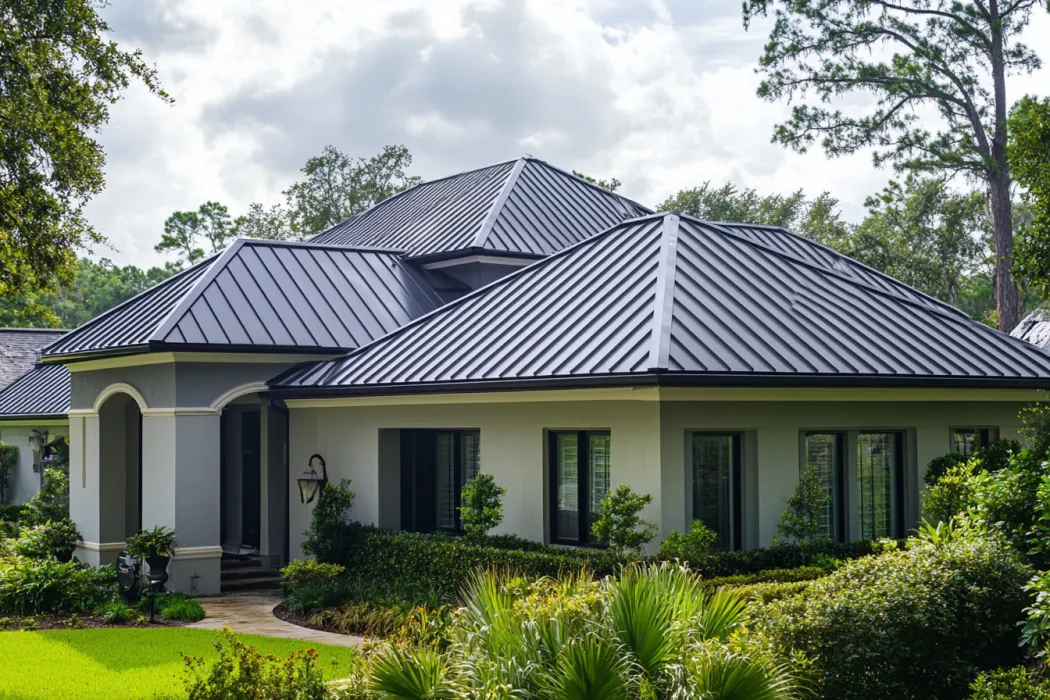
Reflective Roofing Materials Help Keep Florida Homes Cooler
Your roof is one of the first parts of your home exposed to the intense Florida sun. During the summer, traditional roofing materials can absorb large amounts of solar heat, causing attic temperatures to rise and increasing the amount of heat that enters the living space below.
Many newly built homes address this challenge by using reflective roofing materials, often referred to as cool roofs, which are designed to reflect more sunlight and absorb less heat. These energy-efficient roofing systems help keep homes cooler, improve comfort, and reduce air conditioning costs.
What Is a Cool Roof?
A cool roof is made with materials or coatings that reflect more of the sun's rays and release absorbed heat more effectively than conventional roofing materials. Instead of storing heat throughout the day, reflective roofing helps minimize heat buildup, especially during Florida's hottest months.
Many new homes feature roofing products that meet energy efficiency standards while maintaining the appearance homeowners expect.
Benefits of Reflective Roofing
Reflective roofing materials provide several important advantages:
Reduce attic temperatures. By reflecting more solar energy, the roof helps prevent excessive heat from accumulating in the attic.
Lower heat transfer into living spaces. A cooler attic means less heat moves through the ceiling into your home's interior.
Decrease air conditioning demand. With less heat entering the home, the HVAC system doesn't need to work as hard during the warmest parts of the day.
Improve indoor comfort. Rooms stay more comfortable with fewer temperature spikes, even during sunny afternoons.
These benefits contribute to lower energy consumption and a more pleasant indoor environment throughout the year.
The Importance of Attic Ventilation
Reflective roofing performs even better when paired with proper attic ventilation. Modern homes are designed to allow hot air trapped in the attic to escape while drawing in cooler outside air through intake vents.
This combination offers several benefits:
Helps regulate attic temperatures.
Reduces moisture buildup that can affect insulation and roofing materials.
Improves the efficiency of the home's insulation.
Supports better overall HVAC performance.
Together, reflective roofing and effective attic ventilation create a more balanced and energy-efficient home.
Lower Cooling Costs in Florida
Florida homeowners rely heavily on air conditioning for much of the year. By reducing the amount of heat entering the home through the roof, reflective roofing materials can help lower cooling costs, particularly during the summer when the sun is strongest.
Although the exact energy savings vary depending on factors such as roof design, insulation, climate, and household energy use, reducing heat gain can significantly decrease the workload placed on the air conditioning system.
Part of a Complete Energy-Efficient Home
Reflective roofing is one component of a comprehensive energy-efficient home design. Newly built homes often combine cool roofing with:
High-performance insulation.
Energy-efficient windows with Low-E glass.
High-efficiency HVAC systems.
Tight air sealing.
Smart thermostats and modern ventilation systems.
These features work together to improve comfort while helping homeowners save on monthly utility bills.
Reflective roofing materials are an important feature of many newly built Florida homes. By reflecting more sunlight, reducing attic temperatures, and limiting heat transfer into living spaces, cool roofs help air conditioning systems operate more efficiently. When combined with proper attic ventilation and other energy-saving features, reflective roofing contributes to a cooler, more comfortable home with lower long-term cooling costs.
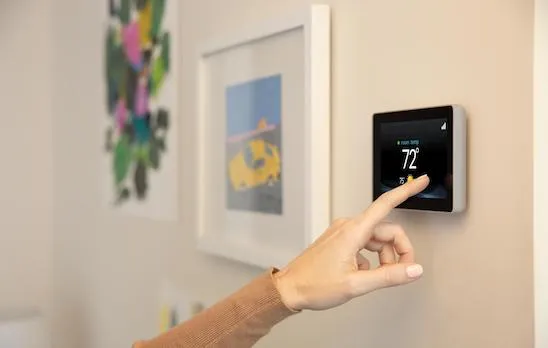
Smart Thermostats Improve Efficiency
A home's cooling system is only as efficient as the way it's managed. That's why many newly built homes now include programmable or smart thermostats as standard features. These devices help homeowners optimize their air conditioning use, improving comfort while reducing unnecessary energy consumption.
In Florida, where air conditioning operates for much of the year, even small improvements in temperature management can lead to noticeable savings on monthly utility bills.
What Is a Smart Thermostat?
A smart thermostat is an advanced temperature control device that automatically adjusts your home's heating and cooling based on your preferences, schedule, and occupancy. Unlike traditional thermostats that maintain a constant temperature, smart models use technology to improve efficiency without sacrificing comfort.
Many smart thermostats can also connect to your home's Wi-Fi network, allowing you to monitor and control your HVAC system from virtually anywhere.
Features That Help Save Energy
Modern smart thermostats offer a variety of energy-saving features, including:
Automatic temperature adjustments while you're away from home.
Learning household schedules to optimize cooling based on your daily routine.
Reduced unnecessary cooling by avoiding full-time operation when rooms are unoccupied.
Remote control through a smartphone app, allowing you to change settings from anywhere.
Energy usage reports that help you understand your cooling habits and identify opportunities to save.
These features work together to reduce wasted energy while maintaining a comfortable indoor environment.
Why Smart Thermostats Matter in Florida
Florida's hot, humid climate means air conditioners often run for extended periods. Cooling an empty home all day can significantly increase electricity costs.
A smart thermostat helps prevent unnecessary energy use by automatically raising the temperature when no one is home and returning the home to a comfortable setting before occupants return. Even adjusting the thermostat by just a few degrees during unoccupied hours can reduce cooling costs over the course of a long Florida summer.
Greater Comfort with Less Effort
In addition to lowering energy bills, smart thermostats make managing your home's climate more convenient. Homeowners can:
Change the temperature before arriving home.
Monitor indoor conditions while traveling.
Receive maintenance reminders and system alerts.
Integrate the thermostat with compatible smart home devices and voice assistants.
These capabilities provide greater flexibility and help ensure the HVAC system operates efficiently throughout the year.
Part of an Energy-Efficient Home
Smart thermostats are most effective when combined with other modern energy-saving features found in newly built homes, such as:
High-performance insulation.
Energy-efficient windows.
High-efficiency HVAC systems.
Tight air sealing.
Reflective roofing materials.
Together, these technologies reduce the amount of energy needed to keep a home cool and comfortable.
Smart thermostats are a simple yet powerful feature that helps homeowners improve energy efficiency without sacrificing comfort. By automatically adjusting temperatures, learning daily routines, reducing unnecessary cooling, and providing remote access and energy insights, these devices can lower electricity use throughout Florida's long cooling season. As a standard feature in many newly built homes, smart thermostats contribute to long-term energy savings and a more convenient lifestyle.
ENERGY STAR® Certified Appliances Help Lower Cooling Costs
When people think about reducing summer energy bills, they often focus on insulation or air conditioning systems. However, the appliances inside your home also play an important role in overall energy efficiency.
Many newly built homes include ENERGY STAR® certified appliances, which are designed to use less electricity while delivering excellent performance. In addition to lowering energy consumption, these appliances often produce less waste heat, helping your home stay cooler and reducing the workload on your air conditioning system.
What Is ENERGY STAR®?
ENERGY STAR® is a program administered by the U.S. Environmental Protection Agency (EPA) that identifies products meeting strict energy efficiency standards. Appliances that earn the ENERGY STAR label are independently certified to provide the same or better performance as standard models while using less energy.
For homeowners, choosing ENERGY STAR-certified products can lead to lower utility bills and reduced environmental impact over the life of the appliance.
Energy-Efficient Appliances in New Homes
Many newly constructed homes come equipped with ENERGY STAR-certified appliances, including:
Refrigerators that use advanced compressors and improved insulation to reduce electricity consumption.
Dishwashers that clean effectively while using less water and energy.
Washing machines that require less water and electricity while improving cleaning performance.
Ceiling fans that circulate air efficiently, helping rooms feel cooler and reducing reliance on air conditioning.
Together, these appliances contribute to a more energy-efficient home from the day you move in.
Less Heat Means Less Work for Your AC
Every electrical appliance generates some amount of heat during operation. Older or less efficient models typically produce more waste heat, which can gradually warm indoor spaces.
ENERGY STAR-certified appliances are designed to operate more efficiently, meaning they often generate less excess heat while consuming less electricity. As a result:
Indoor temperatures remain more comfortable.
The air conditioner removes less unwanted heat.
Cooling systems operate more efficiently.
Monthly electricity bills may be reduced.
In Florida's warm climate, where air conditioning often runs for much of the year, these small improvements can add up over time.
Improved Comfort and Long-Term Savings
The benefits of energy-efficient appliances extend beyond lower utility bills. Many modern ENERGY STAR-certified models also offer:
Quieter operation.
Improved reliability and performance.
Advanced features and smart technology.
Lower water consumption for qualifying appliances.
Reduced environmental impact through lower energy use.
These advantages make everyday living more convenient while helping homeowners save money throughout the life of each appliance.
Part of a High-Performance Home
ENERGY STAR-certified appliances work best as part of a complete energy-efficient home. Newly built homes often combine these appliances with:
High-performance insulation.
Energy-efficient windows.
High-efficiency HVAC systems.
Smart thermostats.
Tight air sealing and reflective roofing.
Together, these features help reduce overall energy demand while improving year-round comfort.
ENERGY STAR® certified appliances are an important contributor to the energy efficiency of newly built homes. By using less electricity and generating less waste heat, appliances such as refrigerators, dishwashers, washing machines, and ceiling fans help lower overall energy consumption and reduce the cooling load on your air conditioning system. Combined with other modern energy-saving features, they help Florida homeowners enjoy greater comfort and lower utility bills.
Modern Building Codes Focus on Energy Efficiency
Florida's building codes have evolved significantly over the years, placing a stronger emphasis on energy efficiency, durability, and indoor comfort. As a result, newly built homes are designed to meet higher performance standards than many homes constructed decades ago.
These updated requirements help homeowners reduce energy consumption, lower utility bills, and maintain a more comfortable indoor environment throughout Florida's hot and humid climate.
Why Building Codes Matter
Building codes establish minimum standards for the design and construction of homes. In Florida, these codes are regularly updated to reflect advances in construction techniques, energy-saving technologies, and lessons learned from the state's unique climate.
For homeowners, this means that newly constructed homes are built with features that improve efficiency, enhance comfort, and support long-term performance.
Energy-Efficient Features Required in New Construction
Modern Florida homes commonly include a variety of energy-saving features that are required or encouraged under current building and energy codes, including:
Higher insulation standards that reduce heat transfer through walls, ceilings, and attics.
Improved moisture protection to help manage Florida's high humidity and reduce the risk of moisture-related damage.
Efficient lighting, including the widespread use of high-performance LED fixtures that consume less electricity.
Better duct testing to verify that heating and cooling ducts are properly sealed and minimize energy loss.
Enhanced ventilation systems that improve indoor air quality while helping control humidity.
Energy code compliance inspections that verify the home meets applicable efficiency standards before occupancy.
These features work together to create homes that use energy more efficiently while providing a healthier and more comfortable living environment.
Better Performance Than Older Homes
Many homes built decades ago were constructed under less demanding energy standards. They may have:
Lower levels of insulation.
Older windows with reduced thermal performance.
Leaky duct systems.
Less effective air sealing.
Outdated lighting and ventilation systems.
Because of these differences, older homes often require more energy to maintain comfortable indoor temperatures, especially during Florida's long cooling season.
In contrast, new homes are designed with modern materials and construction practices that help reduce energy waste and improve overall efficiency.
Lower Utility Bills and Greater Comfort
Meeting today's energy codes benefits homeowners in several ways:
Reduced heating and cooling costs.
More consistent indoor temperatures.
Improved humidity control.
Better indoor air quality.
Reduced strain on HVAC equipment.
Increased long-term durability of the home.
These improvements can contribute to lower operating costs while making everyday living more comfortable.
Built for Florida's Climate
Florida presents unique challenges, including intense sunshine, high humidity, heavy rainfall, and extended cooling seasons. Modern building codes are specifically designed to address these conditions by encouraging construction methods that improve energy performance while protecting homes from moisture and weather-related issues.
As building technologies continue to advance, updated codes help ensure that newly constructed homes remain efficient, resilient, and comfortable for years to come.
Modern Florida building codes place a strong emphasis on energy efficiency, helping newly built homes outperform many older properties in comfort, durability, and operating costs. With higher insulation standards, improved moisture protection, efficient lighting, better duct performance, enhanced ventilation systems, and energy code compliance inspections, today's homes are built to use less energy while providing a healthier and more comfortable place to live.
Lower Long-Term Ownership Costs
Buying a newly built home offers benefits that extend well beyond lower monthly cooling bills. Modern construction, energy-efficient systems, and brand-new materials can significantly reduce the ongoing costs of owning a home.
While every homeowner should budget for regular maintenance, new homes often require fewer repairs and less immediate investment than older properties. Over time, these savings can make a meaningful difference in the total cost of homeownership.
More Than Just Lower Energy Bills
Energy-efficient features such as improved insulation, high-performance windows, and modern HVAC systems help reduce electricity costs, but they're only part of the financial picture.
Many newly built homes also include features that help homeowners save money in other ways, creating long-term value throughout the life of the home.
Lower Maintenance Costs
One of the biggest advantages of a new home is that nearly every major component is brand new.
This often means fewer unexpected maintenance expenses during the first several years of ownership. Homeowners are less likely to face immediate repairs involving roofing, plumbing, electrical systems, HVAC equipment, or appliances compared to owners of older homes.
Routine maintenance is still important, but the likelihood of major repair bills is generally lower in a newly constructed home.
Manufacturer Warranties Provide Peace of Mind
Many components installed in new homes are backed by manufacturer warranties, including:
Heating and air conditioning equipment.
Water heaters.
Kitchen appliances.
Roofing materials.
Windows and doors.
In addition, many builders provide limited warranties covering workmanship and structural elements for specified periods. These warranties can help reduce out-of-pocket expenses if covered issues arise after move-in.
Fewer Major Repairs
Older homes may require costly upgrades as systems reach the end of their useful life. Common expenses can include replacing an aging HVAC system, installing a new roof, updating plumbing, or replacing outdated electrical components.
Because these systems are newly installed in a new construction home, homeowners can often avoid many of these major expenses for years with proper maintenance.
More Efficient Water Heaters
Many new homes include modern, energy-efficient water heaters, such as high-efficiency tank models or tankless systems.
Compared with older equipment, these water heaters:
Use less energy.
Provide reliable hot water.
Reduce monthly utility costs.
Require less frequent replacement when properly maintained.
Improved efficiency contributes to lower overall household operating expenses.
LED Lighting Throughout the Home
LED lighting has become a standard feature in many newly built homes.
Compared with traditional incandescent bulbs, LED lights:
Consume significantly less electricity.
Produce less heat.
Last much longer before needing replacement.
Reduce maintenance and replacement costs.
Because lighting is used every day, these savings can accumulate over the life of the home.
Durable Building Materials
Modern construction often incorporates building materials designed for improved durability and lower maintenance requirements.
These may include:
Moisture-resistant exterior materials.
Long-lasting roofing products.
Low-maintenance siding.
Durable flooring options.
Weather-resistant windows and doors.
High-quality materials can reduce repair frequency and help preserve the home's value over time.
Long-Term Value for Homeowners
When lower utility bills are combined with reduced maintenance costs, fewer major repairs, modern warranties, efficient appliances, and durable building materials, the financial advantages of a newly built home become even more significant.
Although the purchase price of a new home may sometimes be higher than that of an older property, the reduced operating and maintenance costs can help offset that difference over the years.
Lower cooling expenses are just one of the many financial benefits of owning a newly built home. With lower maintenance costs, manufacturer warranties, fewer major repairs, efficient water heaters, LED lighting, and durable construction materials, new homes are designed to minimize long-term ownership expenses. For many buyers, these ongoing savings make new construction a smart investment in both comfort and financial stability.
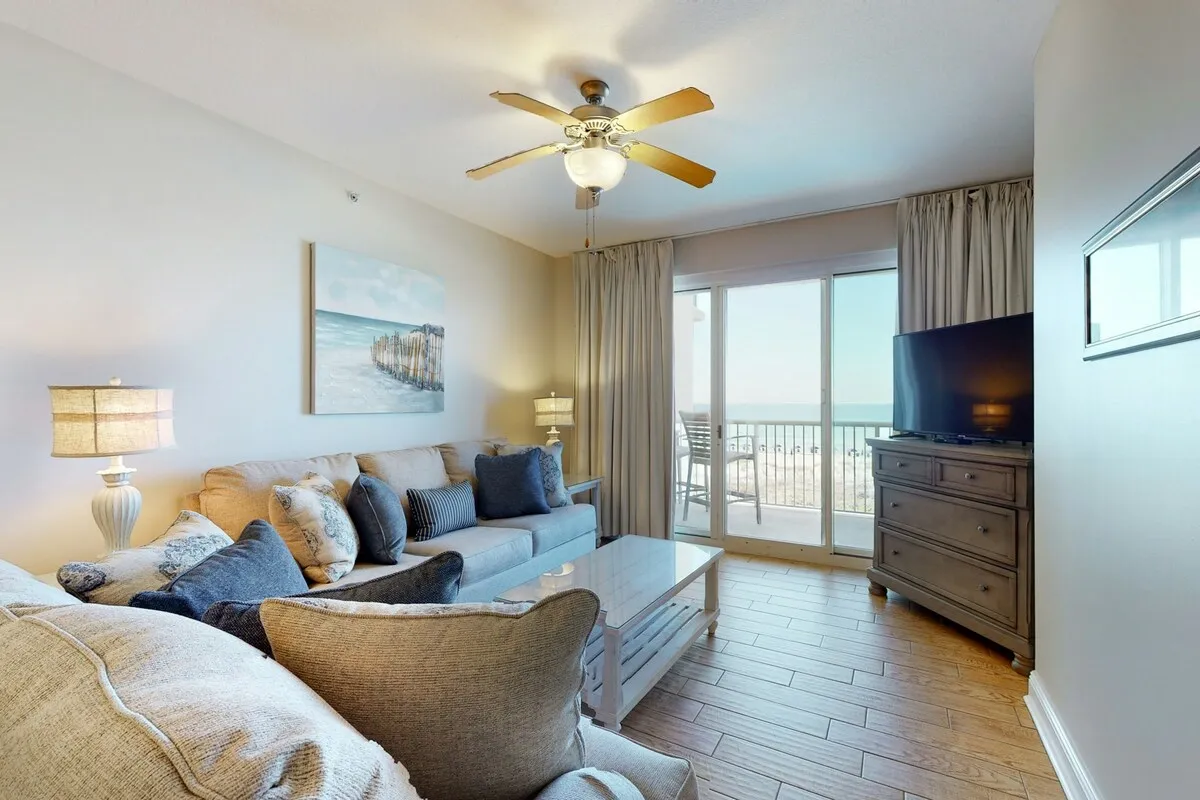
Comfortable Living During Florida Summers
Florida's warm climate is one of its biggest attractions, but long periods of heat and humidity can make staying comfortable indoors a challenge. While lower utility bills are a major advantage of energy-efficient construction, the benefits extend far beyond monthly savings.
Modern homes are designed to create a healthier, quieter, and more comfortable indoor environment. By combining improved insulation, advanced HVAC systems, energy-efficient windows, and better air sealing, today's homes provide a level of comfort that many older homes simply cannot match.
More Consistent Room Temperatures
One common complaint in older homes is uneven temperatures from room to room. Some areas may feel too warm while others remain cool, making it difficult to maintain a comfortable environment throughout the house.
Modern construction helps minimize these temperature differences through:
High-performance insulation.
Better air sealing.
Properly designed HVAC systems.
Improved ductwork.
These features distribute conditioned air more evenly, helping every room stay comfortable throughout the day.
Better Humidity Control
Florida's high humidity can make indoor spaces feel warmer than the actual temperature. Excess moisture can also contribute to condensation, musty odors, and mold growth if not properly managed.
Many newly built homes include high-efficiency HVAC systems and improved ventilation designed to remove excess humidity while maintaining comfortable indoor conditions.
Better humidity control can make your home feel cooler, improve comfort, and support a healthier living environment.
Improved Indoor Air Quality
Modern homes are built with ventilation systems that help bring in fresh outdoor air while filtering airborne particles and controlling indoor moisture.
Combined with tightly sealed construction, these systems help reduce the amount of:
Dust.
Pollen.
Outdoor pollutants.
Allergens.
Excess humidity.
The result is cleaner indoor air and a more comfortable environment for everyone, especially individuals with allergies or respiratory sensitivities.
Fewer Hot and Cold Spots
Energy-efficient construction helps eliminate many of the hot and cold spots commonly found in older homes.
Features such as properly sealed ductwork, insulated walls, energy-efficient windows, and balanced airflow help maintain consistent temperatures across living spaces.
Whether you're relaxing in the living room, preparing meals in the kitchen, or sleeping at night, you'll enjoy a more even level of comfort throughout the home.
Reduced Outside Noise
Better insulation and high-performance windows provide another benefit that many homeowners appreciate: a quieter home.
Modern construction materials help reduce the amount of outside noise entering the home, including:
Traffic.
Lawn equipment.
Heavy rain.
Neighborhood activity.
Wind.
This improved sound insulation creates a more peaceful indoor environment for working, relaxing, and sleeping.
Designed for Florida Living
Florida homes must withstand intense sunshine, high humidity, and extended cooling seasons. Modern building practices are specifically designed to address these conditions by combining:
High-performance insulation.
Energy-efficient windows.
Tight air sealing.
Advanced HVAC systems.
Improved ventilation.
Together, these features help maintain comfortable indoor conditions while reducing the amount of energy required to cool the home.
Comfort That Lasts All Summer
During Florida's hottest months, homeowners spend a significant amount of time indoors. A home that maintains stable temperatures, controls humidity, filters indoor air, and reduces outside noise can greatly improve everyday living.
Instead of constantly adjusting the thermostat or dealing with uncomfortable rooms, homeowners can enjoy a consistently comfortable environment throughout the summer.
Energy-efficient construction offers much more than lower utility bills. Modern homes provide more consistent room temperatures, better humidity control, improved indoor air quality, fewer hot and cold spots, and reduced outside noise through advanced insulation and construction techniques. These comfort improvements make daily living more enjoyable while helping homeowners stay cool throughout Florida's long, hot summers.
While the purchase price of a newly built home may be higher than some older properties, the long-term savings can make it a smart investment. Better insulation, energy-efficient windows, advanced HVAC systems, improved air sealing, reflective roofing, and smart technology all work together to reduce air conditioning costs during Florida's hottest months.
For buyers planning to stay in their home for many years, these energy-saving features can provide lasting value through lower utility bills, greater comfort, and reduced maintenance expenses.
Sources
U.S. Department of Energy. Insulation.https://www.energy.gov/energysaver/insulation
U.S. Department of Energy. Air Sealing Your Home.https://www.energy.gov/energysaver/air-sealing-your-home
International Code Council. International Energy Conservation Code (IECC).https://www.iccsafe.org/products-and-services/i-codes/2024-i-codes/iecc/
U.S. Department of Energy. Energy Efficient Window Attachments.https://www.energy.gov/energysaver/energy-efficient-window-attachments
U.S. Department of Energy. Windows.https://www.energy.gov/energysaver/windows-doors-and-skylights/windows
ENERGY STAR®. Energy Efficient Windows, Doors, and Skylights.https://www.energystar.gov/products/windows_doors_and_skylights
Efficient Windows Collaborative. Window Performance and Selection.https://efficientwindows.org/
U.S. Department of Energy. Air Sealing Your Home.https://www.energy.gov/energysaver/air-sealing-your-home
U.S. Department of Energy. Energy Saver: Heating and Cooling.https://www.energy.gov/energysaver/heating-and-cooling
ENERGY STAR®. Air Sealing and Insulation.https://www.energystar.gov/saveathome/seal_insulate
U.S. Environmental Protection Agency & ENERGY STAR®. Home Improvement: Seal and Insulate.https://www.energystar.gov/saveathome
U.S. Department of Energy. Cool Roofs.https://www.energy.gov/energysaver/cool-roofs
U.S. Environmental Protection Agency. Using Cool Roofs to Reduce Heat Islands.https://www.epa.gov/heatislands/using-cool-roofs-reduce-heat-islands
ENERGY STAR®. Roof Products.https://www.energystar.gov/products/roof_products
Florida Solar Energy Center. Cool Roofs and Roofing Research.https://www.fsec.ucf.edu/
U.S. Department of Energy. Programmable Thermostats.https://www.energy.gov/energysaver/programmable-thermostats
U.S. Environmental Protection Agency & ENERGY STAR®. Smart Thermostats.https://www.energystar.gov/products/smart_thermostats
ENERGY STAR®. Save Energy with a Smart Thermostat.https://www.energystar.gov/saveathome/heating-cooling/smart-thermostats
U.S. Environmental Protection Agency & U.S. Department of Energy. ENERGY STAR® Certified Products.https://www.energystar.gov/products
U.S. Environmental Protection Agency. About ENERGY STAR®.https://www.energystar.gov/about
U.S. Department of Energy. Energy Saver: Appliances and Electronics.https://www.energy.gov/energysaver/appliances-and-electronics
ENERGY STAR®. Benefits of ENERGY STAR Certified Appliances.https://www.energystar.gov/products/appliances
Florida Building Commission. Florida Building Code and Florida Energy Conservation Code.https://floridabuilding.org/
U.S. Department of Energy. Building Energy Codes Program.https://www.energycodes.gov/
International Code Council. International Energy Conservation Code (IECC).https://www.iccsafe.org/products-and-services/i-codes/2024-i-codes/iecc/
U.S. Department of Energy. Energy Saver: Home Design and Construction.https://www.energy.gov/energysaver/design-and-construction-homes
U.S. Department of Energy. Energy Saver: Heating and Cooling.https://www.energy.gov/energysaver/heating-and-cooling
U.S. Department of Energy. Insulation.https://www.energy.gov/energysaver/insulation
U.S. Environmental Protection Agency. Indoor Air Quality (IAQ).https://www.epa.gov/indoor-air-quality-iaq
ENERGY STAR®. Air Sealing and Insulation.https://www.energystar.gov/saveathome/seal_insulate
Florida Solar Energy Center. Energy-Efficient Homes in Florida.https://www.fsec.ucf.edu/
U.S. Department of Energy. Energy Saver: Insulation. https://www.energy.gov/energysaver/insulation
U.S. Department of Energy. Energy Saver: Air Sealing Your Home. https://www.energy.gov/energysaver/air-sealing-your-home
U.S. Environmental Protection Agency. ENERGY STAR Certified Homes. https://www.energystar.gov/newhomes
Florida Building Code, Energy Conservation. https://www.floridabuilding.org