EV charging when your rental has none: condo rules in Boca/Deerfield, garage 240V options in Palm Coast (and approval steps)
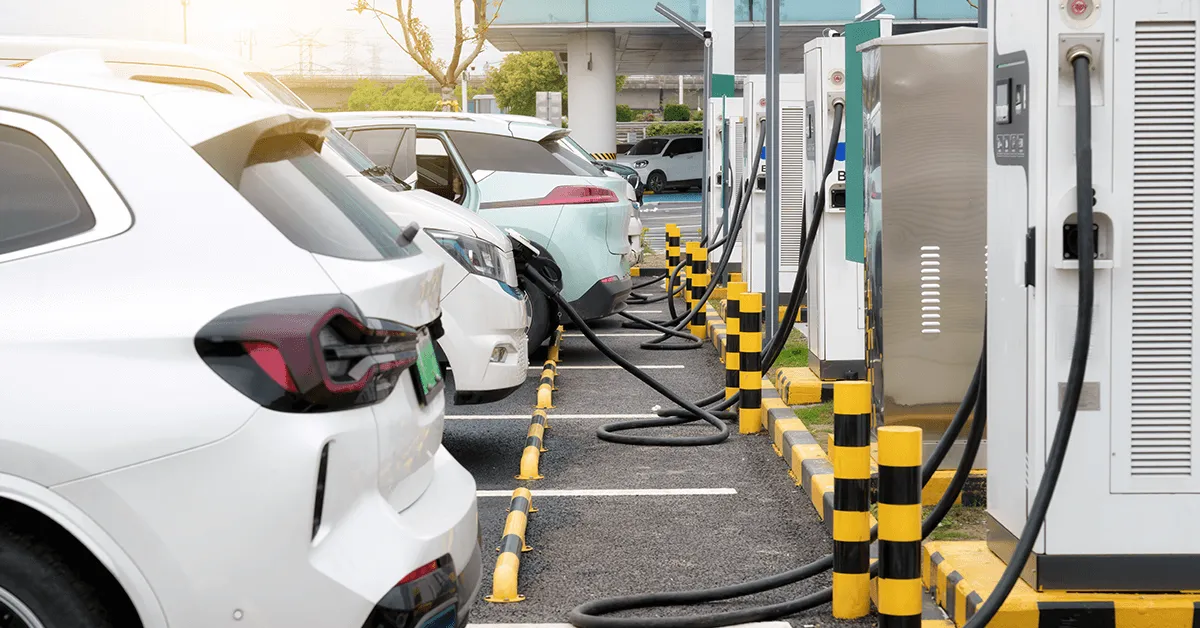
Electric vehicles are common enough that not having a charger where you live is now a practical problem, not just an inconvenience. If your rental unit or condo parking space has no EV charging, the route you take depends on where you live and who controls the parking: a condominium association, a landlord, or your own detached garage. Below I explain the legal background for Florida condos (what associations can and must allow), practical options for renters, and a step-by-step for getting a 240-volt (Level-2) outlet installed in a Palm Coast garage — including permits, electricians, and common hurdles.
Quick legal reality check (Florida condos & EV chargers)
Florida Law on EV Chargers in Condo Parking Spaces: What Owners & Associations Need to Know
Florida has made it clear: condominium associations cannot simply ban residents from installing electric-vehicle (EV) charging stations in their designated parking spaces or limited common elements. As EV adoption accelerates across the state, this law ensures that unit owners have a fair opportunity to support home charging while also respecting safety, insurance, and community standards.
What the Law Says
Florida statutes expressly limit a condominium association’s authority to stop an owner from installing an EV charging station in their assigned parking area or limited common element. The intent is to prevent blanket prohibitions that would make EV ownership impractical for condo residents.
The association may not issue an outright denial if:
The parking space is assigned to the owner (exclusive use).
The installation meets all building, electrical, and fire codes.
A licensed and insured contractor performs the work.
The owner agrees to comply with the association’s reasonable rules and procedures.
What Associations Can Require
Although associations cannot prohibit the installation, they can enforce reasonable protections to ensure safety, compliance, and shared responsibility. Typical requirements include:
1. Code-Compliant Installation
Installations must meet:
Florida Building Code
National Electrical Code
Local permitting and inspection requirements
Associations can require proof of permits and final sign-off by local authorities.
2. Insurance & Liability Protections
Associations are allowed to require owners to:
Carry added insurance coverage for the EV charger
Name the association as an additional insured
Cover any damage caused by the charger or its operation
This protects the community from additional risks associated with new electrical equipment.
3. Dedicated Meters or Reimbursement
Because electricity for EV charging is a personal expense, associations may require:
A separate meter for the charger, or
Monthly reimbursement to the association for electricity used
Owners are responsible for all installation and operational costs.
4. Removal or Restoration Conditions
If the owner sells the unit, the association may require them to:
Remove the charger
Restore the area to its prior conditionunless the buyer agrees to take responsibility.
Why This Matters
Florida’s approach supports EV growth without burdening community associations. Owners get access to home charging—a crucial part of EV ownership—while associations keep the ability to protect safety, aesthetics, and financial fairness within the property.
The Bottom Line
Florida law protects condo owners’ right to install EV charging stations in their assigned spaces. Associations may regulate, but they cannot outright ban these installations when owners follow proper procedures, meet all code requirements, and assume associated responsibilities.
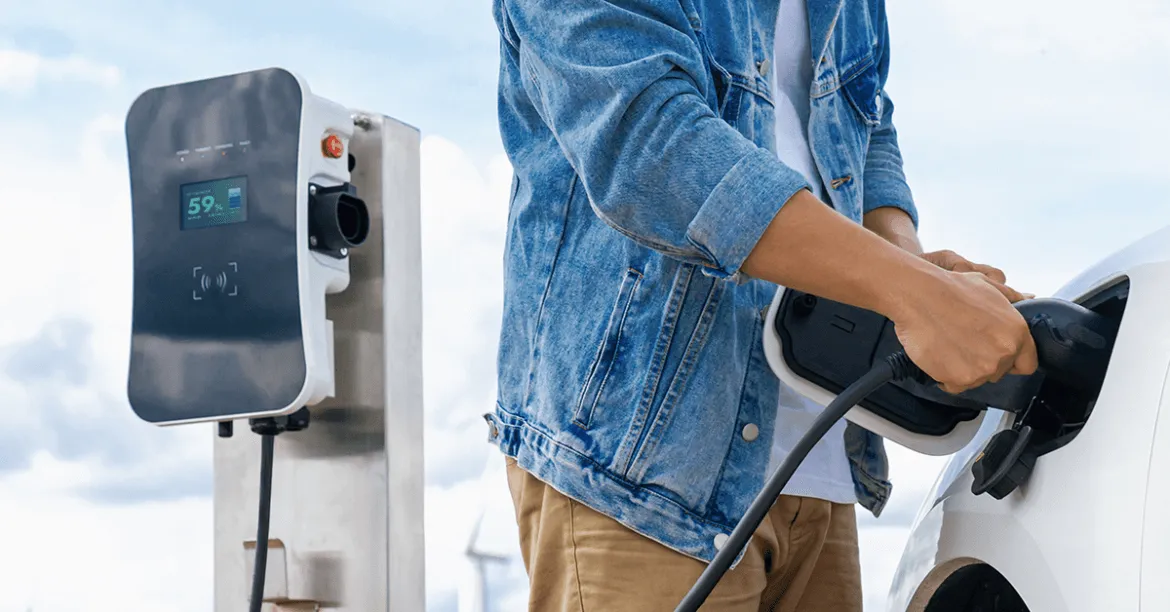
Condo EV Charging in Florida: Owners Have Rights—Associations Still Set the Rules
As EV ownership becomes mainstream in Florida, condominium boards and residents are navigating the balance between an owner’s right to install a charging station and the association’s authority to regulate how that installation occurs. Florida law gives unit owners clear leverage to pursue an EV charger in their designated parking space, but recent legal commentary shows that associations still retain substantial control over the process, safety, and conditions of installation.
Associations Cannot Ban—But They Can Regulate
Florida statutes limit a condominium association’s ability to prohibit an owner from installing an EV charging station in an assigned or limited common element parking space. However, the same law allows associations to enforce reasonable conditions that protect the property and minimize community risk.
Associations may legally regulate:
1. Installation Design & Technical Standards
Boards can require:
Conduit routing and wiring to meet association-approved standards
Mounting locations that preserve structure, drainage, or fire-access pathways
Use of specific equipment types (UL-listed, load-managed, or safety-certified)
This ensures the charger integrates safely with the building’s electrical system.
2. Safety & Code Compliance
Even if an owner has the right to install a charger, associations can mandate:
Compliance with the National Electrical Code
Local permits and inspections
Work performed by licensed and insured electrical contractors
Electrical load studies if the property's capacity is in question
These requirements protect shared infrastructure and help avoid overloads or hazards.
3. Insurance Requirements
Boards may require owners to provide:
Proof of added liability insurance
Naming the association as an additional insured
Agreement to cover damage caused by the charger or wiring
This ensures the financial burden of any malfunction or incident does not fall on the community.
4. Owner Responsibility for All Costs
Florida guidance consistently affirms that:
The requesting owner pays for every cost related to installation, operation, maintenance, and future removal.
Associations can require a separate meter or reimbursement for electricity usage.
Cost allocation remains one of the association’s strongest tools to ensure fairness.
Common-Area Installations: Boards Prefer Centralized Control
Many associations—especially mid-rise and high-rise condos—choose not to permit scattered, owner-by-owner installations in favor of shared Level-2 charging banks. These setups feature:
Centralized wiring infrastructure
Dedicated billing or app-based access
Vendor-managed maintenance and load balancing
Boards prefer this method because it:
Protects common-area electrical capacity
Prevents visually inconsistent installations
Simplifies fire-safety and insurance oversight
Legal Commentary: Owners Have Rights, But Conditions Still Apply
Recent legal analysis from Florida law firms, including Becker, reinforces two major themes:
Unit owners have statutory leverage—associations cannot simply refuse an EV charger request without valid, code-based reasons.
Associations retain broad authority to impose reasonable conditions, require compliance, and ensure all financial and safety obligations are met.
This balance encourages EV adoption while maintaining responsible oversight.
The Bottom Line
Florida law empowers condo owners to install EV chargers, but it doesn’t strip associations of control. Boards can—and should—regulate design standards, safety requirements, insurance, and cost responsibilities. Owners who follow the rules and provide the required documentation generally have strong footing to pursue an installation, while associations maintain the structure needed to protect shared property.
If you’re a renter in a Boca Raton / Deerfield condo or building — practical options
EV Charging as a Renter in a Florida Condo: What You Can and Cannot Do
As EV adoption increases across Florida, more renters are hoping to install charging stations at home. But in a condominium governed by an HOA or condo association, the process becomes more complex—especially for tenants. Florida law grants installation rights to unit owners, not renters, meaning a tenant cannot independently demand approval from the association. Understanding the correct process can save time, frustration, and misunderstandings with both the landlord and the board.
Start With the Unit Owner—Not the Association
If you’re a renter, your first step is always the same: talk to your landlord. Under Florida condominium law, the association’s obligations and permissions apply to unit owners, not tenants. This means:
A renter cannot directly force the association to allow an EV charger.
Requests for installation must come from the unit owner.
The association will only review and approve plans submitted by the owner or the owner’s authorized representative.
Even when the law prohibits an association from banning EV chargers in assigned spaces, that protection only applies when a unit owner is the applicant.
What to Ask the Owner
When approaching your landlord, clarify:
1. Will they allow you to install a charger?
Some landlords are supportive, especially if it may increase the unit’s desirability or long-term value.
2. Will they submit the formal request to the association?
Because the association must review owner-submitted plans, the landlord must agree to initiate the process.
3. Who will pay for the installation, permits, insurance, and future removal?
Even though owners typically bear the costs under Florida law, landlords may negotiate with you as the tenant.
4. Will you need to remove the charger when your lease ends?
Many landlords require restoration of the parking area unless the next tenant or buyer agrees to assume responsibility.
If the Owner Says No
If your landlord does not want to pursue an EV charger installation, your options become limited. A renter cannot override a unit owner’s decision or bypass the association.
Instead, consider:
Public charging stations (many Florida metros now have strong coverage)
Workplace charging, if your employer offers it
Off-site parking with available EV charging (garages, coworking hubs, retail sites with overnight options)
These alternatives are often the only short-term solution when the property owner declines to participate.
Why the Process Works This Way
Florida’s EV charging statute for condominiums is structured to balance owner rights with association oversight. Because renters do not hold the property interest, they are not granted the statutory protections that allow owners to install chargers in limited common elements or assigned spaces.
The law recognizes:
The owner is responsible for costs
The owner must insure the equipment
The owner must ensure code compliance
The owner must indemnify the association
These obligations cannot be imposed on a renter without the owner’s involvement.
If you rent in a Florida condo and want an EV charger, the unit owner must be your starting point. The association will not process your request, and Florida law does not give tenants independent rights to demand access. Your best path is open communication with your landlord, a clear understanding of costs, and a willingness to explore alternatives if the owner declines.
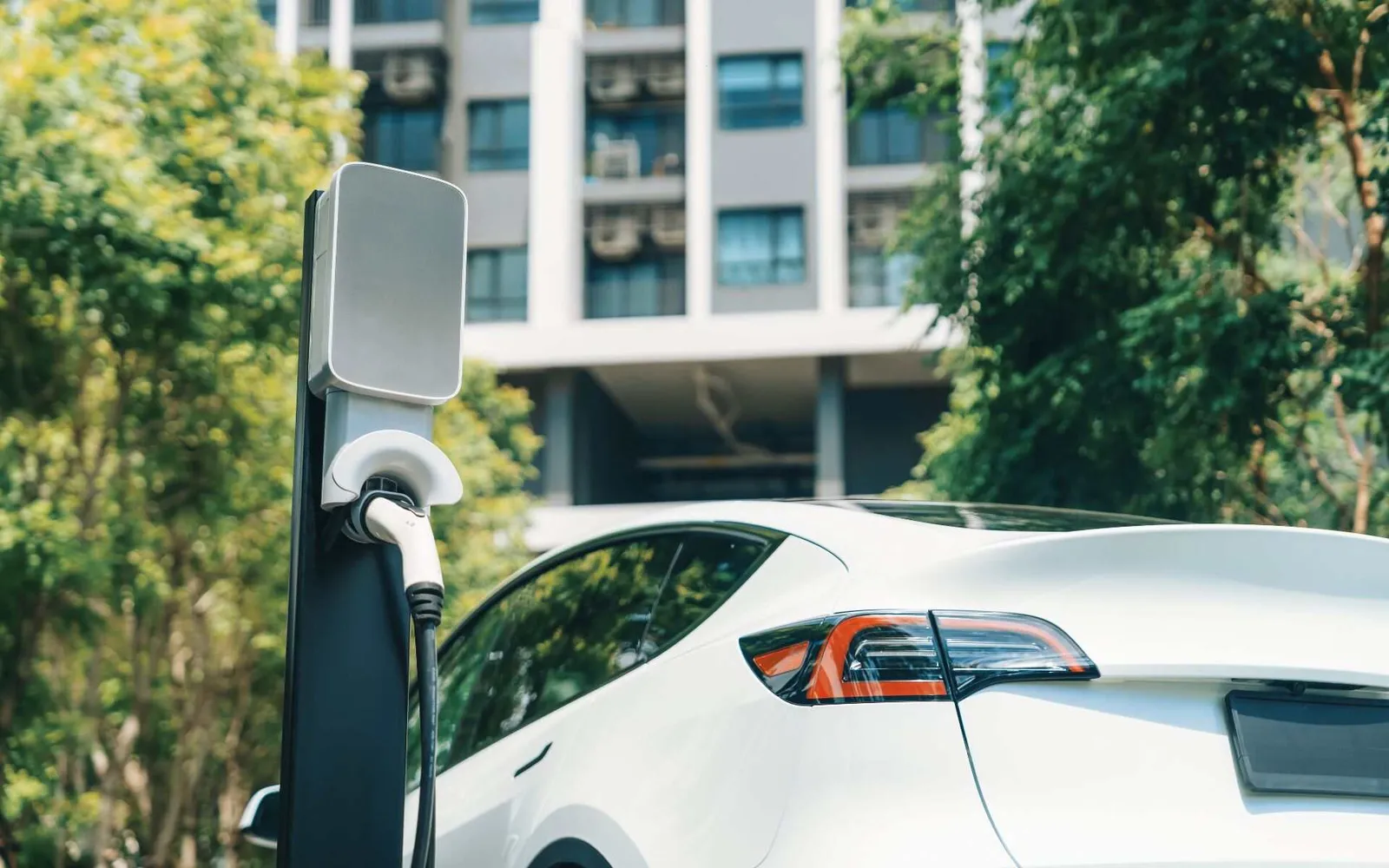
Check Your Building’s EV Policy: An Essential First Step for Condo and HOA Residents
Before starting any conversation about installing an EV charger in your assigned parking space, one of the smartest moves you can make is to ask your condo board or property manager whether your building already has an EV charging policy. Many South Florida communities—especially in areas like Boca Raton and Deerfield Beach—have begun adopting structured guidelines, pilot programs, or partnerships with utilities and EV-charging companies. Knowing what already exists can save you time, clarify your options, and help you plan next steps.
Why an Existing EV Policy Matters
A formal EV policy created by the association often outlines:
Whether private installations are allowed
Approved installation processes and contractor requirements
Electrical-capacity limitations and load-management rules
Insurance, maintenance, and responsibility provisions
Whether the building supports shared charging stations instead of individual units
Some associations have already prepared procedures aligned with Florida statute—making installations faster and more predictable.
Growing Trend in South Florida: Building-Supported Charging
Florida’s coastal cities, particularly in the tri-county region, have been accelerating EV adoption. As a result, more condo boards are preparing for resident demand.
Many communities now offer:
Shared Level-2 charging stations in guest parking or designated charging zones
Partnerships with FPL EVolution, ChargePoint, or other third-party operators
Reservation systems, app-based billing, and load-managed hardware
Pilot programs that test shared charging before expanding infrastructure
These programs allow residents to charge at home without having to fund a private installation while the building evaluates long-term needs.
Local Context: Boca Raton & Deerfield Beach
Both Boca Raton and Deerfield Beach actively support EV adoption through public resources and infrastructure deployment. This matters for residents of local condos because these stations can serve as interim options while you pursue board approval for a home charger.
Residents commonly use:
City-operated public charging stations
Chargers located at parks, beaches, libraries, and municipal complexes
Retail-based stations in major centers across both cities
These can bridge the gap if the board is reviewing your request, if a building upgrade is required, or if the association prefers shared charging over private installations.
How to Start the Conversation
When you speak with the board or property manager, ask:
Does the building have a written EV policy or guideline?
Are residents allowed to install private Level-1 or Level-2 chargers?
Does the property offer shared or common-area charging?
Is the association planning electrical upgrades or an EV pilot program?
Is there an approved contractor list or specific installation requirements?
A clear policy—if one exists—will define your path and may shorten the approval process considerably.
Before requesting a private charger, always confirm whether your condo association already has an EV policy in place. Many South Florida communities, especially in Boca Raton and Deerfield Beach, have moved toward structured programs or municipal partnerships that can benefit residents. Public charging deployments in both cities also provide reliable alternatives while you work through the approval stages for a private installation.
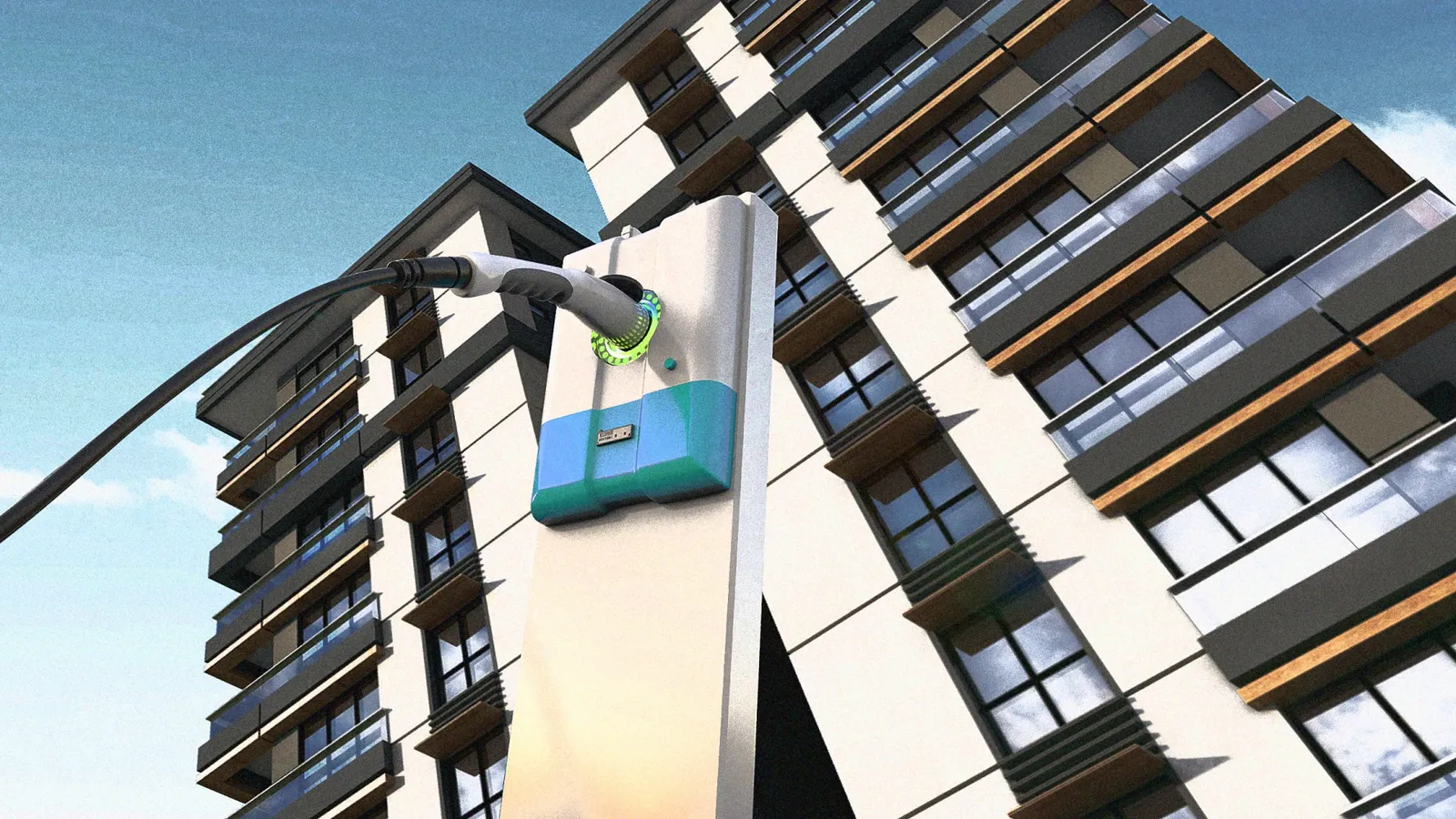
How to Propose a Compliant EV Charger Installation Plan in a Florida Condo
If your unit owner agrees to pursue an electric-vehicle (EV) charger installation, the next step is preparing a clear, compliant plan for the condominium association. Florida law prevents associations from outright prohibiting EV charger installations in an owner’s assigned parking space, but it also gives boards strong authority to impose reasonable conditions to ensure safety, code compliance, and cost fairness.
A well-prepared proposal not only speeds up board review—it also shows that you understand the association’s responsibilities and are prepared to meet them.
Typical Requirements: What Associations Expect
Across Florida communities, associations tend to request similar components in an EV-installation package. These expectations align with federal guidance from the U.S. Department of Energy’s Alternative Fuels Data Center (AFDC), which summarizes common conditions that associations may legally require.
1. Signed Owner Indemnity and Proof of Insurance
Most boards require:
A hold-harmless/indemnification agreement, confirming the owner will accept responsibility for any damage linked to the charger, wiring, or installation.
Proof of liability insurance, often naming the association as an additional insured.
Agreement to maintain that insurance for as long as the charger remains installed.
This protects the association against property damage, electrical faults, or fire events.
2. Work Performed by a Licensed Electrician
Associations almost always require:
A Florida-licensed electrical contractor
Proof of contractor license and insurance
Evidence of appropriate permits from local building authorities
This ensures safe installation and protects the building’s electrical infrastructure.
3. Full Compliance With Applicable Codes
Boards typically require the owner to demonstrate compliance with:
Florida Building Code
National Electrical Code (NEC)
Local fire-safety rules and municipal amendments
They may request permit numbers, inspection sign-offs, panel-load calculations, and equipment cut-sheets before granting final approval.
4. Owner Payment for All Costs
Florida guidance and federal EV-charging best practices are clear: the requesting owner pays for everything related to the installation. This usually includes:
Electrical work and labor
Conduit installation or trenching
Load management devices or electrical-panel upgrades
Metering equipment
Ongoing electricity usage
Maintenance and future removal, if required
Associations cannot shift these costs onto other owners, and they have the right to require clear financial responsibility from the applicant.
Additional Documentation Often Requested
Boards may also ask for:
A copy of the EV charger's specifications and technical manual
A detailed site plan showing conduit routing and panel locations
A load calculation prepared by the electrician
Photos or diagrams indicating the exact mounting position
Providing these documents upfront can significantly reduce approval delays.
Why a Strong Proposal Matters
Submitting a complete and compliant plan makes it easier for the board to approve your installation because:
It demonstrates good faith and readiness to follow all rules
It addresses typical safety and insurance concerns
It minimizes legal risk for the association
It speeds the board through its review obligations
AFDC guidance notes that well-structured proposals help associations meet statutory requirements while maintaining safe, equitable charging access.
If a unit owner is ready to move forward with an EV charger request, presenting a thorough, code-compliant, and fully documented plan is essential. Associations in Florida commonly require indemnification, licensed installation, adherence to building and fire codes, and full cost responsibility. Following AFDC (DOE) best-practice guidance helps ensure the request is approved smoothly—and safely.
When Your Condo Association Prefers Shared EV Charging: Why a Communal Solution May Be the Best Option
As electric vehicles become more common across Florida, many condominium residents begin by requesting permission for a private charger in their assigned parking space. But in some communities, the association may respond with a different approach—one centered on shared or communal charging stations installed on common elements.
This preference is increasingly common in Florida condos, and recent guidance from community-association legal sources explains why. Boards have obligations to protect shared infrastructure, manage electrical capacity, and ensure that charging solutions are fair and enforceable for all residents. When these factors point toward a centralized system, owners are often encouraged to consider the communal option.
Why Associations Choose Shared Charging Stations
Condo boards often prefer shared EV chargers for several practical and operational reasons. These include:
1. Centralized Billing and Electricity Management
A shared charging station allows:
Accurate usage-based billing, instead of relying on owner reimbursements
Monitoring through apps or vendor platforms
Better control over electricity loads on the building’s service
Third-party vendors can also handle billing directly, removing administrative burdens from the association.
2. Load Management and Infrastructure Protection
Older buildings or those with limited spare electrical capacity may not be able to support multiple private chargers. A communal setup allows:
Load balancing
Smart scheduling
Controlled expansion as demand grows
This avoids system overloads that individual installations could create.
3. Less Invasive Electrical Work
Private chargers usually require:
Conduit runs
Panel upgrades
Long wiring routes through common elements
Shared chargers reduce the need for unit-by-unit electrical modifications and limit disruption to walls, ceilings, garages, and risers.
4. Consistent Enforcement and Parking Control
Shared charging stations make it easier for the association to manage:
Parking rules
Time limits
Usage enforcement
A central location simplifies oversight and reduces disputes among residents.
What Residents Should Consider
If your association signals that it prefers a communal EV solution, it’s worth evaluating — not resisting — the idea. While private chargers offer convenience, a shared system can often be:
Faster to implement than coordinating individual installations
Less expensive for owners, depending on vendor arrangements
More scalable for buildings expecting growing EV adoption
Fully compliant with electrical capacity and fire-safety requirements
Many Florida buildings implement shared Level-2 chargers with vendor support, offering reasonable charging speeds and app-based access.
Tradeoffs: What to Expect
Choosing a communal charging setup does come with considerations:
You may need to schedule time on the charger
There may be usage fees or monthly access fees
Availability depends on building demand
The charger may not be as convenient as one in your personal space
Still, for many multi-unit buildings, shared infrastructure is the most practical long-term solution.
Why Associations Are Encouraged to Explore Communal Solutions
Legal commentary from Florida community-association practitioners explains that boards have the authority to evaluate the building’s electrical capacity and decide whether individual installations are feasible. When capacity is limited or when widespread owner interest is expected, a communal system offers consistency, predictability, and reduced risk.
Boards may still allow private chargers, but many prefer centralized installations to ensure the building remains safe, maintainable, and compliant with modern EV-charging standards.
If your condo association prefers shared EV charging stations, take the time to consider the option. Communal chargers often streamline billing, protect infrastructure, reduce installation disruption, and provide a scalable, equitable solution for the entire community. While they may come with usage fees and scheduling requirements, they can also be implemented more quickly and efficiently than individual installations.
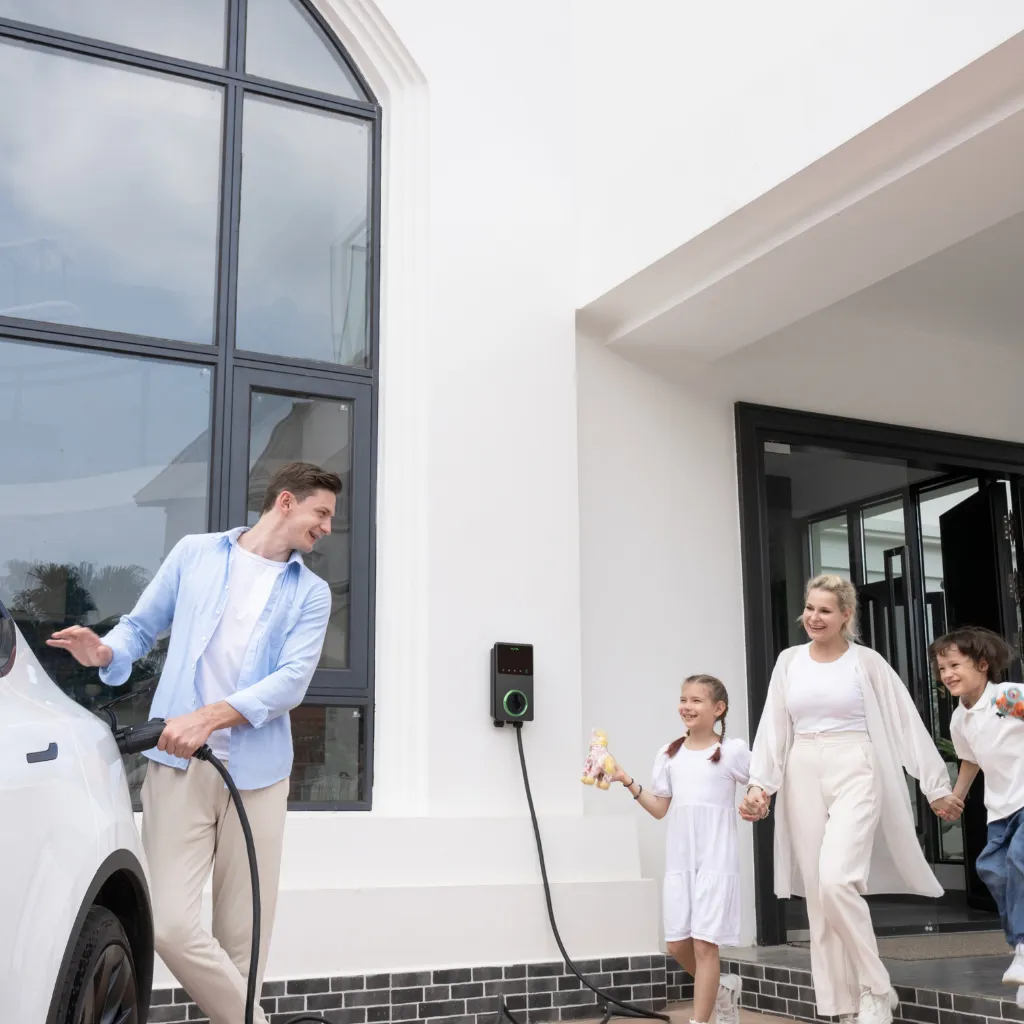
If you have (or can get access to) a private garage in Palm Coast — 240V (Level-2) options & approval steps
For a private garage (single-family home, townhome garage, or private assigned garage), installing a 240-volt outlet or a hard-wired Level-2 charger is the usual choice: faster charging and better for daily driving.
Typical Level-2 installation steps (Palm Coast checklist)
Confirm Property Control and Permission Before Installing an EV Charger
Before installing an electric-vehicle (EV) charger at a home you rent, the most important step is confirming who controls the property and securing the proper written permission. Whether the rental is a single-family house, a townhouse, or a garage space inside a condominium or HOA community, the installation of electrical equipment requires approval from the person or entity that holds legal authority over the property: the owner.
This requirement exists not only for safety and liability reasons but also because Florida law grants installation rights to unit owners—not tenants—when it comes to EV charging in condo or HOA communities.
Renting a Single-Family House or Garage: Get the Owner’s Written Consent
If you rent a standalone house, detached garage, or attached garage, you must obtain explicit, written permission from your landlord before beginning any EV charging installation. This written consent should cover:
Approval to install a Level-1 or Level-2 charger
Permission to run conduit, upgrade panels, or make electrical modifications
Responsibility for installation costs, maintenance, and removal when the lease ends
Whether the charger may remain after you vacate
Even in single-family homes where HOAs are not involved, landlords control alterations to electrical systems. Installing a charger without permission can violate the lease and may result in liability for property damage.
If the Garage or Parking Space Is Part of a Condo/HOA
If the home you rent belongs to a condominium or HOA—common in Florida—the process becomes more regulated. In these cases:
Only the owner can submit an EV charger request to the association.
Tenants cannot directly request installations from the board or property manager.
Florida law protects an owner’s right to install a charger in an assigned space (with conditions), but it does not extend that right to renters acting alone.
This means that even if your landlord verbally allows the charger, it cannot move forward unless the owner formally signs and submits the documents required by the board, such as:
Permit applications
Indemnity and insurance agreements
Electrical plans and contractor details
Without owner involvement, the association will not review or approve the request.
Why Written Permission Matters
EV charger installations involve electrical upgrades, safety inspections, liability coverage, and compliance with local building codes. For all of these reasons:
The owner is the legally responsible party.
The owner must carry required insurance.
The owner must authorize licensed contractors to perform the work.
The owner is accountable to the HOA or condo board, if applicable.
Written permission protects you, the landlord, and the association by establishing who is responsible for costs, damages, and long-term maintenance.
If the Owner Declines
If your landlord does not wish to pursue the installation, your alternatives include:
Public charging stations
Workplace charging
Off-site parking with available EV charging
Portable Level-1 charging (if permitted by the lease and safely supported by the outlet infrastructure)
Although not ideal, these options help bridge the gap for renters whose landlords are not ready to support installation.
Before installing an EV charger in a rental home or garage, confirm who controls the property and secure written permission from the owner. If the property falls under an HOA or condominium association, the owner must sign off and follow the association’s approval process, as Florida law assigns installation rights and responsibilities to owners—not tenants. Getting these permissions early ensures compliance with law, safety standards, and community rules.
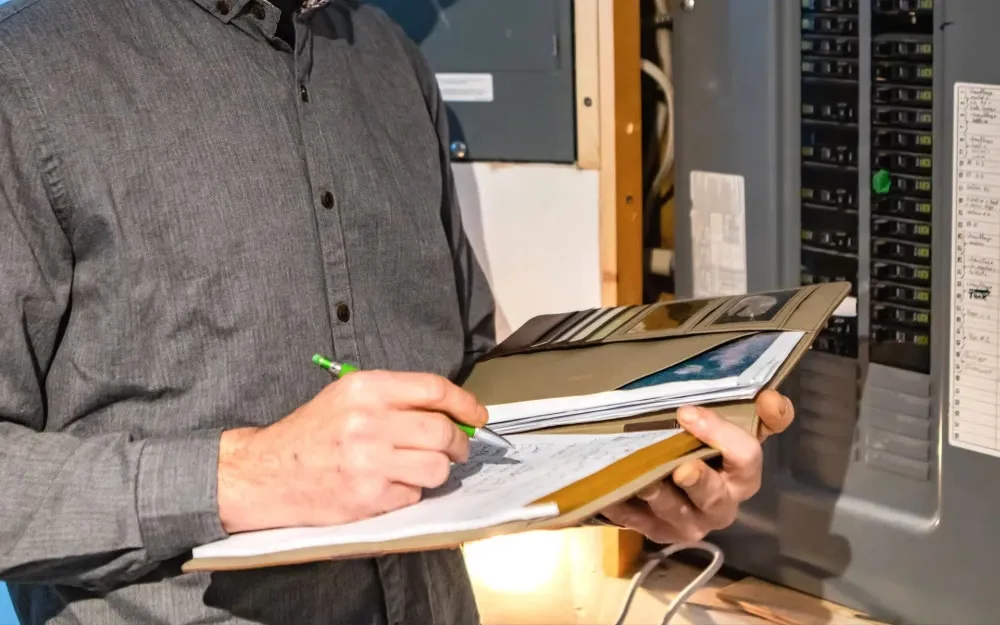
How to Permit an EV Charger Installation in Palm Coast: What Homeowners and Contractors Need to Know
Installing a Level-2 electric-vehicle (EV) charger at a home in Palm Coast typically requires coordination with the city’s Building Services Department. Because most Level-2 chargers involve adding a new 240-volt circuit, modifying an electrical panel, or running conduit, Palm Coast generally requires an electrical permit, plan review, and a final inspection to ensure the installation meets safety and code standards.
Whether you are a homeowner, renter with owner approval, or a contractor preparing the work, contacting Palm Coast Building/Permitting early in the process will save time and prevent delays.
Start With Palm Coast Building Services
Palm Coast operates a dedicated online permitting and plan-review portal, enabling residents, property managers, and licensed contractors to submit applications, upload documents, track reviews, and schedule inspections.
To begin the process, you should:
Visit the Palm Coast ePlan / permits portal
Review electrical-permit requirements
Contact Building Services by phone or email if you need clarification on submittal items
The city’s staff can advise whether your specific installation requires additional documentation, load calculations, or site plans based on the scope of work.
Why Level-2 Chargers Require a Permit
Unlike Level-1 chargers that simply plug into an existing outlet, Level-2 chargers typically require:
A new dedicated 240-volt breaker
Wiring routed through walls or conduit
Evaluation of existing panel capacity
Proper grounding and disconnect requirements
Because this work affects the home’s electrical system, Palm Coast—consistent with state building codes—requires:
A registered electrical contractor
A formal electrical permit
Compliance with the Florida Building Code and National Electrical Code (NEC)
A final inspection before the charger is placed into service
Permitting ensures that the equipment is safely installed, properly rated, and will not overload existing circuits.
What to Include in Your Application
When submitting your permit request through the Palm Coast portal, prepare to include:
Contractor information and license numbers
A detailed scope of work
Panel schedule or load calculation
Wiring method and breaker size
Charger specifications (manufacturer cut-sheet)
Site plan if conduit is being added externally
Palm Coast Building Services may request additional documentation depending on the configuration of the home or garage.
Inspection and Final Approval
Once the installation is complete:
The contractor will schedule an inspection through the portal.
A building inspector will verify wiring methods, bonding, equipment labeling, and proper breaker installation.
After approval, the permit is closed and the EV charger can be fully activated.
This step ensures the system is safe for long-term operation and compliant with code.
Why Early Contact Helps
Reaching out to Palm Coast Building/Permitting before you begin:
Confirms exactly which documents are required
Prevents delays or rejections in plan review
Ensures the work complies with local interpretations of NEC rules
Gives you clarity on inspection timelines
For condos or HOA communities in Palm Coast, confirming permitting requirements is especially important because the association may request proof of permit issuance and inspection as part of its approval process.
Installing a Level-2 EV charger in Palm Coast almost always requires an electrical permit, plan review, and inspection. Use Palm Coast’s online permitting portal to submit your application and contact Building Services directly to confirm any specific requirements. This ensures a safe, compliant installation that meets local code and keeps your home charging system operating reliably.
Hire a Florida-Licensed Electrician for a Safe and Code-Compliant Level-2 EV Charger Installation
Installing a Level-2 EV charger is one of the most valuable home upgrades for Florida EV owners, but it isn’t a simple plug-and-play project. Because it requires a dedicated 240-volt circuit and must meet state and local electrical codes, hiring a Florida-licensed electrician is essential for safety, compliance, and long-term reliability.
1. Load Calculation: Ensuring Your Panel Can Support a 40A Circuit
A typical Level-2 charger needs a 40-amp dedicated circuit, which is considered a continuous load under the National Electrical Code (NEC). Before any installation work begins, a licensed electrician will perform a detailed load calculation to determine:
Whether your existing service panel has enough available capacity
If installing the charger would overload the system during peak usage
Whether a panel upgrade or new subpanel is required to safely support EV charging
This calculation is crucial—many older Florida homes, condos, and townhomes still operate on 100A service, which may be insufficient for modern electrical demand plus EV charging.
2. Wiring, Conduit, Outlet Selection, and System Design
After confirming electrical capacity, the electrician designs the full charging setup, including:
Wiring route (garage, exterior wall, attic run, or conduit along the structure)
Conduit type and installation method suitable for indoor or outdoor exposure
Connection type:
NEMA 14-50 outlet for plug-in chargers, or
Hardwired charger for improved reliability, weather resistance, and compliance with some manufacturer requirements
Metering or sub-metering options if the property owner wants separate billing—for example, in rentals, duplexes, or shared garages
A Florida-licensed electrician ensures every component meets NEC standards and local amendments.
3. Permitting and Inspection Requirements
Industry guidance—including from Qmerit, a leading national EV-charging installation network—confirms that installing a new 240-volt circuit almost always requires:
An electrical permit
A final inspection by the local building department
This is not optional: it is required by Florida Building Code and is often checked during insurance claims, property sales, and HOA or condo compliance reviews. The electrician typically handles all permitting paperwork and inspection scheduling.
Why You Should Not Skip the Professional
Hiring a licensed electrician protects homeowners from:
Shock and fire hazards
Code violations and fines
HOA/condo rule conflicts
Insurance claim denials
Unsafe DIY wiring that can damage vehicles or panels
A properly permitted installation also increases home value and ensures your charger delivers consistent charging speed without tripping breakers or overheating.
Permit Application and Inspection for Electrical Work in Palm Coast, Florida
When installing a Level-2 EV charger or any significant electrical upgrade in Palm Coast, obtaining the proper permits and scheduling inspections is a critical step to ensure safety and code compliance. Florida law and local regulations require that most 240-volt circuit installations undergo formal review by the building department.
1. Submitting the Electrical Permit
The permit process in Palm Coast is straightforward:
Complete the permit application: Many projects require only a simple one-page form, including basic details of the work, contractor information, and the electrical load calculation.
Provide contractor information: Your licensed Florida electrician’s details must be included on the application.
Include load calculations: A professional calculation ensures the existing panel can handle the new circuit and confirms whether an upgrade is necessary.
Pay fees: Permit fees vary depending on the scope of work, but payment is required before work can begin.
2. Scheduling the Inspection
After the electrical work is complete:
Request inspection through the Palm Coast portal: The city operates an online system for scheduling inspections, ensuring convenient access for homeowners and contractors.
Inspection checks: A city inspector verifies that the installation meets the Florida Building Code and the National Electrical Code. This includes proper wiring, breaker sizing, grounding, and overall safety.
Approval: Passing the inspection ensures that your installation is legal, safe, and compliant with all local regulations.
3. Why It Matters
Permits and inspections protect both homeowners and tenants:
Safety: Reduces risks of fire, shock, or property damage.
Legal compliance: Avoids fines or complications when selling or refinancing the property.
Insurance: Ensures coverage in the event of an accident or claim.
Peace of mind: Confirms that the installation is professionally reviewed and up to code.
By following the proper permit and inspection process, Palm Coast residents can safely and confidently upgrade their homes for EV charging or other electrical needs.
Metering and Billing Decisions for EV Charging in Florida: Owner vs. Tenant
As electric vehicles become more common, property owners and tenants in Florida face important metering and billing decisions when installing Level-2 chargers. Proper planning ensures fair cost allocation, legal compliance, and smooth operation of the charging system.
1. Who Pays for Electricity?
Owner-paid charging: The property owner covers all electricity costs. This is the simplest option but may not be desirable in rental or shared-living situations.
Tenant-paid charging: If the tenant is responsible for charging costs, the owner needs a way to measure usage accurately to bill the tenant fairly.
2. Sub-Metering or Smart Chargers
To allocate electricity costs, property owners can consider:
Sub-metering: Installing a dedicated meter for the EV charger allows precise measurement of energy consumption. Tenants can then be billed based on actual usage.
Smart chargers with usage reporting: Many modern chargers integrate with mobile apps, cloud platforms, or utility programs to track energy consumption per vehicle. Some systems even support automated billing, making it easier to recover costs.
Florida HOA and condo guidance frequently notes that owners who install EV chargers should plan for cost recovery and transparent billing to avoid disputes. The right solution depends on property type, number of users, and existing electrical infrastructure.
3. Benefits of Proper Metering and Billing
Transparency: Tenants pay only for the electricity they use.
Cost recovery: Owners can recoup energy expenses without disputes.
Compliance: Ensures adherence to HOA, condo, and utility rules.
Flexibility: Smart-charger solutions can accommodate future residents or multiple users without rewiring.
By discussing metering and billing options before installation, property owners can implement a system that is fair, convenient, and compliant with Florida regulations.
Final Inspection and Paperwork for EV Charger Installations in Florida
After completing an EV charger installation, the final inspection and proper documentation are critical steps to ensure the work is officially approved, safe, and legally recognized. Keeping accurate records protects both homeowners and tenants and simplifies future maintenance or property transactions.
1. Final Inspection
Once the electrical work is complete:
Inspection scheduling: The licensed electrician or homeowner schedules the final inspection with the local building department (e.g., Palm Coast or other Florida municipalities).
Inspection checks: Inspectors verify that the installation meets all applicable Florida Building Codes and the National Electrical Code. This includes proper wiring, breaker sizing, grounding, and overall safety.
Approval: Passing the inspection confirms that the installation is compliant and safe for regular use.
2. Keeping Documentation
After a successful inspection, it is essential to retain all paperwork related to the installation:
Permit record and approval: Proof that the work was legally permitted and inspected.
Inspection report: Details of the final inspection and any notes from the inspector.
Equipment documentation: Chargers’ warranty, serial numbers, and manuals for maintenance and insurance purposes.
Insurance records: Documentation that may be requested by your homeowner’s policy or condominium/HOA association.
3. Why Documentation Matters
Association or landlord requests: HOAs, condos, and landlords may require copies to verify compliance.
Insurance claims: Proof of permitted, inspected work may be needed in case of damage or liability issues.
Property transactions: Future buyers or appraisers may request inspection approval and equipment documentation.
Maintenance and troubleshooting: Manuals and serial numbers help with service, repairs, or warranty claims.
Maintaining organized records ensures your EV charging system is not only safe and compliant but also well-supported for insurance, ownership, and future use.

Costs, timeline, and common hurdles
Understanding the Costs of Residential Level-2 EV Charger Installations in Florida
Installing a Level-2 EV charger at home can range from a convenient upgrade to a significant electrical project. Understanding the typical costs upfront helps homeowners budget appropriately and avoid surprises.
1. Typical Installation Costs
For most residential installations—adding a new 40-amp circuit to a garage—the cost generally falls into a broad range:
Basic installation: A few hundred to around $1,500, if the existing panel has capacity, the garage is near the panel, and no complex wiring or trenching is required.
Moderate installation: $1,500–$3,000, if the wiring distance is longer, conduit or protective measures are needed, or minor panel modifications are required.
Complex installation: Costs can exceed $3,000 if a panel upgrade, subpanel, or trenching is needed, or if local labor rates are high.
Factors affecting cost include:
Distance from the electrical panel to the garage
Whether panel or service upgrades are required
Labor rates in your city or county
Material costs such as conduit, breakers, wiring, and the outlet or hardwired charger
Any permit and inspection fees required by local jurisdictions
2. Panel Upgrades and New Service
If your home’s existing panel cannot safely handle the additional 40-amp load, an upgrade or new electrical service may be required. These projects significantly increase cost due to:
Labor-intensive panel replacement
Additional materials such as larger breakers or bus bars
Permitting and inspection fees
3. Get Multiple Quotations
Because costs can vary widely based on property layout, electrical capacity, and local rates, it is essential to get quotations from several Florida-licensed electricians. A professional estimate will account for:
Load calculations
Wiring routes and conduit
Outlet type (NEMA 14-50 vs. hardwired)
Any panel or service upgrades needed
Comparing quotes ensures you understand the full scope of work and select a qualified installer.
Permitting Time for EV Charger Installations in Palm Coast, Florida
When planning a Level-2 EV charger installation, permit turnaround time is an important factor that can affect your project schedule. Understanding local processes helps homeowners and landlords set realistic expectations.
1. Variability in Permit Turnaround
Permit approval times vary by:
Municipality: Different cities and counties have unique workflows and staffing levels.
Workload: Peak construction seasons or high permit demand can slow review times.
Project complexity: Simple circuit additions are usually faster, while panel upgrades or trenching may take longer.
2. Palm Coast Online Portal
Palm Coast provides a user-friendly online portal for submitting electrical permits. Key features include:
Tracking permit reviews: Homeowners and contractors can monitor the status of submitted applications.
Scheduling inspections: Once work is complete, inspections can be booked directly through the portal.
Accessing documentation: Permits and approvals are stored digitally for easy reference.
Using the portal helps ensure transparency and reduces delays caused by paperwork or miscommunication.
3. Planning Considerations
Factor permit review and inspection scheduling into your installation timeline.
Avoid assuming immediate approval; plan for possible delays of several days or weeks.
Coordinate with your licensed electrician to ensure all required documents and load calculations are submitted correctly, which can speed approval.
Accounting for permitting time ensures your Level-2 charger installation proceeds smoothly and avoids costly scheduling surprises.
Navigating Association Objections for EV Charger Installations in Florida
Installing a Level-2 EV charger in a condominium, HOA, or other shared community in Florida can sometimes face objections or delays from boards, even though state law provides certain protections. Understanding your rights and preparing a thorough plan can smooth the process.
1. Florida Legal Protections
Florida law generally protects owners who install EV chargers in designated parking spaces, provided the installation is safe and complies with building codes. However, associations may:
Request additional documentation
Impose reasonable conditions to protect common areas
Delay approval pending review
Being proactive helps avoid disputes and keeps your project on schedule.
2. Preparing a Complete Submission
To minimize friction with your board:
Complete plan: Include proposed wiring routes, charger type, and panel considerations.
Licensed contractor proof: Demonstrates that the installation will meet code requirements.
Certificate of insurance: Provides coverage for any potential damages during installation.
Agreement to repair common areas: Shows willingness to restore any surfaces or structures impacted during installation, such as concrete, walls, or landscaping.
Boards are more likely to approve projects that clearly protect the community’s property and safety.
3. Handling Complex Disputes
In rare cases where boards raise objections despite compliance:
Consult legal counsel familiar with Florida condo statutes.
Work with a property manager experienced in EV installations and HOA/condo regulations.
Document all communications and approvals to protect your rights.
Being organized, transparent, and cooperative typically resolves concerns quickly and legally, while ensuring your EV charger installation is compliant and protected under state law.
Short checklist you can copy & use
For renters:
Get owner/landlord written permission.
Ask owner to coordinate with the condo/HOA or request an accommodation under FL statute 718.113.
For owners / private garage:
Talk to HOA/board (if applicable).
Contact Palm Coast Building Services / use ePlan to confirm permit needs.
Hire a licensed electrician → load calculation → written scope & quote.
Submit permit, pay fee, schedule inspection.
Complete installation → pass inspection → retain documents.
Where to look for local help & incentives
Public EV Charging Resources in Boca Raton and Deerfield Beach, Florida
While arranging private Level-2 EV charger installations at home or in a rental property, it’s useful to know the public charging options available in your city. Boca Raton and Deerfield Beach provide resources to help residents and visitors locate chargers and take advantage of city-supported programs.
1. Boca Raton Public Charging
Boca Raton maintains an online resource listing public EV chargers across the city. Features include:
Charger locations: Maps and addresses of publicly accessible stations.
Charger types and speed: Information on Level-2 and DC fast chargers.
City partnerships: Some stations are part of city-sponsored programs or private-public partnerships to encourage EV adoption.
Residents can plan trips or charging sessions while private home or condo installations are pending.
2. Deerfield Beach Public Charging
Similarly, Deerfield Beach provides resources for finding public chargers:
Interactive maps: Identify available stations, compatible vehicle types, and hours of operation.
Partnership programs: The city partners with regional networks to expand charging access.
Event and incentive updates: Residents can track new installations or city initiatives promoting EV use.
3. Why Public Charging Info Matters
Even if you’re planning a private installation:
Convenience: Public chargers can fill gaps during installation delays or travel.
Backup options: Useful when private chargers are in use or under maintenance.
Awareness of incentives: Some city partnerships provide discounted or free charging for residents.
Using these municipal resources helps EV owners in Boca Raton and Deerfield Beach maximize mobility and stay informed while private access is being arranged.
Using the Palm Coast ePlan Portal for EV Charger and Electrical Permits
For homeowners and contractors in Palm Coast, Florida, the ePlan portal simplifies the process of submitting electrical permits, checking requirements, and scheduling inspections for Level-2 EV charger installations or other electrical projects.
1. Submit Permits Online
The ePlan portal allows users to:
Submit permit applications digitally, eliminating the need for paper forms.
Attach required documents such as load calculations, contractor information, and project plans.
Pay fees online, streamlining the approval process.
This digital submission helps ensure that all required information is collected upfront, reducing delays.
2. Check Submittal Requirements
Before starting work, the portal provides guidance on:
Documentation needed for specific electrical projects, including panel upgrades or new circuits.
Code compliance references, so electricians and homeowners can ensure designs meet Florida Building Code standards.
Special requirements for shared properties or complex installations.
Being informed about requirements helps prevent rejections or revisions during the review process.
3. Schedule Inspections
Once the work is complete:
Request inspections through the portal to confirm compliance with code and safety standards.
Track inspection status online, including approvals, notes, or required corrections.
Maintain digital records of approvals for future reference, resale, or HOA/condo reporting.
4. Benefits of the ePlan Portal
Reduces in-person visits and administrative delays
Provides transparency and real-time updates on permit status
Simplifies communication between homeowners, electricians, and the city
Using Palm Coast’s ePlan portal ensures that your EV charger or electrical project is permitted, inspected, and fully compliant with local regulations.
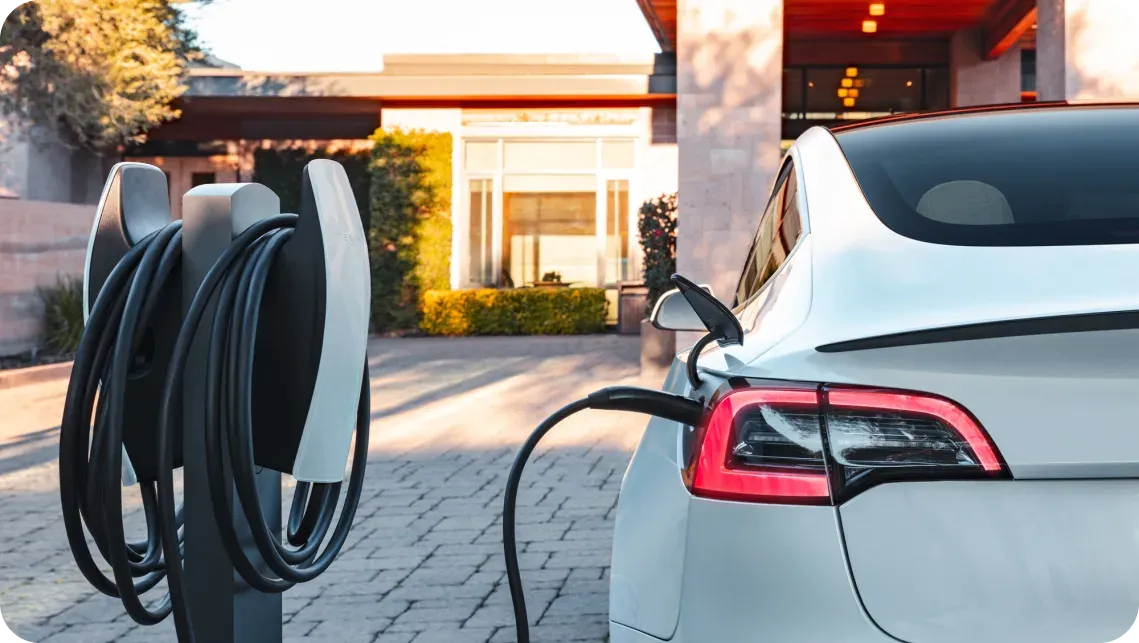
Hiring Licensed Local Electricians for EV Charger Installations in Florida
Installing a Level-2 EV charger safely and efficiently requires a Florida-licensed electrician or certified EV installer. Choosing the right professional is crucial for code compliance, HOA approval, and long-term reliability.
1. Get Multiple Quotes
Costs for installing a dedicated 40-amp circuit can vary widely depending on:
Distance from the panel to the charger location
Whether panel upgrades or trenching are required
Local labor rates and materials
Obtaining quotes from multiple licensed electricians helps ensure competitive pricing and clarity on the scope of work.
2. Ask About Condo/HOA Experience
If you live in a condominium or HOA community, additional considerations apply:
Associations often require documentation, proof of licensed contractors, and agreements to repair common areas.
Boards may impose reasonable conditions or delays, making prior experience with HOA or condo projects valuable.
Electricians familiar with these processes can streamline approvals and reduce friction.
3. Discuss Metering Options
When billing for EV charging:
Sub-metering or smart chargers with usage reporting allow fair allocation of electricity costs in shared or rental properties.
Experienced installers can recommend solutions that integrate with apps or utility programs, ensuring transparency and ease of billing.
4. Benefits of a Licensed Local Installer
Ensures compliance with Florida Building Code and National Electrical Code
Provides a professional installation that passes inspections
Offers guidance on permitting, metering, and HOA/condo coordination
By selecting a licensed, experienced local installer, homeowners can confidently implement an EV charging solution that is safe, compliant, and tailored to their property’s needs.
If you rent in a Boca/Deerfield condo, start with the owner — Florida law gives unit owners strong rights to install EV chargers (subject to reasonable board requirements), but renters will generally need the owner to initiate that request. For a private garage in Palm Coast, a 240-volt Level-2 outlet is the most practical solution: hire a licensed electrician, apply for an electrical permit through Palm Coast’s ePlan/Building Services, get the work inspected, and keep documentation. With the right permissions and a licensed contractor, you can turn “no charger at the rental” into reliable overnight charging.
Sources:
Florida Legislature — flsenate.gov
Becker (Florida Community Association Legal Updates)
City of Boca Raton — Boca Raton
U.S. Department of Energy — Alternative Fuels Data Center (afdc.energy.gov)
Florida Condo & HOA Law Blog
City of Palm Coast — palmcoastgov.com
Qmerit — EV Home Charging Installation Guidance
Alternative Fuels Data Center (AFDC) — afdc.energy.gov
David Gray Online — davidgrayonline.com
Corley Electric — corleyelectric.com
Florida Statutes — Condominium Act, Section 718.113 (unit owner rights to install EV charging). flsenate.gov
AFDC (U.S. Department of Energy) — EV charger policies for condominiums / homeowner associations. afdc.energy.gov
BeckerLawyers / recent commentary on EV charging in Florida condominiums (practical guidance on approvals & limited common element). Becker
City of Palm Coast — Building Department / online permitting (ePlan) for submitting electrical permits and scheduling inspections. palmcoastgov.com+1
City pages: Boca Raton & Deerfield Beach — public EV charging locations and local programs (useful interim charging options). Boca Raton+1