Can you decorate a rental without losing your deposit? Florida-friendly do’s and don’ts
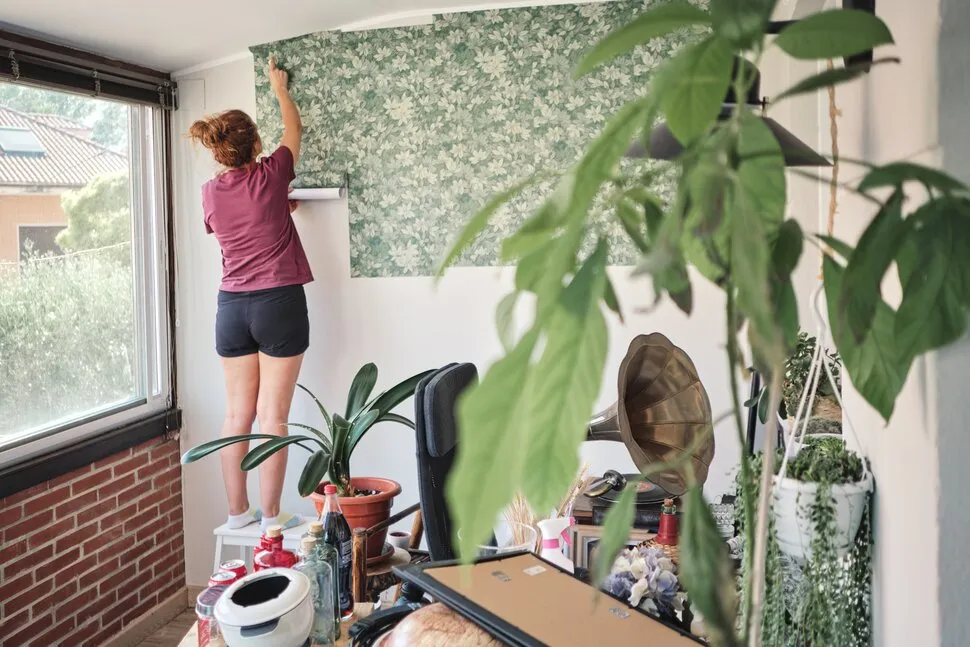
Decorating a rental can feel like walking a tightrope—you want your space to feel like home, but one wrong move could cost you your security deposit. The good news? In Florida, you can personalize your rental—if you understand what’s allowed, what’s risky, and how landlord-tenant laws work.
Why Your Deposit Is at Risk: What Florida Renters Need to Know
For many renters in Florida, the security deposit feels like money that’s already gone. But in reality, it’s still your money—just temporarily held by your landlord. Whether you get it back in full depends on how well you understand one critical concept: what counts as damage versus normal wear and tear.
What a Security Deposit Is Actually For
In Florida, a security deposit is meant to protect the landlord—not as a bonus fee, but as a safeguard. It can legally be used to cover:
Unpaid rent
Excessive cleaning costs
Repairs for damage beyond normal use
This means that if you leave the unit in good condition and fulfill your lease terms, you’re entitled to get your deposit back.
The Key Phrase: “Beyond Normal Wear and Tear”
This is where most disputes happen.
Normal wear and tear refers to the natural, expected decline in a property from everyday living. Think:
Light scuff marks on walls
Minor carpet wear in high-traffic areas
Faded paint from sunlight
These are considered unavoidable—and landlords typically cannot deduct for them.
Damage, on the other hand, is preventable and often permanent. Examples include:
Large holes in walls from mounting TVs or shelves
Broken fixtures or appliances due to misuse
Stains, burns, or pet damage to flooring
This is where your deposit becomes vulnerable.
Decorating: Where Renters Often Go Wrong
Personalizing your space is part of making a rental feel like home—but it’s also one of the fastest ways to lose part of your deposit if you’re not careful.
Here’s the golden rule:
If it’s reversible, you’re usually safe. If it’s permanent, get permission.
Safe decorating choices:
Removable adhesive hooks or strips
Peel-and-stick wallpaper
Temporary decals or art
Risky decorating choices:
Drilling large holes without approval
Painting walls without permission
Installing fixtures that require rewiring or structural changes
Even small changes can become costly if they leave lasting marks or require professional repair.
Why It Matters More in Florida
Florida’s climate adds another layer of complexity. High humidity, heat, and storms can already take a toll on a property. Landlords may be more attentive to condition changes—and more likely to assess whether damage was avoidable or tenant-caused.
That’s why documenting your unit’s condition when you move in—and maintaining it during your lease—is especially important.
How to Protect Your Deposit
To stay on the safe side:
Document everything at move-in (photos and videos)
Report issues early in writing
Ask before making changes
Use temporary décor whenever possible
Restore the unit before moving out
A little caution upfront can save you hundreds—or even thousands—of dollars later.
Your security deposit isn’t just a formality—it’s a reflection of how well you care for your rental. By understanding what counts as damage and making smart decorating choices, you can enjoy your space and walk away with your deposit intact.
Florida-Friendly Decorating DO’s
1. Use Damage-Free Hanging Solutions
Decorating a rental doesn’t have to mean risking your security deposit—especially in Florida, where landlords often keep a close eye on property condition. One of the safest and smartest ways to personalize your space is by using damage-free hanging solutions.
Products like adhesive hooks, removable strips, and no-drill wall mounts have become renter essentials—and for good reason.
Why They Work So Well
Damage-free hanging tools are designed to hold décor securely without leaving permanent marks behind. That means you can hang:
Artwork and photo frames
Mirrors
Lightweight shelves
Seasonal decorations
All without putting holes in the wall or chipping paint.
The Benefits for Florida Renters
✔ Safe for your depositBecause these products don’t cause permanent damage, they fall within normal use—making deductions far less likely.
✔ Easy to removeMost adhesive strips are designed to peel off cleanly, without residue or peeling paint (when used correctly).
✔ No repainting neededSkipping nails and screws means you won’t need to patch or repaint walls before moving out—saving both time and money.
Pro Tips for Best Results
To get the most out of damage-free solutions:
Clean the wall surface first (humidity and dust can weaken adhesion)
Follow weight limits carefully to avoid سقوط (falling items)
Remove slowly and correctly to prevent peeling paint
Avoid textured or влажные (damp) surfaces, which may not hold well
Why This Matters in Florida
Florida’s humid climate can make traditional wall fixtures tricky—adhesives can fail if not applied properly, and drilling into walls can sometimes lead to more noticeable repairs. Using removable solutions helps you avoid both problems while keeping your rental intact.
When it comes to decorating a rental, the goal is simple: make it feel like home without leaving a trace. Damage-free hanging solutions strike that perfect balance—giving you style, flexibility, and peace of mind when it’s time to move out.
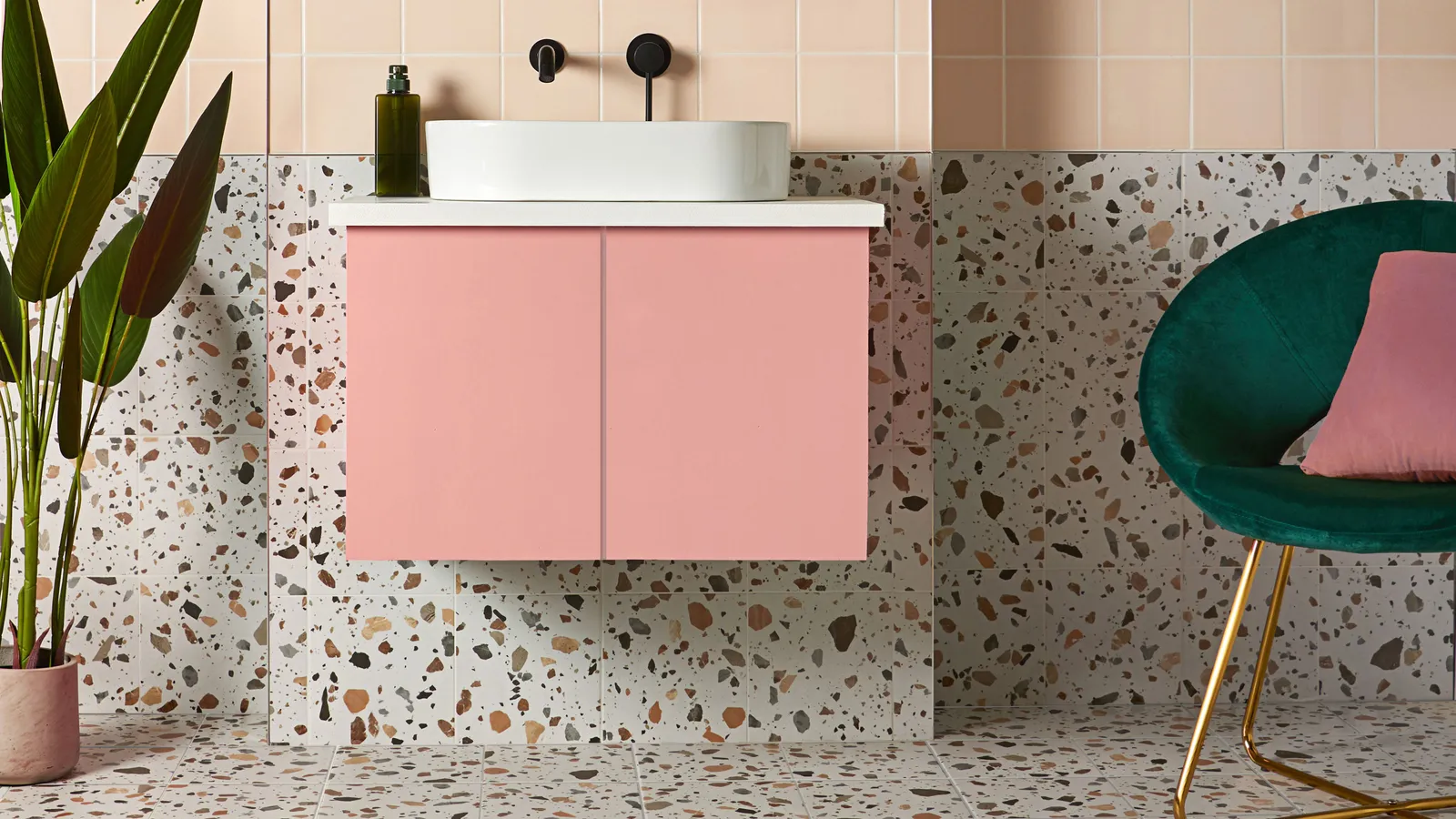
2. Try Peel-and-Stick Upgrades
If you want to upgrade your rental without risking your security deposit, peel-and-stick products are one of the easiest and most effective solutions. From stylish wallpaper to modern backsplash tiles—and even temporary flooring—these upgrades can completely transform a space without making permanent changes.
What Are Peel-and-Stick Upgrades?
Peel-and-stick products are designed with a removable adhesive backing, allowing you to apply them directly to surfaces like walls, tiles, or floors. When it’s time to move out, they can typically be removed without causing damage—making them ideal for renters.
Popular options include:
Peel-and-stick wallpaper for accent walls
Backsplash tiles to refresh kitchens or bathrooms
Vinyl floor panels to cover outdated or worn flooring
Why Renters Love Them
✔ Fully removableThese upgrades are designed to come off cleanly when installed and removed properly, helping protect your deposit.
✔ No landlord approval (usually) neededBecause they don’t permanently alter the property, most landlords are fine with them—but it’s still smart to double-check your lease.
✔ Perfect for kitchens and bathroomsThese areas often feel outdated in rentals. Peel-and-stick tiles or surfaces can instantly modernize them without renovation.
Tips for Using Peel-and-Stick Products
To make sure your upgrades stay renter-friendly:
Apply to clean, smooth surfaces for best adhesion
Avoid high-moisture damage by choosing water-resistant products in bathrooms
Test a small area first to ensure easy removal
Remove slowly and carefully to avoid peeling paint
Florida Considerations
Florida’s humidity can affect how well adhesives stick over time. Choosing high-quality, humidity-resistant products—and applying them in a clean, dry environment—can make a big difference in how well they perform.
Peel-and-stick upgrades are a renter’s secret weapon: affordable, stylish, and low-risk. They let you personalize your home in a big way—without leaving behind damage or unexpected repair costs when your lease ends.
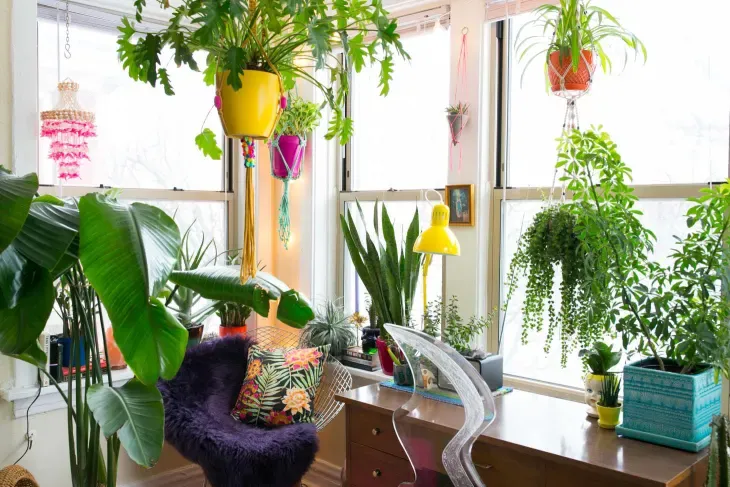
3. Decorate with Tension Rods & Freestanding Items
When you’re renting, one of the smartest ways to decorate is to avoid altering the structure altogether. That’s where tension rods and freestanding items come in—they give you flexibility, style, and function without putting your security deposit at risk.
Smart Alternatives to Permanent Fixtures
Instead of drilling holes or installing built-ins, consider these renter-friendly swaps:
Tension rods for curtains
Perfect for windows, closets, or even creating room dividers—no tools or hardware required.
Floor lamps instead of wired lighting
Brighten up your space without touching electrical fixtures or needing installation.
Bookshelves and storage units
Freestanding shelves provide plenty of storage and style without mounting anything to the wall.
Why This Approach Works
✔ No structural changesYou’re not drilling, wiring, or modifying anything permanent—so there’s little to no risk of damage.
✔ Easy to move and rearrangeFreestanding décor can be adjusted anytime, making it perfect if you like to refresh your space ხშირად.
✔ Deposit-friendlySince nothing is attached or altered, landlords have no reason to deduct for repairs.
Extra Benefits for Florida Renters
Florida rentals often deal with humidity, shifting temperatures, and occasional maintenance issues. Using removable and movable items means:
You can easily adjust your setup if moisture affects certain areas
There’s less risk of damaging walls or fixtures in a humid climate
You avoid complications with electrical or structural modifications
Pro Tips for Styling
Use tension rods creatively—not just for curtains, but also for hanging plants or lightweight organizers
Choose multi-functional furniture (like shelves with storage bins)
Opt for weighted or sturdy pieces to prevent tipping, especially in high-traffic areas
Decorating your rental doesn’t have to involve tools or permanent changes. With tension rods and freestanding items, you can create a stylish, functional space that’s completely reversible—keeping both your home and your deposit safe.
4. Document Everything Before and After
Before you hang a single frame or apply any peel-and-stick upgrade, take time to document the condition of your rental. It might feel like an extra step, but it’s one of the most powerful ways to protect your security deposit—especially in Florida, where property condition can be affected by humidity, wear, and frequent tenant turnover.
What to Document Before Decorating
Start by capturing clear photos or videos of key areas in your unit:
Walls – note any marks, chips, or uneven paint
Floors – look for scratches, stains, or wear
Fixtures – check lighting, faucets, cabinets, and appliances
Make sure your photos are well-lit, dated, and detailed. The goal is to create a clear record of what the property looked like before you made any changes.
Don’t Forget “After” Documentation
Once you’ve decorated—and especially when you’re preparing to move out—document the space again:
Show that your décor didn’t cause damage
Capture the condition after removing any temporary upgrades
Highlight that the unit has been restored to its original state
This “before and after” comparison can be critical if there’s ever a dispute.
Why Documentation Matters
✔ Protects you from unfair claimsIf a landlord says you caused damage, your photos can prove otherwise.
✔ Supports your deposit returnClear evidence helps ensure you’re only charged for legitimate issues—if any.
✔ Creates accountability on both sidesIt encourages transparency between you and your landlord from the start.
Best Practices for Renters
Take photos before moving furniture in
Store files in multiple places (cloud + phone)
Email copies to your landlord or property manager
Keep everything until your deposit is returned
Florida-Specific Considerations
In Florida, environmental factors like moisture, heat, and storms can affect property condition over time. Having documented proof of the unit’s original state helps separate natural wear from tenant-caused damage—which is key when deposits are evaluated.
Documentation isn’t just a precaution—it’s your best defense. By taking a few minutes to record your rental’s condition before and after decorating, you put yourself in a strong position to avoid disputes and secure your full deposit when it’s time to move out.
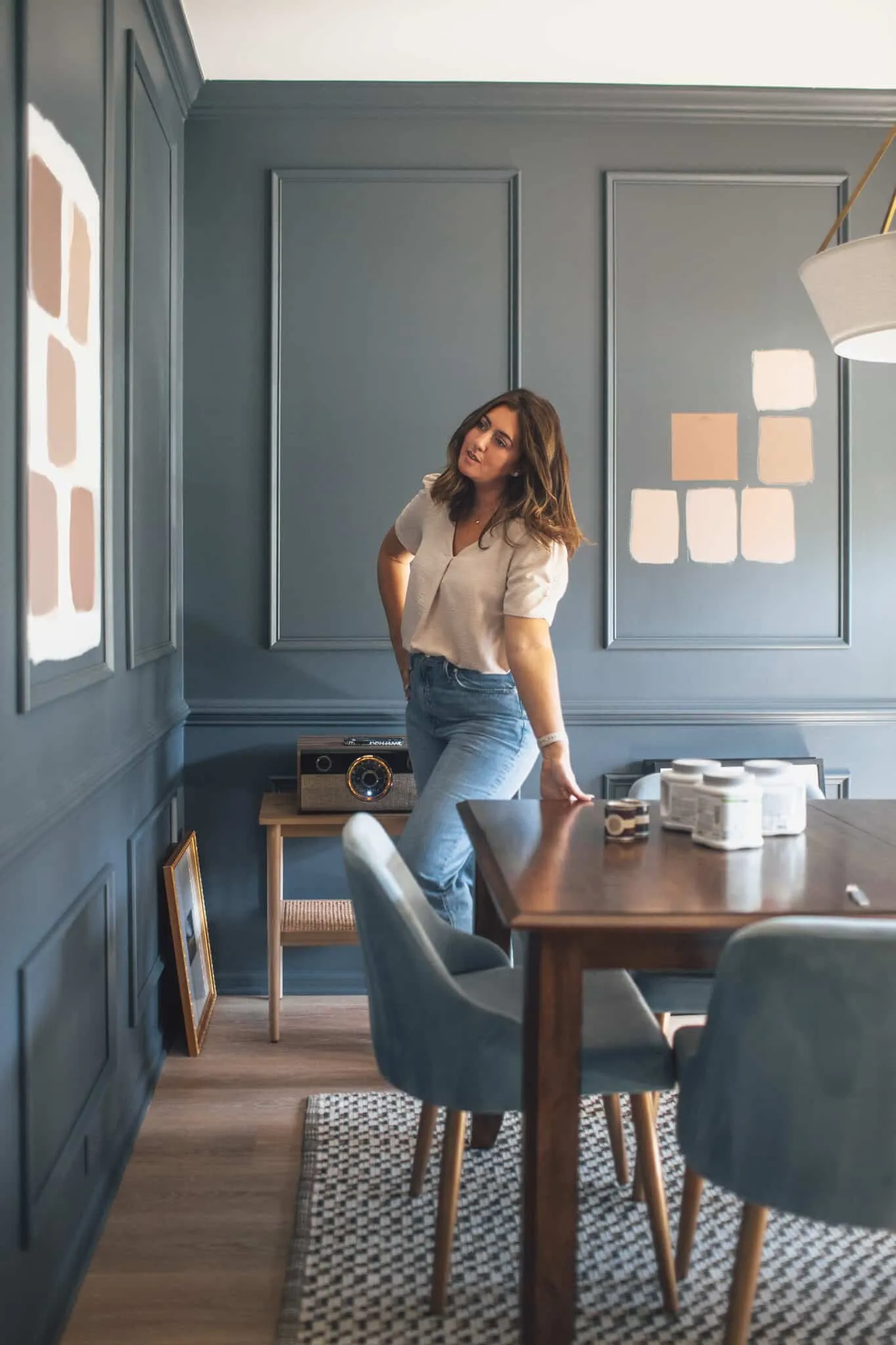
Florida-Friendly Decorating DON’Ts ❌
1. Don’t Paint Without Permission
Painting might seem like a simple way to refresh your rental, but in Florida, it’s also one of the most common reasons tenants lose part of their security deposit. Even with good intentions, painting without approval can quickly turn into a costly mistake.
Why Painting Is Risky
Unlike removable décor, paint is a permanent change. That means:
It alters the original condition of the unit
It may not match the landlord’s preferred colors or standards
Fixing it often requires time, labor, and additional materials
Even if you plan to repaint before moving out, problems can still arise.
Common Issues That Lead to Deductions
Incorrect colors that don’t match the original or approved scheme
Uneven or sloppy application (streaks, drips, missed spots)
Damage during prep work, like sanding or removing fixtures
Failure to restore properly before move-out
Landlords may charge for repainting if the results don’t meet professional standards—or if they simply didn’t approve the change in the first place.
The Rule to Follow
Always get written approval first.
Verbal permission isn’t enough. Make sure you have:
Written consent (email or signed agreement)
Clear details on approved colors and areas
Any requirements for repainting before you leave
This protects you from misunderstandings and unexpected charges.
Florida Considerations
In Florida’s rental market, properties often need frequent repainting due to sun exposure, humidity, and general wear. Because of this, landlords may be more particular about paint quality and consistency across units.
Making unauthorized changes—even small ones—can create extra work for them, which often leads to deductions from your deposit.
Safer Alternatives
If you want a color change without the risk:
Use peel-and-stick wallpaper
Add color through décor like curtains, rugs, and art
Try temporary wall decals
These options let you personalize your space without making permanent changes.
Painting can transform a space—but in a rental, it’s not worth the risk without proper approval. A quick message to your landlord and written permission can be the difference between getting your full deposit back or losing a significant portion of it.
2. Avoid Large Holes or Permanent Fixtures
Mounting a TV, installing shelves, or adding built-in storage might seem like a great way to upgrade your rental—but these changes can quickly put your security deposit at risk.
Why This Matters
Anytime you drill into walls or use heavy-duty anchors, you’re making a permanent alteration to the property. Unlike minor marks, these changes often require real repairs—patching, sanding, repainting, or even structural fixes.
What’s Usually Acceptable vs. Risky
Generally acceptable:
Small nail holes from hanging lightweight items
Minor pin-sized marks that are easy to patch
Potentially risky:
Large holes from wall anchors or mounting brackets
Drilling into drywall, tile, or concrete
Installing heavy fixtures like mounted TVs, cabinets, or floating shelves
The difference comes down to repair effort and permanence. If it takes more than a simple touch-up to fix, it may be considered damage.
How It Affects Your Deposit
Landlords in Florida can deduct from your security deposit if repairs go beyond normal wear and tear. Large holes and permanent fixtures often fall into this category because:
They require materials and labor to repair
They may leave visible damage if not fixed properly
They can affect the structure or finish of the wall
Even if you attempt to fix it yourself, poor patchwork or mismatched paint can still lead to charges.
Smarter Alternatives
Instead of drilling or mounting, try:
Freestanding TV stands instead of wall mounts
Bookshelves or storage units instead of built-ins
Adhesive hooks or strips for lighter décor
These options give you functionality without damaging the property.
Pro Tip: When in Doubt, Ask
If you really want to install something permanent:
Get written permission from your landlord first
They may allow it under certain conditions—or even prefer to handle installation themselves.
It’s tempting to make a rental feel more customized, but large holes and permanent fixtures can cost you later. Keeping your changes minimal and reversible is the safest way to enjoy your space while protecting your full deposit.
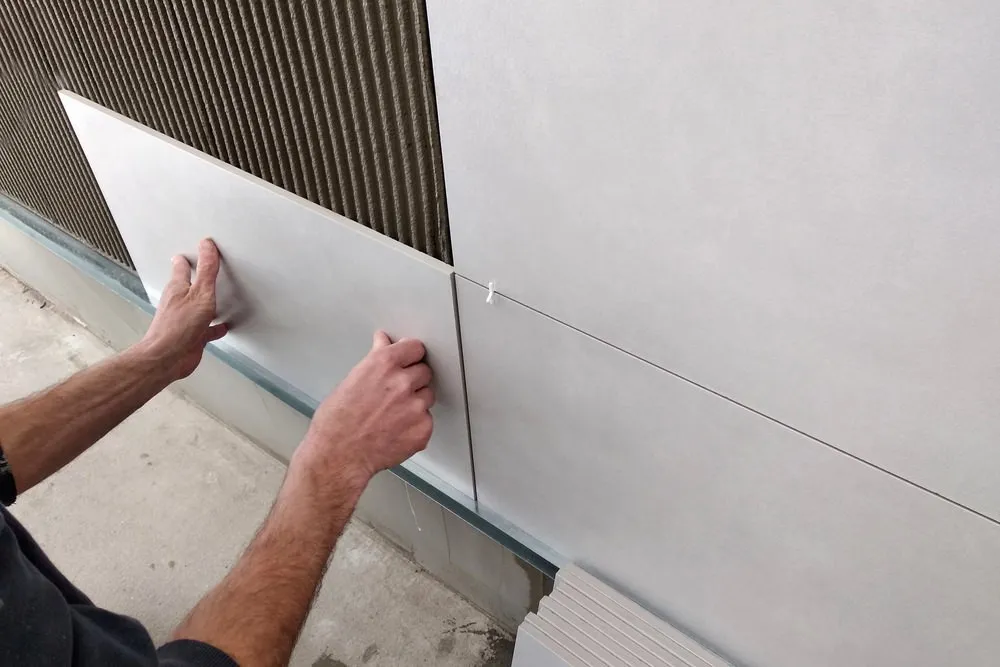
3. Don’t Replace Fixtures Without Approval
Upgrading things like light fixtures, faucets, or cabinet hardware can make a rental feel more modern—but making these changes without permission can lead to lease violations and potential deposit deductions.
Why Fixture Changes Are a Big Deal
Unlike décor, fixtures are considered part of the property. That means:
They are owned by the landlord, not the tenant
Changing them alters the unit’s original condition
Improper installation can cause damage or safety issues
Even if your intentions are good, replacing fixtures without approval can create complications when it’s time to move out.
What Can Go Wrong
Installation damage (wiring issues, leaks, stripped screws)
Missing original items if you forget to reinstall them
Mismatched replacements that don’t meet the property’s standards
Lease violations that could result in fees or penalties
In some cases, landlords may charge you not only for repairs—but also for reinstalling the original fixtures.
The Lease Matters
Most Florida leases clearly state that tenants cannot alter or replace fixtures without written consent. Ignoring this can:
Put your security deposit at risk
Lead to additional charges beyond the deposit
Create disputes at move-out
The Rule to Follow
Always get written approval before replacing any fixture
If your landlord agrees, make sure to:
Keep the original fixtures stored safely
Confirm whether you need to reinstall them before moving out
Follow any specific instructions provided
Safer Ways to Upgrade Your Space
If you want a refreshed look without the risk:
Use plug-in lighting instead of replacing fixtures
Add style with removable décor
Focus on freestanding items like lamps or storage units
These options let you upgrade your space without touching anything permanent.
Replacing fixtures might seem like a small change, but in a rental, it crosses into structural territory. A quick approval from your landlord can save you from costly repairs, lease issues, and losing part of your deposit.
4. Never Ignore Your Lease Agreement
When it comes to decorating a rental, your lease agreement isn’t just paperwork—it’s the rulebook that determines what you can and cannot do. Ignoring it is one of the fastest ways to risk your security deposit or even violate your lease terms.
What Is an “Alterations Clause”?
Most Florida leases include an alterations clause, which outlines:
What types of changes are allowed
What requires landlord approval
What is strictly prohibited
This can cover everything from painting and mounting items to replacing fixtures or making upgrades.
Why It Matters
Your lease is a legally binding agreement. If you make changes that go against it, you could face:
Security deposit deductions
Repair or restoration costs
Additional fees or penalties
In some cases, lease violations that could impact your tenancy
Even small changes can become big issues if they conflict with what you agreed to.
Common Mistakes Renters Make
Assuming minor changes don’t matter
Relying on verbal permission instead of written approval
Skipping the lease review altogether
Forgetting to check requirements for restoring the unit before move-out
These mistakes often lead to misunderstandings—and unexpected charges.
What Experts Recommend
Always review your lease before making any changes, Get written approval for anything permanent or structural
This includes:
Painting walls
Mounting TVs or shelves
Replacing fixtures
Installing upgrades
Having everything documented protects both you and your landlord.
Pro Tip: Keep Records
Save a copy of your lease in an easy-to-access place
Keep written approvals (email or signed documents)
Refer back to the agreement before making updates
This habit can save you from costly disputes later.
Decorating your rental should never come at the expense of your lease agreement. By understanding and following the rules from the start, you can personalize your space confidently—without risking your deposit or your peace of mind.
What Florida Law Means for Decorators
When it comes to decorating a rental, Florida law doesn’t tell you what color to paint your walls or how to hang your art—but it does clearly define how your security deposit can be handled. And that’s where your decorating choices start to matter.
Florida Law and Security Deposits
Under Florida law, security deposits are regulated to protect both landlords and tenants. The key rules include:
Landlords can deduct only for actual damage
This means damage that goes beyond normal wear and tear—such as large holes, broken fixtures, or permanent alterations.
Normal use cannot be charged
Everyday living—like minor scuffs or light wear—should not affect your deposit.
Deposits must be returned within a set timeframe
15 days if there are no deductions
Up to 30 days if the landlord intends to make a claim
Improper deductions can be challenged
Tenants have the right to dispute charges they believe are unfair or unsupported.
What This Means for Your Decorating Choices
Even though decorating isn’t directly regulated, your decisions can still impact whether your deposit is returned in full.
Reversible changes = low risk
Items like removable hooks, peel-and-stick décor, and freestanding furniture are unlikely to lead to deductions.
Permanent changes = higher risk
Painting, drilling, or replacing fixtures without approval may be considered damage—especially if not restored properly.
Quality matters
Even approved changes can lead to deductions if the workmanship is poor or causes additional damage.
The Link Between Decorating and Deposits
Think of your decorating choices as falling into two categories:
Temporary and reversible → Usually safe
Permanent or structural → Potentially chargeable
Because Florida law focuses on actual damage, anything that requires repair, replacement, or professional work may come out of your deposit.
Protecting Yourself as a Renter
To stay aligned with Florida law and protect your refund:
Review your lease before making changes
Get written approval for anything permanent
Document the condition of your unit before and after decorating
Restore the property to its original condition before moving out
These steps help ensure that any deductions—if they happen—are fair and legally justified.
Florida law may not control how you decorate, but it absolutely controls how your deposit is handled. By making smart, reversible choices and understanding what counts as damage, you can enjoy your space while keeping your full refund within reach.
Smart Strategy: “Make It Yours—But Make It Reversible”
Decorating a rental is all about balance. You want your space to feel like home—but not at the expense of your security deposit. That’s where one simple, powerful strategy comes in:
Make it yours—but make it reversible.
If every change you make can be undone quickly and cleanly, you’re putting yourself in the safest possible position as a renter.
Why Reversible Decorating Works
In Florida, landlords can only deduct from your deposit for actual damage beyond normal wear and tear. That means if you can return the unit to its original condition, there’s little justification for charges.
Reversible decorating helps you:
Avoid permanent alterations
Minimize repair costs
Stay within lease guidelines
Protect your full deposit
It’s not about decorating less—it’s about decorating smarter.
The “Reversibility Test”
Before making any change, ask yourself:
Can I restore this space to its original condition in a day or two?
Would a landlord struggle to tell I made any changes?
If the answer is yes, you’re likely making a safe choice.
If the answer is no, it’s worth reconsidering—or getting written permission first.
Examples of Reversible vs. Risky Choices
Reversible (Safe):
Adhesive hooks and strips
Peel-and-stick wallpaper or tiles
Tension rods and freestanding furniture
Plug-in lighting
Hard to Reverse (Risky):
Painting walls without approval
Drilling large holes or installing anchors
Replacing fixtures
Permanent installations or built-ins
The key difference is whether the change leaves a trace.
A Practical Mindset for Renters
Think of your rental like a “temporary canvas.” You can style it, layer it, and personalize it—but nothing should be permanent unless it’s approved.
This mindset helps you:
Make faster decorating decisions
Avoid costly mistakes
Feel confident when it’s time to move out
You don’t have to sacrifice style to stay deposit-safe. By focusing on reversible changes, you can fully enjoy your space—and walk away without stress when your lease ends.
Because the best decorating strategy isn’t just about how your home looks today—it’s about how easily you can leave it tomorrow.
Yes—you can decorate a rental in Florida without losing your deposit. The key isn’t avoiding decoration altogether—it’s making smart, intentional choices that protect both your space and your wallet.
The most successful renters follow a simple approach:focus on temporary, reversible, and approved changes.
Think Creatively, Not Permanently
Decorating a rental doesn’t mean you have to sacrifice style. It just means shifting your mindset:
Choose solutions that can be easily removed
Avoid changes that leave lasting marks
Get permission for anything that isn’t clearly reversible
This way, you’re not limiting your creativity—you’re directing it in a smarter way.
The Real Win: Style + Security
When you decorate with intention, you don’t have to choose between comfort and caution. You get both:
A space that feels like home — personalized, cozy, and uniquely yours
A full deposit when you leave — no surprises, no disputes, no unnecessary costs
A Simple Rule to Remember
If you’re ever unsure, go back to the core idea:
Can I undo this completely before moving out?
If the answer is yes, you’re on the right track.
Renting doesn’t mean living in a space that doesn’t reflect you. It just means decorating with a little more strategy. By thinking creatively instead of permanently, you can enjoy your home now—and leave it just as easily later.
Sources
Florida Statutes § 83.49 — Deposit money or advance rent
U.S. Department of Housing and Urban Development (HUD) — Rental Rights and Responsibilities
Consumer Financial Protection Bureau — “What is a security deposit?”
3M Command™ Brand — Product Guidelines and Usage Instructions
U.S. Department of Housing and Urban Development (HUD) — Rental Housing Maintenance Guidelines
Florida Statutes § 83.49 — Security Deposit Regulations
U.S. Department of Housing and Urban Development (HUD) — Rental Housing Maintenance Guidelines
Florida Statutes § 83.49 — Security Deposit Regulations
Consumer Reports — “Temporary Décor Solutions for Renters”
Florida Statutes § 83.49 — Security Deposit Regulations
U.S. Department of Housing and Urban Development (HUD) — Rental Housing Maintenance Guidelines
The Spruce — “Renter-Friendly Decorating Ideas Without Damage”
Florida Statutes § 83.49 — Security Deposit Regulations
U.S. Department of Housing and Urban Development (HUD) — Rental Rights and Responsibilities
Consumer Financial Protection Bureau — “What is a security deposit?”
Florida Statutes § 83.49 — Security Deposit Regulations
U.S. Department of Housing and Urban Development (HUD) — Rental Housing Maintenance Guidelines
Consumer Financial Protection Bureau — “What is a security deposit?”
Florida Statutes § 83.49 — Security Deposit Regulations
U.S. Department of Housing and Urban Development (HUD) — Rental Housing Maintenance Guidelines
Consumer Financial Protection Bureau — “What is a security deposit?”
Florida Statutes § 83.49 — Security Deposit Regulations
U.S. Department of Housing and Urban Development (HUD) — Rental Housing Maintenance Guidelines
Consumer Financial Protection Bureau — “What is a security deposit?”
Florida Statutes § 83.49 — Security Deposit Regulations
U.S. Department of Housing and Urban Development (HUD) — Rental Rights and Responsibilities
Consumer Financial Protection Bureau — “What is a security deposit?”
Florida Statutes § 83.49 — Deposit money or advance rent
Florida Statutes § 83.49 — Deposit money or advance rent
U.S. Department of Housing and Urban Development (HUD) — Rental Rights and Responsibilities
Consumer Financial Protection Bureau — “What is a security deposit?”
Florida Statutes § 83.49 — Deposit money or advance rent
U.S. Department of Housing and Urban Development (HUD) — Rental Rights and Responsibilities
Consumer Financial Protection Bureau — “What is a security deposit?”
Florida Security Deposit and Damage Deposit Rules
Normal Wear and Tear Definitions (Florida)
Overview of Florida Landlord-Tenant Laws
Realtor.com expert advice on renter-friendly decorating